Skip to content
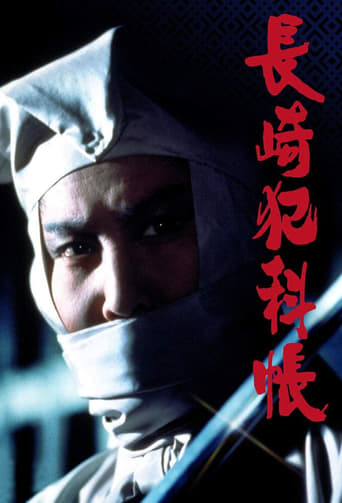
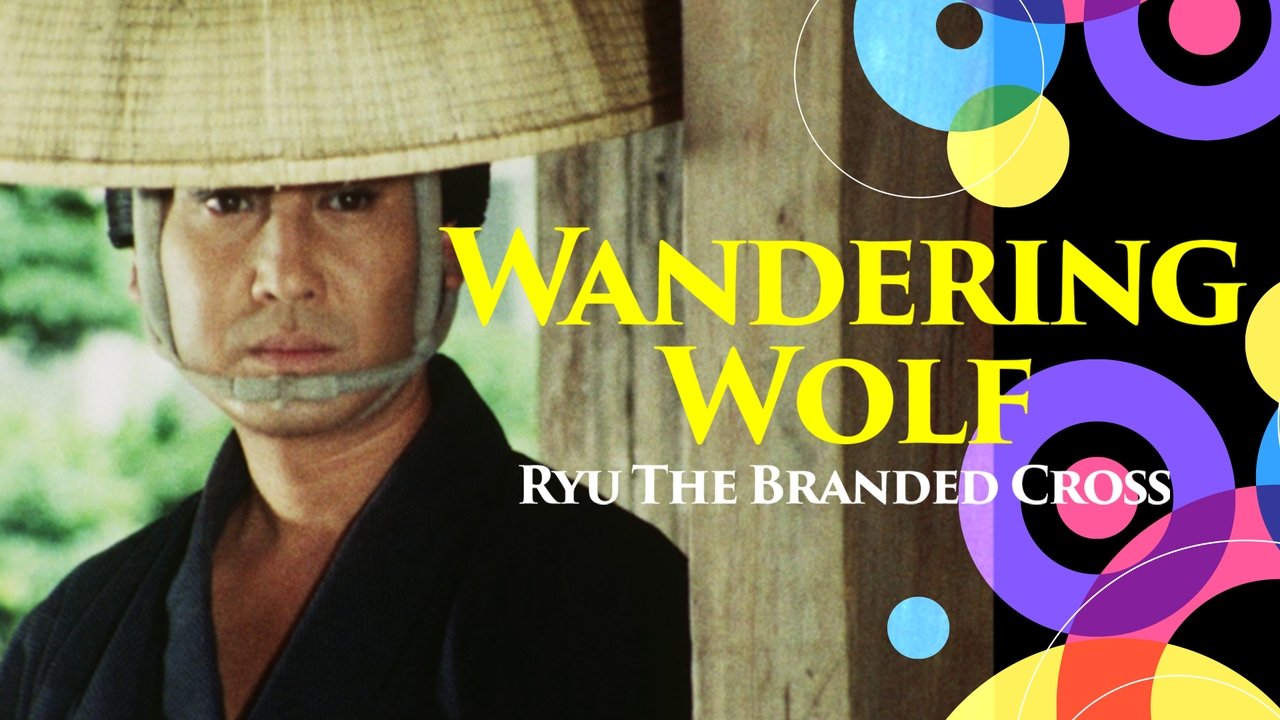
Wandering Wolf: Ryu the Branded Cross poster
Recommendations based on

Wandering Wolf: Ryu the Branded Cross

1972 TV Show Drama

Based on the novel of the same name by Jiro Ikushima, this drama series aired on NET TV (now TV Asahi) in 1972 for a total of 26 episodes. Starring the talented actor Kinnosuke Yorozuya, who had previously shown his skills in various period films such as "Mabuta no Haha," "Seki no Yatappe," and "Kutsukake Tokijiro: Yoyo ichi-hiki," the show follows the tragic hero and is sure to captivate audiences with its compelling storyline. Viewers are sure to be drawn into the drama and root for the protagonist as the story unfolds.
Same cast & genre

23 Shares actors and at least one genre with this title
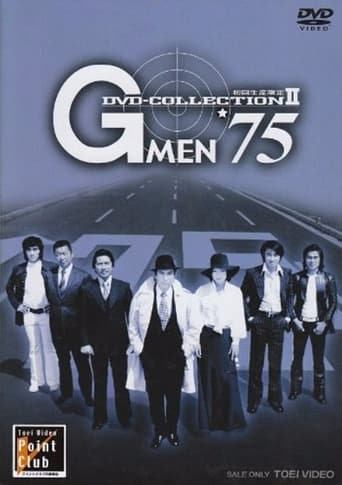
G-Men '75 poster
TV

G-Men '75 was a long-running prime-time television detective series in Japan. It aired on Saturday nights in the 9:00–9:54 p.m. time slot on the Tokyo Broadcasting System network from May 24, 1975 to April 3, 1982. A sequel, G-Men '82, followed, as did various specials. With several updates and cast changes, it included 355 episodes. The story revolved around an investigative organ, the G-Men. The principal character, who spanned the entire series, was Superintendent Kuroki. Portrayed by Tetsuro Tamba, Kuroki directed the members of the group. The original cast also included Yasuaki Kurata as Detective Kusano, trained in karate. Gō Wakabayashi joined in Episode 105, and remained to the end of the series. His character, Lieutenant Tachibana, replaced a detective who was written out of the script. Many more actors and actresses took regular roles in the series over the years. Gō Ibuki, Maria Mori, Mari Natsuki, Hiroshi Miyauchi, Takeshi Kaga, Bunjaku Han, and Kyōko Enami were among them. Shunsuke Kikuchi wrote the opening theme songs. Various artists, including some cast members, wrote and performed the closing songs. Among the actresses who sang were Mari Natsuki, Bun-jaku Han, and Kyōko Enami. For most years, the lyrics were by Junya Sato, set to music by Shunsuke Kikuchi. Veteran announcer Takayuki Akutagawa narrated the series.
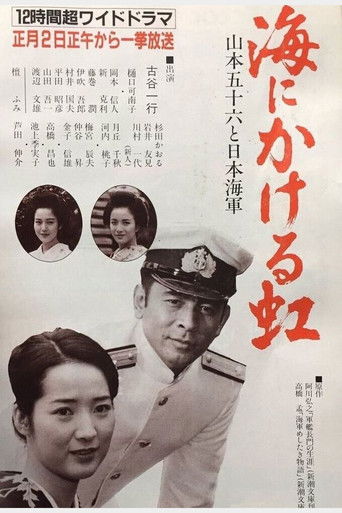
G-Men '75

1975 Crime
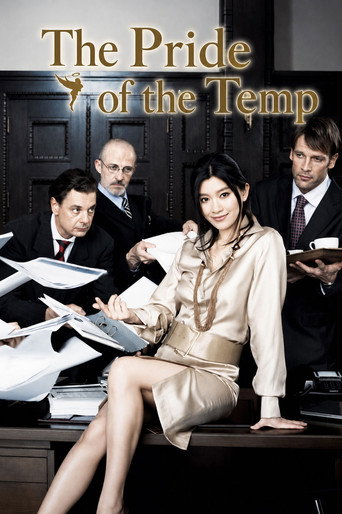
The Pride of the Temp poster
TV

Oomae Haruko is an A+ Temp worker who never cracks a smile or minces words, and leaves work on the dot. But her cynical nature indicates she has something painful to hide. Satonaka Kensuke has just been promoted to head S&F's new Marketing Division. Saddled with a rag-tag group of subordinates, he is struggling to lift his division off the ground. When Oomae is placed in Kensuke's department, she finds herself doing more work than she's ever done before. This is a timely drama that examines the different attitudes toward temp workers and regular employees, and the ways to overcome frictions in interpersonal relationships. This follows an October report on labor conditions by the Labor Ministry, which showed that, after regulations were relaxed, the proportion of regular employees to Temps had doubled compared to that of eight years ago.

The Pride of the Temp

2007 Drama
Musashibo Benkei poster
TV

After being carried in his mother’s womb for three years, Benkei is born with long hair and teeth and the body of a small child. It is said that he immediately laughed and commented on the brightness of the outside world, leading local people in his native Kii (modern Wakayama) to proclaim that he is a devil. Abandoned on a mountainside, he is adopted by Dainagon, a Kyoto resident who rears him until age seven when he leaves to become a monk. Thrown out of the monastery for his violent behavior, Benkei wanders Japan in search of enlightenment, though only trouble seems to find him. After accidentally causing a temple to burn down, he decides to begin a quest to defeat 1,000 of the hated Heike samurai in battle and donate their swords to a temple. Obtaining the first 999 swords proves relatively easy but the final weapon belongs to Yoshitsune, a young boy whose appearance belies his great skill as a warrior.

Musashibo Benkei

1986 Drama
Nemuri Kyoshiro poster
TV

Starting out in Edo, as Kyoshiro travels west toward Kyoto, he encounters some of the most dangerous obstacles in his career. Signs that the Tokugawa shogunate was vulnerable began to appear during the reign of 12th Shogun Ieyoshi. The Satsuma and the 13 Western non-Tokugawa lords began to act in suspicious ways. Minister Takebe, under orders from shogunate councilor Mizuno, attempted to quash this unrest. Nemuri Kyoshiro, a loner headed west, unwittingly becomes involved in the struggle.

Nemuri Kyoshiro

1982 Drama
A Tale of Two Truncheons poster
TV

Based on Kazuo Koike's extensive manga (over 110 volumes), this Edo-period drama follows an unlikely pair of law enforcement officers. One is a serious, skilled investigator, while the other is a witty, unconventional problem-solver, creating a dynamic partnership. The series also features the charmingly unorthodox detective Suruyoshi in a notable period drama debut. A memorable and catchy soundtrack complements the engaging stories brought to life by a large and talented cast.

A Tale of Two Truncheons

1984 Drama
Tabaruzaka poster
TV

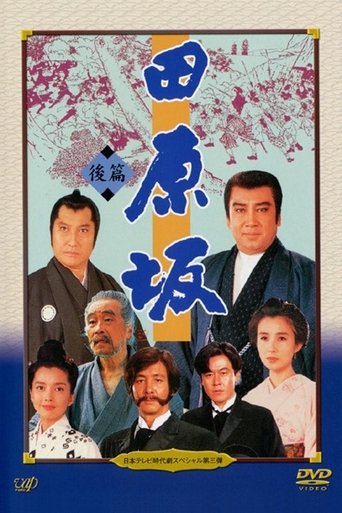
Known as the ”Last Samurai” Saigo Takamori was a stout giant of a man with a huge head and a neck like a bear. As the leader of Satsuma’s anti-Western faction, he was instumental in establishing the Sat-Cho Alliance dreamed of by Sakamoto Ryoma. After the fall of the Tokugawa, Saigo rose to major prominence before falling in disfavor. In 1876 Saigo Takamori resigned from his government post and went back to Kagoshima. He founded a local military school and dissatisfied samurai gathered around him in large numbers. In late 1876 it came to an open conflict when samurai rebels raided and occupied ammunition and weapon depots of the central government. The samurai rebels urged and proclaimed Saigo Takamori as their leader.

Tabaruzaka

1987 Action & Adventure

Closely Ranked

10 Ranked across franchise, crew, cast, themes, genre, era and audience scores
Lone Wolf and Cub poster
65% match TV

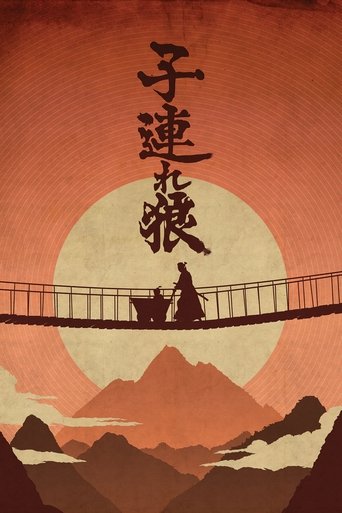
Ogami Itto is a master swordsman who holds a position of high power in the Tokugawa Shogunate. Highly trusted by the Shogun, he serves as the official decapitator, assisting lords and samurai who have been ordered by the Shogun to commit seppuku. One day, Itto’s wife and members of his household are brutally murdered by a clan seeking to avenge their lord’s execution, which had been carried out by Itto. In the wake of the attack, two items are left in Itto’s home: his unhurt infant son, Daigoro, and a symbol meant to signify Itto’s betrayal of the Shogun. Disgraced by the false symbol, Itto is labeled a traitor and forced to forfeit his position. He becomes a ronin, wandering the country with his son, searching for the men who killed his wife, seeking to clear his name and avenge her death.

Lone Wolf and Cub

★ 8.1 1973 Action & Adventure

Shares a lead actor · Same director