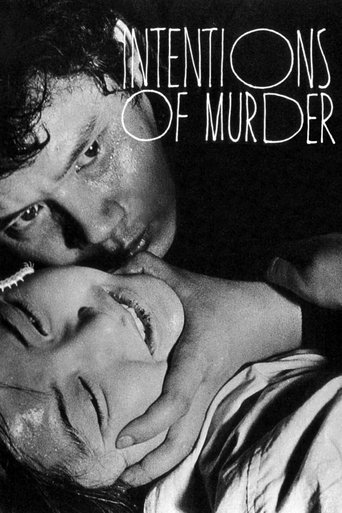
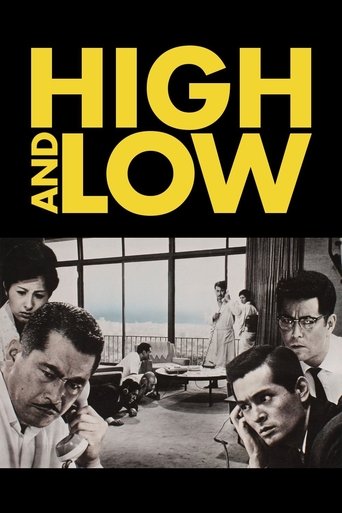
A Yokohama shoe executive faces a wrenching choice when kidnappers mistakenly seize his chauffeur’s son but demand the ransom anyway.

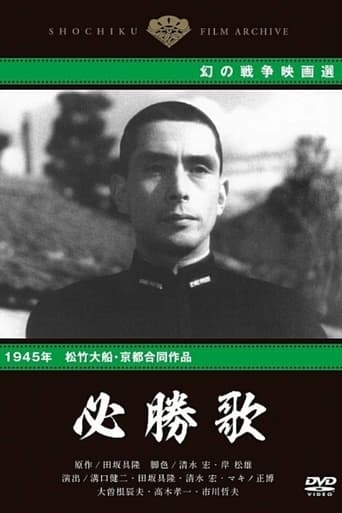
An anthology of thirteen patriotic stories about Japanese citizens contributing to the war effort.
A Yokohama shoe executive faces a wrenching choice when kidnappers mistakenly seize his chauffeur’s son but demand the ransom anyway.
A vacationing entomologist suffers extreme physical and psychological trauma after being taken captive by the residents of a poor seaside village and made to live with a woman whose life task is shoveling sand for them.
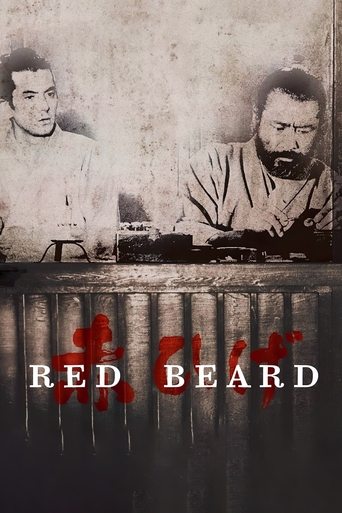
Aspiring to an easy job as personal physician to a wealthy family, Noboru Yasumoto is disappointed when his first post after medical school takes him to a small country clinic under the gruff doctor Red Beard. Yasumoto rebels in numerous ways, but Red Beard proves a wise and patient teacher. He gradually introduces his student to the unglamorous side of the profession, ultimately assigning him to care for a prostitute rescued from a local brothel.
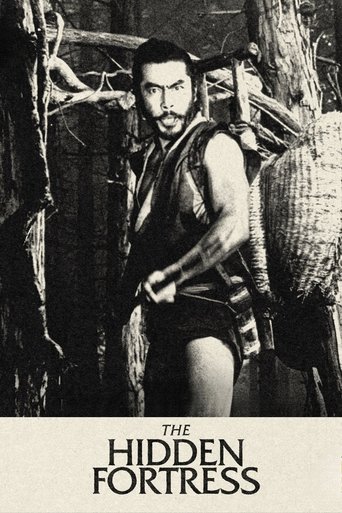
In feudal Japan, during a bloody war between clans, two cowardly and greedy peasants, soldiers of a defeated army, stumble upon a mysterious man who guides them to a fortress hidden in the mountains.
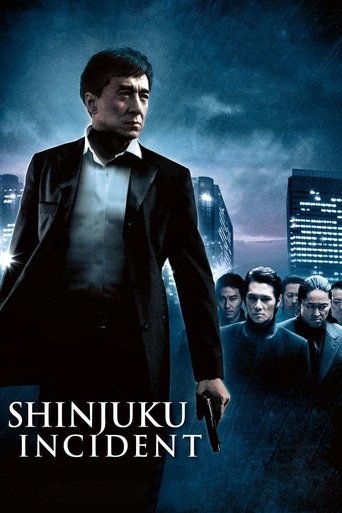
A simple Chinese immigrant wages a perilous war against one of the most powerful criminal organizations on the planet.
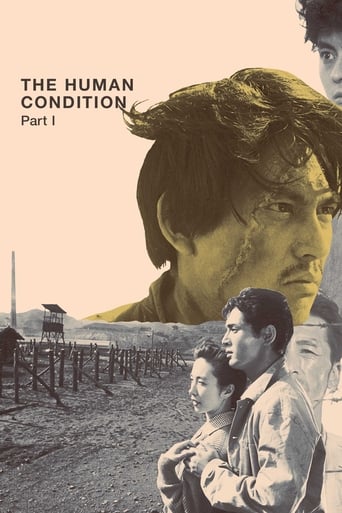
After handing in a report on the treatment of Chinese colonial labor, Kaji is offered the post of labour chief at a large mining operation in Manchuria, which also grants him exemption from military service. He accepts and moves with his newlywed wife Michiko, but when he tries to put his ideas of more humane treatment into practice, he finds himself at odds with scheming officials, cruel foremen, and the military police.
The tragic, true story about Hachikō, an Akita dog who was loyal to his master, Professor Ueno, even after Ueno's death.
In this loose adaptation of "Hamlet," illegitimate son Kôichi Nishi climbs to a high position within a Japanese corporation and marries the crippled daughter of company vice president Iwabuchi. At the reception, the wedding cake is a replica of their corporate headquarters, but an aspect of the design reminds the party of the hushed-up death of Nishi's father. It is then that Nishi unleashes his plan to avenge his father's death.
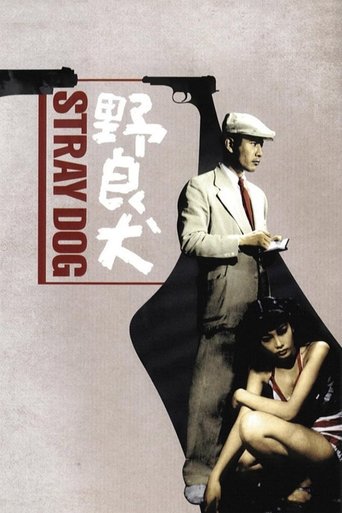
A bad day gets worse for young detective Murakami when a pickpocket steals his gun on a hot, crowded bus. Desperate to right the wrong, he goes undercover, scavenging Tokyo’s sweltering streets for the stray dog whose desperation has led him to a life of crime. With each step, cop and criminal’s lives become more intertwined and the investigation becomes an examination of Murakami’s own dark side.
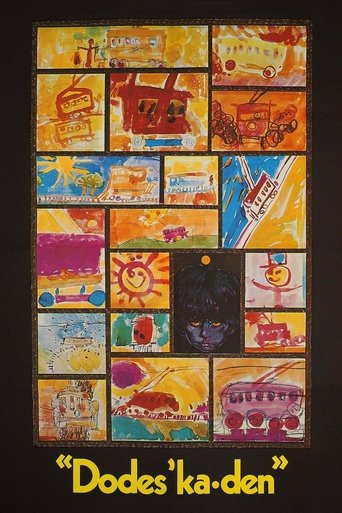
On a Tokyo dump’s shantytown edge, interwoven vignettes follow residents scraping by: a boy who “drives” an imaginary trolley, a homeless father and son designing a dream house, a young woman brutalized at home, drunks, schemers, and saints of small kindnesses. Kurosawa crafts a ragged mosaic of hardship, fantasy, and flickers of grace that keep people moving forward.
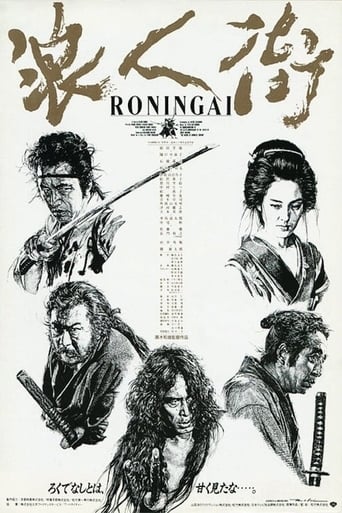
Near the end of Japanese civil war, several disgraced ronin living in Edo's red light district attempt to regain their honor by defending a brothel from a hostile militia bent on wiping out local prostitutes.
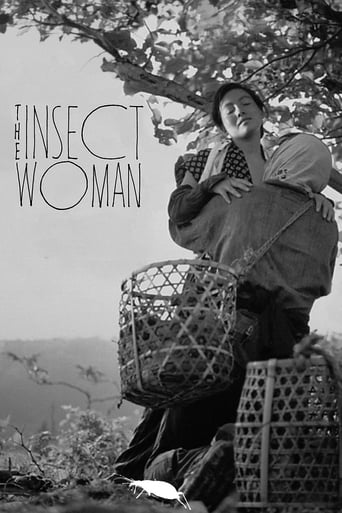
A woman, Tome, is born to a lower class family in Japan in 1918. The title refers to an insect, repeating its mistakes, as in an infinite circle. Imamura, with this metaphor, introduces the life of Tome, who keeps trying to change her poor life.
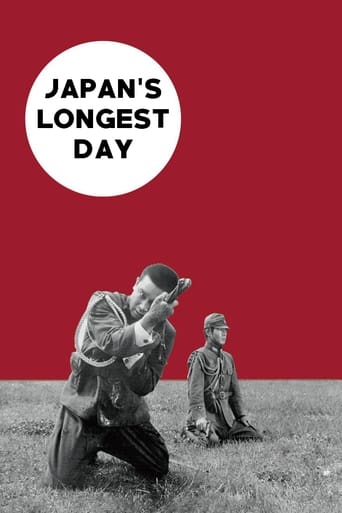
A dramatisation of the 24-hour period in which the Japanese government was deadlocked over the decision to accept or reject the Allies' demand for an unconditional surrender following the bombings of Hiroshima and Nagasaki.
A theater troupe master's visit with his old flame unintentionally sets off a chain of unexpected events with devastating consequences.
Based on the "2.26 Incident", an attempted coup d'état in Japan 1936, launched by radical ultra-nationalist parts of the military. Several leading politicians were killed and the center of Tokyo was briefly held by the insurgents before the coup was suppressed.
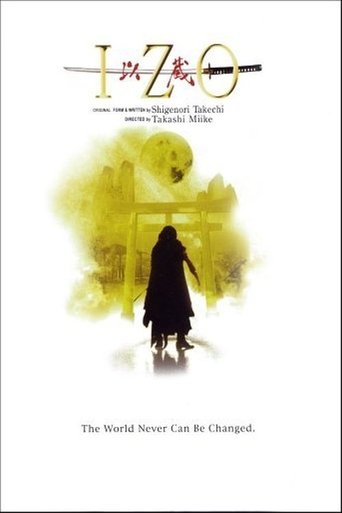
Izo is an assassin in the service of a Tosa lord and Imperial supporter. After killing dozens of the Shogun's men, Izo is captured and crucified. Instead of being extinguished, his rage propels him through the space-time continuum to present-day Tokyo. Here Izo transforms himself into a new, improved killing machine.
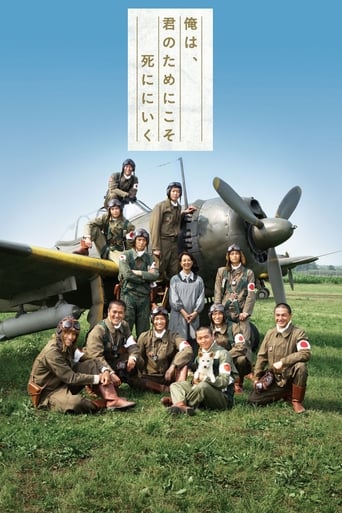
In 1943, as Japan's WWII effort falters, a vice-admiral proposes training squadrons of "volunteer" flyers to crash their armed planes into Allied warships. Yarn follows the lives of kamikaze pilots, as remembered by an aging Kyushu restaurateur who cherishes their memory. Honoring the dead and multiple military anthems may stir the soul of some Japanese, but elsewhere auds will make a one-way trip for exits. Battle scenes are well-executed and script delivers some memorable scenes, but overall competent helming and thesping are powerless over writer-cum-Tokyo governor Shintaro Ishiara's repetitive storytelling. A post-war postscript adds considerable length to an already over-extended narrative. Tech credits are good quality.
When an American is murdered in a Japanese inn, Tokyo police detective Munesue follows the trail of the killer to New York. There he is joined by a New York City detective named Shuftan and together they sort out the crime.
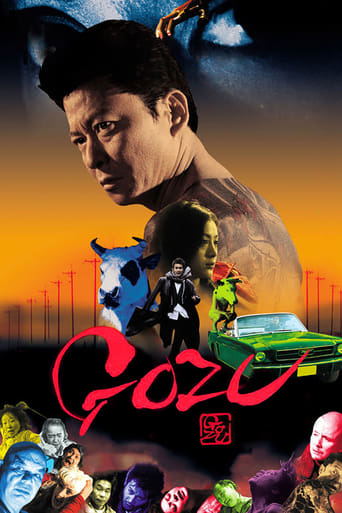
Minami mistakenly kills a gangster associate of his named Brother. Almost as soon as the murder takes place, the body of the deceased man is gone, prompting Minami to conduct a search. While looking, he finds a mysterious isolated hotel where he decides to take a rest. Not only are the front desk clerks a bit strange, but even the ambiance feels unusual. Minami soon realizes he may have gotten more than he bargained for.
In the city of Yokosuka, Kinta and his lover Haruko, both involved with yakuza, brave the post-occupation period with a goal to be together.
In the early 18th-century, Lord Takumi-no-kami Asano, feuding with Lord Kira, tries to kill his opponent in the corridors of the Shogun's palace. The Shogun sentences Asano to seppuku and deprives the palace and lands from his clan, but does not punish Kira. Asano's vassals leave the land and his samurais become ronin and want to seek revenge against the Lord's dishonour. But their leader Kuranosuke Oishi seeks to restore the Asano clan with his brother Daigaku Asano. One year later, the Shogun refuses, and Oishi and 46 rōnin are out for revenge.
In sixteenth-century Japan, Ogin, daughter of celebrated tea master Sen no Rikyū, falls in love with Ukon Takayama, a married Christian samurai. As religious persecution and the demands of a patriarchal society close in around them, Ogin struggles to claim a life and a love of her own.
A hard-hearted old woman in a bombed-out Tokyo neighborhood reluctantly takes in an abandoned boy, leading to a heartwarming bond between them.
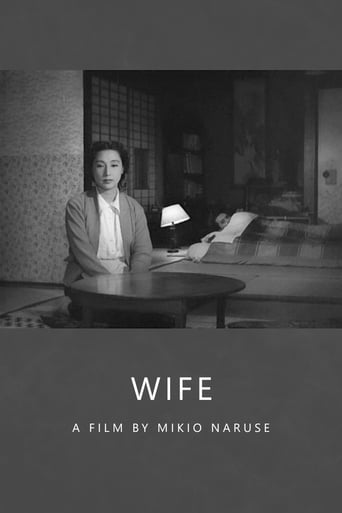
Ten years into a marriage, the wife is disappointed by the husband's lack of financial success, meaning she has to work and can't treat herself and the husband finds the wife slovenly and mean-spirited: she neither cooks not cleans particularly well and is generally disagreeable. In turn, he alternately ignores her and treats her as a servant. Neither is particularly happy, not helped by their unsatisfactory lodgers. The husband is easily seduced by an ex-colleague, a widow with a small child who needs some security, and considers leaving his wife.
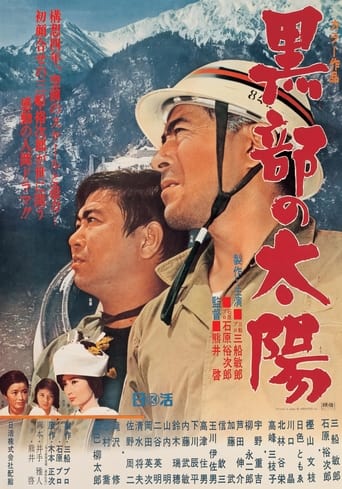
Kitagawa is an engineer charged with construction of a gigantic tunnel through the Japan Alps for the transportation of equipment in the building of the massive Kurobe Dam. The tunnel crosses an earthquake fault and Kitagawa is beleaguered not only by cave-ins and flooding, but by strife between management and the workers's union. Adding to Kitagawa's stress is the knowledge that as his attention is pulled inexorably toward the tunnel construction, his youngest daughter is dying from leukemia.
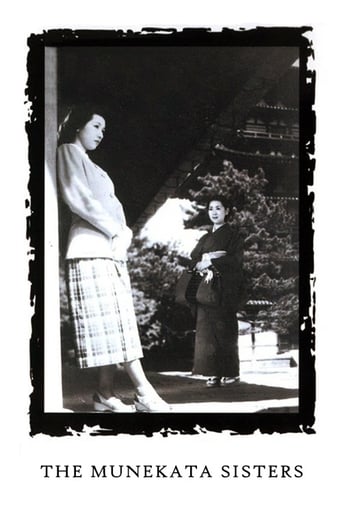
Setsuko is in an unhappy marriage to Mimura, an unemployed, alcoholic engineer. She had always been in love with Hiroshi but both failed to propose when Hiroshi left for France a few years ago. But now he's back and Mariko tries to reunite them, although she too is secretly in love with Hiroshi.
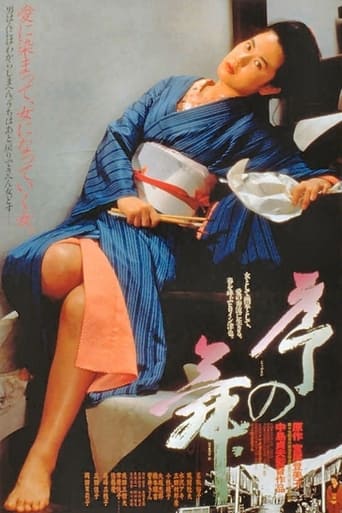
This story is based on the novel "Jo no mai" by Tomiko Miyao which is based on the life of painter Shōen Uemura (1875–1949), the first woman to be awarded the Order of Culture. The title refers to the masterpiece bijinga ("picture of a beautiful woman") that Uemura painted at the age of 61. The main character, Tsuya Shimamura, is born in Kyoto as the second daughter of a tea trader who dies before her birth. Tsuya, who loves painting more than anything and is hopeless at housework, attends art school and at age 15 receives the name Shōsui (from the characters for "pine" and "green") from her teacher. The crown prince of England purchases one of her works, propelling her to fame overnight. The novel portrays the remainder of her stormy life, during which she is impregnated by her teacher and raises a fatherless child; through it all she devotes herself to her painting, undaunted.
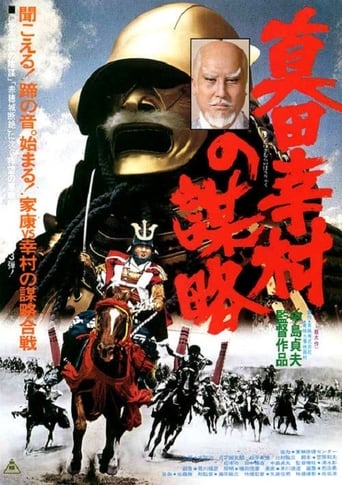
This is a film about a real person. Sanada Yukimura fought a war against Tokugawa Ieyasu.
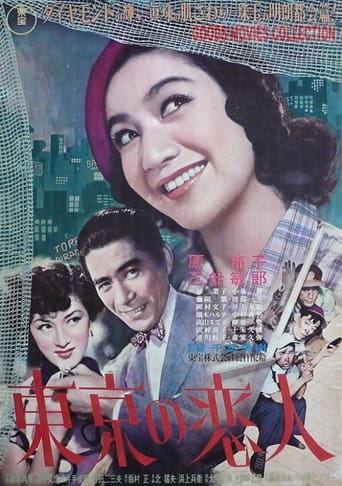
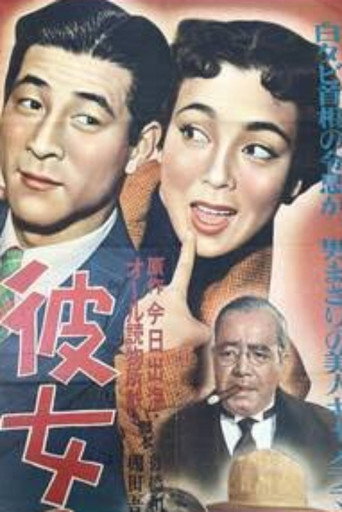
A businessman’s daughter falls in love with one of her father’s employees.
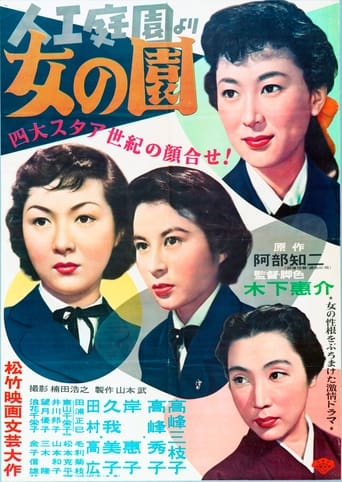
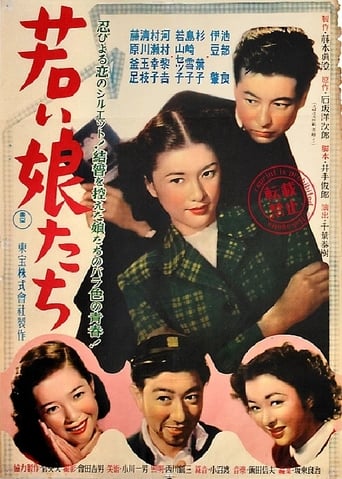
A student at a woman's university takes a controversial action against the school's old-fashioned doctrines.
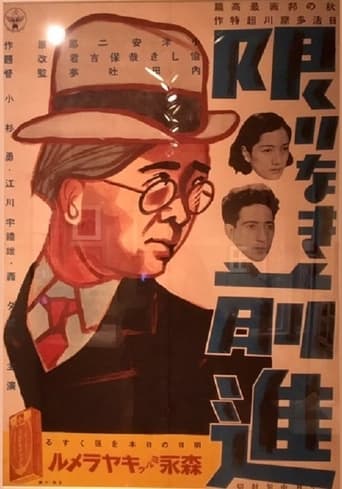
One of Uchida’s early sound films, Unending Advance is based on a curious story by Yasujiro Ozu, in which an examination of the quotidian problems of a middle-aged salaryman and his family segues into an idyllic dream of an implausible future. The surviving print, although incomplete, offers an essential glimpse into Uchida’s prewar period, when he was associated more with realist dramas than with the period films that dominated his work after the war.
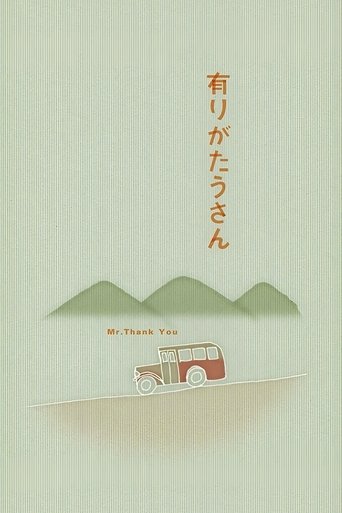
In Depression-era Japan, a courteous bus driver carries an eclectic group of passengers from the mountainous Izu to Tokyo.
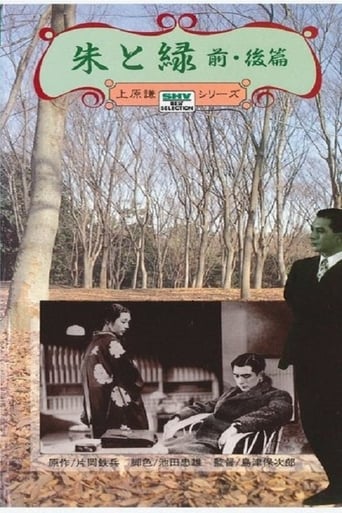
The movie follows a young woman (Kinuyo Tanaka), a daughter of a high-ranking businessman and his neglected mistress, as she struggles to ease her mother's loneliness, while also having an affair with her father's subordinate.
Based on the loosely autobiographical novel of the same name by Toko Kon. Ken Yamanouchi stars as Togo Konno, the titular bastard.
Following the Second World War, the lives of various people in a poverty-stricken area of Tokyo are entertwined. Pachinko parlor girls, shoeshine boys, a maker of costume jewelry, and a streetcorner artist all struggle to make their livings and to find happiness in difficult surroundings.
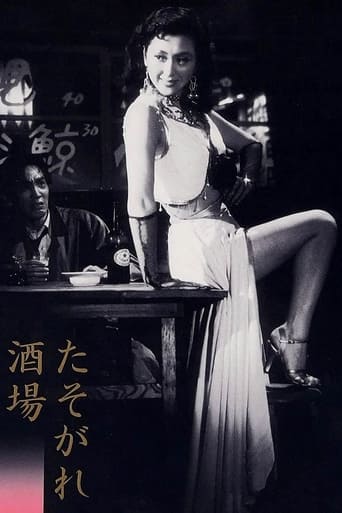
Inside a bustling postwar Tokyo beer hall, a diverse group of patrons, performers, and workers spend a single evening navigating their personal frustrations and social anxieties. A disillusioned professor, a struggling artist, and various laborers find their lives intersecting through chance encounters and heated arguments fueled by drink.
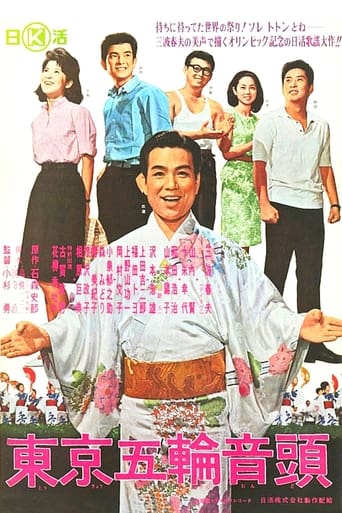
Adapted from the song " Tokyo Olympic Ondo " , which was the theme song for the 1964 Tokyo Olympics held in October 1964 . Song was composed by Masao Koga.
The young Takako Kuramoto has come to Tokyo to study and starts working for the rich Tashiro family as tutor of the daughter, Kumiko, while she receives attention from her two older brothers, Yukichi and Shinji. Meanwhile, the exact parentage of Shinji comes to light.
A former boxer gets involved with a club hostess trying to escape the clutches of her gangster employer.
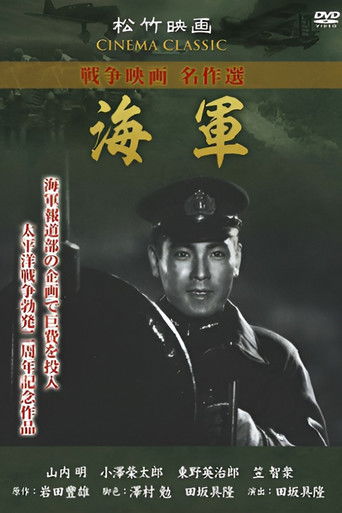
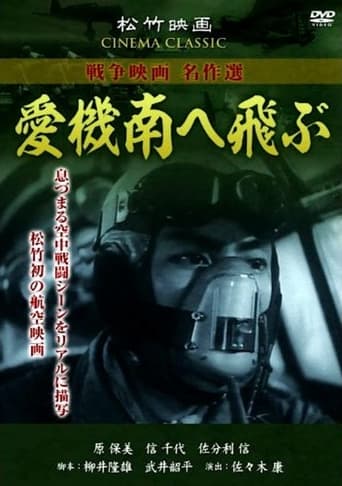
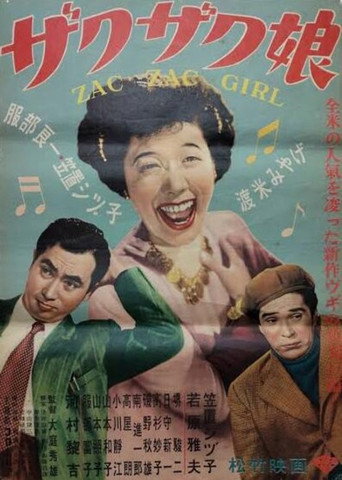
Japanese war film.
In the early 18th-century, Lord Takumi-no-kami Asano, feuding with Lord Kira, tries to kill his opponent in the corridors of the Shogun's palace. The Shogun sentences Asano to seppuku and deprives the palace and lands from his clan, but does not punish Kira. Asano's vassals leave the land and his samurais become ronin and want to seek revenge against the Lord's dishonour. But their leader Kuranosuke Oishi seeks to restore the Asano clan with his brother Daigaku Asano. One year later, the Shogun refuses, and Oishi and 46 rōnin are out for revenge.
Shares 2 cast members · Same director
The neglected common-law wife of a Japanese librarian is repeatedly harassed by a young man with a heart condition who seduces her with the prospect of a better life.
Viewers also picked
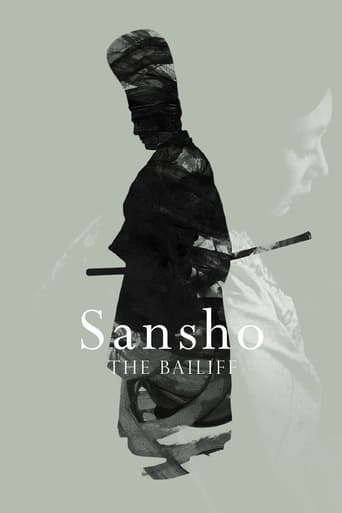
In 11th-century feudal Japan, following the exile of an idealistic governor, his wife and children are separated by slave traders; the children, Zushio and Anju, are sold into brutal servitude under the cruel bailiff Sansho.
Same director
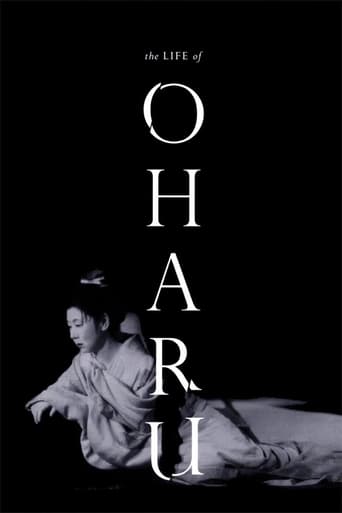
During the Edo Period, a noblewoman's banishment for her love affair with a lowly page signals the beginning of her inexorable fall.
Same director
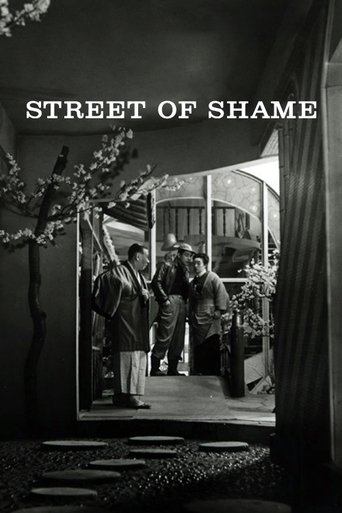
Follows five prostitutes employed at a Japanese brothel while the nation debates the passage of an anti-prostitution law.
Same director
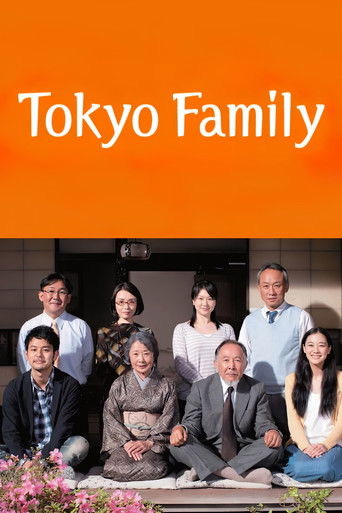
An elderly couple journey to Tokyo to visit their grown children, only to find them preoccupied and self-involved.
Viewers also picked
Gentle and broken, a homeless man fights others on video for money but soon finds comfort in an unlikely friend and the lost diary of a young girl.
Viewers also picked
A businessman’s daughter falls in love with one of her father’s employees.
Shares 2 cast members
A young couple's announcement of their engagement to their friends is followed by a series of interactions and conflicts that forces everyone to reflect on their lives.
Viewers also picked
A woman, Tome, is born to a lower class family in Japan in 1918. The title refers to an insect, repeating its mistakes, as in an infinite circle. Imamura, with this metaphor, introduces the life of Tome, who keeps trying to change her poor life.
Shares a lead actor