Beijing, 1970s. The Cultural Revolution has driven most adults to the provinces leaving 14-year-old Monkey and his pals with free rein over the city. They hang around, get up to no good, and discover that unsolvable mystery known as "girls."
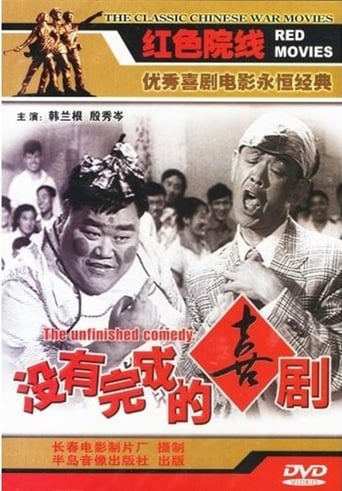
Two famous comedians from pre-Revolution days perform a series of sketches in a theatre for a group of Party cadres. The stage performances blend over into absurdist, self-contained fantasy episodes where the two comics allegorically parody Party propaganda and ideological orthodoxy.
Beijing, 1970s. The Cultural Revolution has driven most adults to the provinces leaving 14-year-old Monkey and his pals with free rein over the city. They hang around, get up to no good, and discover that unsolvable mystery known as "girls."
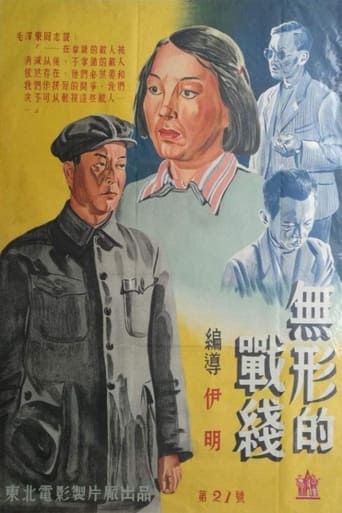
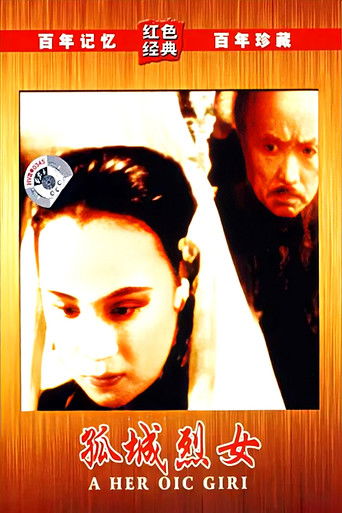
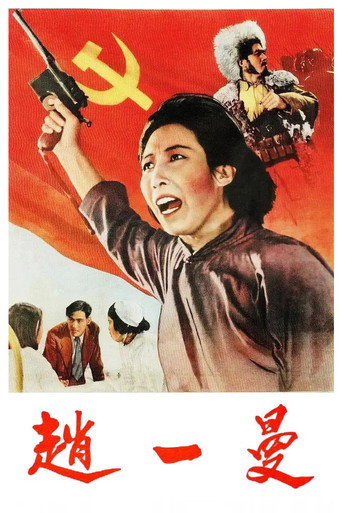
The life and death of Zhao Yi-Man, a female member of the Chinese resistance
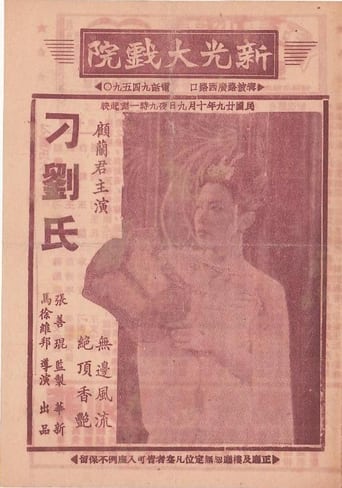
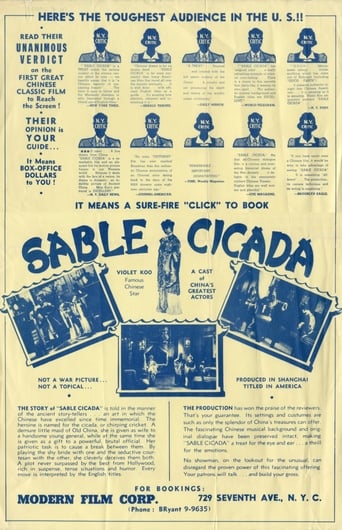
Diaochan (aka Diau Charn and Sable Cicada), one of the Four Beauties of China, is supposed to be so stunningly lovely that the moon was shamed to hide behind clouds. Despite being the only Beauty among the four who is not a real historical figure but one conjured by storytelling imagination and embellished by public fascination, her story was nonetheless incorporated by author Luo Guangzhong into his popular and influential novel Romance of the Three Kingdoms. Her tale is one of Machiavellian intrigue, in which she schemes with her godfather Wang Yun to restore moral order to the land, sowing discord between the corrupt Minister Dong Zhuo and his adopted son Lu Bu, a man of martial and military prowess.
The story was liberally adapted from a short sequence in the popular Chinese folk tale Journey to the West. Princess Iron Fan is a main character. Specifically, the film focused on the duel between the Monkey King and a vengeful princess, whose fan is desperately needed to quench the flames that surround a peasant village.
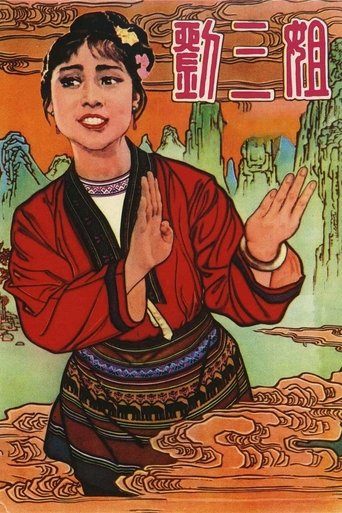
Liu Sanjie is a story that originates from the Zhuang minority people; the largest of the minority groups in China. It’s based on the legend of a woman called Liu Sanjie (literally meaning “third sister of Liu family”). Across generations, the story has become an oral tradition amongst these people and similar characters have even been found to exist in other minority cultures. According to legend, Liu Sanjie had the gift of a beautiful singing voice from a very early age. So beautiful was her voice, she could quell anger and raise the spirits of the people around her. The story became famous around China when the movie Liu Sanjie was released in 1960 – a rare musical production in Chinese cinema.
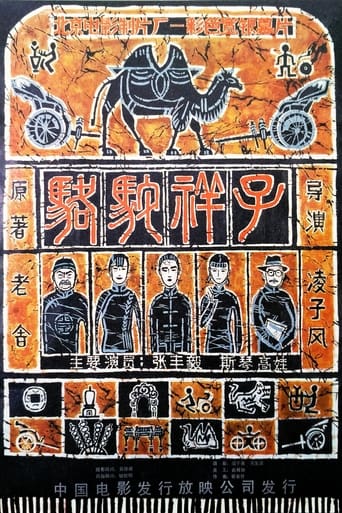
Xiang Zi is a rickshaw boy who has always had a desire to excel and a thirst for freedom. He married Hu Niu who died of dystocia later. After her death, another girl, Xiao Fuzi, falls in love with Xiang Zi but they are separated by poverty. Xiang Zi works very hard in order to change his life, only to find that Xiao Fuzi is dead just as he begins to be hopeful for their future. Finally, Xiang Zi, an unflinching man, surrenders to that dark society.
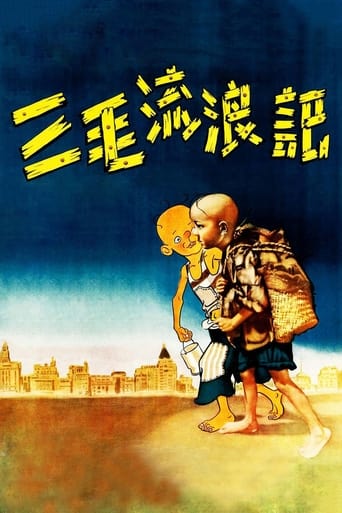
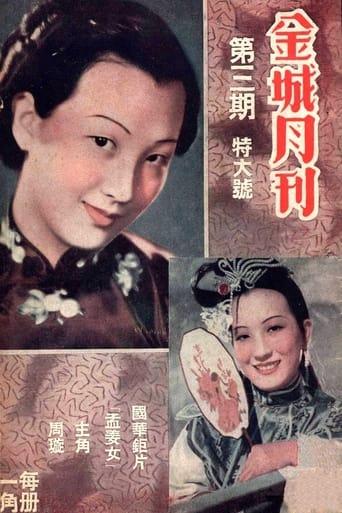
San mao (3 hairs) was a very popular Chinese comic strip first published in 1935-37, continued from 1948 into the 1990s, about a young orphan boy struggling with life in Shanghai.
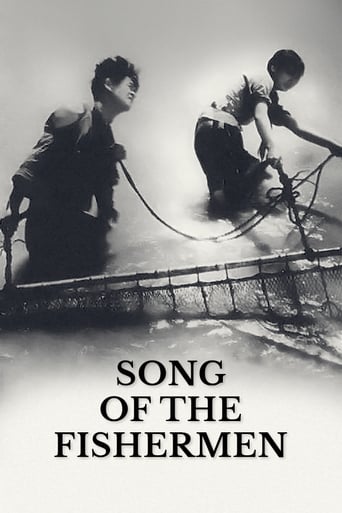
The story is about a fisherman's family living near to Shanghai. In the beginning, twin babies are born, a boy and a girl. Their growing-up is briefly sketched, and their friendship with "young master", a boy from rich family about their age.
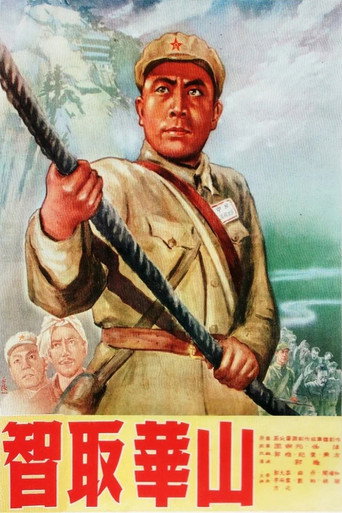
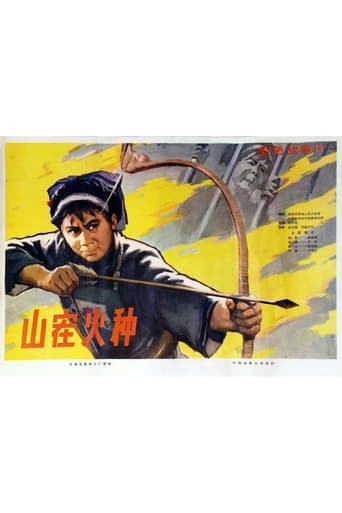
After the major campaigns, the Liberation War’s focus shifted to the northwest. Hu Zongnan retreated south, and Fang Zhiqiao led his remnants to Mount Hua, known for its rugged terrain. Fang deployed forces at key passes, but a military intelligence officer, with herbalist Chang Shenglin’s help, cut off enemy communication by reaching the North Peak. A political offensive led to the surrender of the enemy at Qianshi Zhuang, controlling all passages between the North and West Peaks. Trapped, Fang Zhiqiao’s troops, with shattered morale, launched a futile counterattack, leading to his despairing lament.
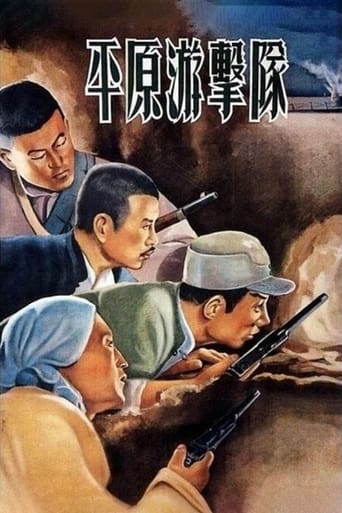
Blood on Wolf Mountain tells the story of a village that is beset by a pack of wolves. Made just prior to the commencement of full-scale war with the Japanese, the film itself is often considered an allegory of conflict between China and Japan.
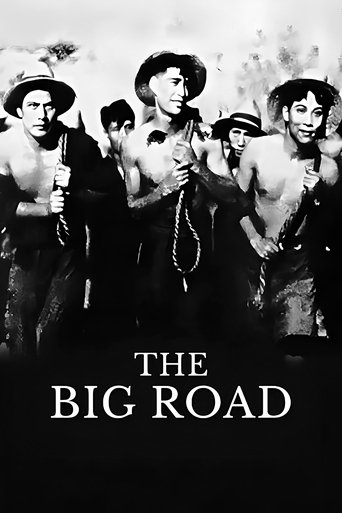
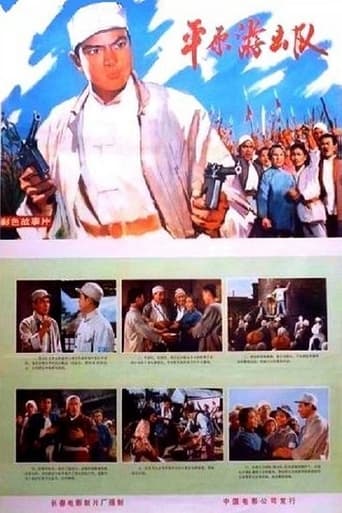
Six young men from the city take jobs building roads for the Chinese Army
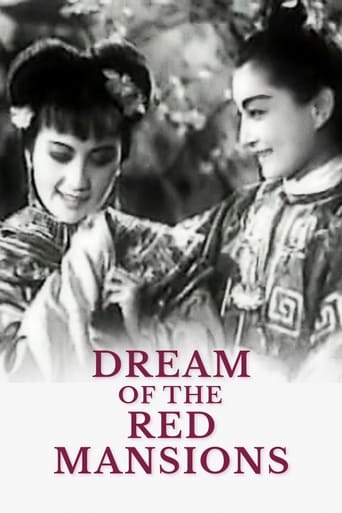
Based on the famous 18th century Chinese novel with the same name. Set during the 1700s in China, a prominent family loses its good luck when one of the sons loses the jade chip that was embedded in his mouth.
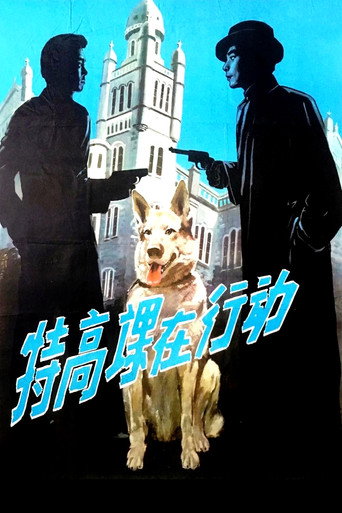
Set in the days of Anti-Japanese War. Doctors of Humanity Hospital save a wounded patriot, but the event is informed to Japanese secret service. How can the wounded be rescued finally?
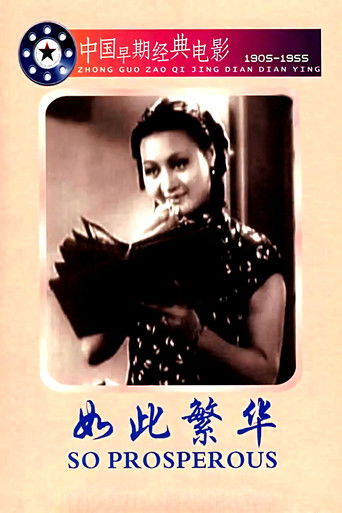
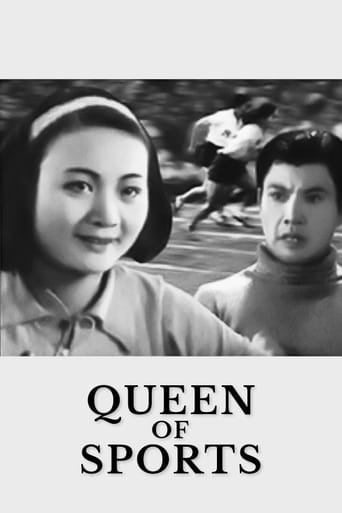
Young sprinter Lin Ying enrolls in a sports college in Shanghai. As she becomes a sports celebrity, she starts to mangle with the upper class and has gradually forgotten the true essence of sports.
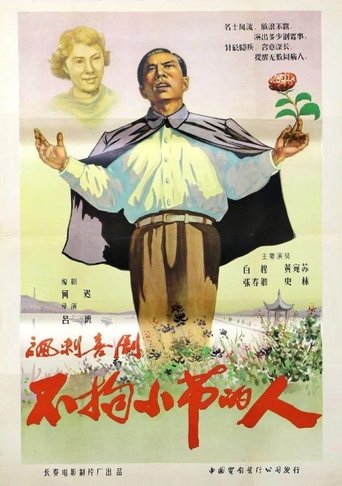
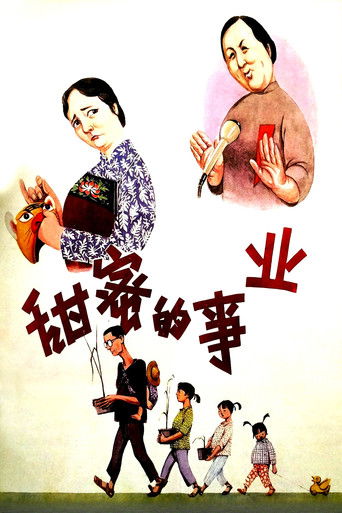
Lu Ban's second short titled The Man Who Doesn’t Bother about Trifles (不拘小节的人 bùjū xiǎojié de rén). He carefully toned down the political satire here, switching his target to intellectuals instead of bureaucrats. The main character, Li Shaobai, is a rude literary critic who goes to a conference to lecture about satirical literature. Li is absolutely full of himself, and constantly misunderstands other people. Like Before the New Director Arrives, The Man Who Doesn’t Bother about Trifles was greeted with plenty of positive responses. Still, while Lu tried to be more careful with this second short, this didn’t stop some critics from taking issue with its ridiculous main character and humor.
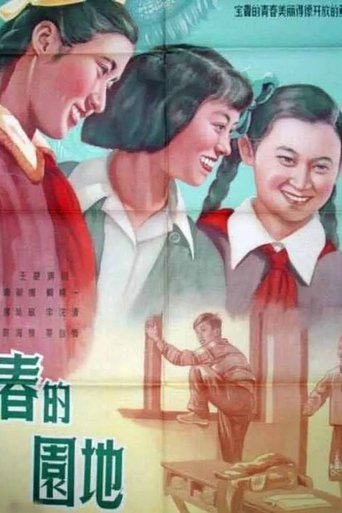
A group of eighth-grade boys and girls set themselves the goal of greening the vacant lot adjacent to their school and turning it into a blooming garden. At first, they thought it would be extremely easy to achieve this goal. But then there were those who argued that the garden only required physical strength (so wouldn't it be easier to hire workers?) and that schoolchildren should not be distracted from their classes, especially since many of them were falling behind. The enthusiastic gardeners did not give up. They took the weaker students under their wing. Much more was needed—special knowledge, teamwork skills, and perseverance—before the eighth graders were able to ceremoniously present the school with the first bouquets of flowers from their plot.
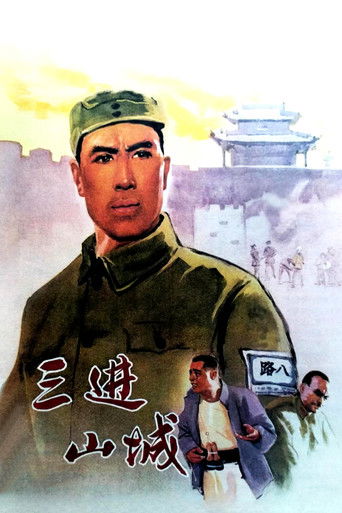
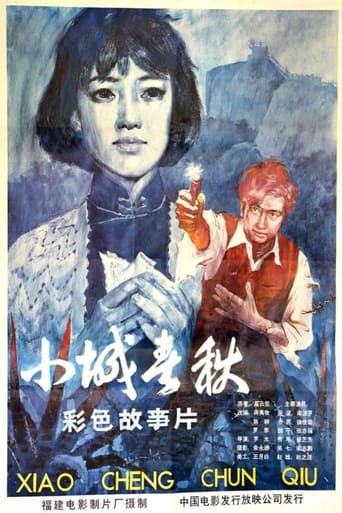
In 1948, after the Northeast was liberated, enemy sabotage began. The Public Security Bureau learned that spy Li Tianmin had infiltrated the city. Bureau chief and Captain Zhang quickly deployed personnel to capture him. Li Tianmin evaded key questions during interrogation. Clues were found on a milk bottle cap delivered by a boy, who passed it to another spy, Zhou Shaomei. Under surveillance, Zhou Shaomei, fearing Li Tianmin’s capture, killed the boy to erase evidence. Intelligence personnel mobilised the masses, pressuring the hidden enemies. Many deceived individuals provided clues, ensnaring the enemies in the people’s war.
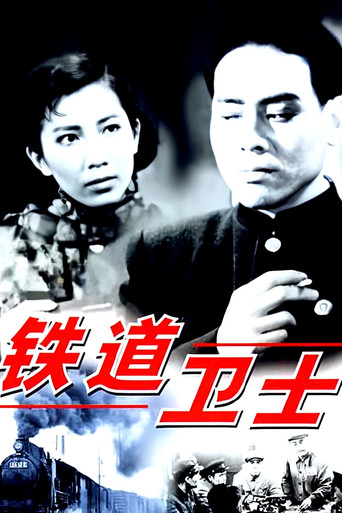
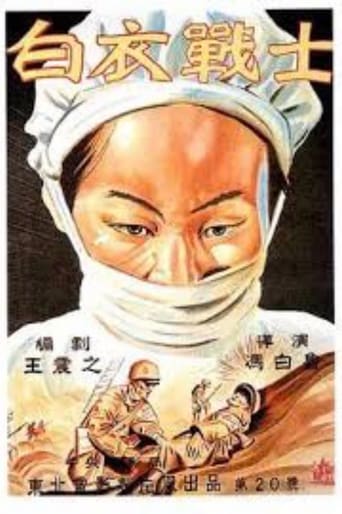
A heroic People's Liberation Army nurse continues caring for wounded and getting them safely to hospital even though she has been wounded.
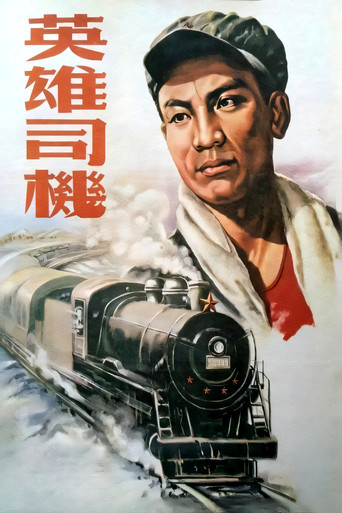
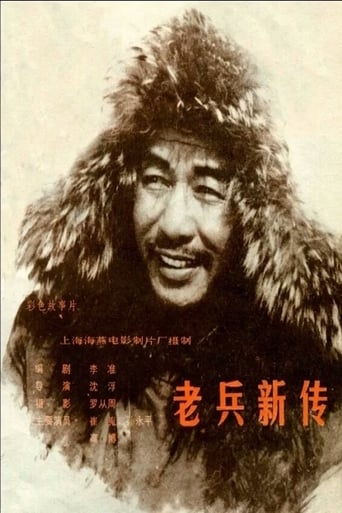
A soldier finds his new role in the transition from war time to the construction era.
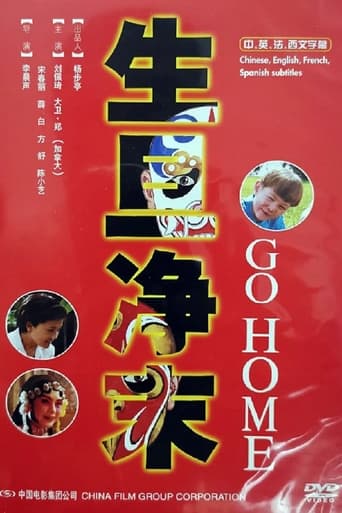
Go Home tells the story of an old Peking Opera master, Zhang Jin He (Liu Pei Qi of The Story of Qiu Ju), whose life changes when a young boy shows up on his doorstep. With blue eyes and vaguely foreign features, the boy is apparently the product of a mixed upbringing, and though the boy doesn't realize it, Zhang Jin He is his grandfather! Zhang Jin He initially tells the boy to go home because the boy brings him a painful reminder of his daughter, who left him to marry a foreigner. Still, others convince the aging Perking Opera master to take in the boy, and though they fight initially, the two eventually form a strong, quiet bond. But when the boy is called home, will either be willing to let go? Director Li Chen Sheng uses gorgeous cinematography and evocative locations in modern China to bring the subtle intimacy of Go Home to the screen.
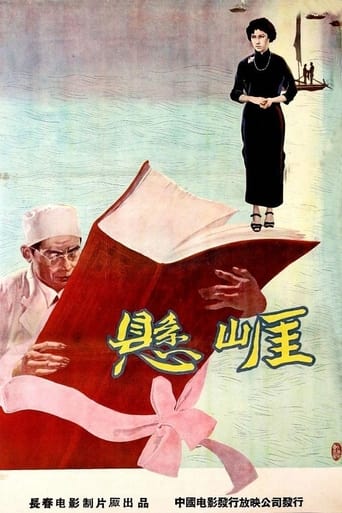
Lu Ban's second short titled The Man Who Doesn’t Bother about Trifles (不拘小节的人 bùjū xiǎojié de rén). He carefully toned down the political satire here, switching his target to intellectuals instead of bureaucrats. The main character, Li Shaobai, is a rude literary critic who goes to a conference to lecture about satirical literature. Li is absolutely full of himself, and constantly misunderstands other people. Like Before the New Director Arrives, The Man Who Doesn’t Bother about Trifles was greeted with plenty of positive responses. Still, while Lu tried to be more careful with this second short, this didn’t stop some critics from taking issue with its ridiculous main character and humor.
Shares 2 cast members · Same director
In 1948, after the Northeast was liberated, enemy sabotage began. The Public Security Bureau learned that spy Li Tianmin had infiltrated the city. Bureau chief and Captain Zhang quickly deployed personnel to capture him. Li Tianmin evaded key questions during interrogation. Clues were found on a milk bottle cap delivered by a boy, who passed it to another spy, Zhou Shaomei. Under surveillance, Zhou Shaomei, fearing Li Tianmin’s capture, killed the boy to erase evidence. Intelligence personnel mobilised the masses, pressuring the hidden enemies. Many deceived individuals provided clues, ensnaring the enemies in the people’s war.
Shares a lead actor · Same director
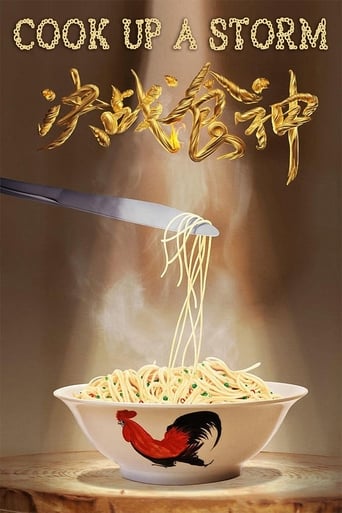
An international culinary competition becomes a battleground between rival cooks, one famous for his Cantonese street food and the other a Michelin-starred chef trained in France. But their rivalry takes an unexpected turn when they discover a common foe and combine their skills in a fusion of East and West.
Viewers also picked
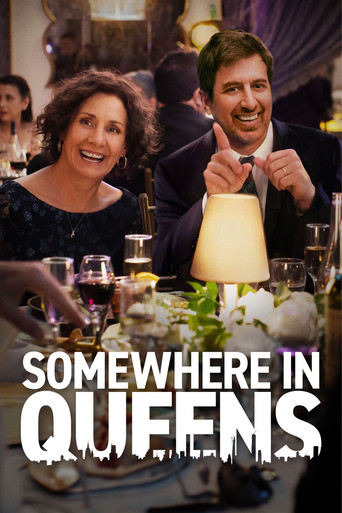
Leo and Angela Russo live a simple life in Queens, surrounded by their overbearing Italian-American family. When their son finds success on his high school basketball team, Leo tears the family apart trying to make it happen.
Viewers also picked
A wheelchair-bound singer and her best friend embark on a roadtrip to Memphis.
Viewers also picked
Shares a lead actor · Same director
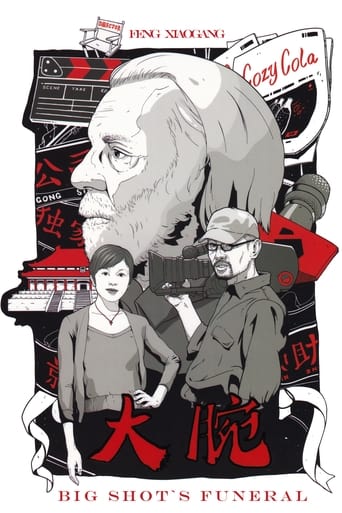
Don Tyler, a famous film-maker, falls ill on the sets of his movie. Fascinated by the funereal traditions of China, he requests a cameraman named Yoyo to arrange a grand, comedic funeral for him.
Viewers also picked
Bailey and Darla embark upon a misguided and mutually deceitful form of therapy, one in which they must drive across the country, re-enacting Darla's colorful history as a sex addict. As their true motivations for the road trip come to light, the unlikely pair force one another to confront their issues, discovering that there might actually be more to love than just sex.
Viewers also picked
When a group of old college friends reunite over a long weekend after one of them attempts suicide, old crushes and resentments shine light on their life decisions, and ultimately push friendships and relationships to the brink.
Viewers also picked
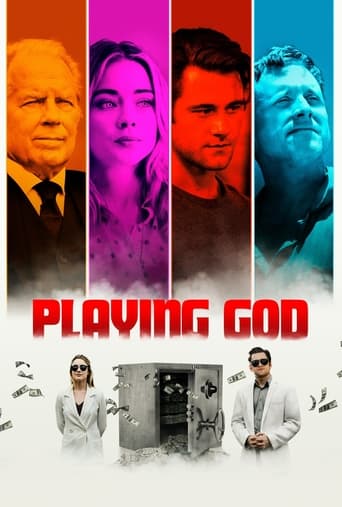
A brother and sister con-artist duo find themselves scamming a grieving billionaire by convincing him they can introduce him to God, face-to-face.
Viewers also picked