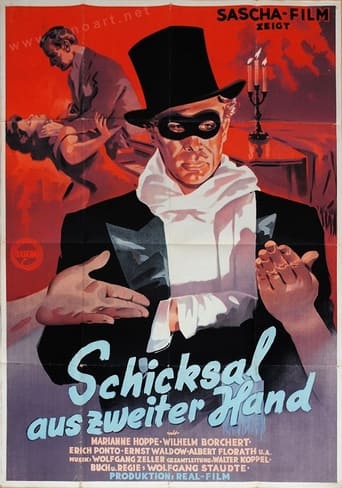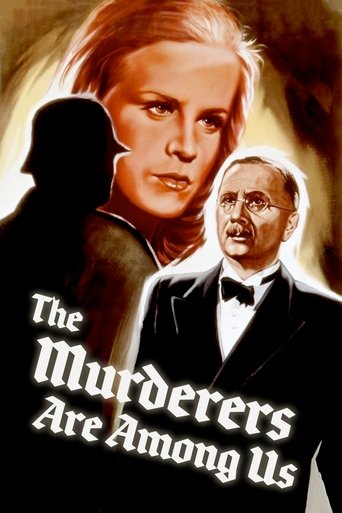
After returning from a concentration camp, Susanne finds a traumatized ex-soldier living in her apartment in bombed out Berlin. Together the two try to move past their experiences during WWII.
In 1948, students from Berlin University take part in the filming of a movie about the 1848 revolution as extras. A dispute arises between Else and Heinz, who tends to dismiss the revolution as a comical affair. Two fiercely opposing camps form at the university. But Heinz begins to reflect, and reading about a young student who lost his life in the turbulent days a hundred years earlier slowly changes his attitude. The conclusion of the filming at the Wartburg also reunites him with Else.
After returning from a concentration camp, Susanne finds a traumatized ex-soldier living in her apartment in bombed out Berlin. Together the two try to move past their experiences during WWII.
Tenor Mario Monti is searching for his wife Bianca's daughter, who is believed to be dead. Before Mario, Bianca was married to Carlo Scarpia, Mario's patron. When Carlo discovered that his wife and Mario were having an affair, he left them both and, as he was leaving, told Bianca that their daughter Mary had died. In reality, she grew up without knowing her real parents. Mario tracks Mary down in Munich, where she works as a ballerina at the State Opera.
In the winter of 1943, against the background of battle scenes, a young German Lieutenant who increasingly distrusts the inhuman Nazi ideology struggles with the concept of war.
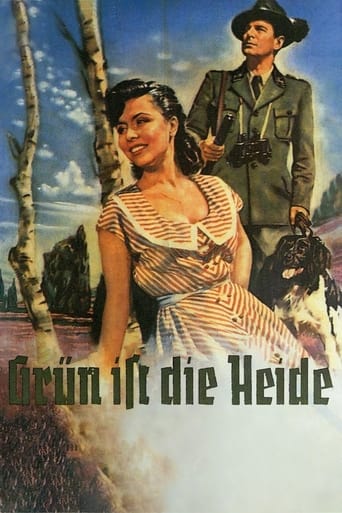
After the end of World War II Lüder Lüdersen, the former owner of a feudal estate in the East, and his daughter Helga arrive as refugees in the Lüneburg Heath. While living a seemingly happy life on the estate of his cousin, Lüdersen hides a dark secret: he is a poacher.
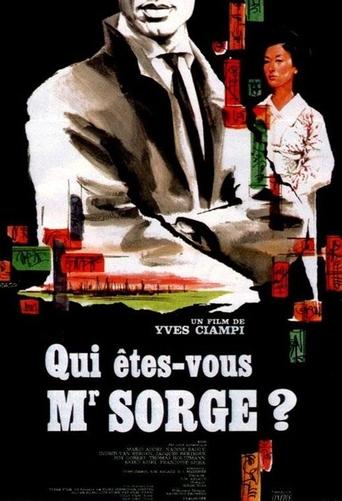
French docu-drama which chronicles the chain of events that lead to the hanging of German-journalist Richard Sorge, who was executed in 1944 after he was found supplying classified information to the Russians.
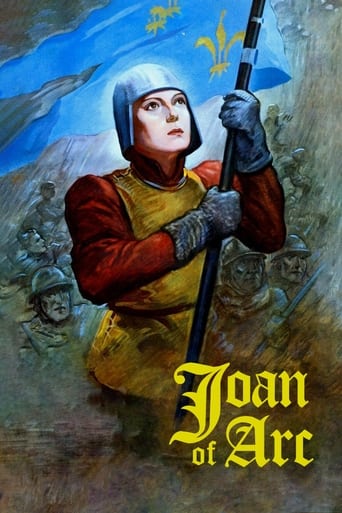
France in the 15th Century: The country is marked by the wars with England and internal power struggles. King Charles sees himself powerless against the state. As emerges from the people suddenly a young woman named Johanna, who claimed that the Archangel Gabriel to be appointed, to save France. First of all doubt the king in their words, but he remembers that the people through this "help of God" is gaining new courage. With the slogan "God and the Virgin!" pulls the revivified victorious army into battle against the English-Burgundian alliance. After Johanna King Charles is crowned at Reims, there breaks the plague over the country in. Now Johanna all the blame on the disaster: God would punish believe in the country for that a heretic; if Johanna were actual a holy, she would deal also with the plague. The waning faith weakens France, England is again on the rise. But Johanna is executed as a witch. Only years later annulled the verdict of the Holy and Johanna explained.
This is the tear-jerking love story between young Pamela and casino owner Mayrhoefer.
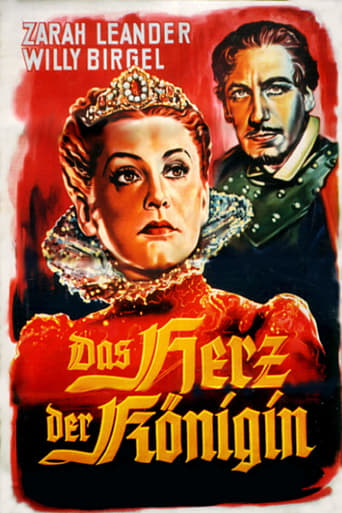
As the title "The Queen's Heart" suggests, this early German black and white version of Mary Queen of Scott's eventful reign and death focuses on her emotional perception rather lyrically, with some songs, mainly by her.
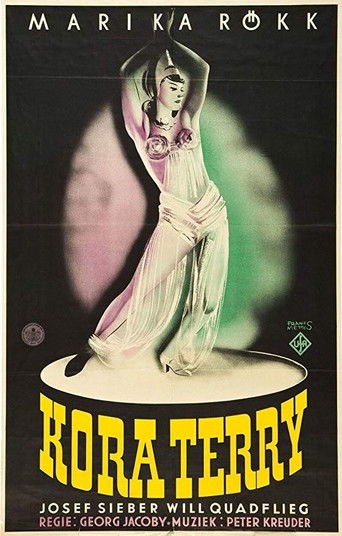
When Bartos, the director of the Odeon variety theater, cancels an artist at short notice, he hires the Terrys out of necessity, whose parents were successful variety artists, but who had not yet received an engagement themselves. Both are supported by Tobs, a friend of their parents. While blonde Mara Terry arrives punctually for the first rehearsal, her dark-haired sister Kora is late like a diva and acts aloof and snippy. At their first performance together the next day, Kora is overtired from partying the night before. During a dangerous act in which she has to balance her upside-down sister on her head, she becomes careless...
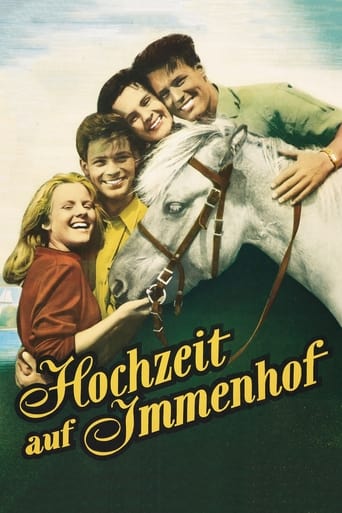
The Immenhof has been closed by officials, awaiting auction. In the meantime, Angela has died, so Jochen is now a widower. Oma Jantzen and Angela's younger sisters Dick and Dalli live with him in the forester's house. In order to save the manor house, Dalli has started a "pony circus" with the village children in the barn, while Dick has given up hope of Ethelbert ever returning.
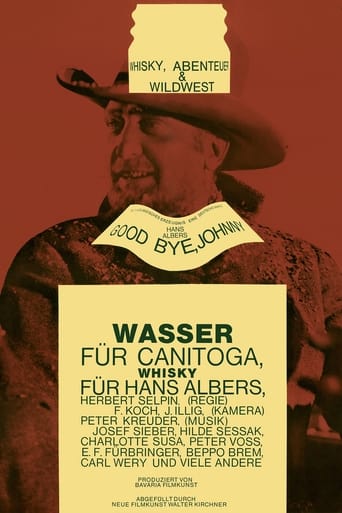
In the spring of 1905, the water conduit project in the Canadian city of Canitoga is set to be completed. For years, the completion had been marred by sabotage. Engineer Oliver Montstuart commands the last blasting operation. But again, the explosive charge is too large and thus, further construction is forestalled again. When Montstuart confronts foreman Westbrook, the foreman threatens him with a knife. In self-defence, Montstuart shoots him. Now, he has to flee.
About the power of love and that love is such a strong force that humans are willing to commit the most ruthless acts to achieve it. And the one who loses in the game of love, can die as a result of it. This is how love is, according to "Furioso".
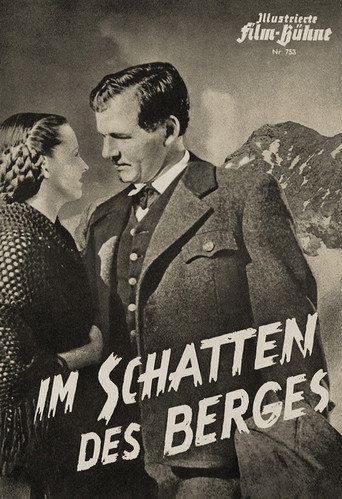
In a village near a deadly mountain ascent the people repeatedly have to help climbers in danger who didn't make it to the top, in fact nobody made it yet up there. Hansi Knoteck can't stand anymore the danger after a member of the rescue party dies and demands from Attila Hörbiger that he steps back from participating in his rescue efforts. Finally he relents but the villagers ostracize them. In the meantime Winnie Markus tries to seduce Richard Häußler who makes the life for his wife Viktoria von Ballasko a hell through his infidelities.
A man's life breaks down in pursuit of material success.
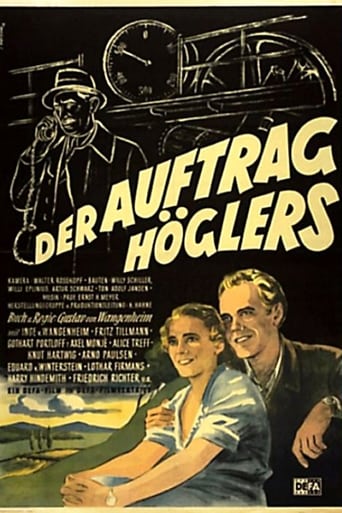
The Luisin ridge is divided not only by the river, but also by the zone boundary. The old CEO Högler still lives in the west, the eastern part has been expropriated and is managed by the chief engineer Dr. Tellen. He is working on a new steel production process that Högler absolutely needs. Högler's means to achieve his goal are bribery, espionage and slander. Trade union member Maria Steinitz almost becomes a victim of slander. However, the intrigue is exposed and Hogler's criminal intentions are thwarted. At a large production meeting, the old people's controller Hufland exposes the true culprits. Maria and Fritz Rottmann, a trade unionist from Munich, who have known each other since the days of the anti-fascist resistance, embrace each other.
The film follows the life story of Johann Augustus Suter, the owner of Sutter's Mill, famous as the birthplace of the great California Gold Rush of 1848.
Country Dr. Robert Koch is desperate: a tuberculosis epidemic is decimating the children in his district and no one is able to do anything about it. Every fourth child is already sick and the parents must helplessly watch as their young ones die. Now Koch is undertaking to find the cause of the tuberculosis --- something he has already been working on for years --- which has been causing this plague of illness. His work is made more difficult by envy; for example, that of his teacher, who was wounded defending his honor. But his greatest obstacle is the famous Berliner scientist and Reichstag deputy, Privy Councilor Rudolf Virchow: He is extraordinarily skeptical of Koch's theory, that the cause for tuberculosis is a bacteria.
Young Olga Ahrendt almost succeeded in attempting suicide. She had thrown herself in front of a tram out of desperation about her miserable life, a desperation she shared with many in the post-war period. Fortunately, Privy Councillor Sauerbruch is at the scene of the incident, ordering her to be admitted to his clinic after a brief examination. Sauerbruch works both as a university lecturer and as a surgeon, a famous doctor who not only helps his patients physically but also gives them spiritual comfort. After he has taken Olga Ahrendt to his hospital, he discovers during an examination that her suicide attempt is due to a serious physical illness. He intensively takes care of her without forgetting about his other patients, to whom he can give a new will to live, even if only through a small story. And he will also treat Olga Ahrendt successfully...
The drama of a youthful triangle among gang leader Freddy, his brother Jan, and bad girl Cissy, in one of the first considerations of juvenile delinquency in post-war West Germany.
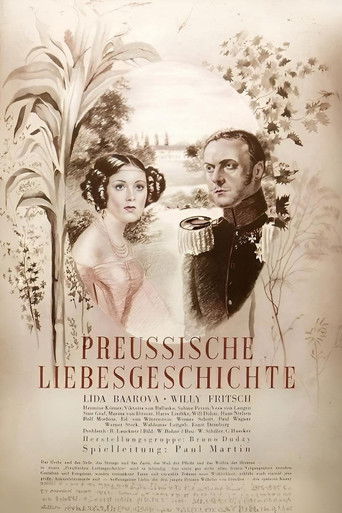
The film depicts the love affair between William I and Elisa Radziwill.
When they start losing family members and neighbors due to WWII and the Nazi government's policies, a quiet married couple becomes disillusioned and begins spreading leaflets against the government - a crime punishable by death.
1933 year, Germany. The mother of worker kill nazis organizes pure resistance against political tyranny reigning in a country.
The Luisin ridge is divided not only by the river, but also by the zone boundary. The old CEO Högler still lives in the west, the eastern part has been expropriated and is managed by the chief engineer Dr. Tellen. He is working on a new steel production process that Högler absolutely needs. Högler's means to achieve his goal are bribery, espionage and slander. Trade union member Maria Steinitz almost becomes a victim of slander. However, the intrigue is exposed and Hogler's criminal intentions are thwarted. At a large production meeting, the old people's controller Hufland exposes the true culprits. Maria and Fritz Rottmann, a trade unionist from Munich, who have known each other since the days of the anti-fascist resistance, embrace each other.
Shares a lead actor · Same director
Set in a warm summer in 1990 in former East Germany, it follows a young woman who begins a relationship with a charismatic farmer who is twice her age.
Viewers also picked
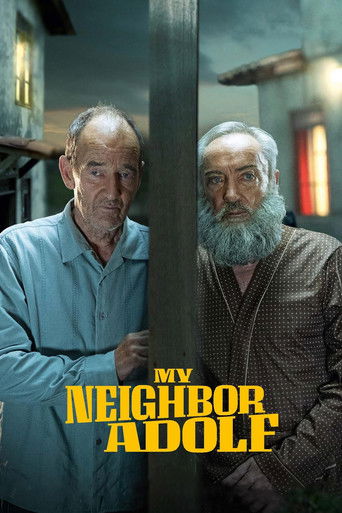
South America, 1960. A lonely and grumpy Holocaust survivor convinces himself that his new neighbor is none other than Adolf Hitler. Not being taken seriously, he starts an independent investigation to prove his claim, but when the evidence still appears to be inconclusive, Polsky is forced to engage in a relationship with the enemy in order to obtain irrefutable proof.
Viewers also picked
Young teen girl Xiu Xiu is sent away to a remote corner of the Sichuan steppes for manual labor in 1975 (sending young people to there was a part of Cultural Revolution in China). A year later, she agrees to go to even more remote spot with a Tibetan saddle tramp Lao Jin to learn horse herding.
Viewers also picked
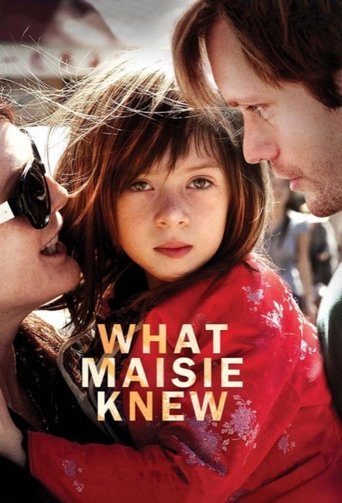
In New York City, a young girl is caught in the middle of her parents' bitter custody battle.
Viewers also picked
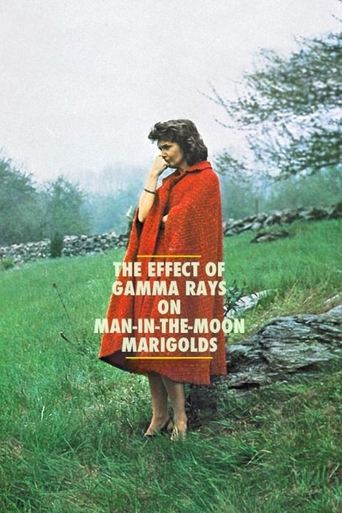
Middle-aged widow Beatrice Hunsdorfer and her daughters Ruth and Matilda are struggling to survive in a society they barely understand. Beatrice dreams of opening an elegant tea room but does not have the wherewithal to achieve her lofty goal. Epileptic Ruth is a rebellious adolescent, while shy but highly intelligent and idealistic Matilda seeks solace in her pets and school projects, including one designed to show how small amounts of radium affect marigolds.
Viewers also picked
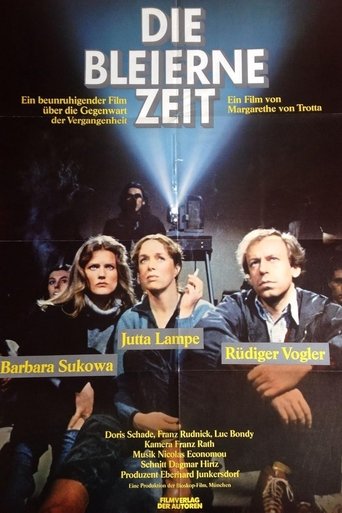
Germany, 1968: The priest's daughters Marianna and Juliane both fight for changes in society, like making abortion legal. However their means are totally different: while Juliane's committed as a reporter, her sister joins a terroristic organization. After she's caught by the police and put into isolation jail, Juliane remains as her last connection to the rest of the world. Although she doesn't accept her sister's arguments and her boyfriend Wolfgang doesn't want her to, Juliane keeps on helping her sister. She begins to question the way her sister is treated.
Viewers also picked
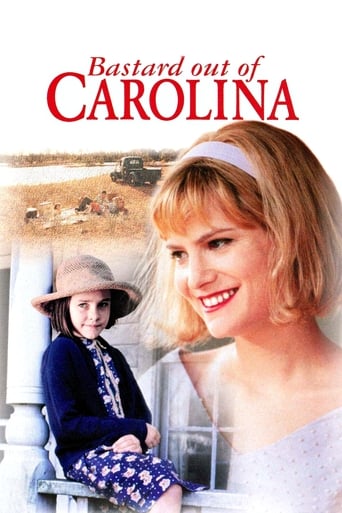
A poor, struggling South Carolinian mother and daughter face painful choices with their resolve and pride. Bone, the eldest daughter, and Anney her tired mother, grow both closer and farther apart: Anney sees Glen as her last chance.
Viewers also picked
Based on the true story of a black girl who was born to two white Afrikaner parents in South Africa during the apartheid era.
Viewers also picked
A Yenish boy is placed in a mental hospital and experiences the Nazi euthanasia program. Aware of what was happening and attached to friends, the lad attempts to sabotage the program. The film addresses the complexities of the program director, the lives of the child victims, and the struggles of the child protagonist. More than five thousand children died in the Nazi euthanasia program.
Viewers also picked