Skip to content
The Story of Dida Ibsen poster
Recommendations based on

The Story of Dida Ibsen

1918 Movie Drama

Dida Ibsen, daughter of impoverished farmers, has, according to her father's will, to marry the main creditor. But she refuses and decides to live with a married man as a mistress, till he gets his divorce. In the town she opens a restaurant with the money of her wealthy lover, from whom she soon gets pregnant, but their dreams of marriage fail, his wife refuses the divorce. After a while, she decides to marry one of the regular guests at her restaurant, van Galen, who spent quite some time in the tropics and because of this is at the brink of madness. Shortly after the marriage his condition worsens and life becomes hell for Dida.

Same cast & genre

28 Shares actors and at least one genre with this title
Journey into the Night poster
6.1 FILM

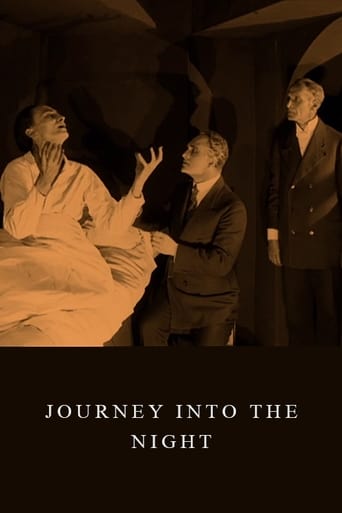
Dr. Egil Börne, an eminent physician, comes under the spell of an unscrupulous cabaret dancer and deserts his fiancée. The plot finds echoes throughout the Weimar period, including Sternberg’s The Blue Angel. Conrad Veidt appears in a supporting role as a sinister blind painter, whose entrance eerily presages Murnau’s Nosferatu. Der Gang in die Nacht, the earliest surviving film by F. W. Murnau, is also, paradoxically, the only Murnau film for which the original camera negative exists.

Journey into the Night

1921 Drama
Der Schädel der Pharaonentochter poster
FILM

A pharaonic tragedy to the content that spans six different eras. In the first episode, the emergence and dramatic end of the love story between the pharaoh's daughter Princess Amnertis and her beloved Tirhaka is told until the latter comes to a violent death. From this drama arises a curse, which in the following episodes has had far-reaching effects over the centuries. Everyone who possesses the skull of the long-lost pharaoh's daughter must die violently until the day the skull is sunk in the sea.

Der Schädel der Pharaonentochter

1920 Drama

Closely Ranked

10 Ranked across franchise, crew, cast, themes, genre, era and audience scores