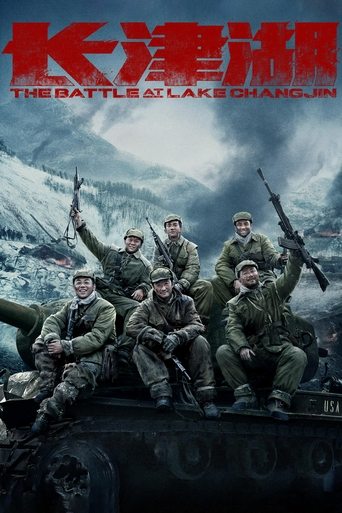
Korean War, winter 1950. In the frozen and snowy area of Changjin Lake, a bloody battle is about to begin between the elite troops of the United States and China.
In the early days of the founding of the People's Republic of China in 1949, New China was faced with "internal and external troubles". Since the outbreak of the Korean Civil War, the U.S. military has repeatedly provoked the border between China and North Korea, and civilians have been brutally bombed. In order to maintain the hard-won peace and long-term stability for generations, in October 1950, the Chinese People's Volunteers entered North Korea, and the "Resist US Aid Korea" war kicked off.
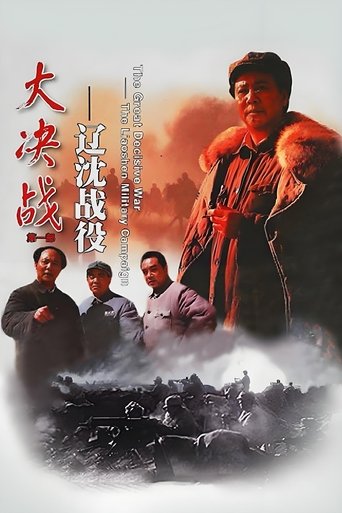
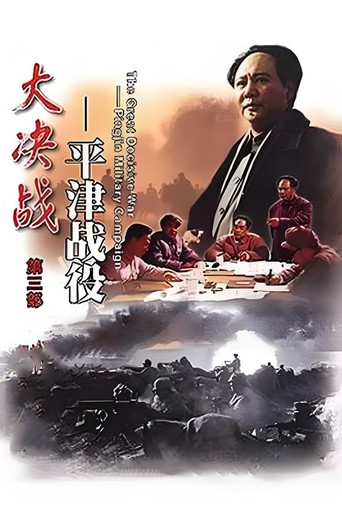
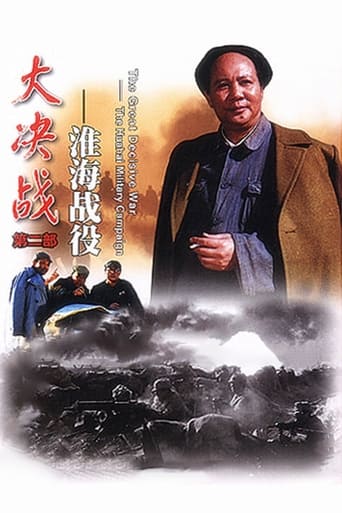
First part of the Decisive Engagement trilogy. Directed by Pingfen Li et al.
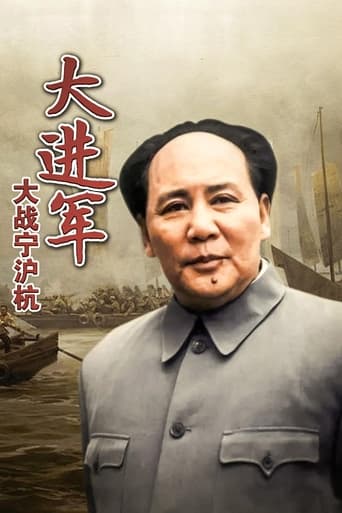
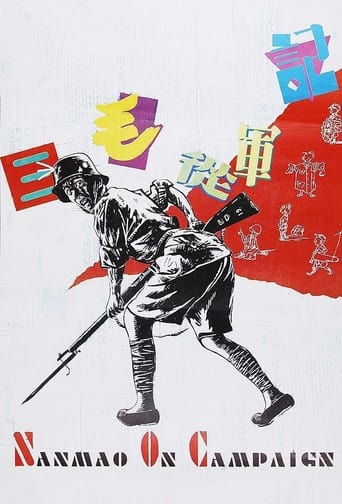
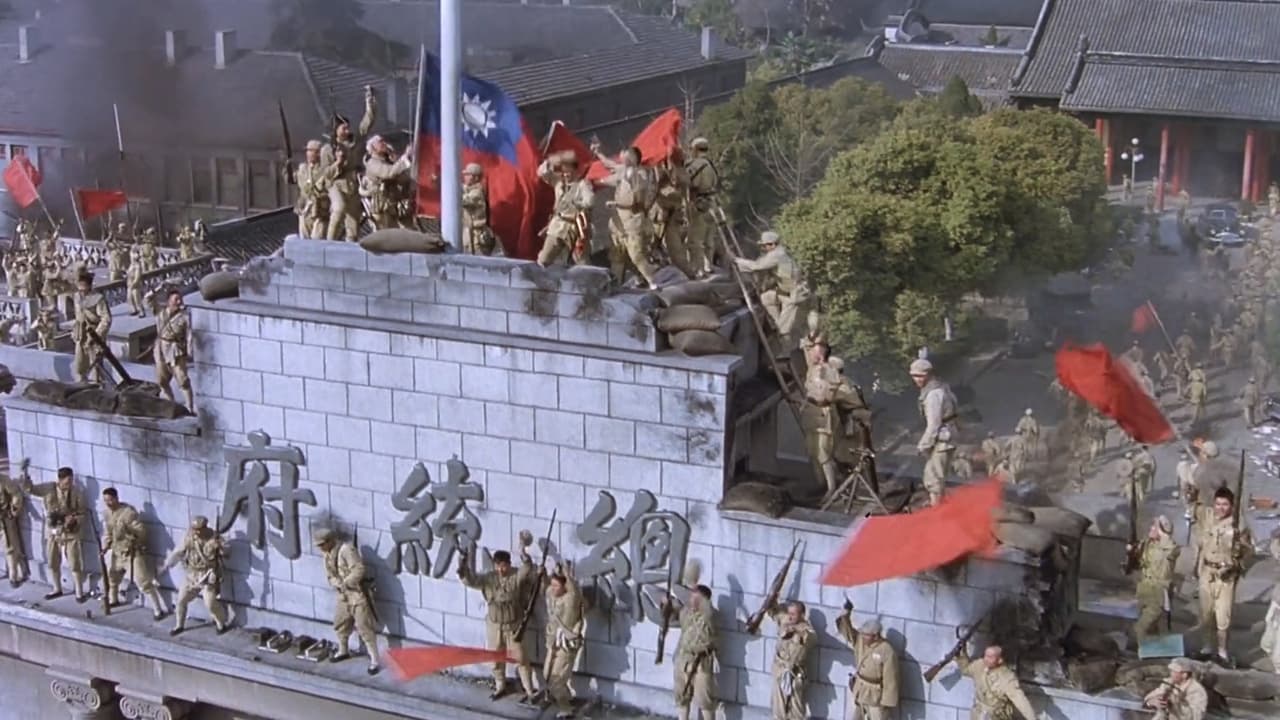
In 1937, after the Marco Polo Bridge Incident, the Second Sino-Japanese War breaks out. San Mao, a wandering orphan, joins the army to participate in the Battle of Shanghai.
Winner of the Golden Rooster for Best Film in 1992
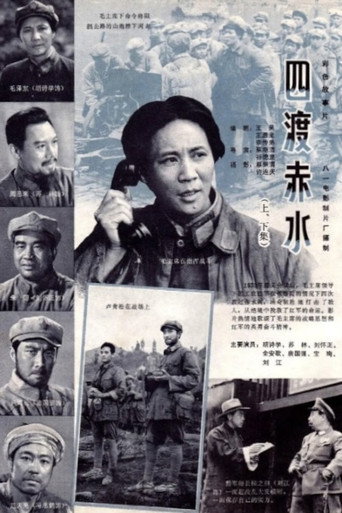
The Red Army and Nationalist forces battle over the Chishui River in 1935.
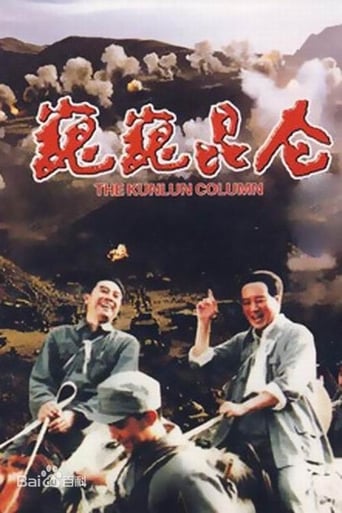
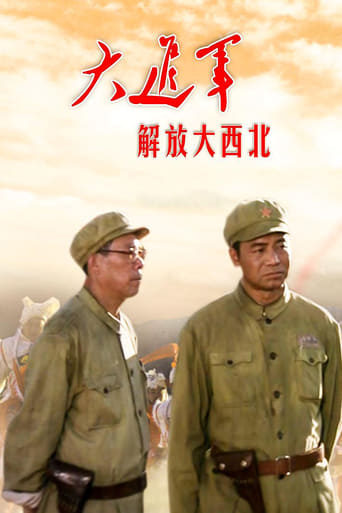
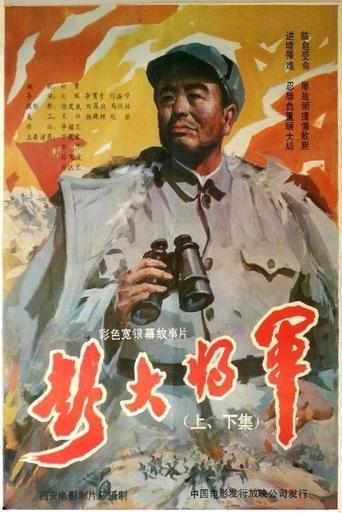
In the spring of 1947, Chiang Kai-shek launched a major attack on Communist base areas in Shandong and northern Shaanxi. Mao Zedong (played by Zhang Keyao) strategized and made a strategic decision to withdraw from Yan'an, using the "Kunlun Column" of the central government to contain the main force of Hu Zongnan (played by Wang Zhenjiang). Peng Dehuai (played by Lei Fei) started the Battle of Panlong, captured the enemy brigade commander alive, and captured a lot of money
Winner of the Golden Rooster for Best Film in 1992
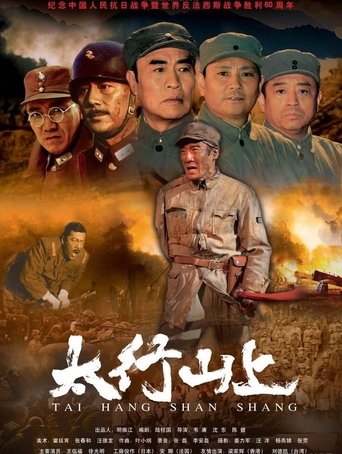
During the Sino-Japanese War, Commander-in-Chief Zhu De leads the Eighth Route Army in pivotal battles against the Japanese invaders.
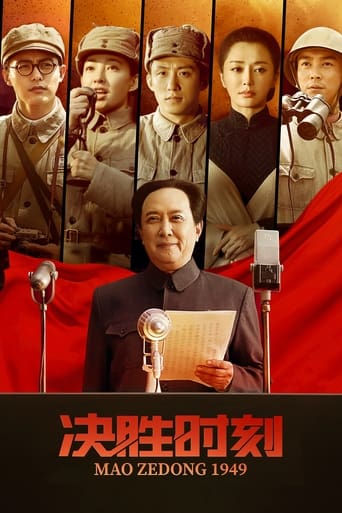
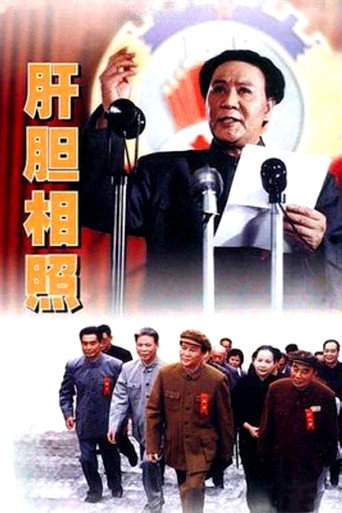
The film is set in 1949, as the members of the Central Committee of the Communist Party of China prepare to establish a new Chinese state, the People's Republic of China.
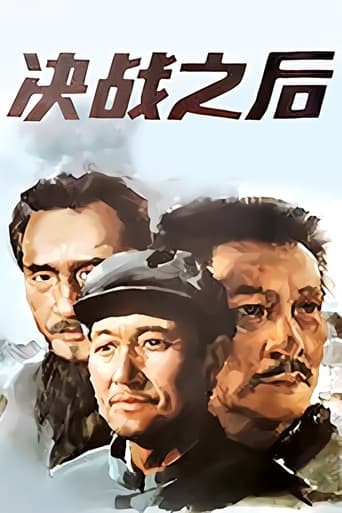
The life of senior Kuomintang generals inside the Gongdelin Prison in Beijing after losing the civil war.
The film tells the story of the first award ceremony of 1,052 meritorious generals of the Chinese People's Liberation Army On September 23, 1955, the 22nd Meeting of the Standing Committee of the First National People's Congress decided to award Zhu De and other 10 senior generals of the Chinese People's Liberation Army with the rank of Marshal of the People's Republic of China, and they were awarded by order of the then President Mao Zedong. On September 27, 1955, the Central Military Commission issued a special telegram and announced the order to award Su Yu and other 1,038 senior officers of the Chinese People's Liberation Army with the rank of general through the general ceremony ceremony held by the State Council. These include 10 generals, 55 generals, 175 lieutenant generals, and 798 major generals
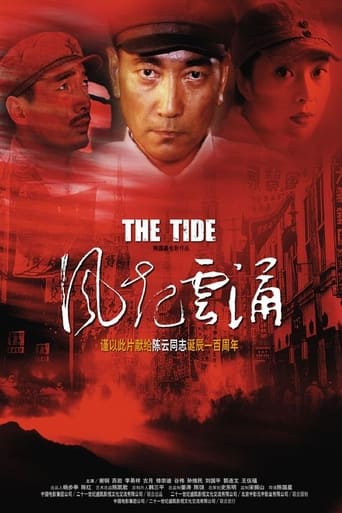
The Japanese has invaded far into china, defeating the Kuomintang (KMT) soldiers many times and pushing them back into Central China. There was a general sentiment among anti-Japanese resistance forces that the Communist Party of China (CCP) was not contributing enough to the war, and that they were only interested in expanding their power. As a result, the CCP planned a major offensive against the Japanese, consisting of 105 regiments, called the Hundred Regiments Offensive.
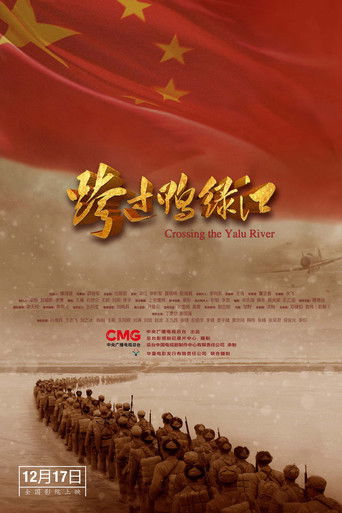
"Crossing the Yalu River" is a monumental war epic that offers a comprehensive and visually stunning portrayal of the Chinese People's Volunteer Army's involvement in the Korean War. Directed by Dong Yachun, the film is a tribute to the heroes and veterans who fought with unwavering courage and sacrifice.
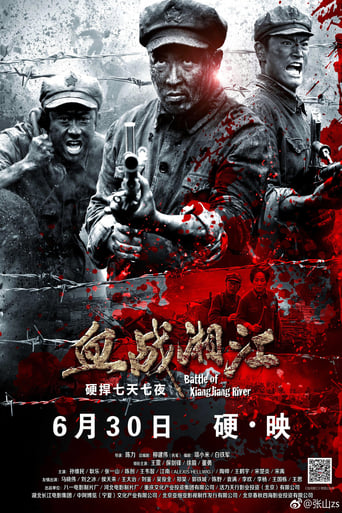
From November 27, 1934 to December 1, the Red Army fought with the Kuomintang army in Xing'an County, Quanzhou County and Guanyang County in the territory of Guangxi province for 5 days, finally, the Red Army through Xiangjiang in the border of Quanzhou County and Xing'an County, they broke through the blockade of the Kuomintang army.
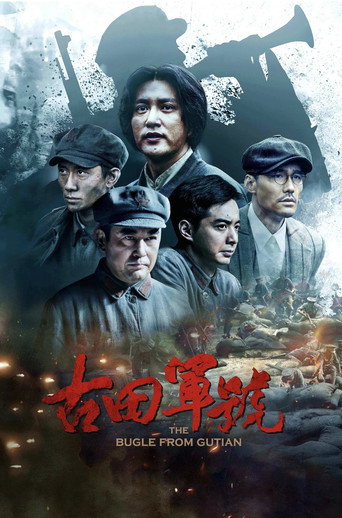
Red Army trumpeter and his comrades-in-arms in legendary military breakout from Jinggangshan to Daixi
Same franchise · Shares 2 cast members
Same franchise · Shares a lead actor
Winner of the Golden Rooster for Best Film in 1992
Shares 2 cast members · Same director
Korean War, winter 1950. In the frozen and snowy area of Changjin Lake, a bloody battle is about to begin between the elite troops of the United States and China.
Shares a lead actor · Viewers also picked
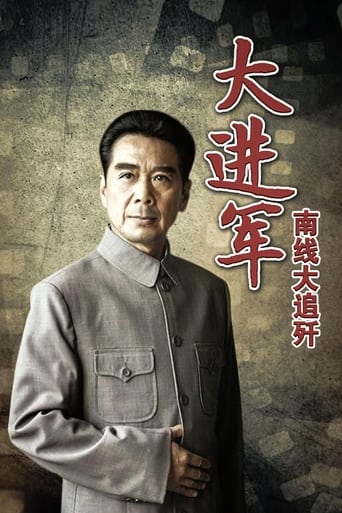
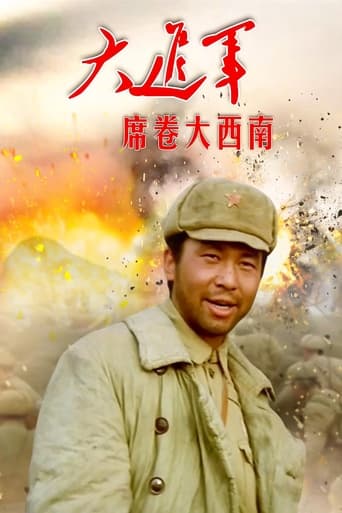
In the later stage of the Liberation War, with the victory of the three major battles over, the Central Committee of the Communist Party of China and Chairman Mao Zedong made strategic decisions, ordering Liu Bocheng (played by Fu Xuecheng) and Deng Xiaoping (played by Lu Qi) to lead a group of the Second Field and Fourth Field to advance towards Hunan, Hubei, Guizhou, and Sichuan, and annihilate the remaining enemies in the southwest. On his way south, Deng Xiaoping asked railway experts he met about the construction of the Chengdu Chongqing Railway and gave political education classes to the troops heading south in a timely manner, implementing Chairman Mao's great teachings of "carrying out the revolution to the end"...
Same franchise · Shares a lead actor
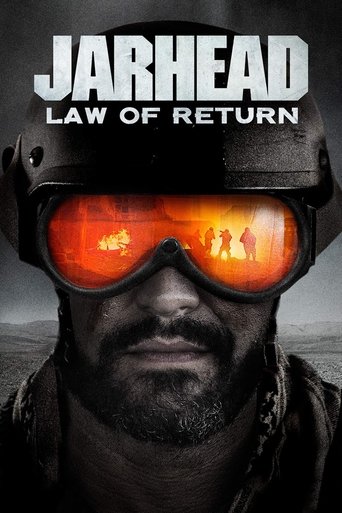
Major Ronan Jackson, an accomplished fighter pilot for the Israel Defense Forces and son of a U.S. Senator, is shot down while flying through Syrian airspace. After miraculously surviving the crash, Jackson is taken captive by a group of Hezbollah militiamen. A squad of elite soldiers, led by Gunnery Sergeant Dave Torres, risk their own lives in the hopes of saving an ally they've never met.
Viewers also picked
A dwindling group of German soldiers battle to return to their lines on the harsh Eastern Front.
Viewers also picked
Shares 3 cast members
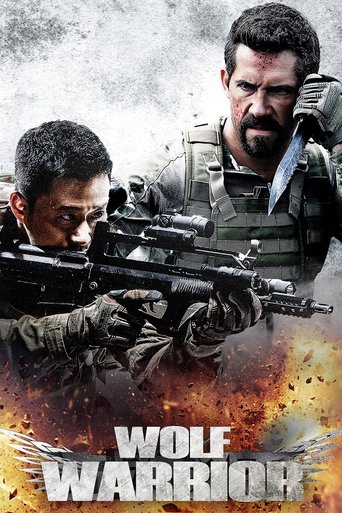
A Chinese special force soldier with extraordinary marksmanship is confronted by a group of deadly foreign mercenaries who are hired to assassinate him by a vicious drug lord.
Viewers also picked
During the Japanese occupation of China, two prisoners are dumped in a peasant's home in a small town. The owner is bullied into keeping the prisoners until the next New Year, at which time they will be collected. The village leaders convene to interrogate the prisoners. The townspeople then struggle to accommodate the prisoners. One is a bellicose Japanese nationalist, the other a nervous translator. Will the townspeople manage to keep the prisoners until the New Year?
Viewers also picked