TV
No easy answers? Decision-makers from Kissinger to Rice revisit how the US responded to conflicts from Rwanda to Iraq. Faced with human suffering - who has responsibility to act?
The BBC documentary made as a sequel to the series "The Death Of Yugoslavia" focusing on the Kosovo crisis and the collapse of the Milosevic regime.
No easy answers? Decision-makers from Kissinger to Rice revisit how the US responded to conflicts from Rwanda to Iraq. Faced with human suffering - who has responsibility to act?
The Death of Yugoslavia is a BAFTA-award winning BBC documentary series first broadcast in 1995. It covers the collapse of the former Yugoslavia. It is notable in its combination of never-before-seen archive footage interspersed with interviews of most of the main players in the conflict, including Slobodan Milošević, the then President of Serbia. Norma Percy won the 1996 BAFTA TV Award for 'Best Factual Series' for the documentary. However, it has been argued that it presents a potentially slightly biased point-of-view; for instance during the trial of Milošević before the ICTY in The Hague, Judge Bonomy called the nature of much of the commentary "tendentious" (partisan).
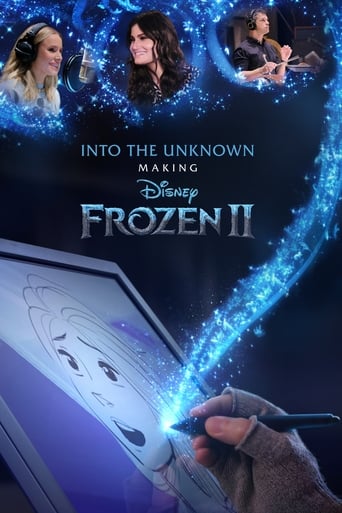
The team behind Frozen II open their doors to cameras for a six-part documentary series to reveal the hard work, heart, and collaboration it takes to create one of the most highly-anticipated films in Walt Disney Animation Studios’ near-century of moviemaking. Cameras were there to capture an eye-opening - and at times jaw-dropping - view of the challenges and the breakthroughs, the artistry, creativity and the complexity of creating the #1 animated feature of all time.
Viewers also picked

Motoring programme featuring reviews of and reports about cars of all types.
Viewers also picked
Infographics and archival footage deliver bite-size history lessons on scientific breakthroughs, social movements and world-changing discoveries.
Viewers also picked

Doctor Who Confidential is a documentary to complement the revival of the long-running British science fiction television series Doctor Who. Each episode was broadcast on BBC Three on Saturdays, immediately after the broadcast of the weekly television episode on BBC One. The running time of the first two series was 30 minutes, being extended to 45 minutes in the third. BBC Three also broadcast a cut-down edition of the programme, lasting 15 minutes, shown after the repeats on Sundays and Fridays and after the weekday evening repeats of earlier seasons.
Viewers also picked
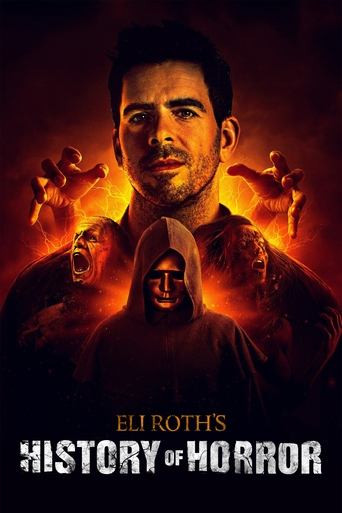
An in-depth look at the history and pop cultural significance of horror films.
Viewers also picked
Featuring rare footage and interviews with CIA insiders, this edge-of-your-seat documentary series traces the epic hunt for Osama bin Laden.
Viewers also picked
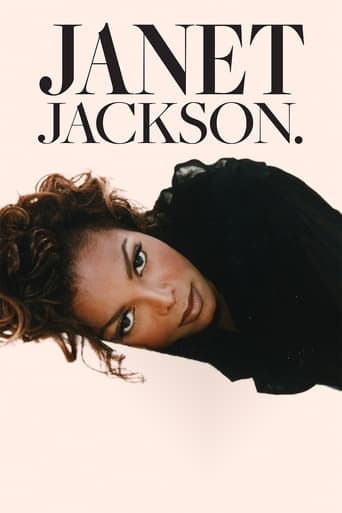
The documentary takes viewers through Janet Jackson's life and career, contain never-before-seen footage, and feature home videos from the legendary artist. Jackson discusses her controversial 2004 Super Bowl halftime show performance with Justin Timberlake, her father Joe Jackson, the death of her brother Michael Jackson, and more.
Viewers also picked
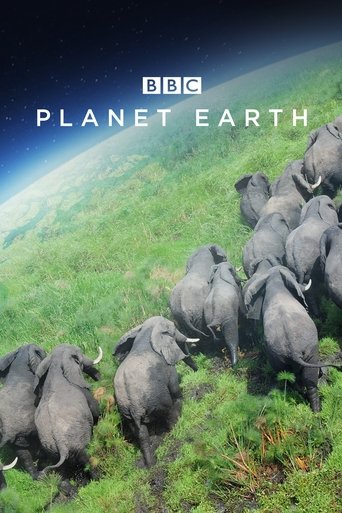
David Attenborough celebrates the amazing variety of the natural world in this epic documentary series, filmed over four years across 64 different countries.
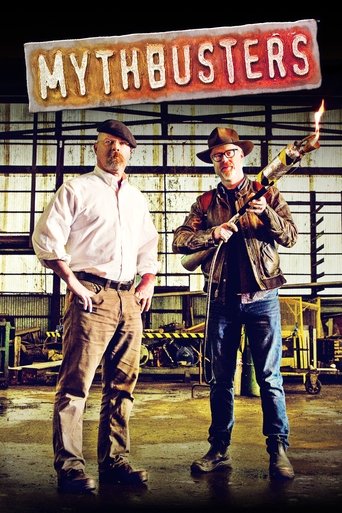
MythBusters is a science entertainment television program created and produced by Australia's Beyond Television Productions for the Discovery Channel. The show's hosts, special effects experts Adam Savage and Jamie Hyneman, use elements of the scientific method to test the validity of rumors, myths, movie scenes, adages, Internet videos, and news stories.
A series of standalone documentaries powered by the unparalleled journalism and insight of The New York Times, bringing viewers close to the essential stories of our time.
Viewers also picked
Play for Today is a British television anthology drama series, produced by the BBC and transmitted on BBC1 from 1970 to 1984. During the run, more than three hundred programmes, featuring original television plays, and adaptations of stage plays and novels, were transmitted. The individual episodes were between fifty and a hundred minutes in duration.
American Playhouse is an anthology television series periodically broadcast by Public Broadcasting Service in the United States.
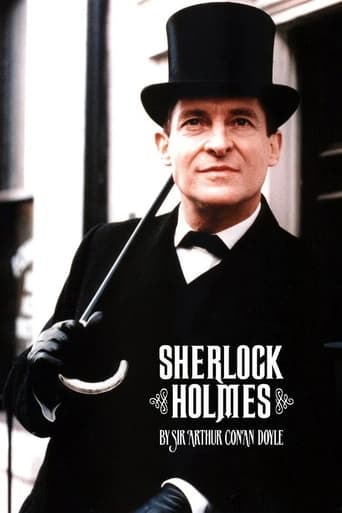
Sherlock Holmes uses his abilities to take on cases by private clients and those that the Scotland Yard are unable to solve, along with his friend Dr. Watson.
Set during the 1960s in the fictional North Yorkshire village of Aidensfield, this enduringly popular series interweaves crime and medical storylines.
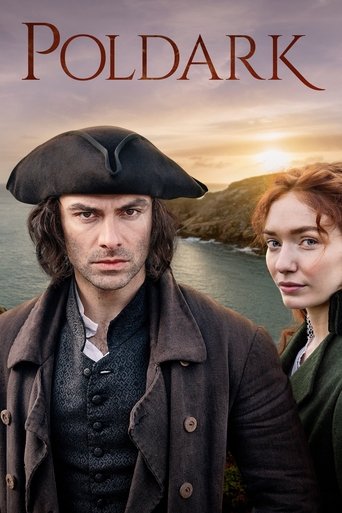
Britain is in the grip of a chilling recession... falling wages, rising prices, civil unrest - only the bankers are smiling. It's 1783 and Ross Poldark returns from the American War of Independence to his beloved Cornwall to find his world in ruins: his father dead, the family mine long since closed, his house wrecked and his sweetheart pledged to marry his cousin. But Ross finds that hope and love can be found when you are least expecting it in the wild but beautiful Cornish landscape.
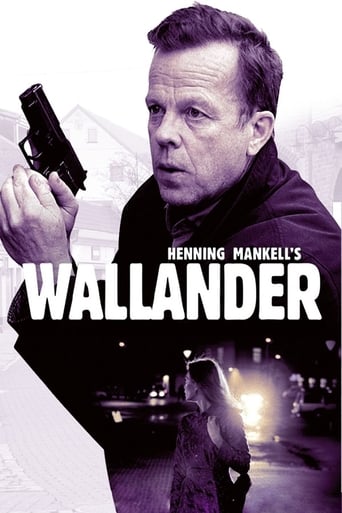
Detective Kurt Wallander solves gruesome complex crimes in the city of Ystad, Sweden.
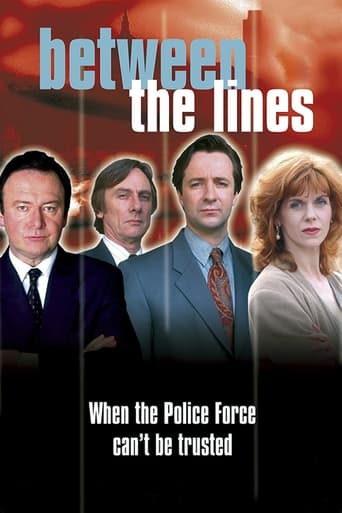
Detective Superintendent Tony Clark is an ambitious member of the Complaints Investigation Bureau, an internal organisation that investigates claims of corruption inside the police in England and Wales. Along the way Clark overcomes strong influence from his superiors and problems in his private life, most notably the break-up of his marriage following an affair with WPC Jenny Dean.
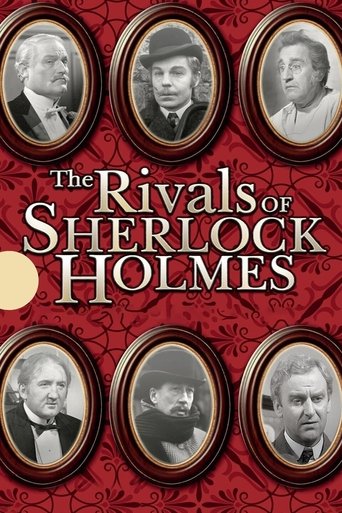
An anthology series produced by Thames Television, comprised of short mystery, suspense or crime adaptations featuring, as the title suggests, detectives who were literary contemporaries of Arthur Conan Doyle's Sherlock Holmes.
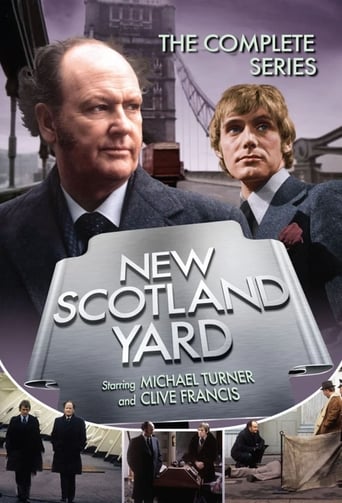
New Scotland Yard is a police drama series produced by London Weekend Television for ITV from 1972 and 1974. It features the activities of two officers from the Criminal Investigations Department in the Metropolitan Police force headquarters at New Scotland Yard, as they dealt with the assorted villains of the day.