TV
Hasegawa is a chief police of big heart who leads a band of samurai police and cultivates reformed criminals as informants to solve difficult crimes.
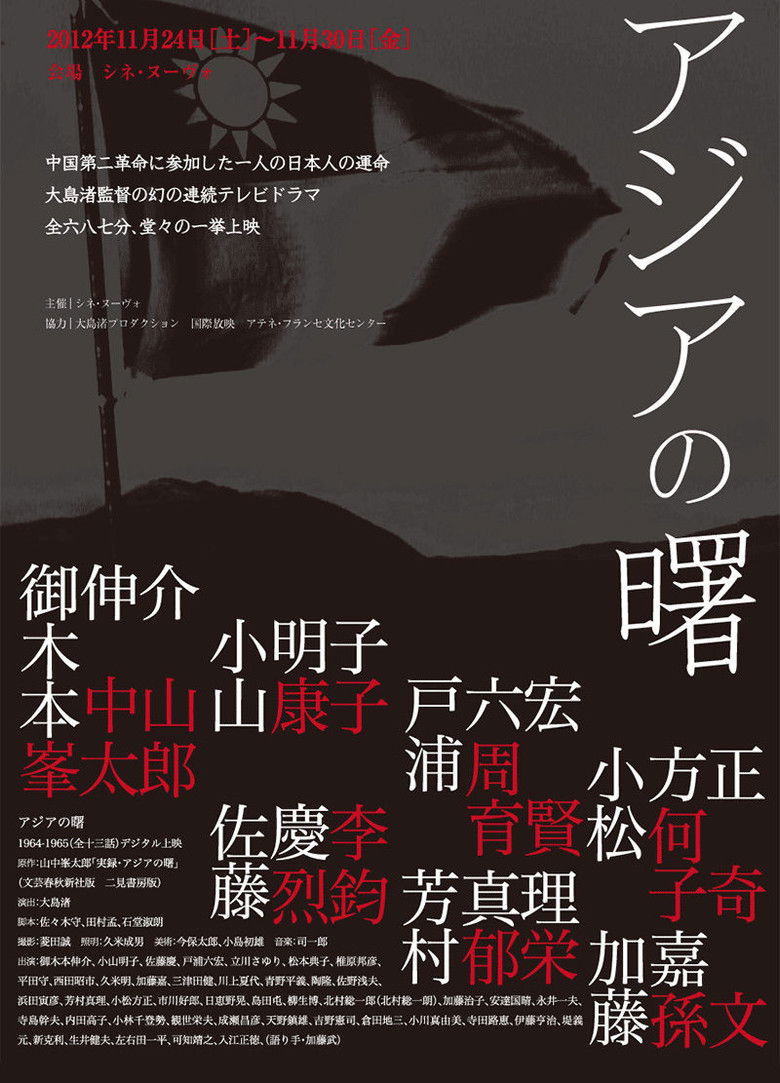
A TV drama consisting of thirteen episodes about the trans-China/Japan collaboration of revolutionaries in the early twentieth century. It was Nagisa Oshima’s rare attempt to direct a TV drama in a social atmosphere in which Japan was embracing postwar prosperity as well as the effects of permeating mass media. Making an effort to reach out to the mass audience through a seemingly conventional method of filmic representation, Dawn of Asia takes up the epic of trans-Asiatic solidarity while challenging nationalism on both sides.
Hasegawa is a chief police of big heart who leads a band of samurai police and cultivates reformed criminals as informants to solve difficult crimes.
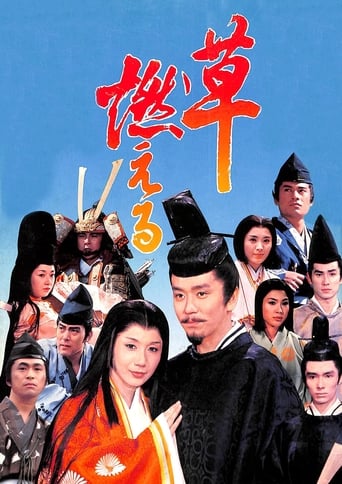
The story chronicles the life of Hōjō Masako during the Kamakura Period.
Daisuke dropped out of high school, and his motorcycle was the only thing that helped him cope with his loneliness. His parents find a new high school where he can ride his motorcycle to school, but he is forced to live in a dormitory. The students in the dormitory are all young people with bitter memories of dropping out of high school. The prefect of the dormitory is a teacher who is passionate about their physical education. The drama depicts the fierce clash between a nineteen-year-old rebellious high school student, who is torn between being an adult and a child, and the adults around him. This is Oda Yuji's first lead role in a TV drama.
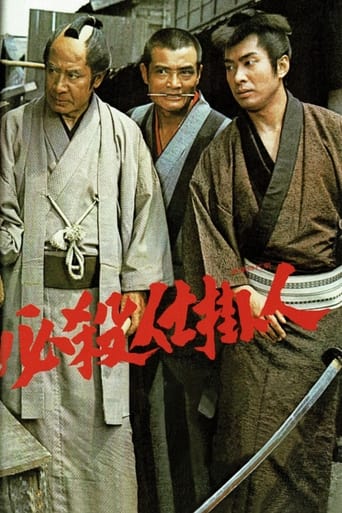
A shikakenin was an under-the-cover trade that undertook killing in Edo. Hanemon of Otowa, an agency that introduced laborers and maids, was also one of these. Katsugoro Iseya was a timber dealer who had come in as a client. His target was the constructions magistrate Hanno, and the Tatsumiya who sipped on the benefits. Hanemon who had a stong code towards killing, where he would only kill those who do no good to be in the world, accepts this request. Baian Fujieda, a needle doctor would carry out the killing. However, the professional killer Baian fails to bring down Tatsumiya. Hanemon then looks to another shikakenin, the ronin Sanai Nishimura for the role. Although Sanai's ability with the sword is good, he lives poorly in a tenement, and accepts this commission on the condition that it is kept a secret from his wife and child. Here, they close in on Hanno and Tatsumiya again...
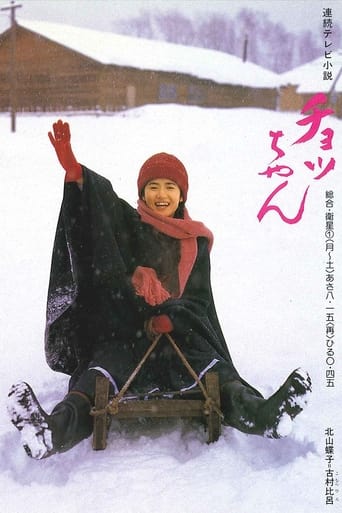
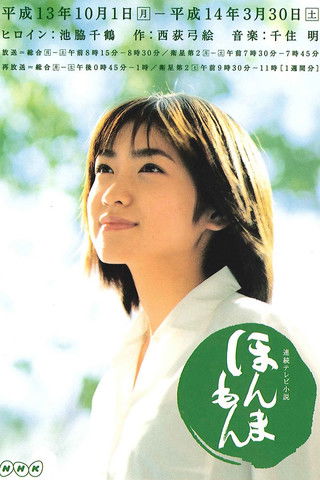
The 38th NHK Asadora. Based on the autobiography of Tetsuko Kuroyanagi's mother.
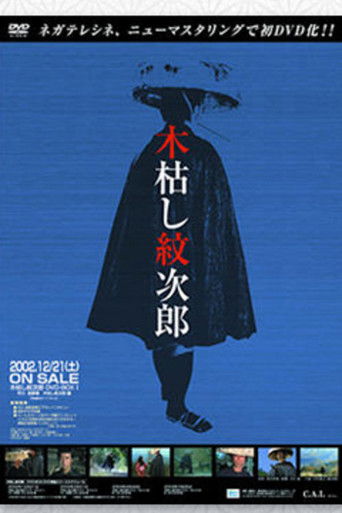
Monjiro was born into a poor farm family in Mikazuki Village, Nitta County, Ueshu, and abandoned his hometown when he was 10 years old. He has been traveling aimlessly with a long toothpick in his mouth. Monjiro avoided getting involved in anything, but wherever he went, he ended up getting involved in incidents
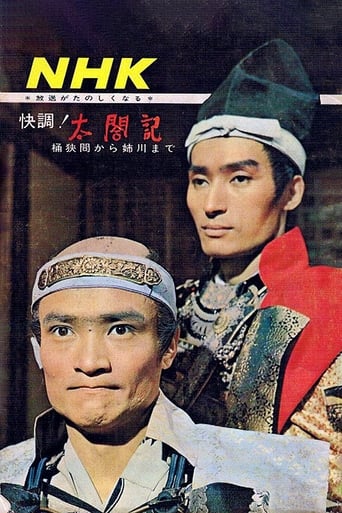
Based on the life of Hideyoshi Toyotomi (February 2, 1537 – September 18, 1598) a Sengoku period daimyo who unified Japan.
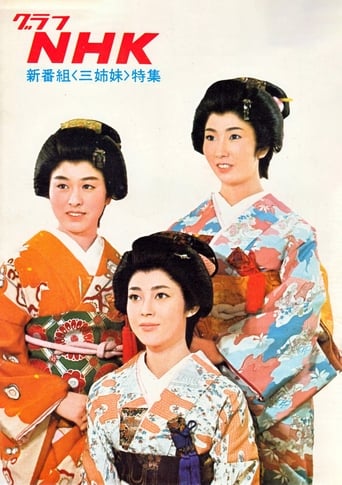
The Story is about three daughters of a "Hatamoto" during the end of the Edo period and the Meiji Restoration.
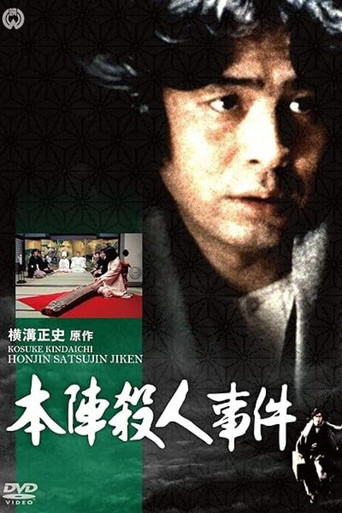
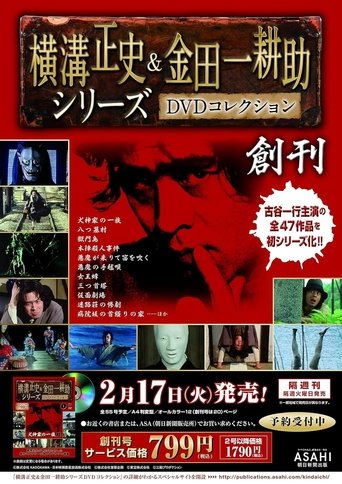
TV series starring Ikko Furuya, based on the Kosuke Kindaichi mystery novel series by Seishi Yokomizo.
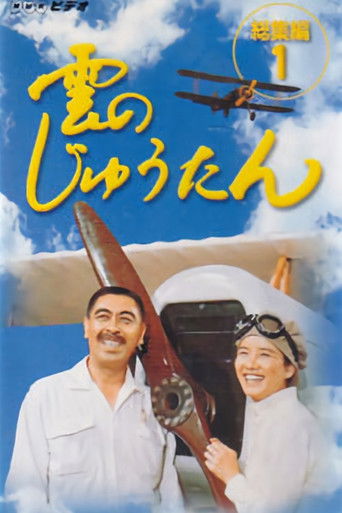
The 17th NHK Asadora. Starring Youko Asaji as a woman who wants to become a pilot.
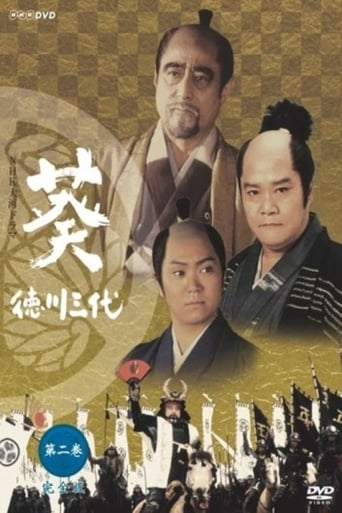
The 39th NHK Taiga Drama is Aoi Tokugawa Sandai. It is James Miki's dynamic and colorful tale of three generations of the Tokugawa dynasty--from its founder Ieyasu to Iemitsu, the third Shogun who solidified the Tokugawa power base.
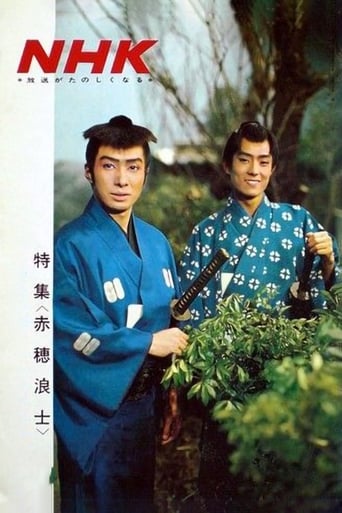
"Ako Roshi" is a group of 47 former retainers of Lord Asano. Lord Asano was forced to commit suicide after attempting to kill Lord Kira. Once the retainers hear about their Lord's death, they sacrifice their lives to regain the honor of their former master.
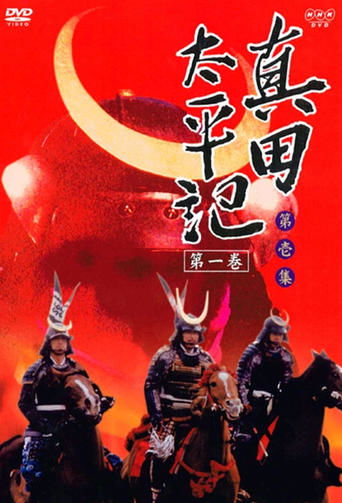
The drama tells the story of the Sanada family. Originally serving the Takeda Clan they ruled the northern district of Shinano. The story begins right after the death of Takeda Shingen, continues through the rise of Tokugawa Ieyasu who founded the Tokugawa shogunate and covers roughly the period 1580-1610.
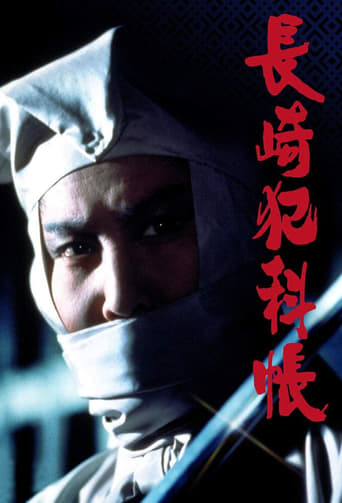
The drama depicts in the late Edo period in Nagasaki, Hiramatsu takes up Nagasaki bugyō`s head post. He likes alcohol and women. Furthermore He is always willing to accept a bribe from villains so they consider it is easy to manipulate him. But he is just pretending to be idiot and he kills villains who escape justice despite their crimes.
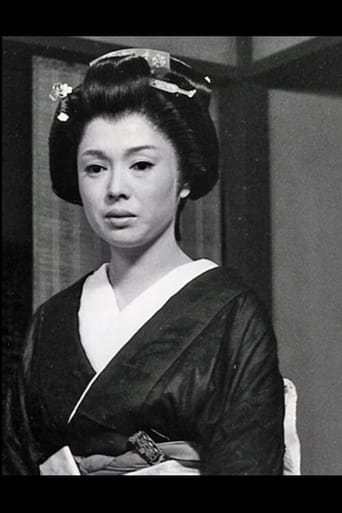
Collection of short stories about women in various periods of Japanese history. Based on famous Japanese novels.
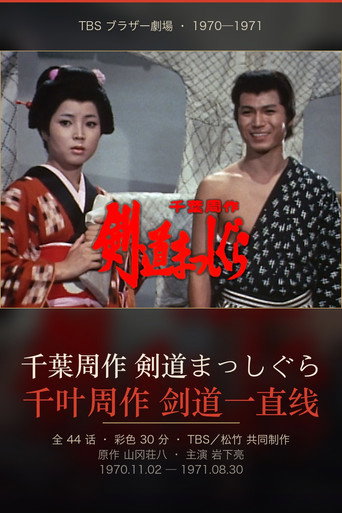
Chiba Shusaku: Kendo Masshigura is a Japanese period drama that aired on the TBS network from November 2, 1970 to August 30, 1971 in the "Brother Gekijo" slot. It ran for 44 colour episodes of 30 minutes each. Based on Sohachi Yamaoka's novel "Chiba Shusaku", it depicts the youth of Chiba Shusaku, founder of the Hokushin Itto-ryu school of swordsmanship. A hot-blooded young man who calls himself Shusaku enters the dojo of Asari Matashichiro and, through encounters with all kinds of people, grows rapidly both in swordsmanship and in character. Produced by TBS and Shochiku. Rerun on the Japanese CS channel Jidaigeki Senmon Channel from March 17, 2025.

Life, death and drama at 20,000 feet. The series weaves together intense character journeys and high-stakes medical rescues, as we follow the triumphs, heartbreaks and tribulations of budding nurses and pilots flying air ambulances in remote Northern Canada. They’re all in over their heads, and on their own, with no one to rely on but each other.
Viewers also picked

The journey of a book smart teen whose life is forever transformed when he moves from the streets of west Philadelphia to live with his relatives in one of LA’s wealthiest suburbs.
Viewers also picked
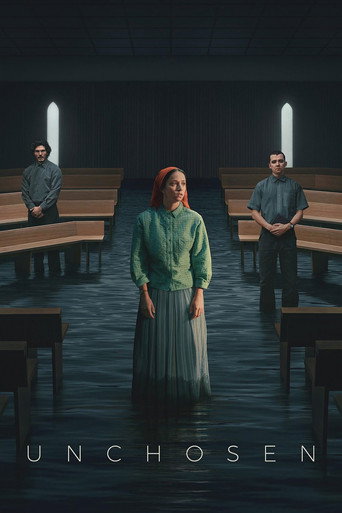
When a young mother from a sheltered cult crosses paths with a mysterious stranger, she embarks on a risky affair that awakens desires and dark secrets.
Viewers also picked

Through Julia Child’s life and her singular joie de vivre, the series explores a pivotal time in American history – the emergence of public television as a new social institution, feminism and the women's movement, the nature of celebrity and America's cultural evolution.
Viewers also picked

An unconventional relationship in a world on the cusp of change; a star newsreader and an ambitious bisexual reporter join forces in a ruthless 1986 newsroom, as events unfold that will change their lives.
Viewers also picked
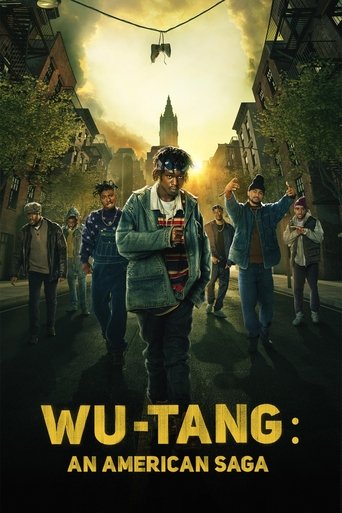
In the early 1990s in New York, during the height of the crack cocaine epidemic, a visionary musician named Bobby Diggs aka The RZA begins to form a super group of a dozen young, black men, who will eventually rise to become one of the unlikeliest success stories in American music history.
Viewers also picked
A shikakenin was an under-the-cover trade that undertook killing in Edo. Hanemon of Otowa, an agency that introduced laborers and maids, was also one of these. Katsugoro Iseya was a timber dealer who had come in as a client. His target was the constructions magistrate Hanno, and the Tatsumiya who sipped on the benefits. Hanemon who had a stong code towards killing, where he would only kill those who do no good to be in the world, accepts this request. Baian Fujieda, a needle doctor would carry out the killing. However, the professional killer Baian fails to bring down Tatsumiya. Hanemon then looks to another shikakenin, the ronin Sanai Nishimura for the role. Although Sanai's ability with the sword is good, he lives poorly in a tenement, and accepts this commission on the condition that it is kept a secret from his wife and child. Here, they close in on Hanno and Tatsumiya again...
Shares 3 cast members
A British television anthology of stories, often with sinister and wryly comedic undertones, and a twist at the end. With early episodes written and presented by Roald Dahl, the series featured a plethora of big name guest stars.
Viewers also picked
The Story is about three daughters of a "Hatamoto" during the end of the Edo period and the Meiji Restoration.
Shares a lead actor

Set against the complex tapestry of Hong Kong residents, a multifaceted group of women sets off a chain of life-altering events that leaves everyone navigating the intricate balance between blame and accountability.
Viewers also picked
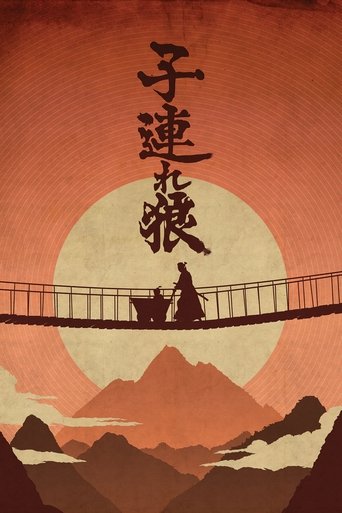
Ogami Itto is a master swordsman who holds a position of high power in the Tokugawa Shogunate. Highly trusted by the Shogun, he serves as the official decapitator, assisting lords and samurai who have been ordered by the Shogun to commit seppuku. One day, Itto’s wife and members of his household are brutally murdered by a clan seeking to avenge their lord’s execution, which had been carried out by Itto. In the wake of the attack, two items are left in Itto’s home: his unhurt infant son, Daigoro, and a symbol meant to signify Itto’s betrayal of the Shogun. Disgraced by the false symbol, Itto is labeled a traitor and forced to forfeit his position. He becomes a ronin, wandering the country with his son, searching for the men who killed his wife, seeking to clear his name and avenge her death.
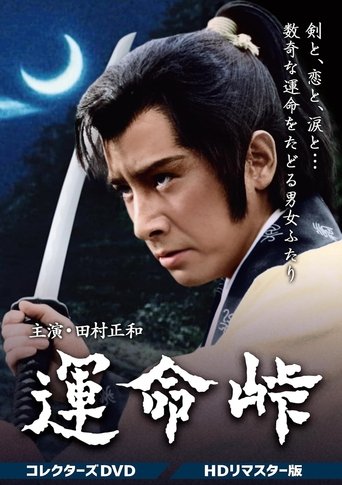
Akizuki Rokurōta was born as a child of Tokugawa Ieyasu, but since he is a twin with Tokugawa Iemitsu he is not allowed an official place within the Tokugawa family. Sent away as an adopted son, he continues his wandering journey. One day, he accidentally encounters Toyotomi Hideyori's son Toyotomi Hideya, his mother Katsura-no-miya Renko and their maidservant Sasaka, survivors of the Shogunate attack on Osaka Castle years before who are now fleeing from their refuge in Kyoto. The Tokugawa Shogunate and Yagyū clan are trying to capture or kill them, while on the other hand villains want to use them. Akizuki Rokurōta decides to protect them from both sides.
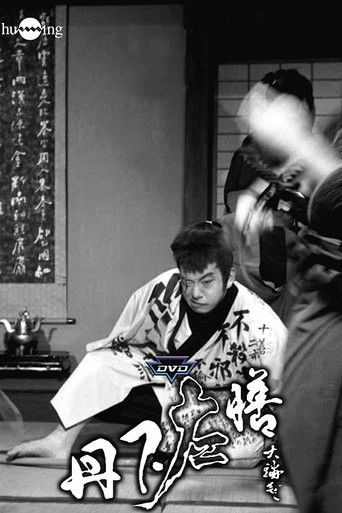
The loyal Sōma clan samurai Tange Samanosuke is attacked and mutilated as the result of a betrayal, losing his right eye and right arm. He then begins to lead the life of a nihilistic ronin, using the pseudonym Sazen.