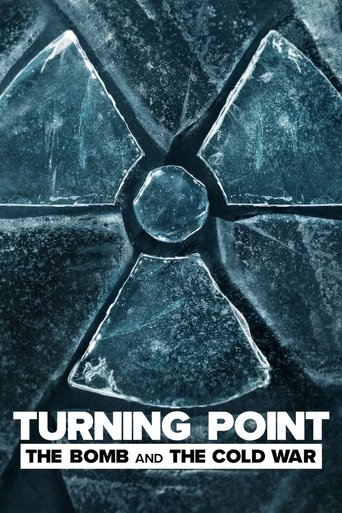
With firsthand accounts and access to prominent figures around the world, this comprehensive docuseries explores the Cold War and its aftermath.
Turning Point: The Bomb and the Cold War
Also tagged soviet union, russia
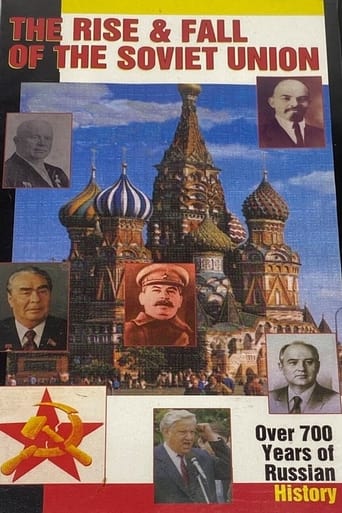
Historic Russian battles to repel invaders serve as prelude to the story of events that redrew the map of Eastern Europe and parts of Asia in the 20th century. Following the turmoil of the Bolshevik Revolution, Communist Russia faces the venom of Nazi aggression. 1940's film footage reveals the harsh reality of total war, as the Red Army and Soviet civilians alike confront a brutal and tenacious enemy. The following decades are darkened by tensions between the USSR and foreign powers, and violent measures taken to silence voices of dissent. Finally, the Soviet people's yearning for a freer society leads to accelerating reforms and the ultimate dissolution of the USSR.
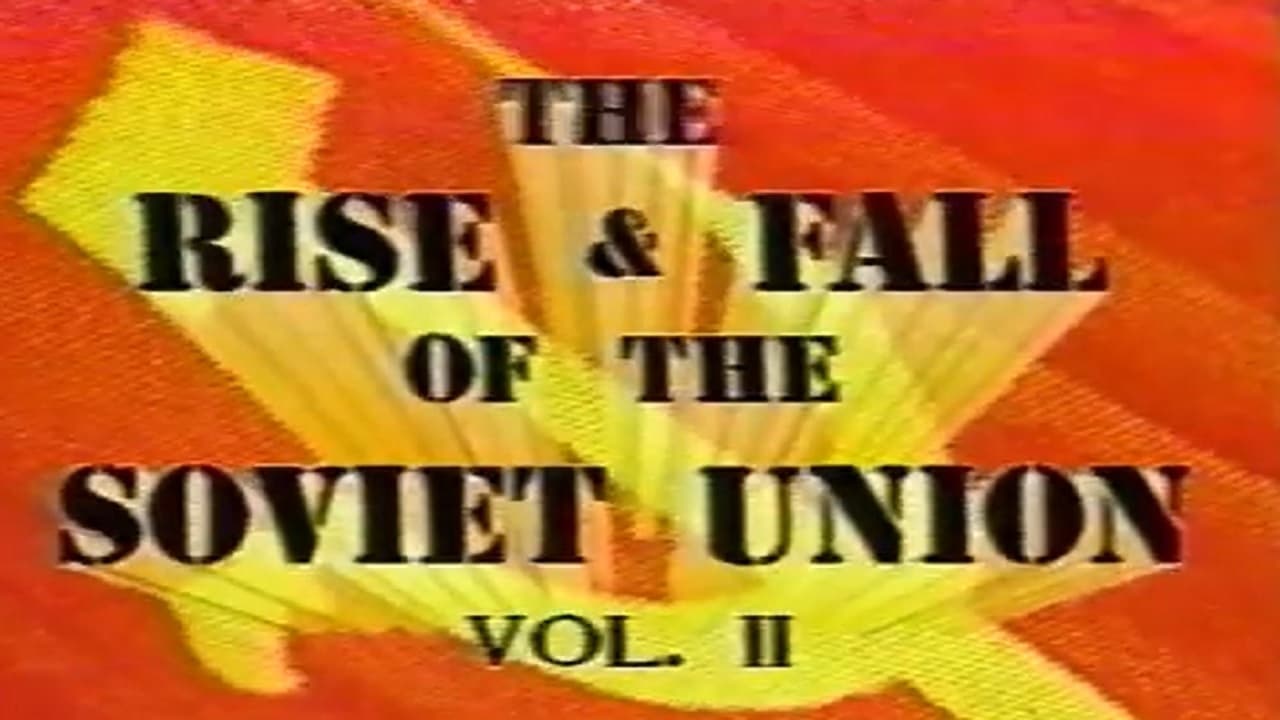
With firsthand accounts and access to prominent figures around the world, this comprehensive docuseries explores the Cold War and its aftermath.
Also tagged soviet union, russia
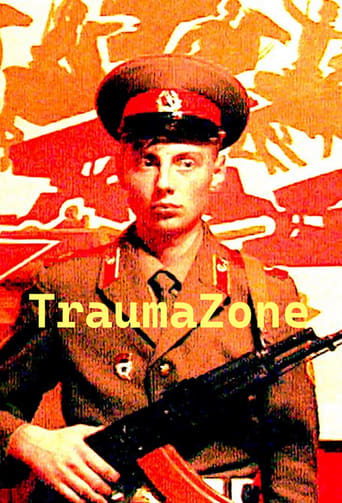
What it felt like to live through the collapse of communism and democracy. A series of films by Adam Curtis.
Also tagged soviet union, russia
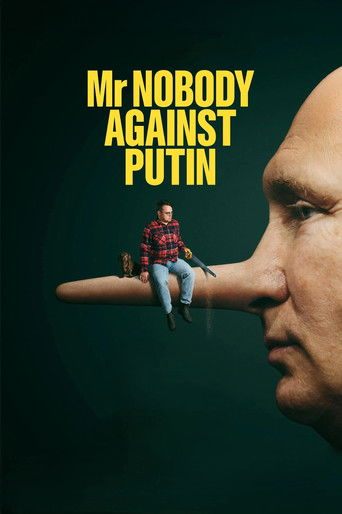
As Russia launches its full-scale invasion of Ukraine, primary schools across Russia’s hinterlands are transformed into recruitment stages for the war. Facing the ethical dilemma of working in a system defined by propaganda and violence, a brave teacher goes undercover to film what’s really happening in his own school.
Also tagged russia
A documentary feature film about the biggest global corruption scandal in history, and the hundreds of journalists who risked their lives to break the story.
Also tagged russia
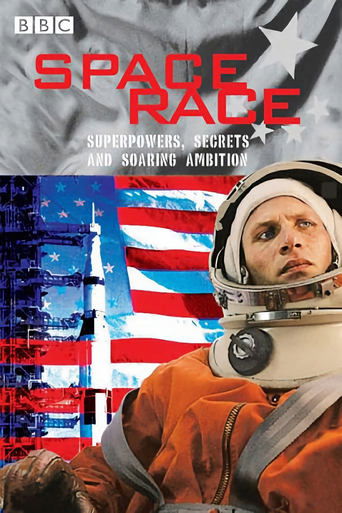
The untold true story behind the Cold War race to put man into space.
Also tagged soviet union
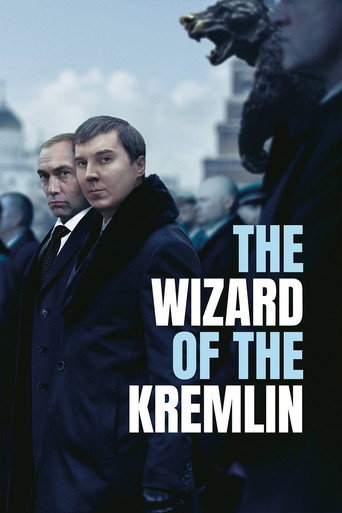
In the chaos of post-Soviet Russia, rising KGB officer Vladimir Putin joins forces with master manipulator Vadim Baranov to reshape life behind the Iron Curtain, using violence and deception to change the world forever.
Also tagged soviet union, russia
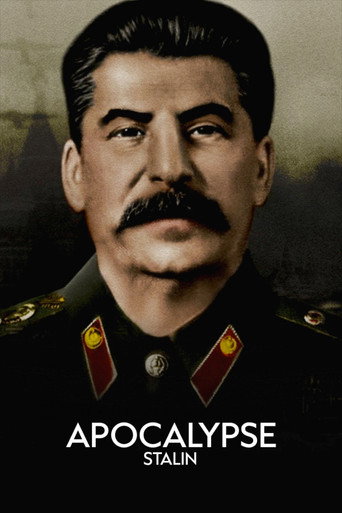
The rise of Stalin, from his early beginning as a bankrobber to the cold-blooded leader of the Soviet Union.
Also tagged soviet union
In the winter of 2011, after a controversial election, Vladimir Putin was reinstalled as president of Russia. In response, hundreds of thousands of citizens rose up all over the country to challenge the legitimacy of Putin’s rule. Among them were a group of young, radical-feminist punk rockers, better known as Pussy Riot. Wearing colored balaclavas, tights, and summer dresses, they entered Moscow’s most venerated cathedral and dared to sing “Mother Mary, Banish Putin!” Now they have become victims of a “show” trial.
Also tagged russia
A Russian-backed conspiracy film produced by Oliver Stone, framing the Euromaidan protests and the ouster of Viktor Yanukovych as a Western-engineered coup.
Also tagged russia
Step into a thrilling chapter inspired by For All Mankind. Same alt-history universe. Different perspective: the Soviet Union's. Go behind the Iron Curtain with the cosmonauts, engineers, and intelligence officers who risked it all in the race for the Moon.
Also tagged soviet union
Career-soldier Wilhelm, his pacifist younger brother Friedhelm, and their friends Charlotte, Viktor and Greta say farewell in the summer of 1941 in Berlin, with the promise to meet again after the war.
Also tagged soviet union
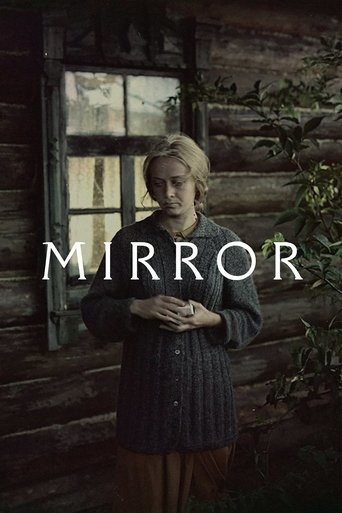
A dying man in his forties recalls his childhood, his mother, the war and personal moments that tell of and juxtapose pivotal moments in Soviet history with daily life.
Also tagged russia
In 1977 Moscow, two "PONIES" ("persons of no interest") become CIA operatives and uncover a Cold War conspiracy their husbands were killed for.
Also tagged soviet union
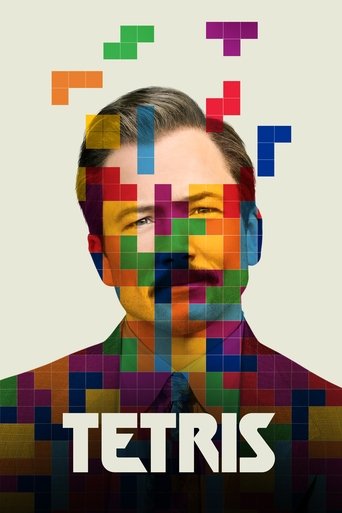
In 1988, American video game salesman Henk Rogers discovers the video game Tetris. When he sets out to bring the game to the world, he enters a dangerous web of lies and corruption behind the Iron Curtain.
Also tagged russia
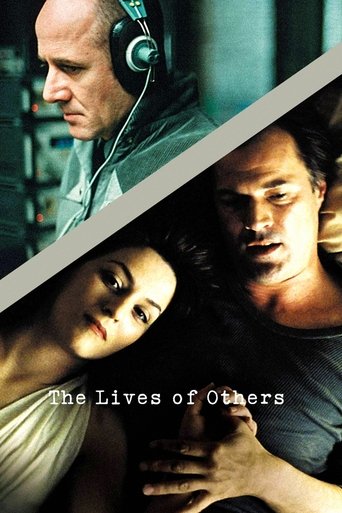
In 1984 East Berlin, dedicated Stasi officer Gerd Wiesler begins spying on a famous playwright and his actress-lover Christa-Maria. Wiesler becomes unexpectedly sympathetic to the couple, and faces conflicting loyalties when his superior takes a liking to Christa-Maria.
Also tagged soviet union
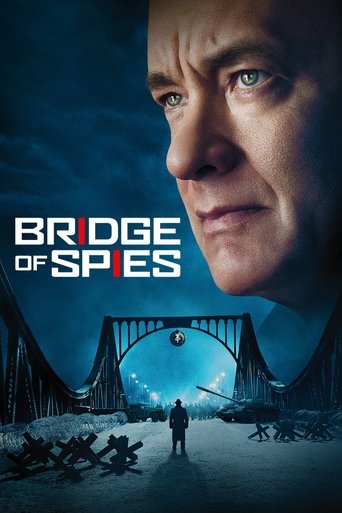
During the Cold War, the Soviet Union captures U.S. pilot Francis Gary Powers after shooting down his U-2 spy plane. Sentenced to 10 years in prison, Powers' only hope is New York lawyer James Donovan, recruited by a CIA operative to negotiate his release. Donovan boards a plane to Berlin, hoping to win the young man's freedom through a prisoner exchange. If all goes well, the Russians would get Rudolf Abel, the convicted spy who Donovan defended in court.
Also tagged soviet union
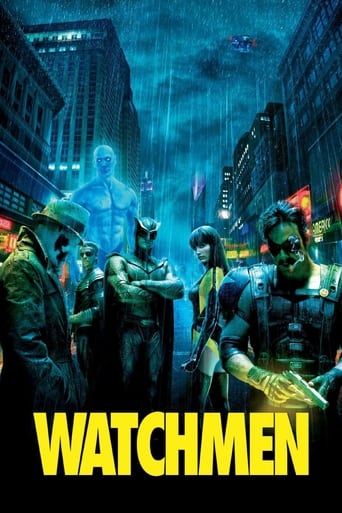
In a gritty and alternate 1985, the glory days of costumed vigilantes have been brought to a close by a government crackdown. But after one of the masked veterans is brutally murdered, an investigation into the killer is initiated. The reunited heroes set out to prevent their own destruction, but in doing so they uncover a sinister plot that puts all of humanity in grave danger.
Also tagged soviet union
Set in Stalin-era Soviet Union, a disgraced MGB agent is dispatched to investigate a series of child murders -- a case that begins to connect with the very top of party leadership.
Also tagged soviet union
Meet the real-life airmen who inspired Masters of the Air as they share the harrowing and transformative events of the 100th Bomb Group.
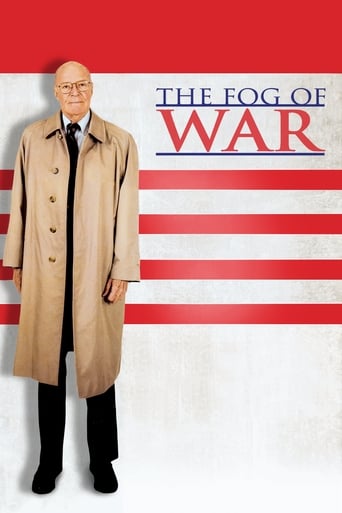
Former corporate whiz kid Robert McNamara was the controversial Secretary of Defense in the Kennedy and Johnson administrations, during the height of the Vietnam War. Augmented by archival footage and cabinet conversation recordings, Errol Morris gives the conflicted McNamara a platform on which he attempts to confront his and the U.S. government's actions in Southeast Asia in light of the horrors of modern warfare, the end of ideology and the punitive judgment of history.
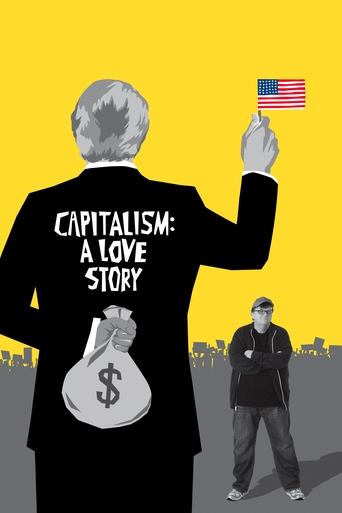
Michael Moore comes home to the issue he's been examining throughout his career: the disastrous impact of corporate dominance on the everyday lives of Americans (and by default, the rest of the world).
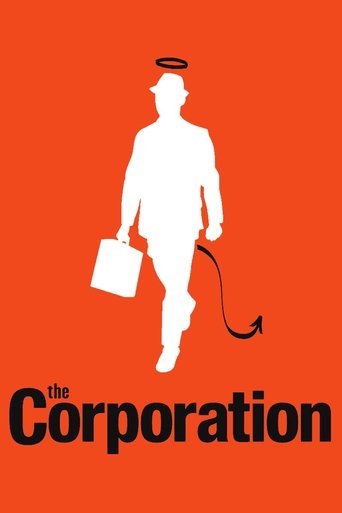
Since the late 18th century American legal decision that the business corporation organizational model is legally a person, it has become a dominant economic, political and social force around the globe. This film takes an in-depth psychological examination of the organization model through various case studies. What the study illustrates is that in the its behaviour, this type of "person" typically acts like a dangerously destructive psychopath without conscience. Furthermore, we see the profound threat this psychopath has for our world and our future, but also how the people with courage, intelligence and determination can do to stop it.
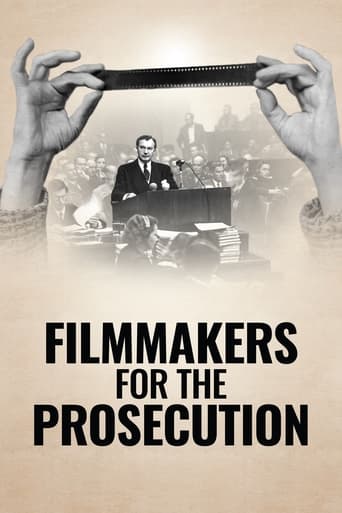
In 1945, two young American soldiers, brothers Budd and Stuart Schulberg, are commissioned to collect filmed and recorded evidence of the horrors committed by the infamous Third Reich in order to prove Nazi war crimes during the Nuremberg trials (1945-46). The story of the making of Nuremberg: Its Lesson for Today, a paramount historic documentary, released in 1948.
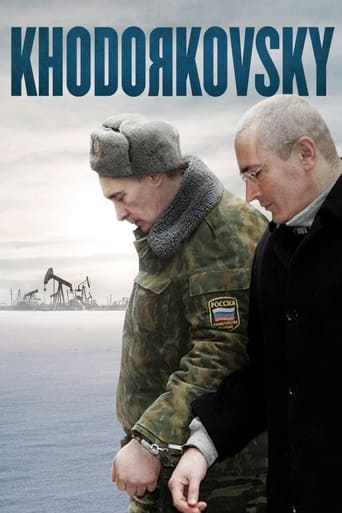
Khodorkovsky, the richest Russian, challenges President Putin. A fight of the titans begins. Putin warns him. But Khodorkovsky comes back to Russia knowing that he will be imprisoned, once he returns. When I heard about it, I asked myself: why didn't he stay in exile with a couple of billions? Why did he do that? A personal journey to Khodorkovsky.
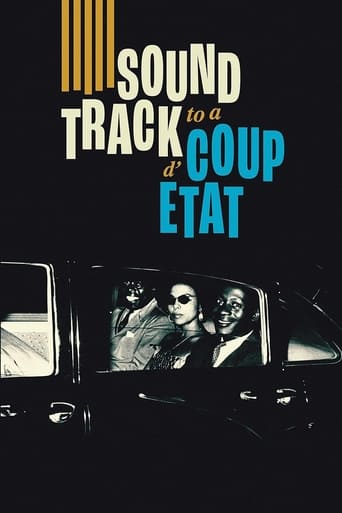
Jazz and decolonization are intertwined in a powerful narrative that recounts one of the tensest episodes of the Cold War.
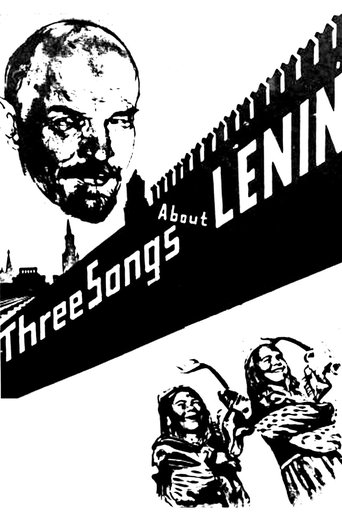
Three episodes comprise three songs sung by anonymous Soviet peoples about Vladimir Ilyich Lenin.
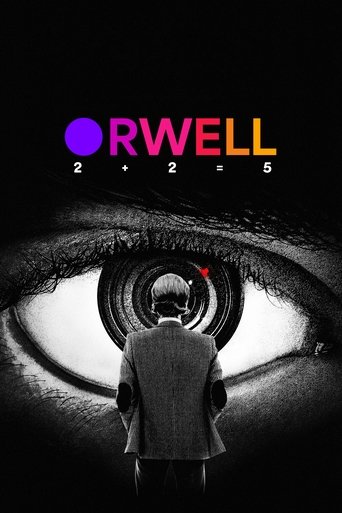
George Orwell was one of the most visionary authors of the 20th century, whose novels 1984 and Animal Farm foretold a chilling, authoritarian future. Acclaimed director Raoul Peck interweaves clips, readings from Orwell's diary, cinematic references, and modern-day footage to craft not only a portrait of the writer, but a fresh take on how prophetic his work has become.
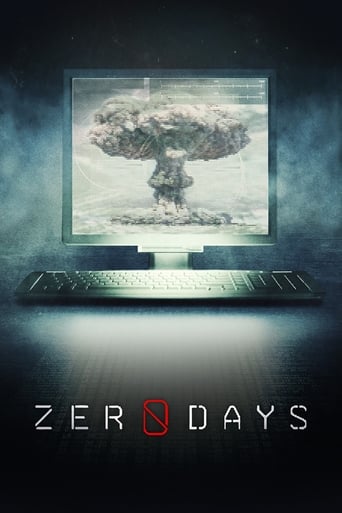
Alex Gibney explores the phenomenon of Stuxnet, a self-replicating computer virus discovered in 2010 by international IT experts. Evidently commissioned by the US and Israeli governments, this malware was designed to specifically sabotage Iran’s nuclear programme. However, the complex computer worm ended up not only infecting its intended target but also spreading uncontrollably.
“The Soviet Story” is a story of an Allied power, which helped the Nazis to fight Jews and which slaughtered its own people on an industrial scale. Assisted by the West, this power triumphed on May 9th, 1945. Its crimes were made taboo, and the complete story of Europe’s most murderous regime has never been told. Until now...
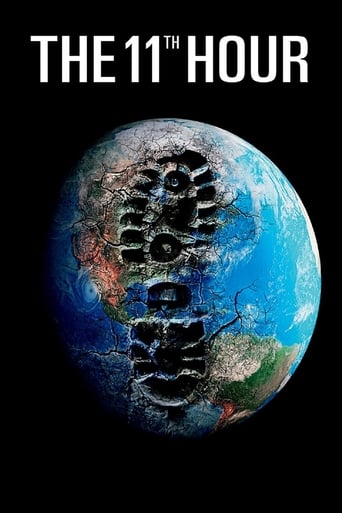
A look at the state of the global environment including visionary and practical solutions for restoring the planet's ecosystems. Featuring ongoing dialogues of experts from all over the world, including former Soviet Prime Minister Mikhail Gorbachev, renowned scientist Stephen Hawking, former head of the CIA R. James Woolse
A visual montage portrait of our contemporary world dominated by globalized technology and violence.
Legendary and controversial attorney Roy Cohn was a power broker in the rough and tumble world of New York City business and politics. Senator Joseph R. McCarthy’s top counsel during investigations into Communist activities in the 1950s, Cohn is also known for being Donald Trump’s former personal lawyer, fixer and mentor.
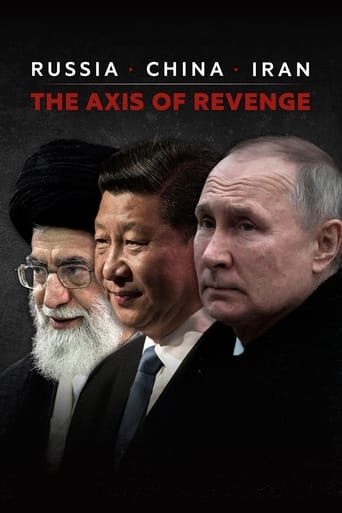
Russia, China and Iran: three former empires are determined to take their revenge and reassert their power after centuries of humiliation. Since the start of the war in Ukraine, they have never been so aligned on the international stage. Their common goal: to put an end to Western hegemony, restore their zone of influence and propose a new model of society. To achieve this, they are waging a hybrid war against the democracies: military, technological, economic, informational and ideological. Are they on the verge of joining forces to create a new world order?
Former Chief Official White House Photographer Pete Souza's journey as a person with top secret clearance and total access to the President.
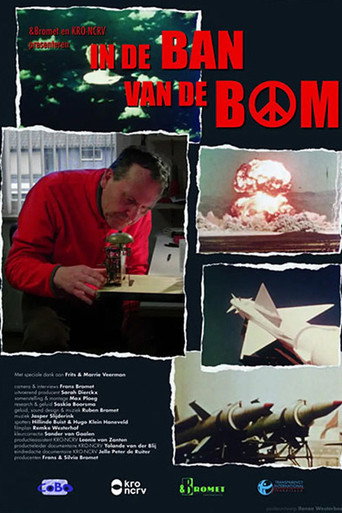
Documentary about whistleblower Frits Veerman, who in the 1970s exposed the nuclear espionage at Urenco in which his Pakistani colleague Abdul Khan smuggled nuclear data out of the country. He was fired and fought for 40 years for rehabilitation. Frans Bromet examines the moral compass of the headstrong whistleblower in the politically shadowy and high-profile espionage scandal. Bromet wants to understand what underlies years of backroom politics, an intelligence agency that refuses to grant access to the file, and international interests that apparently prevail over the protection of an observant citizen by his government. The fact that the Dutch State takes no responsibility in this matter weighs heavily, literally and figuratively, on Veerman. The threat of a nuclear bomb remains real. Will a potential rehabilitation offer the satisfaction he has been waiting for forty years?
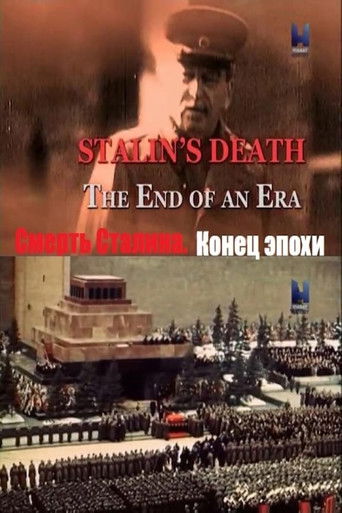
Moscow, March 5th 1953. Stalin is dead. One day later, he is lying in state in an open coffin. Over one and a half million people move through the streets of Moscow. A last farewell for the man they worship like a god. Eyes full of tears. For three days they mourn in deep grief the loss of their "Leader" - their "Father", the "Greatest Man of our Time". During five minutes of silence throughout the East Bloc time seems to stop, as the coffin is laid to rest in the Mausoleum at the Red Square. They can't believe that he has left them. How can we go on without Stalin? What will become of us? The sudden death of Stalin creates a gigantic vacuum. The documentary takes a in-depth look at the story of a dramatic historical impact in the middle of the 20th Century. It tells about the tremor, the fear and the hope of the people. The contrariness appears as much as the bizarre and the absurd. 1953 strongly changed the history of the Soviet Union and the Eastern Bloc.
Thirty-six years after the Chernobyl nuclear reactor exploded in Soviet Ukraine, newly uncovered archival footage and recorded interviews with those who were present paint an emotional and gripping portrait of the extent and gravity of the disaster and the lengths to which the Soviet government went to cover up the incident, including the soldiers sent in to “liquidate” the damage. Chernobyl: The Lost Tapes is the full, unvarnished true story of what happened in one of the least understood tragedies of the twentieth century.
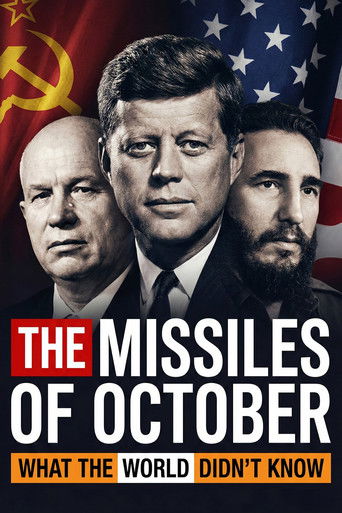
This documentary by ABC News commemorates the 30th anniversary of the 1962 Cuban Missile Crisis. It provides a behind-the-scenes look at how close the U.S. and Soviet Union actually came to catastrophe.
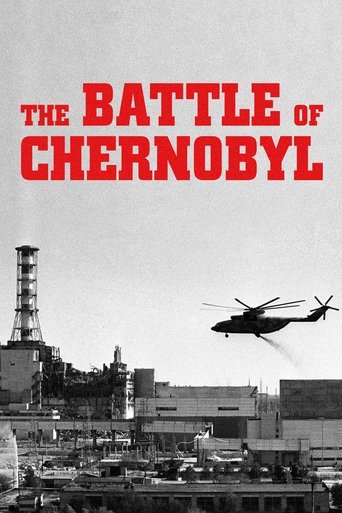
On April 26, 1986, a 1,000 feet high flame rises into the sky of the Ukraine. The fourth reactor of the Chernobyl nuclear power plant just exploded. A battle begins in which 500,000 men are engaged throughout the Soviet Union to "liquidate" the radioactivity, build the "sarcophagus" of the damaged reactor and save the world from a second explosion that would have destroyed half of Europe. Become a reference film, this documentary combines testimonials and unseen footage, tells for the first time the Battle of Chernobyl.
A road trip across five countries to explore the social and political movements as well as the mainstream media's misperception of South America while interviewing seven of its elected presidents.
An investigation of "disaster capitalism", based on Naomi Klein's proposition that neo-liberal capitalism feeds on natural disasters, war and terror to establish its dominance.
The strange case of Mikhail Khodorkovsky — once believed to be the wealthiest man in Russia — who rocketed to prosperity and prominence in the 1990s, served a decade in prison, and became an unlikely martyr for the anti-Putin movement.
15 years ago, the Swedish defense took time out to become more modern and sharper. Today, the outside world and politicians are amazed at how little was left. What actually happened?
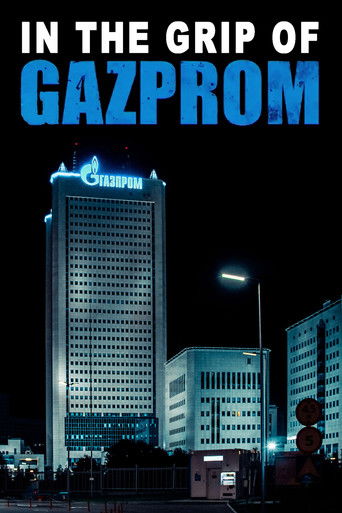
The war in the Ukraine has changed the way many European countries view Russian politics. Suddenly it became clear how dependent countries had become on Russian gas imports for decades and what Vladimir Putin was up to. However, no country needs more gas than Germany. It was only after Russia's invasion of the Ukraine that the German government realized that Russia had long used gas as a weapon to impose its will on states. The instrument created for this purpose is the natural gas production company GAZPROM. So how did Germany become so dependent on Russian gas? The documentary shows how, over several decades and several changes of government, a broad alliance of politicians and business representatives did everything possible to secure Germany's energy supply with cheap Russian gas, while the Kremlin's foreign policy became increasingly aggressive and the warnings of experts went unheeded.
Historic Russian battles to repel invaders serve as prelude to the story of events that redrew the map of Eastern Europe and parts of Asia in the 20th century. Following the turmoil of the Bolshevik Revolution, Communist Russia faces the venom of Nazi aggression. 1940's film footage reveals the harsh reality of total war, as the Red Army and Soviet civilians alike confront a brutal and tenacious enemy. The following decades are darkened by tensions between the USSR and foreign powers, and violent measures taken to silence voices of dissent. Finally, the Soviet people's yearning for a freer society leads to accelerating reforms and the ultimate dissolution of the USSR.
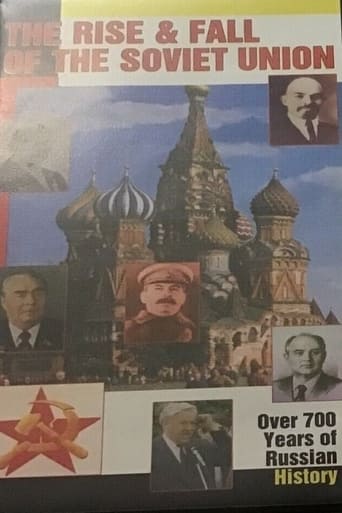
Eldar Ryazanov in conversation with Boris Yeltsin.
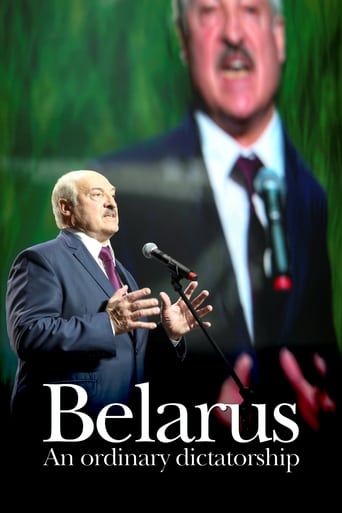
It’s the last dictatorship of Europe, caught in a Soviet time-warp, where the secret police is still called the KGB and the president rules by fear. Disappearances, political assassinations, waves of repression and mass arrests are all regular occurances. But while half of Belarus moves closer to Russia, the other half is trying to resist…
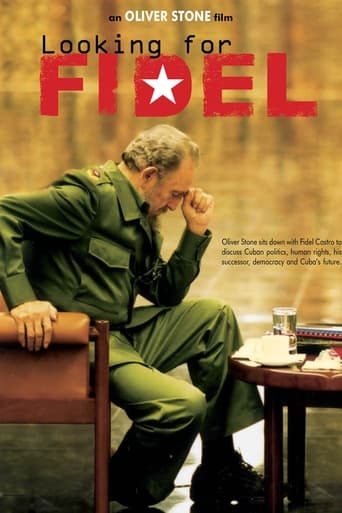
Oliver Stone's second documentary on/interview with Fidel Castro specifically addresses his country's recent crackdown on Cuban dissidents; namely, the execution of three men who hijacked a ferry to the United States.
A visual montage portrait of our contemporary world dominated by globalized technology and violence.
Shares a lead actor · Viewers also picked
Historic Russian battles to repel invaders serve as prelude to the story of events that redrew the map of Eastern Europe and parts of Asia in the 20th century. Following the turmoil of the Bolshevik Revolution, Communist Russia faces the venom of Nazi aggression. 1940's film footage reveals the harsh reality of total war, as the Red Army and Soviet civilians alike confront a brutal and tenacious enemy. The following decades are darkened by tensions between the USSR and foreign powers, and violent measures taken to silence voices of dissent. Finally, the Soviet people's yearning for a freer society leads to accelerating reforms and the ultimate dissolution of the USSR.
Shares 2 cast members · Same director
This documentary by ABC News commemorates the 30th anniversary of the 1962 Cuban Missile Crisis. It provides a behind-the-scenes look at how close the U.S. and Soviet Union actually came to catastrophe.
Shares a lead actor · TMDB similar
Al Pacino's deeply-felt rumination on Shakespeare's significance and relevance to the modern world through interviews and an in-depth analysis of "Richard III."
Viewers also picked
The life and career of an actor, artist, and icon. His own journey through his own camera.
Viewers also picked
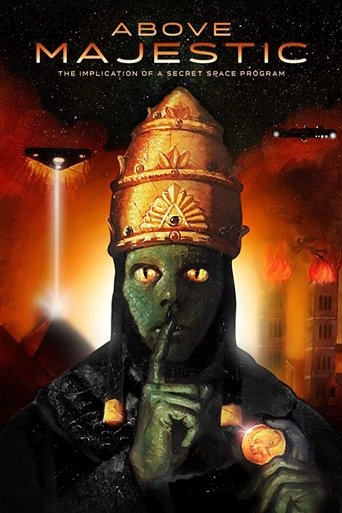
A look at the origins, history and conspiracies behind the "Majestic 12", a clandestine group of military and corporate figureheads charged with reverse-engineering extraterrestrial technology.
Viewers also picked
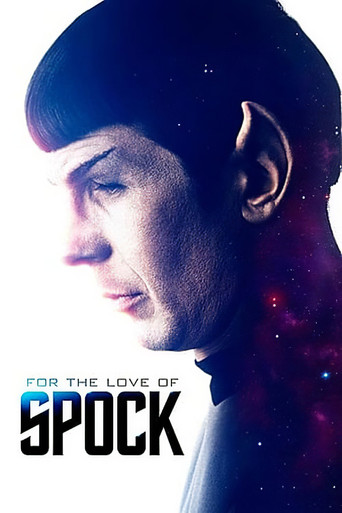
The life of Mr. Spock, as well as that of Leonard Nimoy, the actor who played him for almost fifty years, written and directed by his son: Adam.
Viewers also picked
Daniel Craig candidly reflects on his 15 year adventure as James Bond. Including never-before-seen archival footage from Casino Royale to the upcoming 25th film No Time To Die, Craig shares his personal memories in conversation with 007 producers, Michael G Wilson and Barbara Broccoli.
Viewers also picked
Since the late 18th century American legal decision that the business corporation organizational model is legally a person, it has become a dominant economic, political and social force around the globe. This film takes an in-depth psychological examination of the organization model through various case studies. What the study illustrates is that in the its behaviour, this type of "person" typically acts like a dangerously destructive psychopath without conscience. Furthermore, we see the profound threat this psychopath has for our world and our future, but also how the people with courage, intelligence and determination can do to stop it.
Shares a lead actor
Russia, China and Iran: three former empires are determined to take their revenge and reassert their power after centuries of humiliation. Since the start of the war in Ukraine, they have never been so aligned on the international stage. Their common goal: to put an end to Western hegemony, restore their zone of influence and propose a new model of society. To achieve this, they are waging a hybrid war against the democracies: military, technological, economic, informational and ideological. Are they on the verge of joining forces to create a new world order?
Shares 2 cast members · TMDB similar