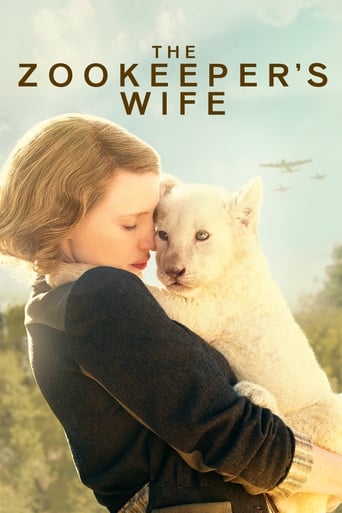
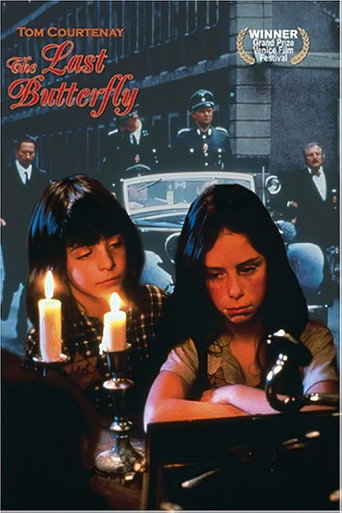
The account of keepers of the Warsaw Zoo, Jan and Antonina Zabinski, who helped save hundreds of people and animals during the Nazi invasion.
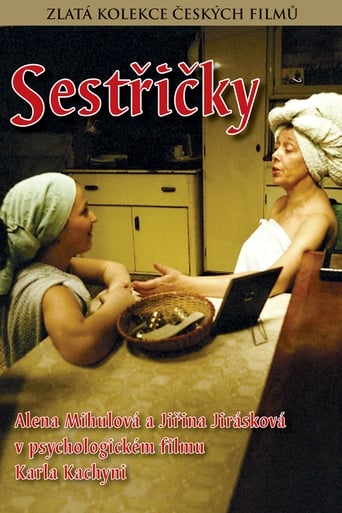
A Czech psychological film about the school of life, its sorrows and beauties. The main character is a young aspiring nurse Marie Sahulová, who, after a trouble in the hospital - she secretly brought a boy to her boarding school - is transferred to a rural health centre, where together with an old doctor and a peculiar nurse she has to travel around twenty-five villages and a number of solitudes in the harsh environment of the neglected villages of the 1950s. The nurse, a wise and experienced woman whom no one calls anything other than "babi", becomes her guide, who introduces her to the practice and the pitfalls of private life in a distinctive way. In the mosaic of everyday worries and more or less serious medical interventions, Marie matures and finds the meaning of her work and life.
The account of keepers of the Warsaw Zoo, Jan and Antonina Zabinski, who helped save hundreds of people and animals during the Nazi invasion.
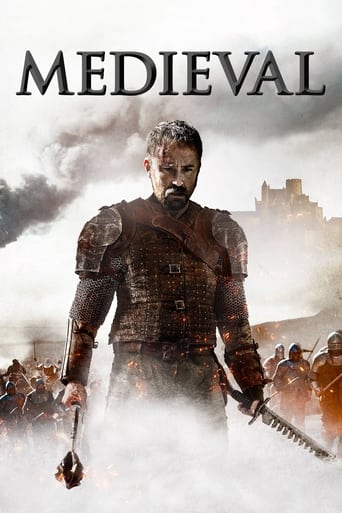
The story of fifteenth century Czech icon and warlord, Jan Zizka, who defeated armies of the Teutonic Order and the Holy Roman Empire.
Whizzy is a little mouse, Whitebelly is a fox. They are naturally mortal enemies. One day, after an unfortunate accident, both meet in animal heaven. Together, they will embark on a fantastic journey and discover friendship can overcome everything.
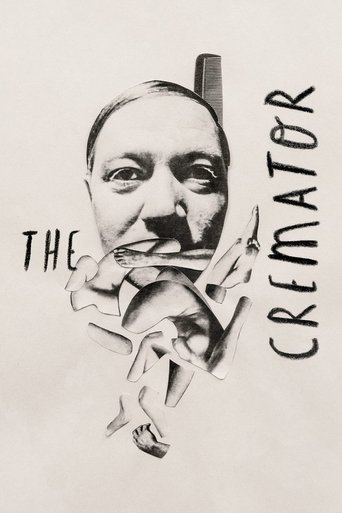
In 1930s Prague, a Czech cremator who firmly believes cremation relieves one from earthly suffering is drawn inexorably to Nazism.
Mikolás and his brother Adam end up with a young German hostage of noble blood during a robbery. While their clan prepares for the wrath of the German king, Mikolás is sent to pressure his neighbor Lazar into a defense pact. Persuasion fails and he abducts Lazar's daughter Marketa on the eve of her initiation as a nun in an act of vengeance.
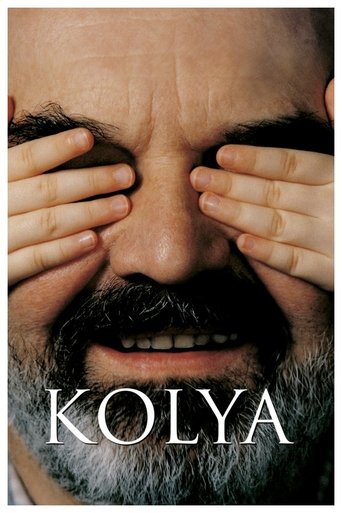
After a fictitious marriage with a Russian emigrant, Cellisten Louka, a Czech man, must suddenly take responsibility for her son. However, it’s not long before the communication barrier is broken between the two new family members.
A dramatic story of a mother and daughter set in the late 1980s. The film tells the story of Lilian, a young mother whose life has not been easy. She has an intellectual disability and, to make matters worse, suffered a traumatic assault during her adolescence. The relatively idyllic life she shares with Mrs. Holasová, who cares for both Lilian and her young daughter Malvína, is shattered by the death of the eldest member of this three-generation trio of women. Lilian and Malvína’s lives are thus turned upside down literally from one moment to the next.
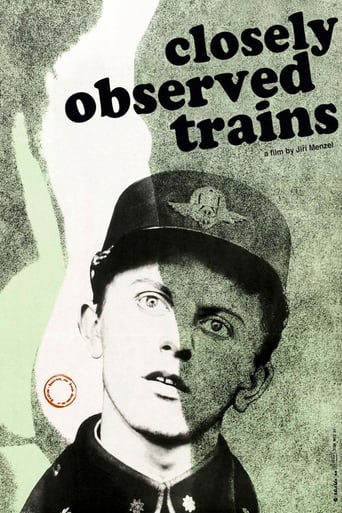
At a village railway station in occupied Czechoslovakia, a bumbling dispatcher’s apprentice longs to liberate himself from his virginity. Oblivious to the war and the resistance that surrounds him, this young man embarks on a journey of sexual awakening and self-discovery, encountering a universe of frustration, eroticism, and adventure within his sleepy backwater depot.
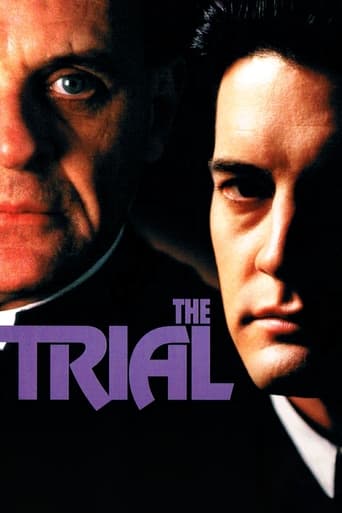
Joseph K. awakes one morning, to find two strange men in his room, telling him he has been arrested. Joseph is not told what he is charged with, and despite being "arrested," is allowed to remain free and go to work. But despite the strange nature of his arrest, Joseph soon learns that his trial, however odd, is very real, and tries desperately to spare himself from the court's judgement.
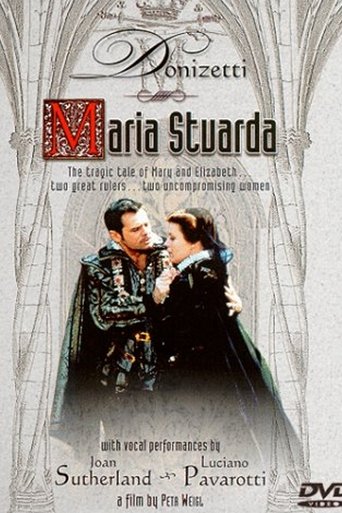
Donizetti's opera as film.
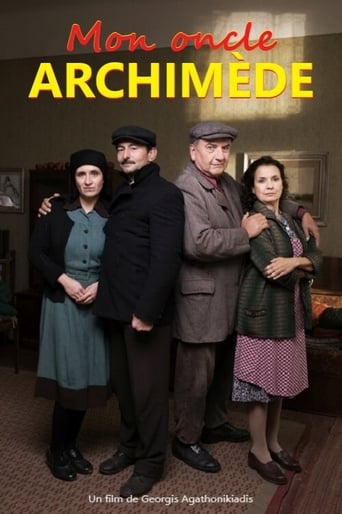
Telling the story of Archimedes, one of thousands of refugees who left Greece for Czechoslovakia at the end of the 1940s, as the Greek civil war meant many communist fighters sought refuge in communist countries. Told through the eyes of Archimedes’ grown-up nephew Aris, who recalls how his uncle's life changed when he escaped from Greece to Czechoslovakia with the naive dream of a rosy future under a socialist regime. But all was not as it seemed.
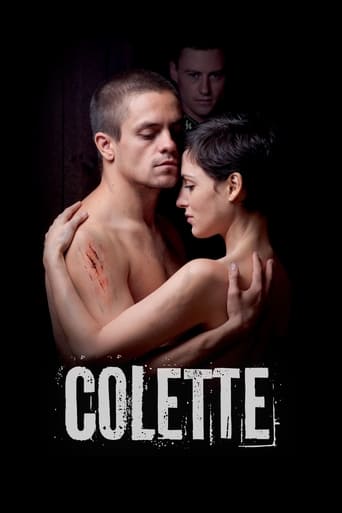
As World War II rages on, Villi and Colette are captured and sent to Auschwitz concentration camp. Imprisoned within separate compounds, the lovers must risk their lives to be together again.
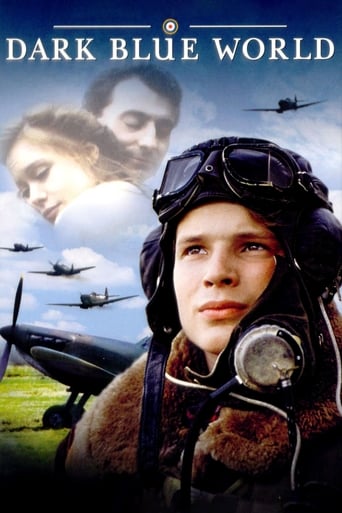
Lt. Franta Slama is a top pilot in the Czech Air Force who is assigned to train a promising young flier, Karel Vojtisek, and they soon become friends. When Nazi Germany invades Czechoslovakia in 1939, they both reject the authority of their new leaders and escape to England where they join other Czech exiles in the RAF. While flying a mission over England, Karel crash lands and happens upon the farmhouse of Susan, a young woman whose husband is in the Navy. Karel soon falls head over heels for Susan but, while they enjoy a brief fling, in time Susan decides she prefers the company of the older and more worldly Franta. As Franta and Karel struggle to maintain their friendship despite their romantic rivalry.
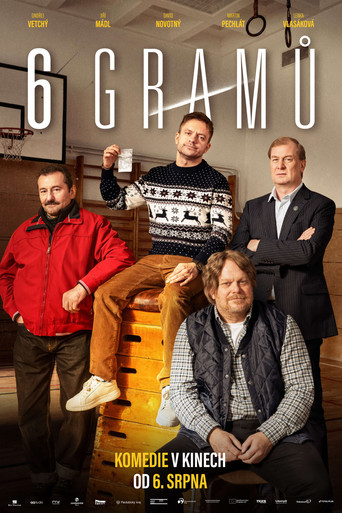
Four fathers meet in the secondary school gym, where the headmistress has summoned them after a bag containing a suspicious white powder was found amongst their sons’ belongings during a skiing trip. Each of them arrives with different excuses and the conviction that it is their child who is innocent. What’s more, the headmistress knows that a local councillor is trying to secure her job for his mistress, and she suspects that the whole situation is part of a campaign against her. The meeting thus quickly descends into a series of misunderstandings, accusations and increasingly absurd situations. One afternoon that spirals completely out of control for everyone involved.
Stage mime Antoine Moreau is compelled by the Gestapo to put on a performance for the children of Terezin, a "model" concentration camp, to convince the Red Cross observers that the camp is truly what it seems. Reluctant at first, Moreau slowly learns the true nature of the camp, including the meaning of the "transports" on which people leave. With a world-class orchestra (made up of people interned in the camp) and a cast of children, Moreau stages a show to end all shows.
Lemuel Gulliver has had a car accident and continues his journey across the unknown countryside on foot. On the road he finds a dead rabbit dressed like a man and takes a watch from its waistcoat breast pocket. The half-ruined house that he enters reminds Lemuel of his childhood and brings up a painful memory of a dearly loved girl Markéta who was drowned years ago. Gulliver finds himself in Balnibarbi, a country where he doesn't understand the laws and habits and so continually offends against public decency. It is a day when people are ordered to keep their mouths shut and they force their visitor to follow suit. He faces harsh interrogation and finds it difficult to explain that he is not the rabbit Oscar whose watch has been found in his possession.
Two happily married couple, Michal and Blanka, experience a regrettable misunderstanding: the wife leaves home with their young son, but unfortunately her husband does not find the explanatory letter. Normally, he would wait for the matter to resolve itself, as he does not believe that his wife would just leave him, but he is under a lot of pressure: from his own parents, his neighbor, his mother-in-law, and his "good friends." They all advise him that the only solution is an immediate divorce. After a week, everything is explained, Michal finds Blanka's note and realizes how little he trusted Blanka and how easily he believed others...
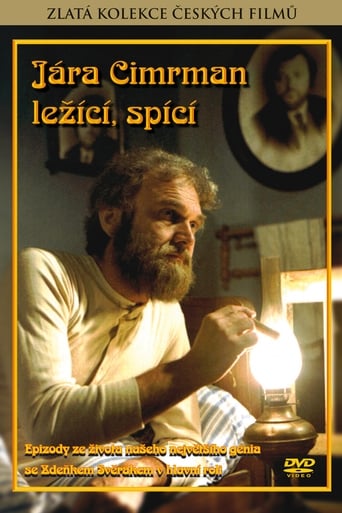
Czechoslovak comedy film directed by Ladislav Smoljak, about the fictional national hero Jára Cimrman (universal genius, inventor, sportsman, criminalist, poet, writer and philosopher).
Honza and Zuzana are very young husband and wife. They have a little daughter of whom willingly occasionally take care the grandparents and Honza's fifteen-year-old brother Martin. Zuzana continues studying and Honza devotes all weekends as an amateur competitor to the motor-cycles at the speedway. Zuzana is not interested in motor-cycles. Martin holds responsible for his brother's marriage and at the advice of his friend Magda, who is of the same age, invites her sister-in-law to the club of Hucul horses so that she does not feel bored. But by misfortunes and unexplained quarrels both young husband and wife start being jealous of one another.
Dedicated home care nurse Vlasta attends her whimsical patients in Czech wine country and lives for her husband Lada and her daughter, but one day things change and Vlasta is forced to reach outside of her comfort zone. Drama and gentle humor intertwine as Vlasta realizes, for the first time in her life, that she might need some care, too.
The husband and wife Ludva and Hedus Homolkas with their twins Péta and Máta and Ludva's parents - the granny and grandpa - arrive in the snowy Spindleruv Mlýn for a holiday. They promise to each other that they will not spoil the quite expensive holiday by quarrels. If somebody hurts the other one he/she will kneel as a punishment.
A story of love and honor that takes place during the mid-nineteenth century during revolutions, as well as economic, political, and social hypocrisy. Two extraordinary but lonely artists share a passionate love, as evidenced by the preserved letters that they exchanged.
Francin, manager of a small-town brewery, has a charming wife whose abundant blonde locks are an adornment to the town. Maryska looks ethereal but loves meat and beer, while Francin is an ascetic. The strict members of the brewery board of directors come to audit the accounts, but are diverted from concentrating on Francin's detailed reports by Maryska, who has organized a pig-killing feast and is ably assisting the butcher. When she invites the old curmudgeons on the board to enjoy the fresh pork, they are too happy to agree. Francin doesn't know whether he is going to get a permanent contract. To make things worse his brother Pepin - eccentric, noisy and garrulous - turns up on an indefinite visit.
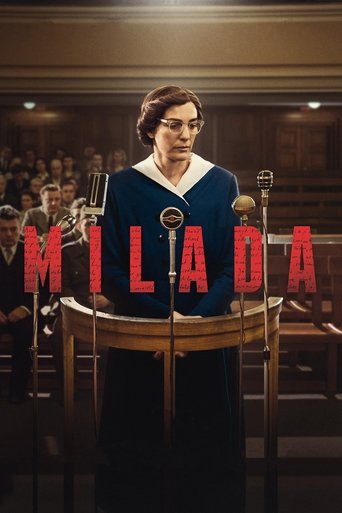
Pre-WWII Czech democratic politician Milada Horáková was one of the first victims of the communist regime in Czechoslovakia. Opposing the 1948 coup but not leaving the country, she was arrested and tried for treason on fabricated charges in a show trial broadcast on the radio.
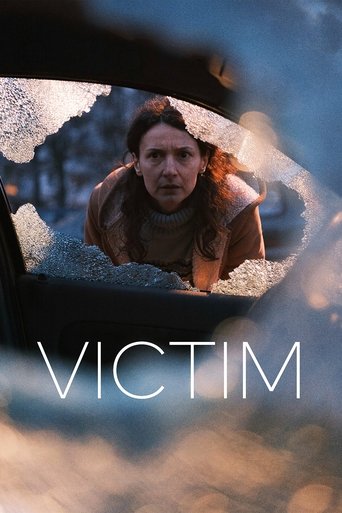
When the son of Ukrainian immigrant Irina is attacked, the whole city stands up in solidarity with her family and condemns their Roma neighbors, who allegedly committed the crime. But soon another truth starts to emerge.
When a comet passes the Earth at close range, it pulls a small part of North Africa with it. Carried along are a bunch of people, among them Angelika, who has just escaped from a ruthless weapon dealer's ship, and her two brothers, who are searching for her. Then there's a group of natives planning a rebellion against the French colonists. All conflicts become secondary when the people finally realize that they're doomed to live together on an alien planet. However, this time of peace and happiness won't last for long...
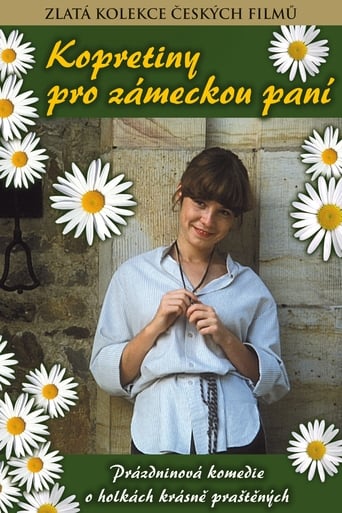
Fifteen-year-old Kateřina will once again spend the holidays at the Castle Krabonoš, where her parents are both wardens. She finds it dull because she's got to sit at the castle's ticket office and sell tickets. That is, until the arrival of the new tour guide, Petr, a young history student. She falls in love at first sight. But for Petr she's just a young crazy girl. Katka tries to get Petr's attention in various ways, but all in vain. She makes a last ditch effort by pretending to steal some rare castle steins from the castle's collection. It's only after some detectives arrive that Katka realizes that she may have overdone it, but she finally manages to get Petr to notice her.
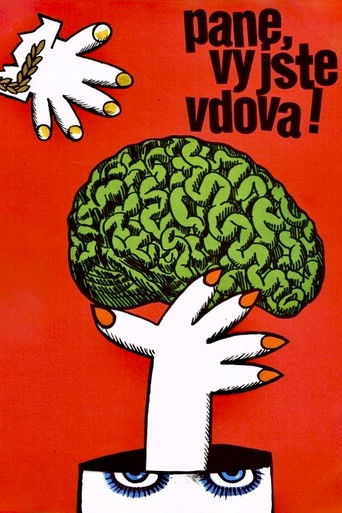
After a soldier cuts off the arm of king's cousin, king decides to deactivate the army. Of course, generals don't like it at all and they try to kill the king. The assassin should be artificial body in the shape of actress Evelina Keleti and with brain of psychotic serial killer Fany Stubová. They also manage to kill king's astrologer Stuart Hampl, who warns the king. Accidentally, Hampl's brain is implanted into assassin's body, actress Keleti is killed and chaos begins.
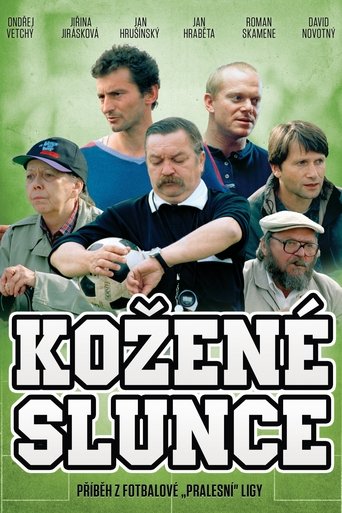
As the name suggests, the movie is about football. It is not about big league soccer, making huge money. It is about football, which lives just from village fans enthusiasm, from the enthusiasm of fathers and their sons and club officials. And yet on this battlefield, where the pub and silent household alternates, it is often about everything: friends, family, the meaning of life. It is about playing fair, but also about fighting below the belt. It is about winning, but also about falling into the abyss of the league wilderness.
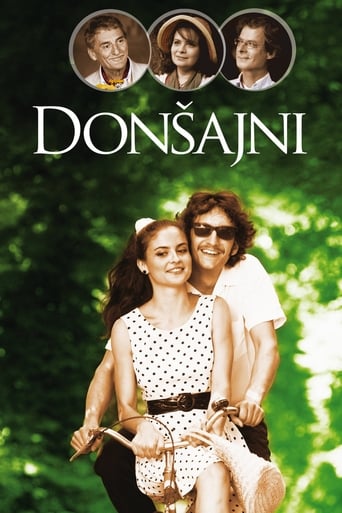
An opera troupe in a small town decides to perform Mozart's Don Giovanni. The view behind the scenes uncovers the world of opera without the glitter. A tale of love and disappointment, about music and passionate love-making and about people that live their lives in spite of the opera.
Sixty-year old Jindřich is waiting for a heart transplant. His wife, in an effort to protect him from a heart attack, has moved with him and their teenage daughter to their cottage in the countryside, so that he would have an absolutely peaceful life. But their son David comes for a holiday and he is not alone. He would like to discuss his life situation with his father but his mother intervenes as she is afraid that it would upset his father. Is, however, the worry about his health the real reason why she is making her children lie to their father?
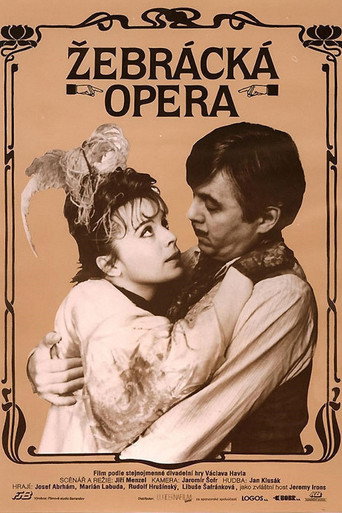
Unlike any other opera, the so-called Beggar's Opera is not just one composition, but a lineage of adapted compositions, beginning with the original hugely successful 1728 political satire written by Englishman John Gay. Composers and writers have penned variations on it ever since. The most famous of these was A Threepenny Opera by Bertholt Brecht and Kurt Weill. Some things these compositions share in common is their setting among the poor and criminal classes, and the roguish character Macheath. This production is based on an adaptation of Gay's original by Vaclav Havel the freedom-fighter, writer and philosopher who became the first (and only) president of the united post-communist country of Czechoslovakia, and it retains many traces of its theatrical origins. Film reviewers were not too tolerant of what they called "slavish adherence" to the noted Czech writer's stage production, but theater, philosophy and history buffs may feel otherwise.
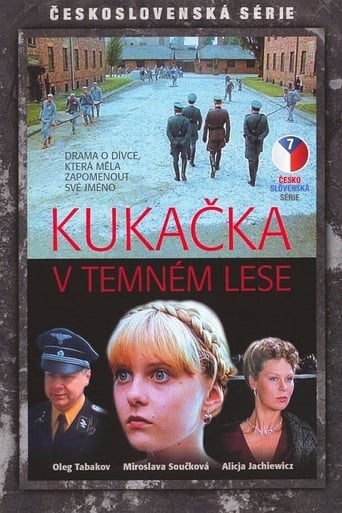
Set in World War 2 as the Germans occupy Czechoslovakia, teenage Emilka's father is murdered by the Nazis, but she is selected for special treatment by virtue of being blonde. She is billeted with the commandant of a concentration camp near the Baltic coast, where his kindness towards her provokes his wife's jealousy, but is compromised when Emilka witnesses his brutality towards the prisoners.
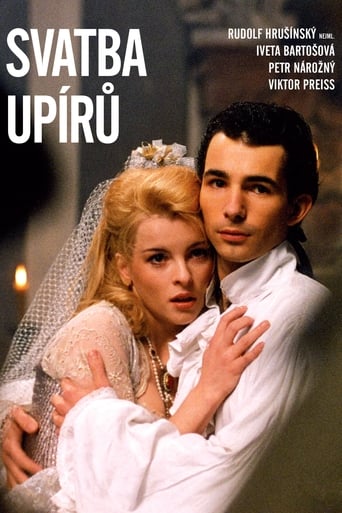
Young English gentleman Richard travels with his uncle Archibald to Prague, Czech kingdom. There he meets a beautiful girl Olivia, a young noblewoman with a secret. They fall in love with each other but he doesn't know Olivia is a companion of evil count Kronberg, ruler of pack of Prague vampires.
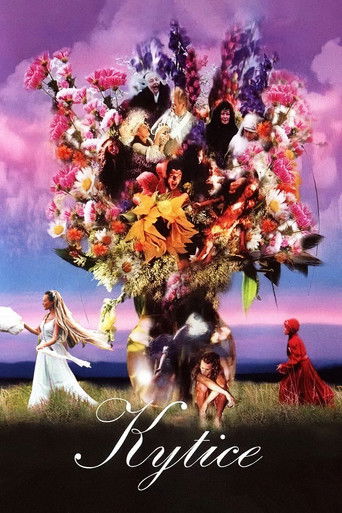
Seven seemingly unconnected fairy tales - glued together only by folklore, mood, color and light - make up this Czech collection of visual poetry. The original piece of literature, written by Karel Jaromír Erben in 1853, contained twelve tales.
As the name suggests, the movie is about football. It is not about big league soccer, making huge money. It is about football, which lives just from village fans enthusiasm, from the enthusiasm of fathers and their sons and club officials. And yet on this battlefield, where the pub and silent household alternates, it is often about everything: friends, family, the meaning of life. It is about playing fair, but also about fighting below the belt. It is about winning, but also about falling into the abyss of the league wilderness.
Shares 3 cast members · Same director
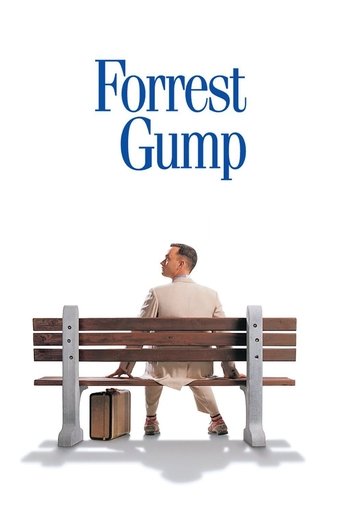
A man with a low IQ has accomplished great things in his life and been present during significant historic events—in each case, far exceeding what anyone imagined he could do. But despite all he has achieved, his one true love eludes him.
Shared themes
Stage mime Antoine Moreau is compelled by the Gestapo to put on a performance for the children of Terezin, a "model" concentration camp, to convince the Red Cross observers that the camp is truly what it seems. Reluctant at first, Moreau slowly learns the true nature of the camp, including the meaning of the "transports" on which people leave. With a world-class orchestra (made up of people interned in the camp) and a cast of children, Moreau stages a show to end all shows.
Shares a lead actor · Same director
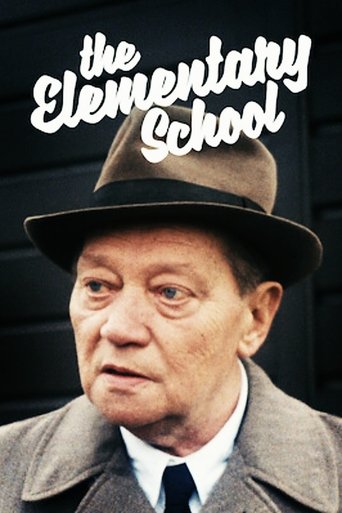
The time is 1945-46. 10 year old Eda and his friend Tonda live in a small village outside Prague. In school, their class is so wild and indisciplined that their teacher quits and is replaced by the militant Igor Hnidzo. He is very strict – but also very fair. His weakness though, is his interest in young women.
Shares a lead actor · Same director
Two families, Sebkovi and Krausovi, are celebrating Christmas, but not everyone is in a good mood. The teenage kids think that their fathers are totally stupid, and the fathers are sure that their children are nothing more than rebels, hating anything they say.
Viewers also picked
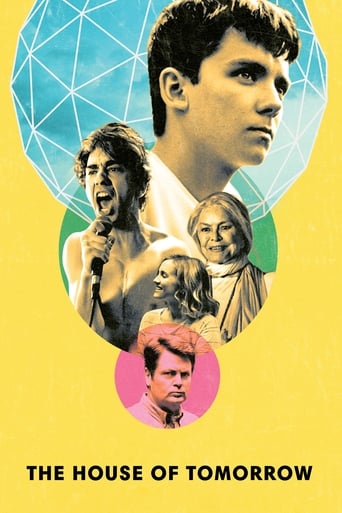
The film tells futurist, architect, and inventor R. Buckminster Fuller's incredible story through two teens hoping to get laid, become punk gods, and survive high school.
Viewers also picked
A man in his mid-20s, still living at home with his mother and stepfather, puts all his eggs in one basket: the girl who works at his local coffee shop. The problem is, she has a serious boyfriend. As they become closer, the line between friendship and intimacy is blurred, and the situation forces both to examine where they are in their lives.
Viewers also picked
After a fictitious marriage with a Russian emigrant, Cellisten Louka, a Czech man, must suddenly take responsibility for her son. However, it’s not long before the communication barrier is broken between the two new family members.
Shares a lead actor
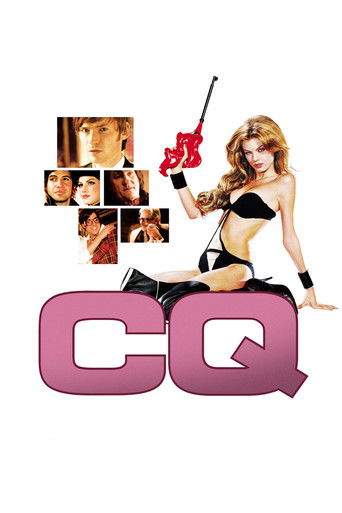
A young filmmaker in 1960s Paris juggles directing a cheesy sci-fi debacle, directing his own personal art film, coping with his crumbling relationship with his girlfriend, and a new-found infatuation with the sci-fi film's starlet.
Viewers also picked
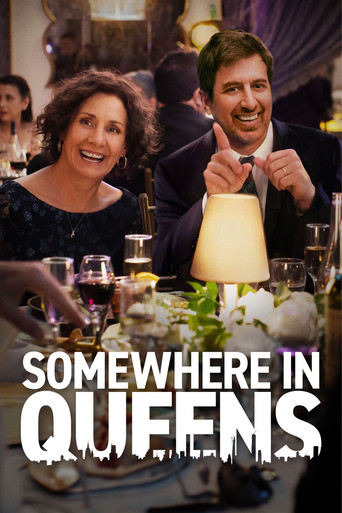
Leo and Angela Russo live a simple life in Queens, surrounded by their overbearing Italian-American family. When their son finds success on his high school basketball team, Leo tears the family apart trying to make it happen.
Viewers also picked