Skip to content
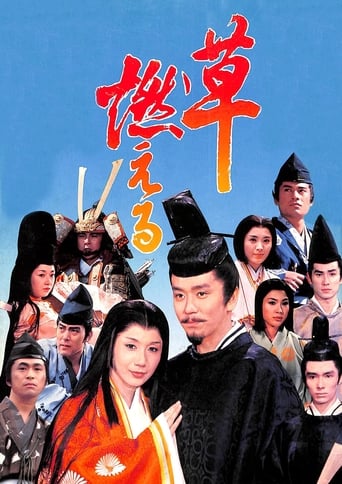
Sanada Taiheiki poster
Recommendations based on

Sanada Taiheiki

1985 TV Show Drama

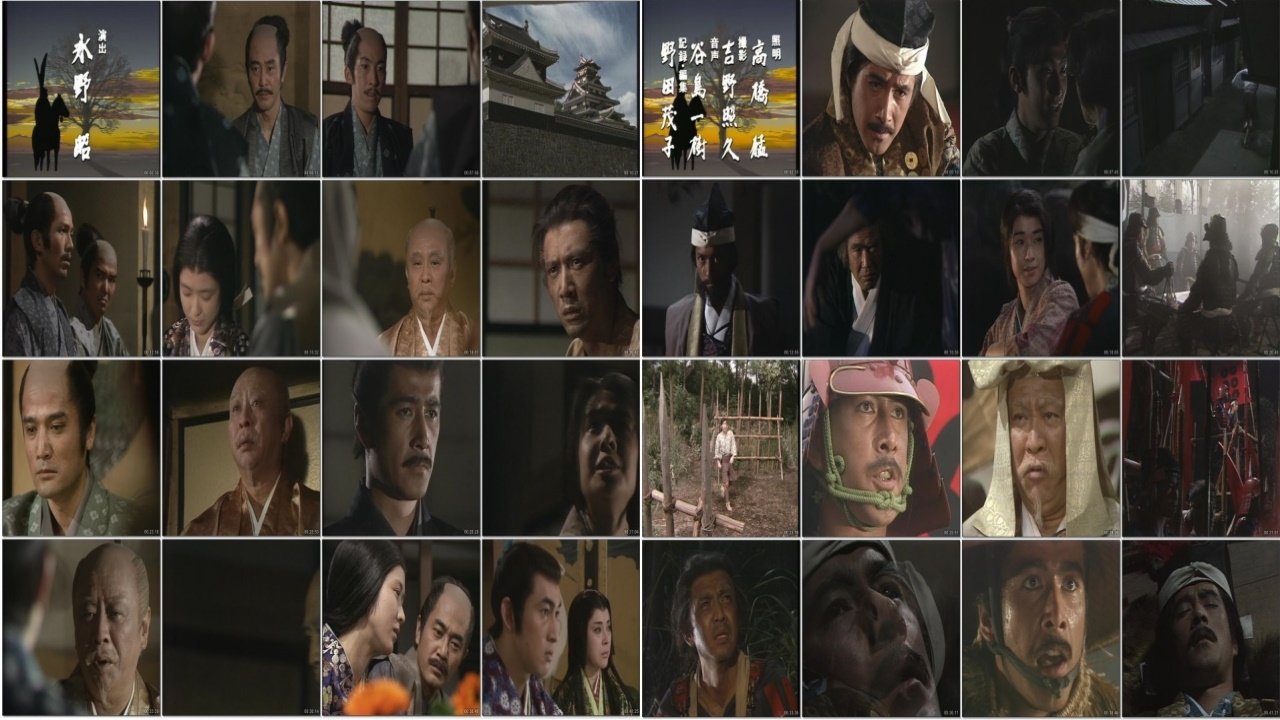
The drama tells the story of the Sanada family. Originally serving the Takeda Clan they ruled the northern district of Shinano. The story begins right after the death of Takeda Shingen, continues through the rise of Tokugawa Ieyasu who founded the Tokugawa shogunate and covers roughly the period 1580-1610.

Same cast & genre

31 Shares actors and at least one genre with this title
Doctor-X: Surgeon Michiko Daimon poster
7.5 TV

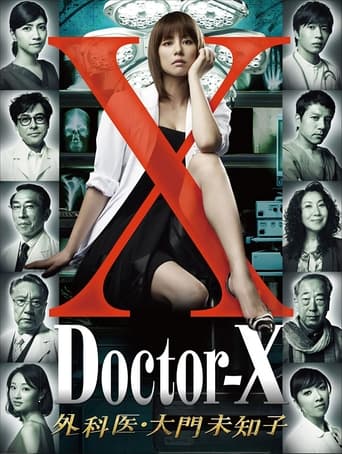
Daimon Michiko is a 37-year-old freelance surgeon who is part of a questionable “doctor placement service” that has her wander from hospital to hospital. The harsh environment at the hospitals led many doctors to retire from their positions, forcing hospitals to make use of said program to fill the empty spots at least temporary. However, Michiko doesn’t look like a doctor at all with her flashy clothes and eccentric attitude. In the first episode she raises objections to a certain operation which is planned to be done by the head of a hospital who hasn’t performed an operation for a very long time. This causes Michiko to incur odium at the hospital, however, everyone becomes frozen when Michiko points out the outdated skills of the director. She also holds a scrupulous compliance when it comes to her working hours, never does any unnecessary chores that don’t require a medical license, and couldn’t care less about the power struggles within the hospitals. Nobody knows how she acquired such a top-level skill that allows her to claim exorbitant sums as reward, but her private life is an even greater mystery to everyone around her. Tanaka plays a rookie surgeon, Uchida an anesthetist, Kishibe the head of the placement service, and Ito the head of the surgical department of this institution.

Doctor-X: Surgeon Michiko Daimon

2012 Drama
G-Men '75 poster
TV

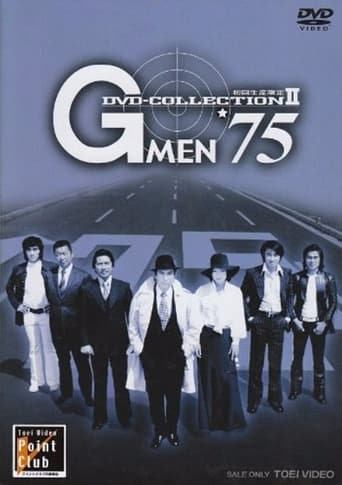
G-Men '75 was a long-running prime-time television detective series in Japan. It aired on Saturday nights in the 9:00–9:54 p.m. time slot on the Tokyo Broadcasting System network from May 24, 1975 to April 3, 1982. A sequel, G-Men '82, followed, as did various specials. With several updates and cast changes, it included 355 episodes. The story revolved around an investigative organ, the G-Men. The principal character, who spanned the entire series, was Superintendent Kuroki. Portrayed by Tetsuro Tamba, Kuroki directed the members of the group. The original cast also included Yasuaki Kurata as Detective Kusano, trained in karate. Gō Wakabayashi joined in Episode 105, and remained to the end of the series. His character, Lieutenant Tachibana, replaced a detective who was written out of the script. Many more actors and actresses took regular roles in the series over the years. Gō Ibuki, Maria Mori, Mari Natsuki, Hiroshi Miyauchi, Takeshi Kaga, Bunjaku Han, and Kyōko Enami were among them. Shunsuke Kikuchi wrote the opening theme songs. Various artists, including some cast members, wrote and performed the closing songs. Among the actresses who sang were Mari Natsuki, Bun-jaku Han, and Kyōko Enami. For most years, the lyrics were by Junya Sato, set to music by Shunsuke Kikuchi. Veteran announcer Takayuki Akutagawa narrated the series.

G-Men '75

1975 Crime
Furuhata Ninzaburo poster
8.8 TV

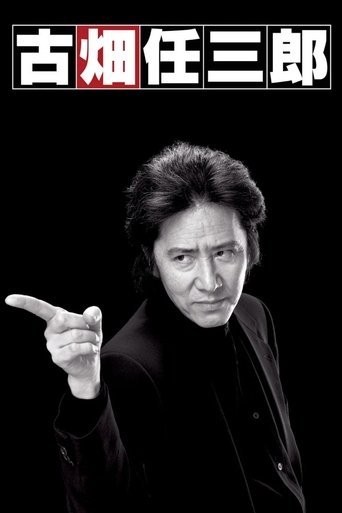
Furuhata Ninzaburō is a Japanese television series that ran periodically on Fuji Television from 1994 until its final episodes in 2006. It was written by Japanese playwright Kōki Mitani and is often referred to as the Japanese version of Columbo. The series is a police detective drama starring actor Masakazu Tamura as Furuhata Ninzaburo and Masahiko Nishimura as his stereotypically bumbling sidekick, Shintaro Imaizumi. The program aired weekly and featured a guest villain each time, usually a famous talent in Japan. Pop-stars like SMAP, television hosts like Sanma Akashiya and even sports figures like Ichiro Suzuki have been featured on this program. It was one of the most popular television dramas in the history of Japanese television, having spawned several seasons and TV specials.

Furuhata Ninzaburo

1994 Drama
Chiritotechin poster
TV

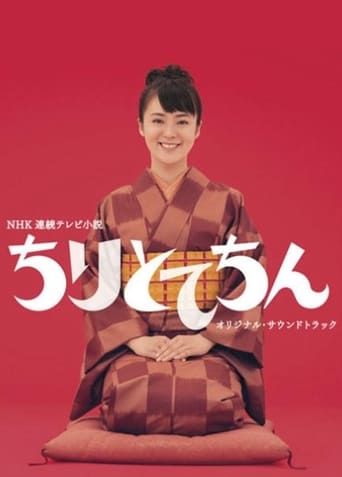
The 77th NHK Asadora is Chiritotechin. Location includes Fukui prefecture. This renzoku is about Wada Kiyomi (referred to as Kiyomi-B), a girl brought up in Fukui who moves to Osaka in search of her soul. In Osaka, Kiyomi-B becomes enchanted with rakugo, a Japanese traditional form of comic storytelling, and pursues a career in rakugo. In the summer of 1982, Kiyomi-B and her family move to Obama of Fukui, her father's hometown. Kiyomi-B's grandmother and uncle welcome the family, but Shotaro the grandfather does not allow Masanori to take over the Wakasa lacquer chopsticks making. One day, Kiyomi-B listens to rakugo at Shotaro's factory and becomes fond of it. Shotaro and Kiyomi-B become close through rakugo.

Chiritotechin

2007 Drama
Atsuhime poster
TV

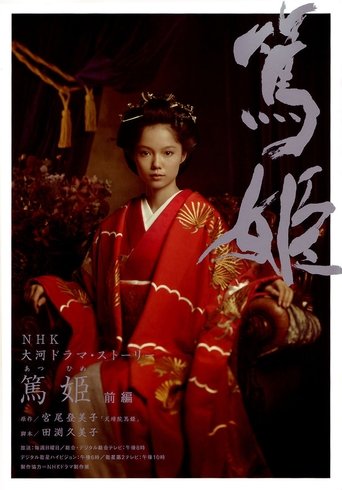
The 47th NHK Taiga Drama is a life story of Princess Atsu, who was born in Kagoshima Prefecture, then called Satsuma, and became the wife of Tokugawa Iesada, the 13th shogun of the Tokugawa shogunate. She accedes to the highest rank in Ooku, the inner palace of the Edo castle where women related to the reigning shogun resided. Iesada dies soon after their marriage and Atsuhime assumes the name Tenshoin at the age of 23. She exerts herself for the Tokugawa clan and for the nation during the upheaval in the Meiji Restoration, headed by those from Satsuma.

Atsuhime

2008 Drama
Key Hunter poster
TV

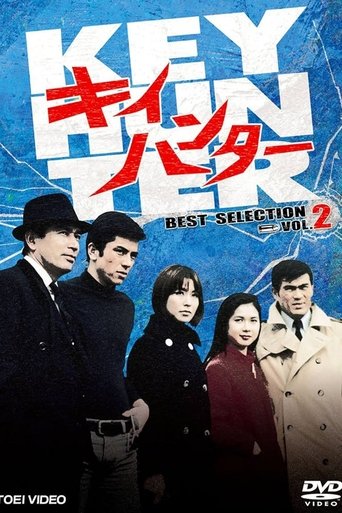
Key Hunter is a prime-time Japanese television detective series. It aired on Saturday nights in the 9:00–9:56 p.m. time slot on the Tokyo Broadcasting System network from April 6, 1968 to April 7, 1973. There were a total of 262 episodes, and it was one of the most popular action dramas in Japan at the time. The story involved "Key Hunter", a special clandestine unit of the International Police, which endeavored to solve various crimes. "Key Hunter" was a unique TV show, which started out as a grand scale spy thriller never before seen in Japan. The episodes were individually themed on global crimes and political strife. The initial hardboiled theme later evolved to include intellectual elements involving action, and occasionally with comical elements as well. Tetsuro Tamba starred in the 1967 film You Only Live Twice as Japanese Secret Service agent Tiger Tanaka, an ally of James Bond. This role greatly influenced his image in "Key Hunter".

Key Hunter

1968 Drama
Princess Go poster
TV

Princess Go was the youngest of the most famous three sisters in Japanese history, who each led a remarkable life in an age of turmoil and civil war. Go loses her parents in the war, marries three times, and feuds with her own sister in competing for power. Go's husband becomes the second Tokugawa Shogun and she ensures her prominence as she gives birth to a son who later becomes the third Shogun and a daughter, a wife of the Emperor. The drama describes the age of the civil war through the eyes of Princess Go, who plays a significant part in establishing the age of peace that lasts over 200 years in Japan.

Princess Go

2011 Drama
Clouds Over the Hill poster
7.7 TV

Saka no Ue no Kumo is an NHK 21st Century special drama which was aired over three years starting from November 29, 2009. The series runs 13 episodes at 90 minutes each. The first series, with 5 episodes, was broadcast in 2009, while series two and three, each with 4 episodes, were broadcast in late 2010 and 2011. While most episodes were shot in Japan, one of the episodes in series two was shot in Latvia. The TV series is based on the novel Saka no ue no kumo by Ryōtarō Shiba and adopted by Hisashi Nozawa. The theme song of the drama series is titled "Stand Alone". It was composed by Joe Hisaishi, written by Kundo Koyama and performed by British soprano singer Sarah Brightman.

Clouds Over the Hill

2009 War & Politics
Antarctica poster
TV

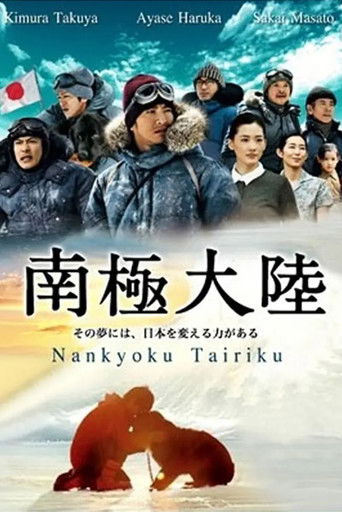
Set in the 1950's, a Japanese Antarctic research exploration team and 19 dogs that accompanied the team are stationed at the Showa Base in Antarctica. After a year, the exploration team is ordered to withdraw from the Antarctic station due to severe weather conditions. The dogs have to be left behind. The following year, the next team arrives at the Showa Base station and a miraculous reunion occurs between a dog handler accompanying the new tean and two dogs, Taro and Shiro, that are brothers.

Antarctica

2011 Drama
Love is Still Necessary poster
TV

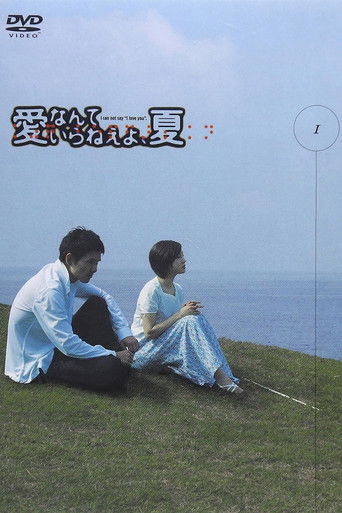
Rage, a pimp who only loves money and himself, is sent to jail for 6 months. While he is in the jail, Rage’s partner, Reiji, dies in a traffic accident. Released from prison, Rage finds himself having lost everything but a debt of 6 million dollars. One day, Rage is visited by a lawyer that mistakes him for Reiji. According to the lawyer, Reiji’s father died and left him a large inheritance. Reiji’s only other living relative is his blind sister. Rage smells money and hatches a plan to pretend to be Reiji and steal his money.

Love is Still Necessary

2002 Drama
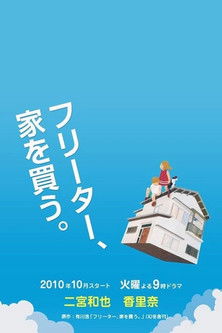
Freeter, Ie wo Kau poster
TV

Freeter, Ie wo Kau is a Japanese television drama series that aired on Fuji Television and on Kyodo Television in 2010. The story revolves around Take Seiji, who quits his job after three months. With no dreams, no savings, and a poor relationship with his family, he becomes a hikikomori. However, after his mother falls ill with depression, he ends up having to take on a part-time job at a construction site. Because of that, he soon decides to work towards rebuilding his life: "Even though I'm just a freeter, I'm going to buy a house for the sake of my family." One of the people he meets at the construction site is Chiba Manami, who graduated from a top-class university and joined a well-known general contracting firm. Manami is the complete opposite of Seiji. But while their personalities clash at first, they gradually come to understand each other. --Tokyograph

Freeter, Ie wo Kau

2010 Drama
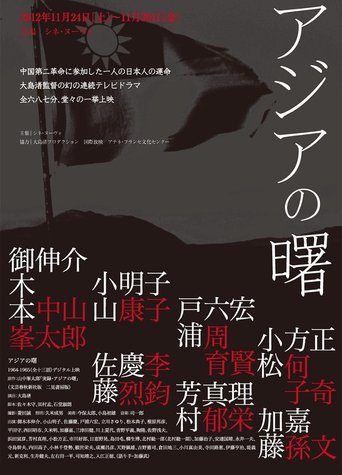
The Dawn of Asia poster
TV

A TV drama consisting of thirteen episodes about the trans-China/Japan collaboration of revolutionaries in the early twentieth century. It was Nagisa Oshima’s rare attempt to direct a TV drama in a social atmosphere in which Japan was embracing postwar prosperity as well as the effects of permeating mass media. Making an effort to reach out to the mass audience through a seemingly conventional method of filmic representation, Dawn of Asia takes up the epic of trans-Asiatic solidarity while challenging nationalism on both sides.

The Dawn of Asia

1964 Drama
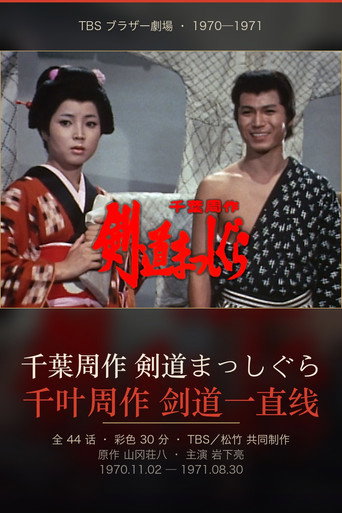
Chiba Shusaku: Kendo Masshigura poster
TV

Chiba Shusaku: Kendo Masshigura is a Japanese period drama that aired on the TBS network from November 2, 1970 to August 30, 1971 in the "Brother Gekijo" slot. It ran for 44 colour episodes of 30 minutes each. Based on Sohachi Yamaoka's novel "Chiba Shusaku", it depicts the youth of Chiba Shusaku, founder of the Hokushin Itto-ryu school of swordsmanship. A hot-blooded young man who calls himself Shusaku enters the dojo of Asari Matashichiro and, through encounters with all kinds of people, grows rapidly both in swordsmanship and in character. Produced by TBS and Shochiku. Rerun on the Japanese CS channel Jidaigeki Senmon Channel from March 17, 2025.
Chiba Shusaku: Kendo Masshigura

1970 Drama

Closely Ranked

10 Ranked across franchise, crew, cast, themes, genre, era and audience scores
Furuhata Ninzaburo poster
88% match TV

Furuhata Ninzaburō is a Japanese television series that ran periodically on Fuji Television from 1994 until its final episodes in 2006. It was written by Japanese playwright Kōki Mitani and is often referred to as the Japanese version of Columbo. The series is a police detective drama starring actor Masakazu Tamura as Furuhata Ninzaburo and Masahiko Nishimura as his stereotypically bumbling sidekick, Shintaro Imaizumi. The program aired weekly and featured a guest villain each time, usually a famous talent in Japan. Pop-stars like SMAP, television hosts like Sanma Akashiya and even sports figures like Ichiro Suzuki have been featured on this program. It was one of the most popular television dramas in the history of Japanese television, having spawned several seasons and TV specials.
Furuhata Ninzaburo

★ 8.8 1994 Drama

Shares a lead actor · Viewers also picked

One Tree Hill poster
76% match TV

In Tree Hill, North Carolina two half brothers share a last name and nothing else. Brooding, blue-collar Lucas is a talented street-side basketball player, but his skills are appreciated only by his friends at the river court. Popular, affluent Nathan basks in the hero-worship of the town, as the star of his high school team. And both boys are the son of former college ball player Dan Scott whose long ago choice to abandon Lucas and his mother Karen, will haunt him long into his life with wife Deb and their son Nathan.

One Tree Hill

★ 7.8 2003 Drama

Viewers also picked