Skip to content
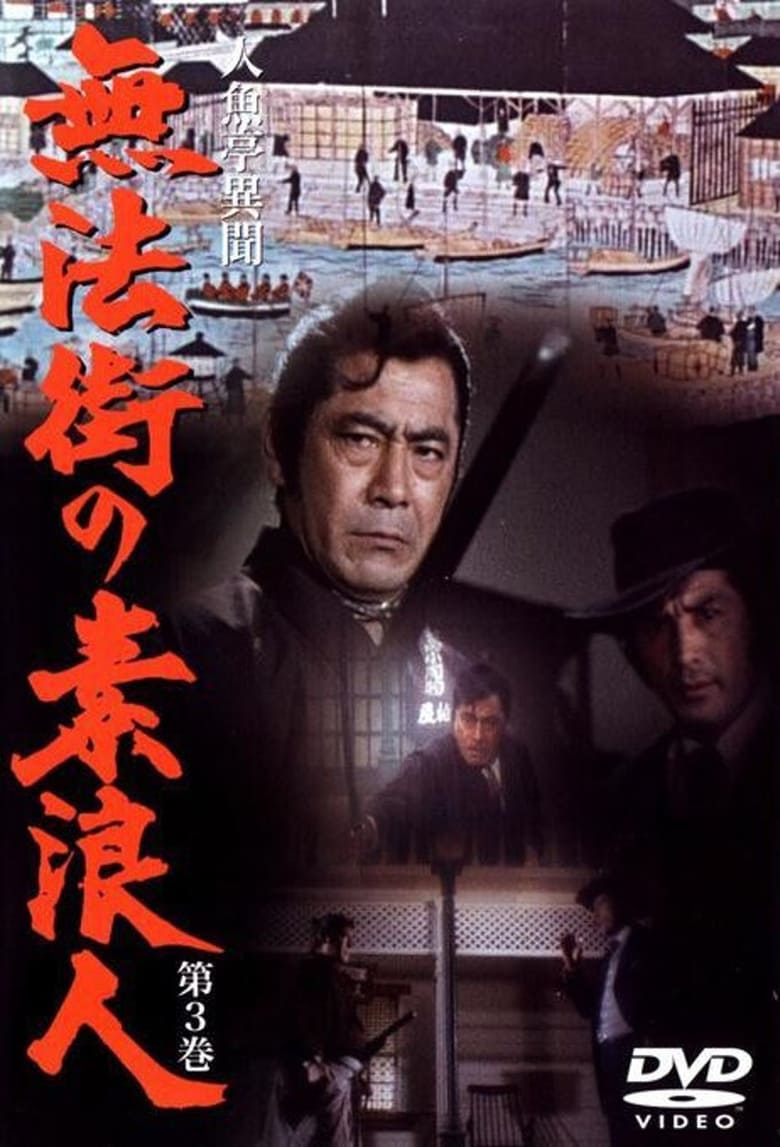
Ronin in a Lawless Town poster
Recommendations based on

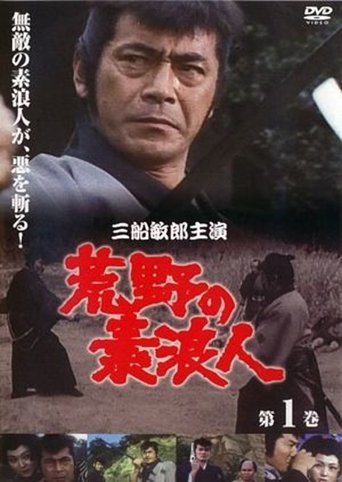
Ronin in a Lawless Town

1976 TV Show Drama

A wildly unusual story set in the earliest days of the Meiji era. The story centers around a gathering place called The Mermaid Saloon, where scantily clad pearl divers put on a show while two residents of the inn upstairs...

Same cast & genre

21 Shares actors and at least one genre with this title
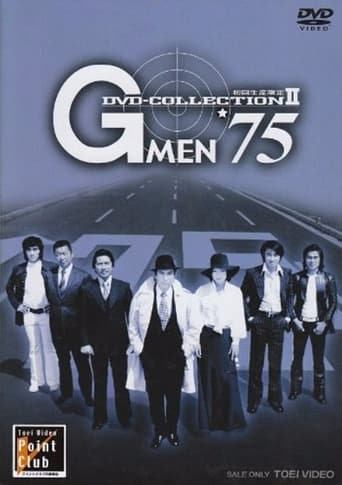
G-Men '75 poster
TV

G-Men '75 was a long-running prime-time television detective series in Japan. It aired on Saturday nights in the 9:00–9:54 p.m. time slot on the Tokyo Broadcasting System network from May 24, 1975 to April 3, 1982. A sequel, G-Men '82, followed, as did various specials. With several updates and cast changes, it included 355 episodes. The story revolved around an investigative organ, the G-Men. The principal character, who spanned the entire series, was Superintendent Kuroki. Portrayed by Tetsuro Tamba, Kuroki directed the members of the group. The original cast also included Yasuaki Kurata as Detective Kusano, trained in karate. Gō Wakabayashi joined in Episode 105, and remained to the end of the series. His character, Lieutenant Tachibana, replaced a detective who was written out of the script. Many more actors and actresses took regular roles in the series over the years. Gō Ibuki, Maria Mori, Mari Natsuki, Hiroshi Miyauchi, Takeshi Kaga, Bunjaku Han, and Kyōko Enami were among them. Shunsuke Kikuchi wrote the opening theme songs. Various artists, including some cast members, wrote and performed the closing songs. Among the actresses who sang were Mari Natsuki, Bun-jaku Han, and Kyōko Enami. For most years, the lyrics were by Junya Sato, set to music by Shunsuke Kikuchi. Veteran announcer Takayuki Akutagawa narrated the series.
G-Men '75

1975 Crime
Segodon poster
TV

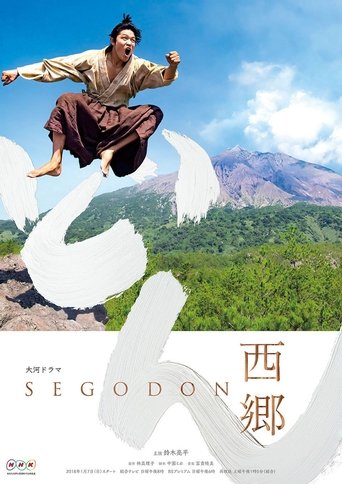
Saigo Takamori, the hero of the Meiji Restoration, was born to a poor, low-ranking samurai family in the Satsuma domain (present day Kagoshima Prefecture). His simple honesty caught the attention of its charismatic feudal lord of Satsuma, Shimazu Nariakira. Nariakira’s assertion that the love of people is what will enrich and strengthen the nation captivated Saigo who took on Nariakira’s secret mission and eventually became a key person for Satsuma. Not a portrait of him survives today and much of his life is a mystery. He is a man who was twice exiled and thrice married. He overthrew the Tokugawa Shogunate with exceptional bravery and action. Although he accomplished the restoration, he lost his life in a fight with the new Meiji government.

Segodon

2018 Drama
The Pride of the Temp poster
TV

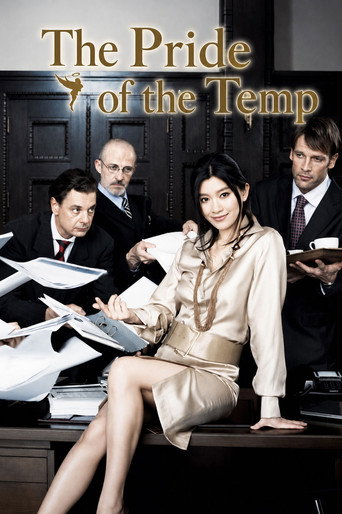
Oomae Haruko is an A+ Temp worker who never cracks a smile or minces words, and leaves work on the dot. But her cynical nature indicates she has something painful to hide. Satonaka Kensuke has just been promoted to head S&F's new Marketing Division. Saddled with a rag-tag group of subordinates, he is struggling to lift his division off the ground. When Oomae is placed in Kensuke's department, she finds herself doing more work than she's ever done before. This is a timely drama that examines the different attitudes toward temp workers and regular employees, and the ways to overcome frictions in interpersonal relationships. This follows an October report on labor conditions by the Labor Ministry, which showed that, after regulations were relaxed, the proportion of regular employees to Temps had doubled compared to that of eight years ago.

The Pride of the Temp

2007 Drama
Epic Chushingura poster
TV

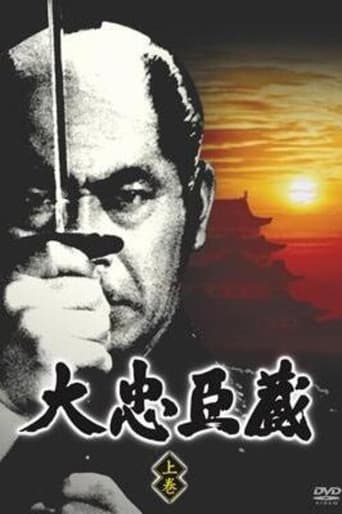
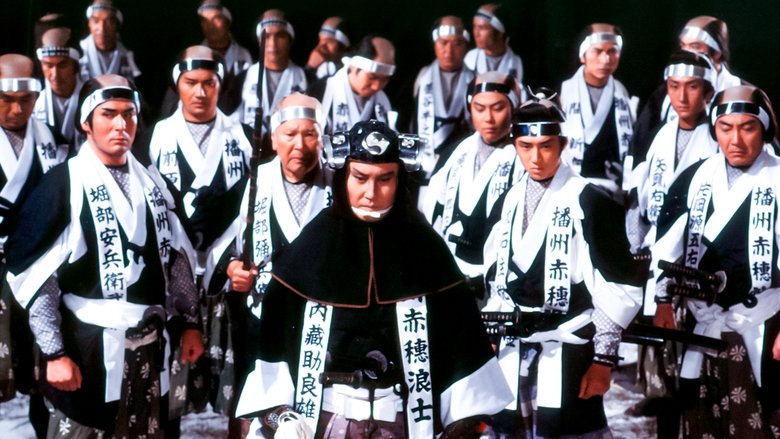
Daichūshingura is a television dramatization of the events of the Forty-seven Ronin. The first episode aired on January 5, 1971, and the 52nd and final episode appeared on December 28 of the same year. The NET network broadcast it in the Tuesday evening 9:00–9:56 prime-time slot in Japan. The series featured an all-star cast. The central actor was Toshiro Mifune, who portrayed Ōishi Kuranosuke; Yoko Tsukasa his wife; and kabuki actor Onoe Kikugorō VII their son Chikara.

Epic Chushingura

1971 Drama
Burning Mountain River poster
TV

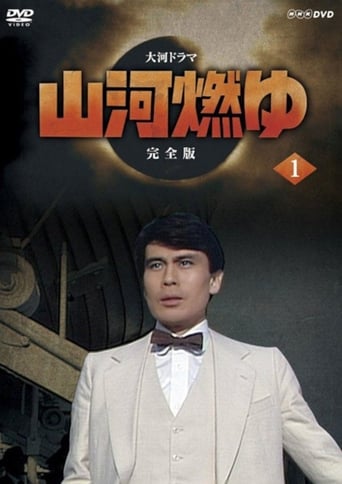
The three Amaba brothers are second-generation Japanese Americans, whose allegiances are torn by the bombing of Pearl Harbor. Determined to show his loyalty to his adopted country, Isamu volunteers for the U.S. Army and is shipped off to fight in Europe. A second brother, studying in Japan at the outbreak of hostilities, is conscripted to fight against the Americans as a Japanese soldier. The third brother Kenji (Matsumoto) avoids conflict by enlisting as a military interpreter, in which capacity he witnesses the war crimes trials that followed Japan's defeat.

Burning Mountain River

1984 Drama
Nemuri Kyoshiro poster
TV

Starting out in Edo, as Kyoshiro travels west toward Kyoto, he encounters some of the most dangerous obstacles in his career. Signs that the Tokugawa shogunate was vulnerable began to appear during the reign of 12th Shogun Ieyoshi. The Satsuma and the 13 Western non-Tokugawa lords began to act in suspicious ways. Minister Takebe, under orders from shogunate councilor Mizuno, attempted to quash this unrest. Nemuri Kyoshiro, a loner headed west, unwittingly becomes involved in the struggle.

Nemuri Kyoshiro

1982 Drama
Wandering Wolf: Ryu the Branded Cross poster
TV

Based on the novel of the same name by Jiro Ikushima, this drama series aired on NET TV (now TV Asahi) in 1972 for a total of 26 episodes. Starring the talented actor Kinnosuke Yorozuya, who had previously shown his skills in various period films such as "Mabuta no Haha," "Seki no Yatappe," and "Kutsukake Tokijiro: Yoyo ichi-hiki," the show follows the tragic hero and is sure to captivate audiences with its compelling storyline. Viewers are sure to be drawn into the drama and root for the protagonist as the story unfolds.
Wandering Wolf: Ryu the Branded Cross

1972 Drama
Fossil poster
TV

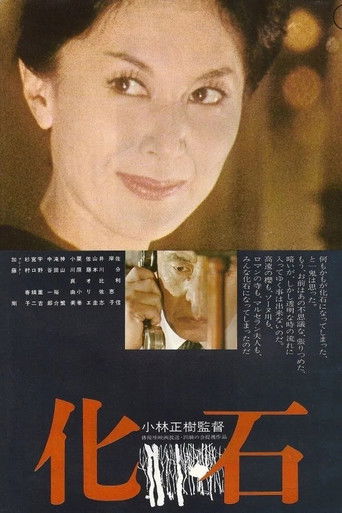
An industrialist is diagnosed with terminal cancer. He is abroad in Europe at the time, and a glimpse of a Japanese woman in that setting causes him to imagine her as the personification of his impending fate. As his dialogue with his imagined mortality continues, he meets the living woman, the template for his fantasy, and together, they tour rural churches. Gradually, he comes to some kind of peace about the diagnosis. When he returns to Japan, he is met with a series of challenges that profoundly test the lessons he has learned.
Fossil

1972 Drama

Closely Ranked

10 Ranked across franchise, crew, cast, themes, genre, era and audience scores
The 47 Ronins of Ako poster
70% match TV

Set in the eighteenth century, during the reign of the fifth Tokugawa shōgun Tokugawa Tsunayoshi. Akō-han is demolished by the Tokugawa shogunate. Hotta Hayato is a ronin who is living a desperate life because of his sad past. But one day he starts working for Chisaka Takafusa, the Chief retainer of the Uesugi clan. The Uesugi clan and Chisaka are wary of Ōishi Kuranosuke and Ako Roshi's movements, so Chisaka orders Hotta to observe Ōishi Kuranosuke.

The 47 Ronins of Ako

1979

Shares a lead actor · Same director

Sekigahara poster
62% match TV

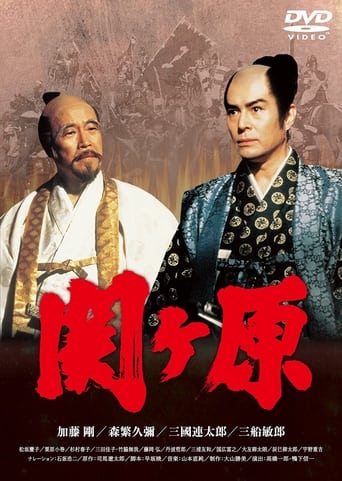
Blockbuster drama based on the novel Sekigahara by Ryotaro Shiba, a program dedicated to the 30th anniversary of TBS. A total of 120 actors, 3,500 extras and about 500 horses recreated the largest battle in history, the Battle of Sekigahara, in which 200,000 warriors clashed from east and west. The battle, which can be called a turning point in the history of Japan, depicts the conflict, love and hate between people on a grand scale and with a great cast.

Sekigahara

1981 Drama

Shares a lead actor · TMDB similar