FILM
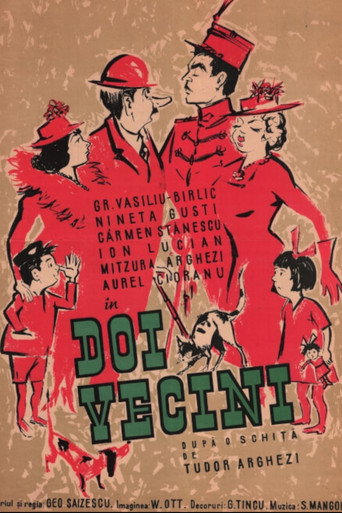
Adaptation based on the sketch "Doi vecini" by Tudor Arghezi.
Adaptation based on the sketch "Doi vecini" by Tudor Arghezi.
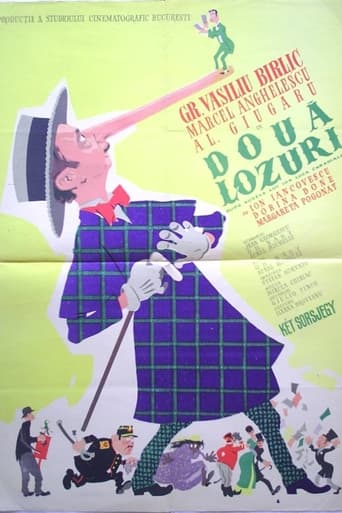
1957 film adaptation of Romanian playwright Ion Luca Caragiale's novella “Două loturi” (Two Lottery Tickets, 1901). The scenario was written by director Jean Georgescu, one of the most skilled Romanian filmmakers of the 1940s and 1950s, while the directing belongs to Aurel Miheleş and Gheorghe Naghi, at that time both recently graduated from the All-Union State Institute of Cinematography in Moscow. This is the second feature film in colour from Romania. Despite the great public success, the film was often criticized by reviewers, mostly for its unhandy directing from the two debutants. Miheleş and Naghi would however continue their collaboration and release another two Caragiale adaptations, of which “Telegrame” (Telegrams, 1959) was nominated for the Palme d'Or (Golden Palm) at the 1960 edition of the Cannes festival.
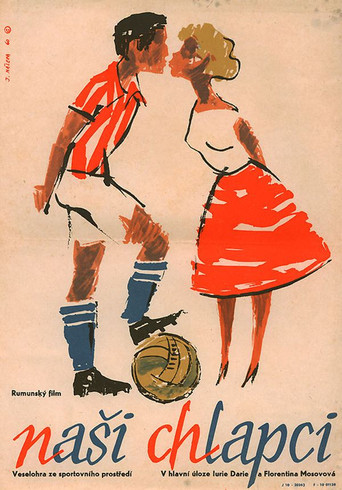
A star of a small town soccer team gets involved with the pretty sister of his main rival in the team.
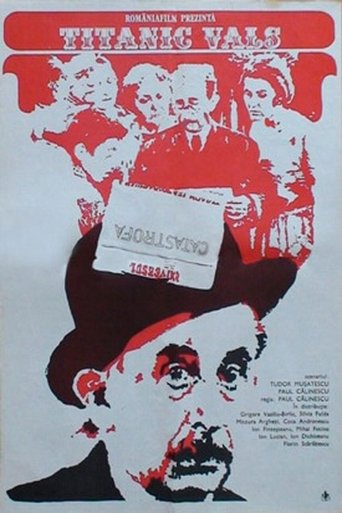
Based on a comedy play by Romanian playwright Tudor Mușatescu and first performed in 1932, Titanic Waltz satirises political ambition, familial coercion, and the absurdities of electoral politics through the travails of an incorruptible bureaucrat hounded by his relatives to run for office
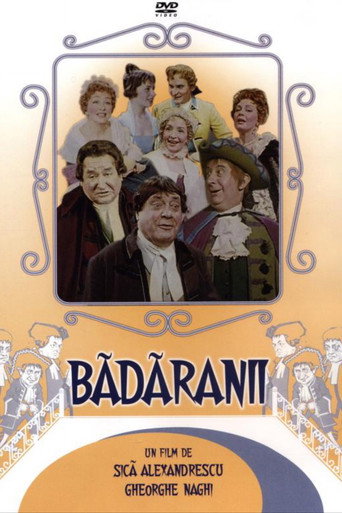
Movie adaptation after Carlo Goldoni`s "I rusteghi" comedy, written in 1760.
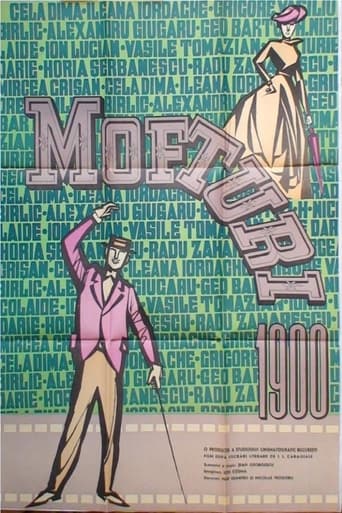
Mofturi 1900 is a 1964 Romanian comedic film directed by Jean Georgescu and based on Ion Luca Caragiale's many Moments and Sketches. The sketches used are "Diplomatie" ("Diplomacy"), "Amicii" ("Pals"), "O lacuna" ("A gap"), "Bubico", "C.F.R." (abbreviation of "Romanian Railways") and "Din statiune" ("From resort"). The film stars Grigore Vasiliu Birlic, Iurie Darie and Ion Dichiseanu; and features Ioana Bulcă, Alexandru Giugaru, Mircea Crisan, Geo Barton and others. Set at the beginning of the 20th century, the story revolves around two Mitică characters sitting at a cafe telling stories to each other.
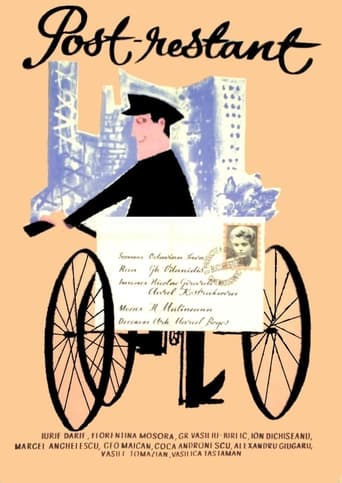
"Post Restant" is about two engineers: Puiu (Iurie Darie), a quite shy character, and Dan (Ion Dichiseanu) an alpha male type. They receive a letter from Liliana, a letter which is actually meant for the former apartment owner. Puiu replies to the letter, although he does not know the sender. The mail exchange goes on and the two fall eventually in love. Being less self-confident, when the time comes to see Liliana in the flesh Puiu asks Dan to meet her and pretend to be the one who wrote the letters.
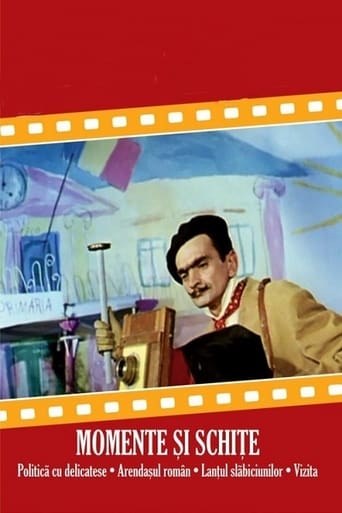
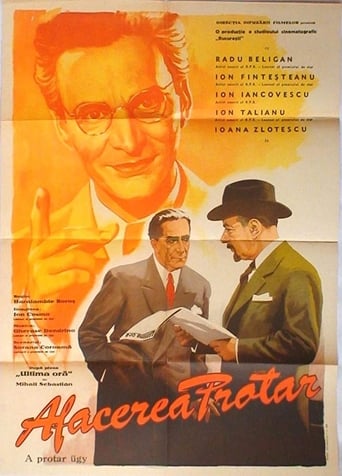
A university lectop finds himself embroiled in a nasty blackmail case. Powerful businessman Busoni is preparing a stab at the grain market. This Protar scam should enrich him, but an article by a university professor changes his plans.
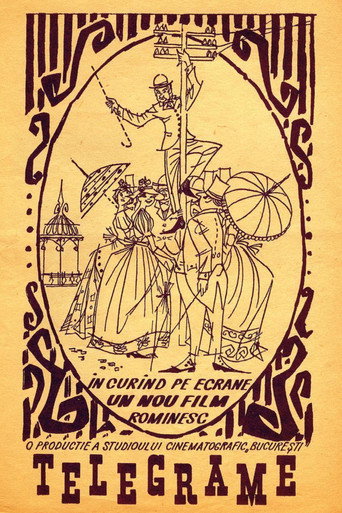
Geared more for the home crowd with a good knowledge of their own history, this Romanian political comedy takes place at the turn of the 20th century, when two opposing factions are going at each other tooth and nail to win an election. One candidate is a staunch if not deluded conservative and the other is a radical liberal. Anticipating modern election campaigns by a good half a century, the two candidates decide that the best way to win is to sling as much mud as possible. Lacking the Internet and fifteen-second TV spots, they do the best they can -- they send each other virulent telegrams denouncing each other's personal failings.

In the Free Theater (Teatrul Liber) of Bucharest, the actors and crew prepare a new show, with the play "Disguise" ("Travesti"). After the opening night, which is only partly successful, they reach the conclusion that, along the years, they came to the mistake of also disguising this true feelings, becoming hypocrites, and this has a negative effect to their stage performances too.
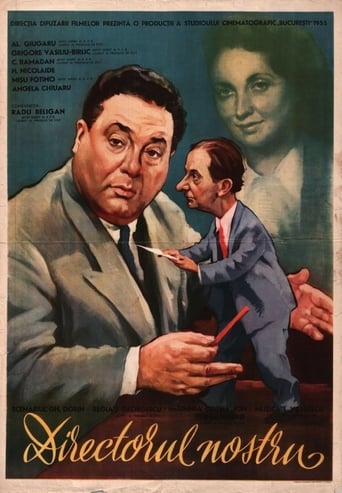
Over at the fictional DRGBP institution, events take a settling turn after a mutinied prize festivity.
Over at the fictional DRGBP institution, events take a settling turn after a mutinied prize festivity.
Shares 3 cast members · Same director
Shares 2 cast members · Same director
1957 film adaptation of Romanian playwright Ion Luca Caragiale's novella “Două loturi” (Two Lottery Tickets, 1901). The scenario was written by director Jean Georgescu, one of the most skilled Romanian filmmakers of the 1940s and 1950s, while the directing belongs to Aurel Miheleş and Gheorghe Naghi, at that time both recently graduated from the All-Union State Institute of Cinematography in Moscow. This is the second feature film in colour from Romania. Despite the great public success, the film was often criticized by reviewers, mostly for its unhandy directing from the two debutants. Miheleş and Naghi would however continue their collaboration and release another two Caragiale adaptations, of which “Telegrame” (Telegrams, 1959) was nominated for the Palme d'Or (Golden Palm) at the 1960 edition of the Cannes festival.
Shares 2 cast members · Same director
Mofturi 1900 is a 1964 Romanian comedic film directed by Jean Georgescu and based on Ion Luca Caragiale's many Moments and Sketches. The sketches used are "Diplomatie" ("Diplomacy"), "Amicii" ("Pals"), "O lacuna" ("A gap"), "Bubico", "C.F.R." (abbreviation of "Romanian Railways") and "Din statiune" ("From resort"). The film stars Grigore Vasiliu Birlic, Iurie Darie and Ion Dichiseanu; and features Ioana Bulcă, Alexandru Giugaru, Mircea Crisan, Geo Barton and others. Set at the beginning of the 20th century, the story revolves around two Mitică characters sitting at a cafe telling stories to each other.
Shares a lead actor · Same director
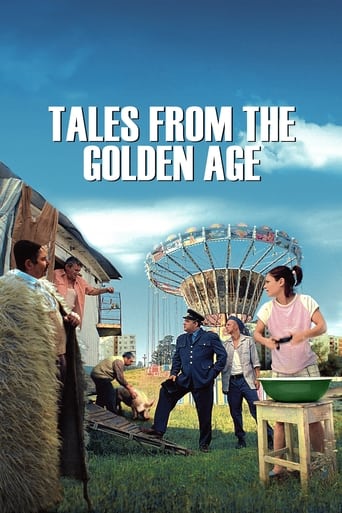
Composed of six unconventional vignettes, each one dealing with the late communist period in Romania, a narrative is told through its urban myths from the perspective of ordinary people. The title refers to the alluded "Golden Age" of the last 15 years of Ceaușescu's regime.
Viewers also picked
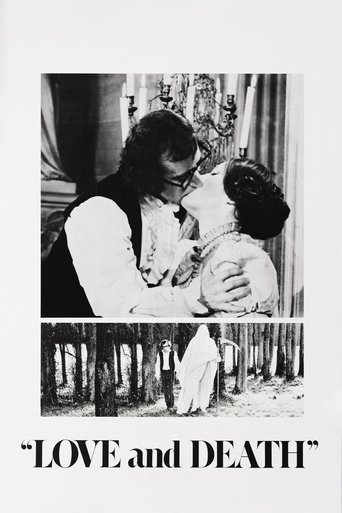
In czarist Russia, a neurotic soldier and his distant cousin formulate a plot to assassinate Napoleon.
Viewers also picked
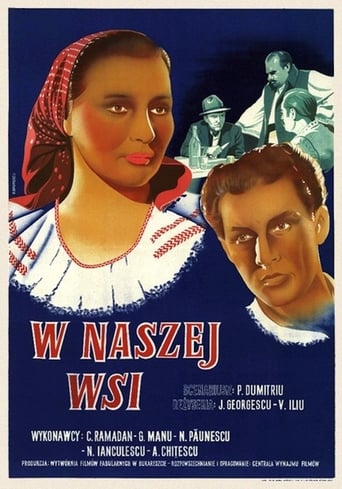
The film shows that Romanian peasants were divided between those opposing and those embracing collectivization. The heated debates between the pro and con camps would ultimately lead to murder.
Shares 2 cast members · Same director
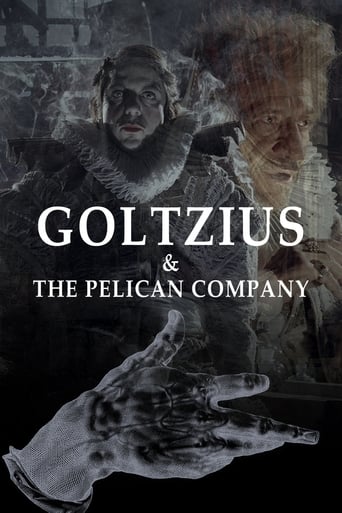
Goltzius and the Pelican Company tells the story of Hendrik Goltzius, a late 16th century Dutch printer and engraver of erotic prints. A contemporary of Rembrandt and, indeed, more celebrated during his life, Goltzius seduces the Margrave of Alsace into paying for a printing press to make and publish illustrated books. In return, he promises him an extraordinary book of pictures of illustrating the Old Testament’s biblical stories. Erotic tales of Lot and his daughters, David and Bathsheba, Samson and Deliah and John the Baptist and Salome. To tempt the Margrave further, Goltzius and his printing company will offer to perform dramatisations of these erotic stories for his court.
Viewers also picked
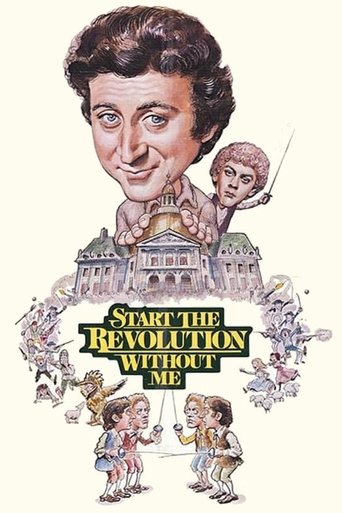
Two sets of identical twins are accidentally switched at birth. One pair, Phillipe and Pierre DeSisi, are aristocratic and haughty, while the other, Charles and Claude Coupé, are poor and dim-witted. On the eve of the French Revolution, both sets find themselves entangled in palace intrigue.
Viewers also picked
A university lectop finds himself embroiled in a nasty blackmail case. Powerful businessman Busoni is preparing a stab at the grain market. This Protar scam should enrich him, but an article by a university professor changes his plans.
Shares 2 cast members

Young diplomat Petre returns to Romania after a long time spent abroad.

A young girl harbors a secret crush (sincere and pure feelings) on a famous writer. She read his every book, so when she hears of the opportunity of delivering a gift to his house she does everything in her power to become the tansporter (and succeeds). Manea is a handsome man, not only a successful writer , women of the elite of Bucharest's society swarm around him all the time.He has just broken up with one of them... It's New Year's Eve,he invites her to spend some time with him...a dream built on snowflakes and champagne. In her naivety and pureness , Dorulet-as Manea caresses her,touches the unseen strings of his heart and soul , which he taught to be long dead,she awoke adolescence (like) emotions in the sleeping lion. I loved this movie and I would like to see it at least one more time.
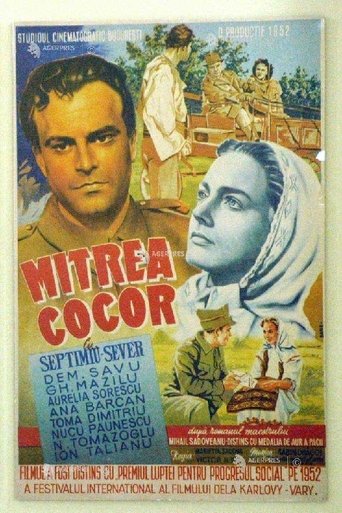
Mitrea Kocor, a young butler, gives up his work in the fields to join Antonescu's Romanian army, which fought alongside Nazi forces during World War II. After spending time in Soviet captivity and a prisoner-of-war camp, he returns to his home village to participate in post-war reconstruction.
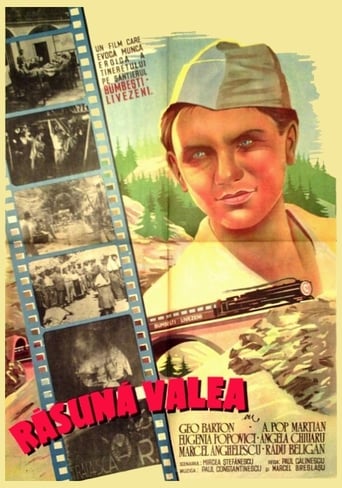
Famous Romania communist propaganda movie, one of the templates to what followed. It is about the volunteers that built the Bumbești-Livezeni railroad.
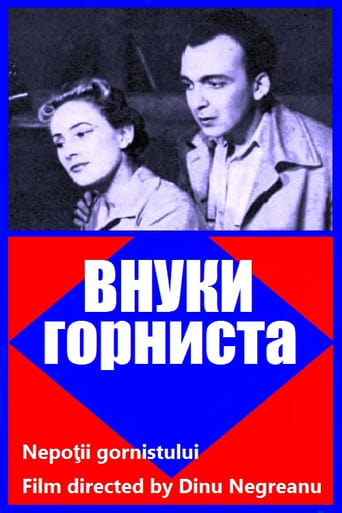
The story of three generations of the Dorobantsu peasant family, who fought bravely and selflessly against the oppressors of their homeland. The viewer sees the people who took an active part in the peasant uprisings of 1907 and their descendants who won the war against fascism.

A lonely, selfish and proud doctor receives a bouquet of flowers one day that sets him on fire. An unassuming cab driver, a family man and devoted colleague, helps him to identify the sender and find himself.
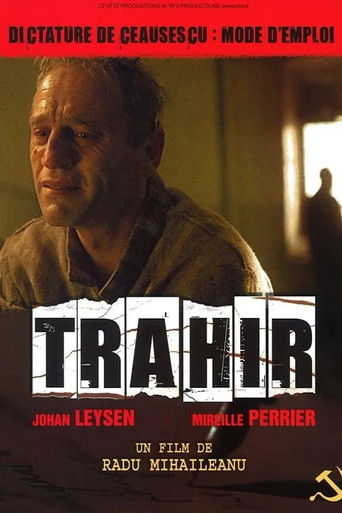
After the war, in Bucharest, a young Romanian poet arrested for having written an article denouncing Stalinist crimes, will save his life by accepting to become a hostage of the regime.
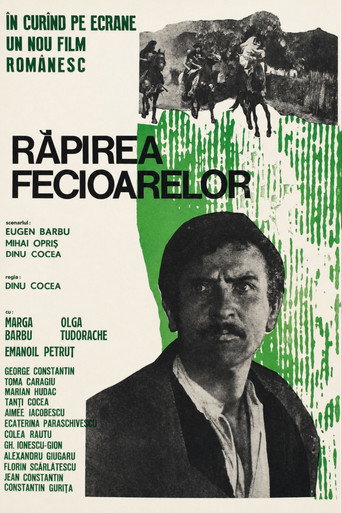
In 19th century Wallachia war-bands of Ottoman Turks from across the Danube river raid Wallachia with impunity, while Wallachia's Phanariote rulers don't oppose them.
The film shows that Romanian peasants were divided between those opposing and those embracing collectivization. The heated debates between the pro and con camps would ultimately lead to murder.
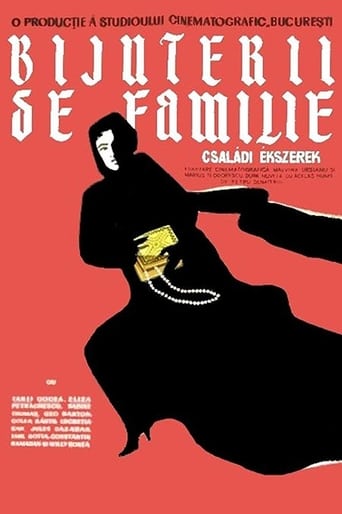
A bourgeois family life in Romania around the time of the Great Peasant Uprising of 1907.
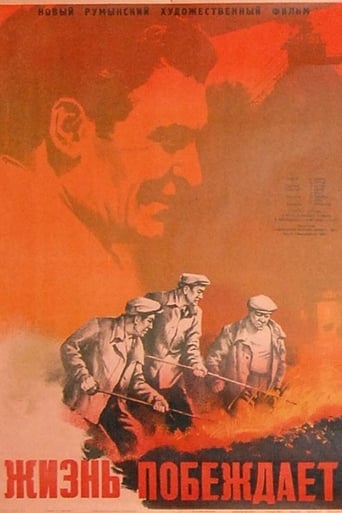
In his struggle to innovate in an industrial plant, Professor Oltenu discovers, through laboratory research, a new technique that could be very useful in turning iron ore into better steel and products made from it. His experiments don't always yield the best results, especially when he is "helped" in his endeavors by a saboteur. The professor's wife and one of his employees help expose the saboteur and convince the professor to continue his work. Eventually the saboteurs are caught and severely punished, and the professor's research is patented and turned into successful manufacturing nanotechnology.