In the teeming black markets of postwar Japan, Shozo Hirono and his buddies find themselves in a new war between factious and ambitious yakuza.
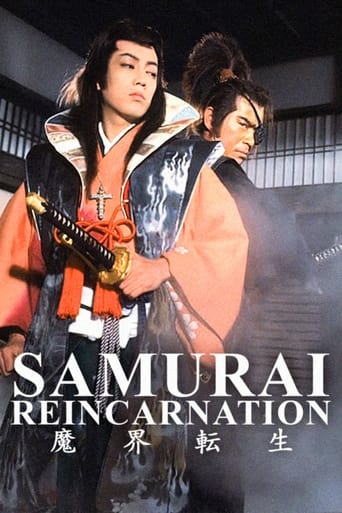
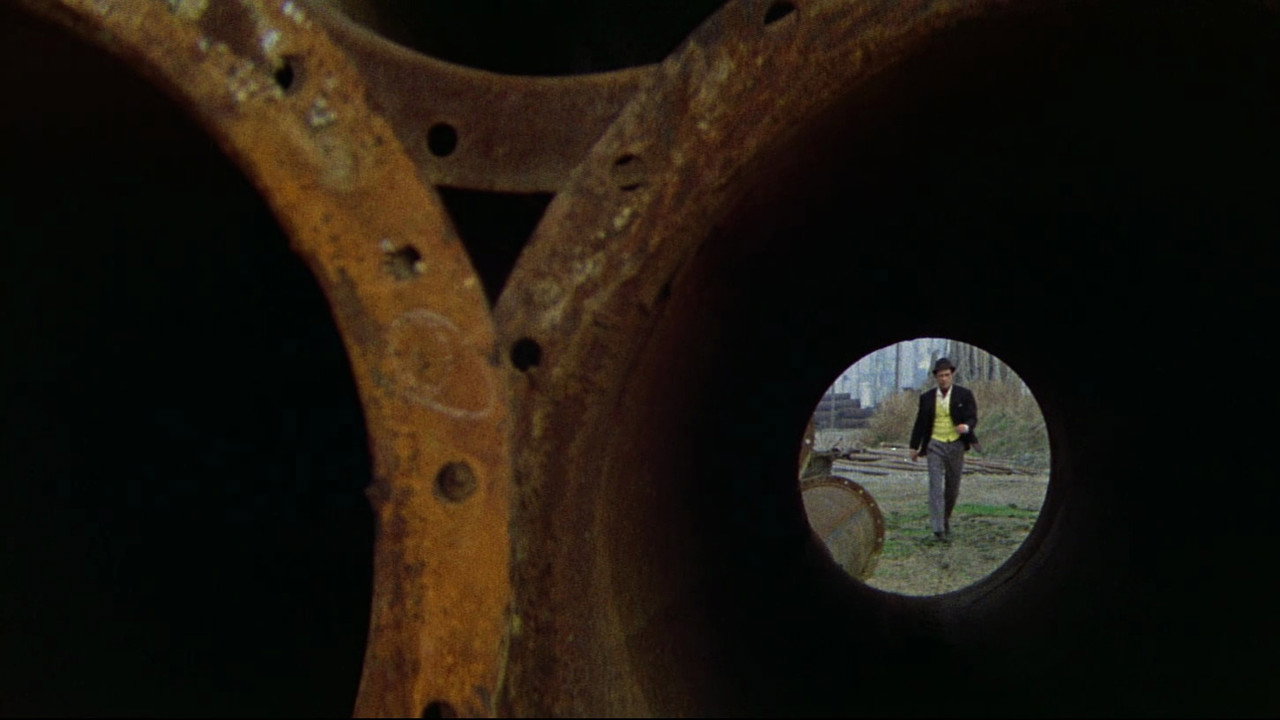
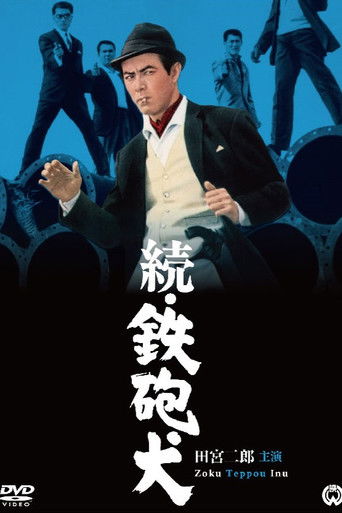
Zoku teppō inu (続鉄砲犬) is a 1966 film directed by Mitsuo Murayama. It is the sixth film in the Inu series.
In the teeming black markets of postwar Japan, Shozo Hirono and his buddies find themselves in a new war between factious and ambitious yakuza.

After surviving the slaughter of many Christians 350 years ago, a samurai denounces God for ignoring the pleas of believers. He sells his soul to Satan and receives the power to resurrect the dead to join him in a murderous rampage.
When a dying friend tells out-of-work salaryman Yosuke about a hidden treasure, he sets off in search of the only clue about its location: a house by a red bridge. What he finds instead is a woman who transcends all his fantasies.
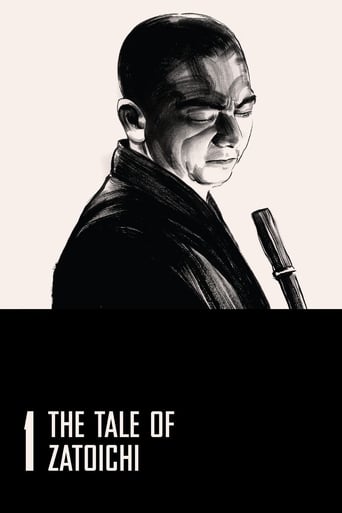
The adventures of a blind, gambling masseur and master swordsman. Zatoichi targets a yakuza-controlled village, because war with a neighbouring town's smaller gang is brewing.
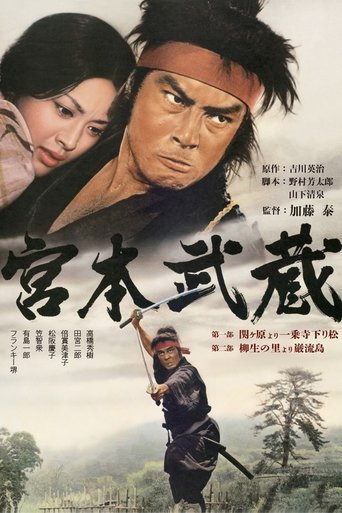
In Part I we see the young would-be swordsman setting out to achieve greatness in war, achieving nothing because fighting on the losing side, & then beginning his long period of wandering & training, with the goal always in mind of his duel with Kojiro. Part II builds toward that great duel on Ganryu Island, with considerable focus on Musashi's planning & forethought as to how to gain an advantage.
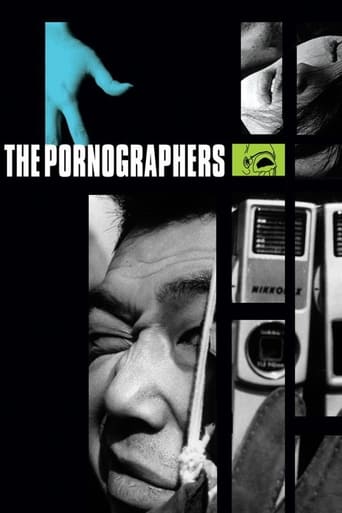
A former Buddhist monk turned erotic filmmaker, Subuyan lives with hairdresser Haru and her two teenage children. Shooting two skin flicks per day, he somehow manages to stay out of the clutches of the yakuza, but real trouble starts when Haru discovers him lusting after her daughter.
Broke, with his vintage Nash convertible repossessed, private eye Mike Hama is reduced to combing the mean streets of the Yokohama waterfront on a borrowed bicycle. But when Lily, a beautiful stripper from out of Hama's past, returns to town, the fuse is lit on a criminal powder keg set to blow the lid off the Yokohama underworld.
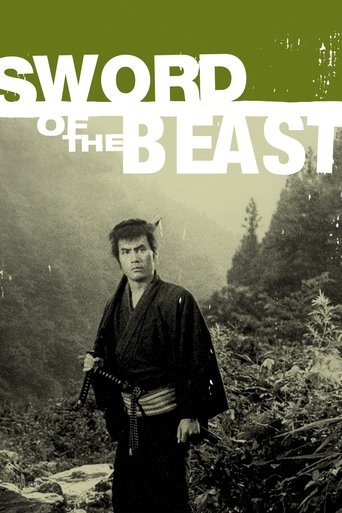
Legendary swordplay filmmaker Hideo Gosha's Sword of the Beast chronicles the flight of the low-level swordsman Gennosuke, who kills one of his ministers as part of a reform plot. His former comrades then turn on him, and this betrayal so shakes his sense of honor that he decides to live in the wild, like an animal. There he joins up with a motley group who are illegally mining the shogun’s gold, and, with the aid of another swordsman, gets a chance not just at survival but to recover his name and honor.
As Japan gears up for the 1964 Olympic Games, the cops start to crack down on the gangs, under pressure from the public and the press, adding a new dimension in the war for power among the yakuza families of Hiroshima.
Yuko is sent to the coastal regions to be raised away from the rest of her sophisticated family where she finds out from her ill grandmother that she is not who she thought she was.
[Period covered: 1582-1594]. As the film opens, the warlod Nobunaga Oda rides to Iga Ayanokuni shrine. He is asked if he thinks he has destroyed all the ninja who opposed him and answers that he suspects that there may be more. A servant brings water and tests it first. The paige dies and we hear gunshots as two ninja flee the scene. His suspicions confirmed, Nobunaga oversees the execution of captured ninja and decides that, in the future, he needs a much crueler method of execution. The daimyo Hideyoshi comes to visit.
After serving time, a defiant street thug is incensed to find his town overrun by two yakuza factions. He gathers his crew and takes them on.
Nishi is an advertising executive for a caramel company that is planning to launch a new product, in fierce competition with two other companies.
The most dangerous hired gun in Kyushu's underworld has managed to trigger a vicious gang war, and now, there's a contract on his life. Though nobody is more skilled in the arts of dealing death, can the tattooed hitman fend off the entire Japanese mafia as he searches for the man who wants him dead?
Police investigate a series of mysterious murders where the only clue is a strange buzzing noise at the scene of the crime.
Zatoichi comes upon a dying man who asks him to give a bag of money to "Taichi". Zatoichi has no idea who this is but when he comes upon a small town harassed by gangsters, he finds that "Taichi" was the man's young son. Along his travels he also met a blind monk who makes Zatoichi question his murderous lifestyle. In trying to help the town, Zatoichi kills some gangsters and becomes a hero to the boy. He must make a choice of whether to use non-violence and set a good example, or violence and set the boy on the wrong path in life.
In Edo-period Japan, Shingo is born the son of an assassin who was executed for murdering her lord’s concubine. Decades later, his adoptive family is massacred for keeping the secret. Armed with an unbeatable swordfighting technique, Shingo embarks on the path of the masterless samurai in search of vengeance and a path beyond his own ignominious origins.
In the mountain regions of Hida, the dreams of a peasant named Kyonosuke, who longed to be a samurai, come true when he becomes one of three doubles, of shadows, of Lord Yasutaka. After months of intense and cruel training, he faces his destiny when the Lord and the other two shadows are killed in battle and he must take on the role of Lord Yasutaka....
Saburo Kitajima, one of Japan’s most famous Enka singers, returns in the fifth of the Kyodai Jingi series. During the early 20th century, Ryuji from Asakusa, a wandering yakuza, joins the Narumi Family in Yokohama. However, when he confronts Shiotaro, the head of the rival family, Ryuji takes a liking to him. He ends up leaving his current family, and becomes close to Shiotaro like brothers swearing to become a full-fledged yakuza.
Blind masseur Zatoichi is nursed back to health by a young woman after he is shot by a gang member. Zatoichi, who had come to the village to repay a debt, now feels further indebted. He commits himself to use his amazing sword skills to help the young woman's father, whose river-crossing service is under attack by the same gang responsible for Zatoichi's wounds.
The great Bunta stars as a gangster who is sent to jail for the sake of his gang, but when he’s released he finds everything completely changed and his gang has swept him aside for being too violent. He tries to start a new life with his two ”brothers” but can’t seem to escape old affiliations
Two devious retainers are competing to take control of a fief when the current Lord dies, but involving Kyoshiro in the conflict against his will is the textbook example of a bad idea - especially when the collateral damage starts to tick him off.
A young yakuza in love with the girl who's to marry his clan oyabun, kidnaps the girl before fleeing with her. In Tokyo, he hides under the identity of a worker while the young woman becomes a waitress in a restaurant.
Organized thieves battle against the Shogun’s ruthless ruling in attempt to get back their land.
Set against the backdrop of a port city, this action-packed story follows a man who makes a living selling daily necessities to foreign ships entering the harbor. When he believes he’s been set up, he finds himself caught in a trap and forced to become an accomplice to smuggling.
Set up to be the patsy by a rival gang, Furuta Makoto attacks the yakuza boss he thinks is responsible for his father’s murder. He then learns it was all a plot to take over his father’s turf and he seeks vengeance against the puppet master behind the entire conspiracy. His quest for justice leads him to prison where he must fend off the attack of a master assassin before he can make his escape and go after the true killer!
A former soldier, reduced to working at a restaurant post-war, becomes a contract killer for the yakuza gangs he's in contact with.
First movie of the Inu series directed by Tokuzō Tanaka
Quick Drawer Dog (早射ち犬 Hayauchi inu) is a 1967 film directed by Tetsutarō Murano. It is the eighth film in the Inu series.
First movie of the Inu series directed by Tokuzō Tanaka
Same franchise · Shares 3 cast members
The second film in the "Inu" series.
Same franchise · Shares 2 cast members
Third film in the "Inu" series.
Same franchise · Shares 3 cast members
Quick Drawer Dog (早射ち犬 Hayauchi inu) is a 1967 film directed by Tetsutarō Murano. It is the eighth film in the Inu series.
Same franchise · Shares 3 cast members
Fifth film in the "Inu" series.
Same franchise · Shares 3 cast members
Abare inu is a 1965 action-comedy film directed by Kazuo Mori. It is the fourth film in the series.
Same franchise · Shares 2 cast members
A series of murders has been committed by someone with a new model gun, a Mord-Gessel X 38. Indeed, Daisuke himself is almost killed while investigating the case. This occurred while he was with Ritsuko, daughter of a company president. Detective Kimura thinks that the president himself, returned to Japan after an absence of fifteen years, might be the killer, or at least the man who supplied the gun. Ritsuko's father limps and though she explains this as the result of a traffic accident, Kimura remembers a narcotics smuggler named Suginami who shot himself in the ankle and then escaped from the hospital. He believes that the company president and the drug peddler are the same.
Same franchise · Shares 5 cast members
Stray Dog is a 1966 film directed by Yoshio Inoue. It is the seventh film in the Inu series.
Same franchise · Shares 2 cast members
Harlem's African-American population is being ripped off by the Rev. Deke O'Malley, who dishonestly claims that small donations will secure parcels of land in Africa. When New York City police officers Gravedigger Jones and Coffin Ed Johnson look into O'Malley's scam, they learn that the cash is being smuggled inside a bale of cotton. However, the police, O'Malley, and lots of others find themselves scrambling when the money goes missing.
Viewers also picked
Police investigate a series of mysterious murders where the only clue is a strange buzzing noise at the scene of the crime.
Shares a lead actor · Same director