
The true story of how businessman Oskar Schindler saved over a thousand Jewish lives from the Nazis while they worked as slaves in his factory during World War II.
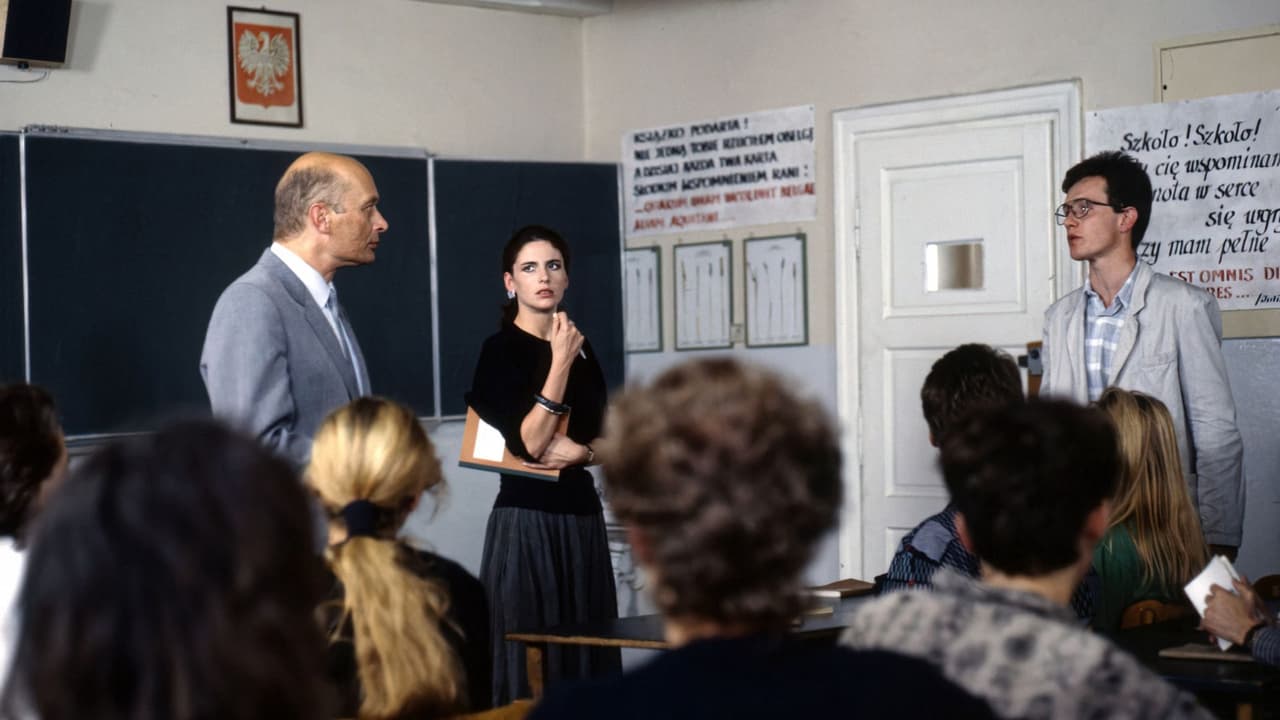
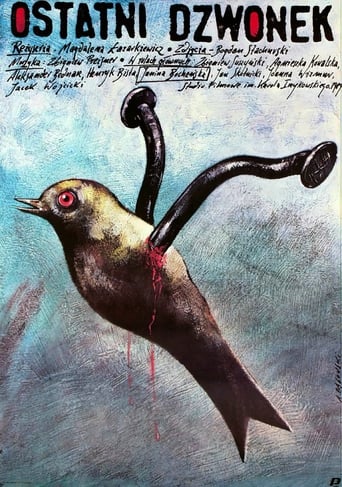
As high school students put on a politically-engaged school play, tensions begin to rise between them and their headmaster. The conflict seems to mirror the social situation in the 1980s Poland.
The true story of how businessman Oskar Schindler saved over a thousand Jewish lives from the Nazis while they worked as slaves in his factory during World War II.
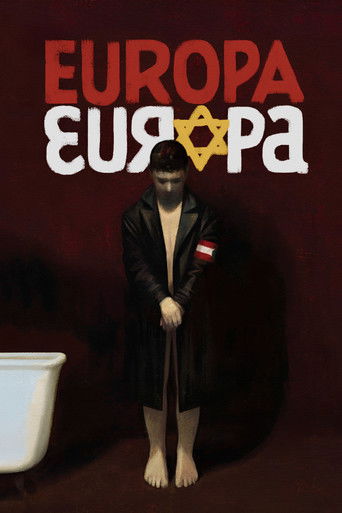
A Jewish boy separated from his family in the early days of WWII poses as a German orphan and is taken into the heart of the Nazi world as a 'war hero' and eventually becomes a Hitler Youth.
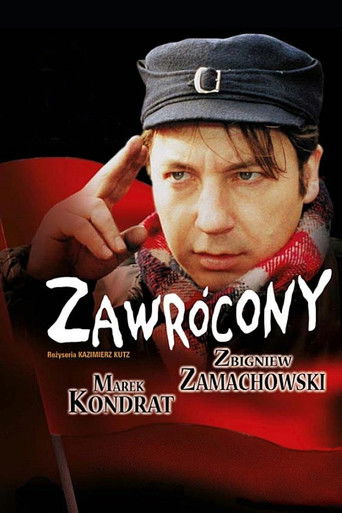
Young democracy activist is being chased by police in a very funny way.
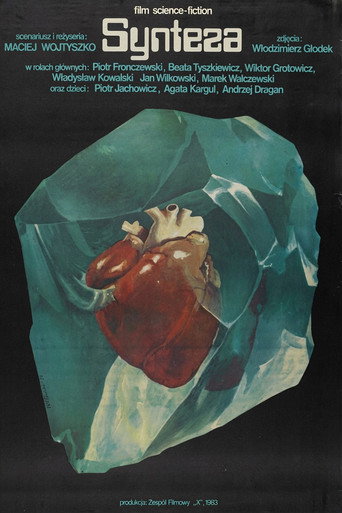
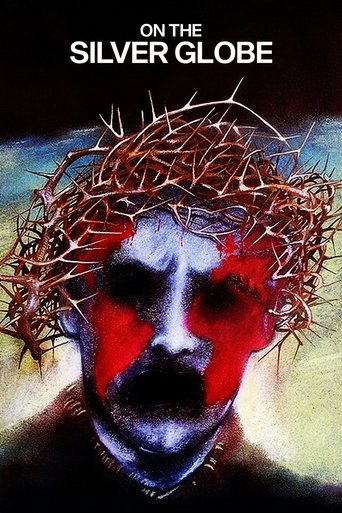
A small group of cosmic explorers, including a woman, leaves Earth to start a new civilization. They do not realize that within themselves they carry the end of their own dream. They die one by one, while their children revert to a primitive native culture, creating new myths and a new god.
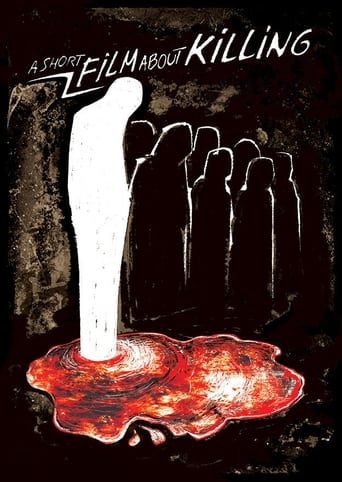
Jacek, an angry drifter, murders a taxi driver, brutally and without motive. His case is assigned to Piotr, an idealistic young lawyer who is morally opposed to the death penalty, and their interactions take on an emotional honesty that throws into stark relief for Piotr the injustice of killing of any kind.
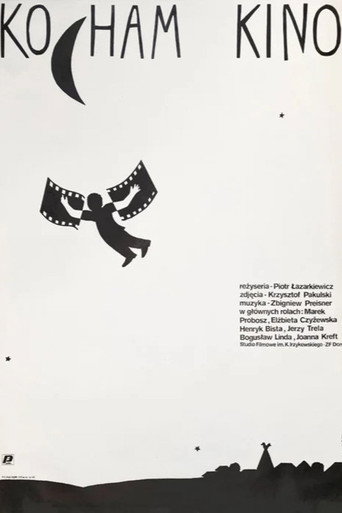
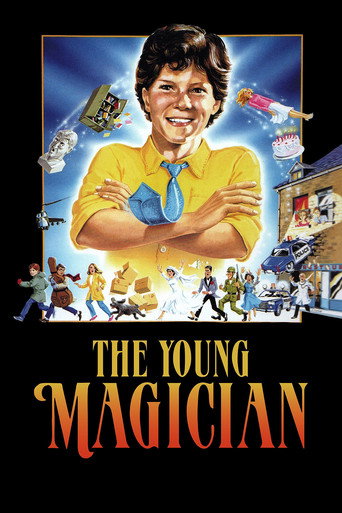
The manager of a small provincial cinema finds her lost son, and he tries to save the movie theater.
Jacek climbs into the taxi driven by Waldemar, tells him to drive to a remote location, then brutally strangles him, seemingly without motive.
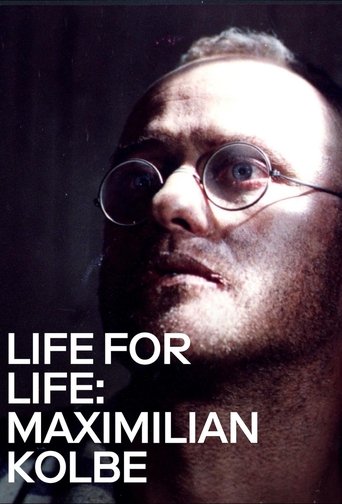
The story of catholic saint Maximilian Kolbe (1894-1941), who volunteered to die in place of a stranger in the Nazi concentration camp of Auschwitz.
Pressured by his superiors to disgrace public intellectual Warczewski, a professor and respected writer whom they believe to be a "camouflaged Zionist," rough security-services colonel Rozek enlists his sexy but naive girlfriend, Kamila, to insinuate herself into the distinguished older man's life and report on his every move. Not particularly interested in serving communism but eager to please her domineering lover, Kamila accepts the mission, reporting under the code name "Little Rose." As quick scenes contrast Kamila's crude pleasures with Rozek and her more refined experiences with Warczewski, it becomes clear that the more time the unschooled young woman spends with the professor, the more she comes to have true feelings for him.
Anthropology professor Michal develops two overwhelming obsessions. The first one is a mummified, 3,000 year-old, perfectly preserved body of a shaman he and his colleagues have recently dragged out of a swamp. The second is an enigmatic student he meets by chance at a railway station.
Told as a film within the film, the story concerns an aging actress. Ewa is a flamboyant, pushy actress whose career and love life have come to a dead end. She lives in a faceless housing development. She is totally engrossed in herself and dreams of making a comeback as a singer. But her overbearing personality time after time sets her into conflict with those she tries to work with in the theater and her bedroom.
A high-ranking Polish politburo member is banished from the party, and must find out why. Set in 1979 Poland before the Solidarity events.
Portraying the events that have taken place in Polish politics in recent years.
It is a bitter story about a middle-aged man, who hates his life and other people, including himself. Adam Miauczynski, the character known from director Marek Koterski's previous films, is a 49 year-old teacher, who reads poetry during school lessons and later goes home swearing and calling his neighbours' names. The worst pain for him is the next 5 minutes of living. He doesn't accept himself and even everyday contacts with others cause his aggression. Though constantly dreaming of a romantic love, he is not bold enough to make his dreams come true. The desperate Miauczynski personalizes our own fears and obsessions, which have become so visible recently.
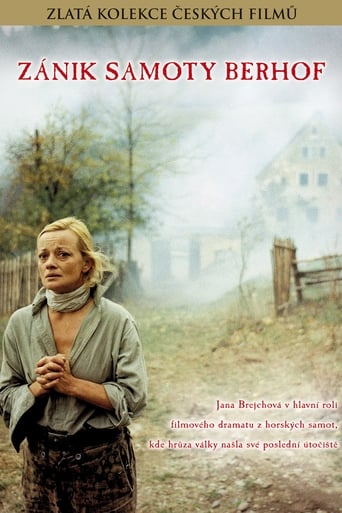
Drama set on an isolated farm on the Czech-Polish border immediately after the end of WWII.
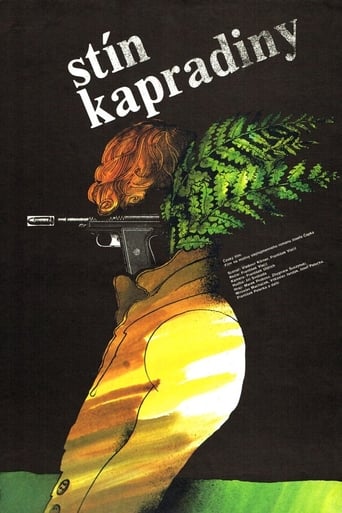
Based on the only extensive prose work by the surrealist painter Josef Capek, Shades of Fern most resembles the philosophical fairy tales and fables of Josef’s older brother, the legendary Czech novelist and playwright Karel Capek. Two young poachers, more boys than men, kill a gamekeeper when they are caught illegally hunting. Panicked, they retreat into a forest that grows steadily more forbidding and deadly as their fear for the future—and guilt over their action—mounts. Loosely based on hundreds of oral folk tales and legends that haunt the woods of Czechoslovakia, Vlácil’s contemporary updating artistically underscores the relationship between man and nature, crime and punishment, isolation and society, and guilt and memory.
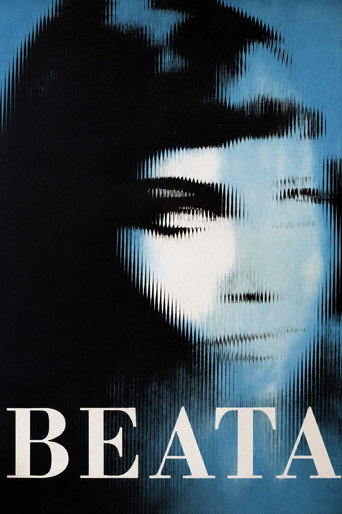
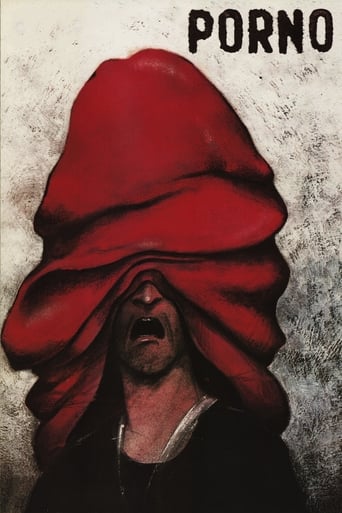
Teenaged Beata, disgusted with hypocrisy around her, runs away from home.
In post-communist Poland, former secret police agent Franz Maurer works as a regular cop pursuing a major drug ring. As he and his old comrades lose their privileges and face public scorn in the new reality, Franz realizes that some of his former colleagues are now on the opposite side of the law.
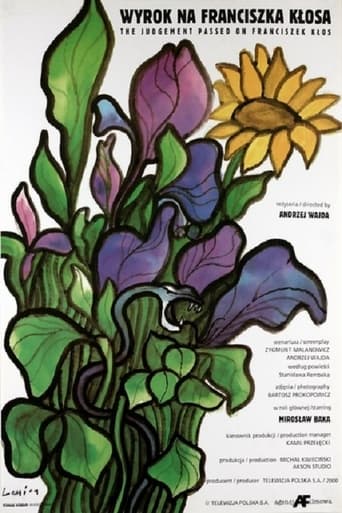
During the German occupation of a small Polish town, Franciszek Kłos, a lowly local policeman, will stop at nothing to become a Volksdeutsche. Eager to prove his loyalty, he zealously carries out the occupiers' orders. What begins as administrative compliance soon escalates when he commits his first murder of a fellow Pole. Condemned to death by the Polish underground, Kłos outwardly shrugs off the sentence while quietly drowning his growing fear in alcohol. As his inhibitions crumble, he descends deeper into violence—participating in the roundup and execution of hidden Jews, and earning a reputation for brutality even among the SS.
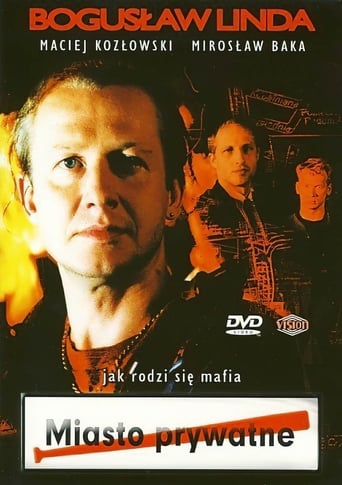
A town near Warsaw. A group of teenagers rules one of the courtyards: Ali, Pawik, and Małgośka, the object of both boys' fascination. A few years later, these same young people form a typical youth gang. Ali and Pawik gather around them a group of peers who have been unable to find their place in society and want to live an easy life. Robberies and thefts are their idea of a comfortable existence. A few more years pass and the gang transforms into a mafia. After the 1989 elections, it enters into deals with politicians. It also gets into a conflict with Russian gangsters.
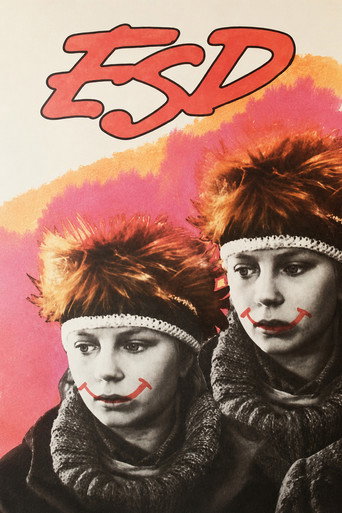
The Borejko family has four daughters — Gabriela, Ida, Natalia and Patricia. Most concern causes the red-haired Ida, whose unusual ideas often end badly, though the girl has the best intentions. Her father, who works at the university as a classical philologist, gives her the idea to found a group called ESD. They want to try out the theory that you are more successful if you send out more positive signals to the environment. Soon this theory will be put to the test. Ida's mother has to go to the hospital and the entire burden of household chores falls on the children.
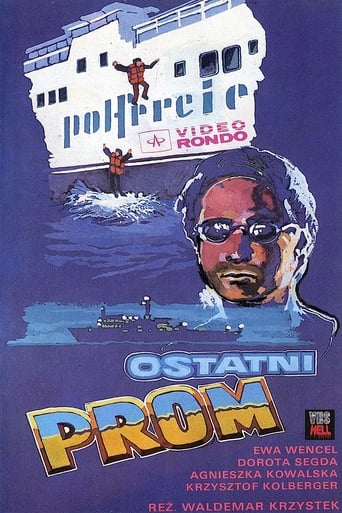
One of the passengers on a ship carrying Poles on a cruise in December 1981 is a dissident high school teacher sent abroad by Solidarity. He is under surveillance of the secret police, anxious to get their hands on the info that he is carrying. When the ship is in the middle of the Baltic sea, martial law is declared and the ship is militarized. The captain announces he will turn and return the home port. Many anguished passengers put the life vests on and jump into the sea, where they are picked up by two German ships. The teacher, however, decides to return to Poland and continue the struggle for freedom.
This is the story of a man who travels the country alone, dragging all his small possessions behind him on a cart he has constructed. His attitude causes a variety of reactions from people - from kindness to outright dislike and intolerance.
The true story of how businessman Oskar Schindler saved over a thousand Jewish lives from the Nazis while they worked as slaves in his factory during World War II.
Shares 2 cast members
A jazz musician seeks refuge from a lynch mob on a remote island, where he meets a hostile game warden and the young object of his attentions.
Viewers also picked
An aimless young man who is scalping tickets, gambling and drinking, agrees to coach a Little League team from the Cabrini Green housing project in Chicago as a condition of getting a loan from a friend.
Viewers also picked
A drama teacher's taboo relationship with an unstable student strikes a nerve in her jealous classmate, sparking a vengeful chain of events within their suburban high school that draws parallels to "The Crucible".
Viewers also picked
A teenager faces an uphill battle when she fights to give women the opportunity to play competitive soccer.
Viewers also picked
South America, 1960. A lonely and grumpy Holocaust survivor convinces himself that his new neighbor is none other than Adolf Hitler. Not being taken seriously, he starts an independent investigation to prove his claim, but when the evidence still appears to be inconclusive, Polsky is forced to engage in a relationship with the enemy in order to obtain irrefutable proof.
Viewers also picked
An uninterrupted rehearsal of Chekhov's 'Uncle Vanya' plays out by a company of actors. The setting: their run-down theater with an unusable stage and crumbling ceiling. The play is shown act by act with the briefest of breaks to move props or for refreshments. The lack of costumes, real props and scenery is soon forgotten.
Viewers also picked
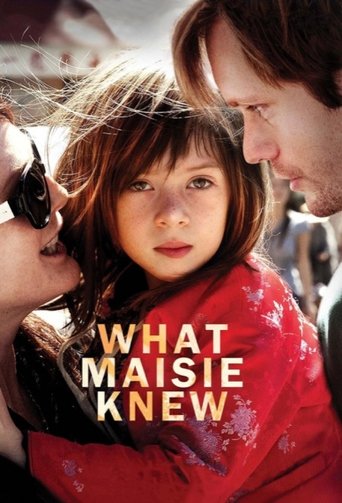
In New York City, a young girl is caught in the middle of her parents' bitter custody battle.
Viewers also picked
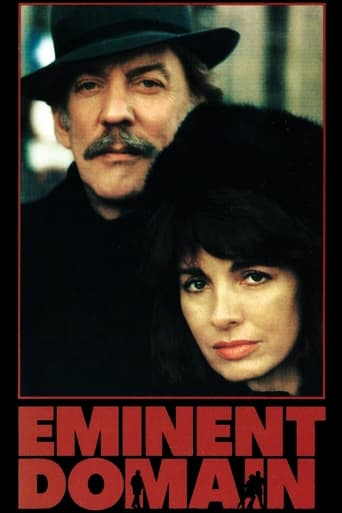
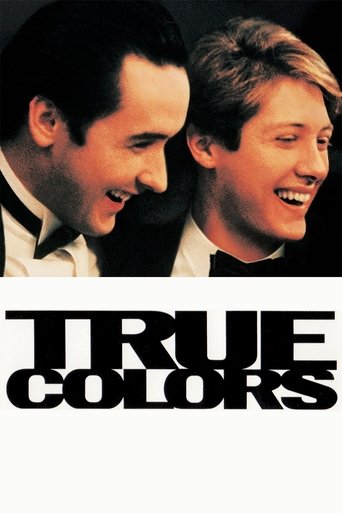
Two law school friends find themselves at odds when one becomes a Justice Department lawyer and the other goes into politics.
Viewers also picked
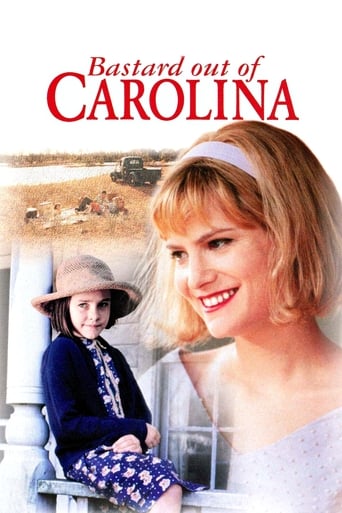
A poor, struggling South Carolinian mother and daughter face painful choices with their resolve and pride. Bone, the eldest daughter, and Anney her tired mother, grow both closer and farther apart: Anney sees Glen as her last chance.
Viewers also picked