Three children are accidentally transformed into fish after consuming a potion made by an eccentric scientist. The kids end up in the sea, with one problem: they must find and drink the antidote within 48 hours, or forever remain as fish.
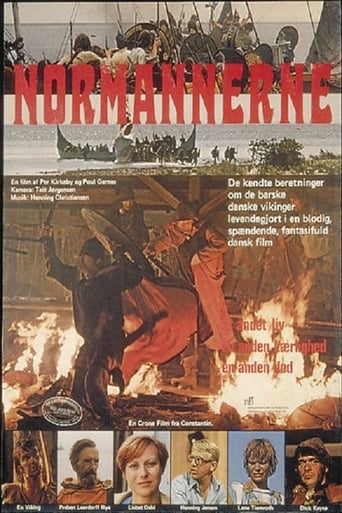
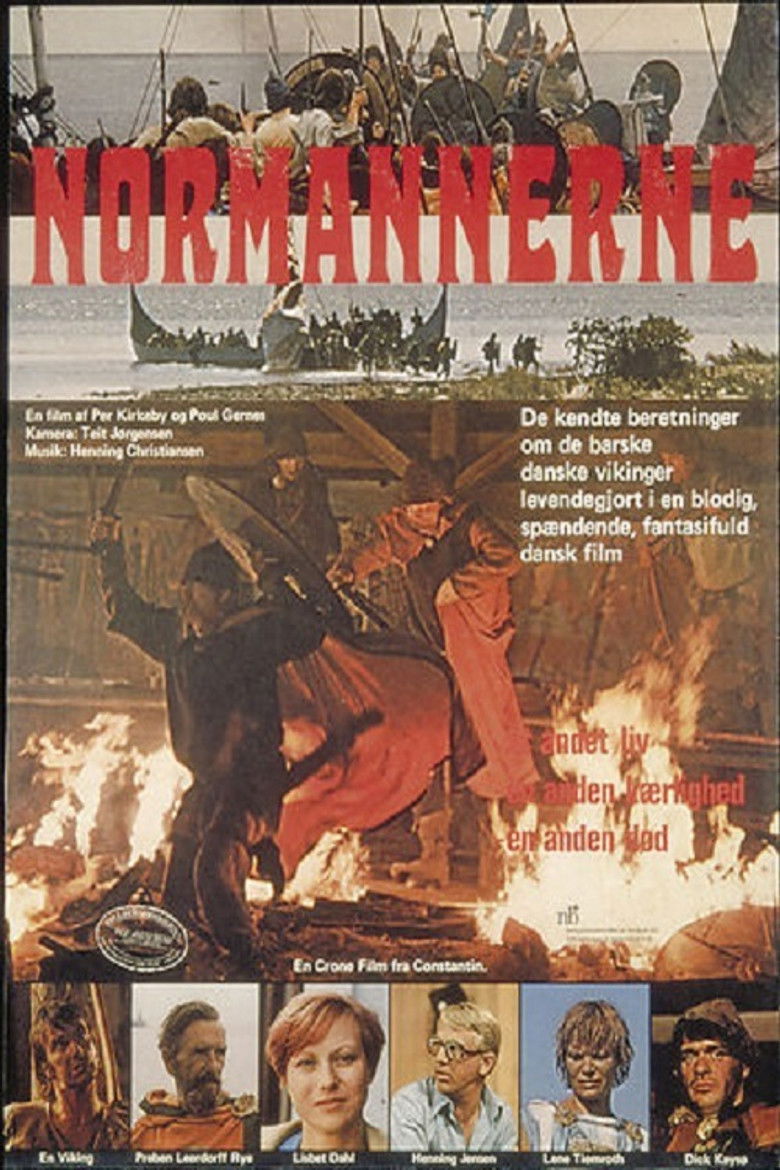
With "The Normans," painters Paul Gernes and Per Kirkeby wanted to make a film about the Viking Age, but not a traditional fiction film set in that period. Instead, the film has a contemporary setting, in which a guide shows various historical sites and tries to bring the past to life, even though she has only one interested listener. Within this framework, episodes from Danish mythology are brought to life: King Skjold, Rolf Krake, Regnar Lodbrog, the Battle of Svold, etc. The film mainly follows the account in Saxo's chronicle, but also dramatizes a story by the Arab author Ibn Fadlan. He described the cremation of a Viking chieftain in Russia around the year 900, where, among other things, a slave woman was sacrificed after ritual intercourse. The film is based on a number of historical and archaeological studies. The loose form is intended to emphasize how fragmentary our knowledge of the Viking Age actually is.
Three children are accidentally transformed into fish after consuming a potion made by an eccentric scientist. The kids end up in the sea, with one problem: they must find and drink the antidote within 48 hours, or forever remain as fish.
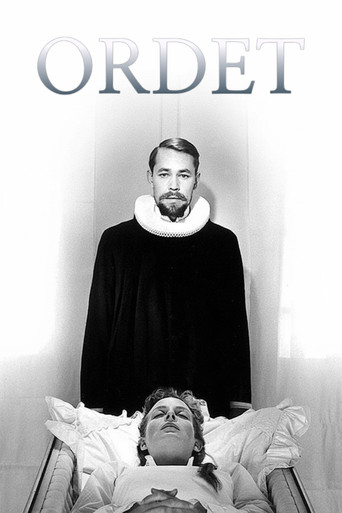
The three sons of devout Danish farmer Morten have widely disparate religious beliefs. Youngest son Anders shares his father's religion, but eldest son Mikkel has lost his faith, while middle child Johannes has become delusional and proclaims that he is Jesus Christ himself. When Mikkel's wife, Inger goes into a difficult childbirth, everyone's beliefs are put to the test.
A French housekeeper with a mysterious past brings quiet revolution in the form of one exquisite meal to a circle of starkly pious villagers in late 19th century Denmark.
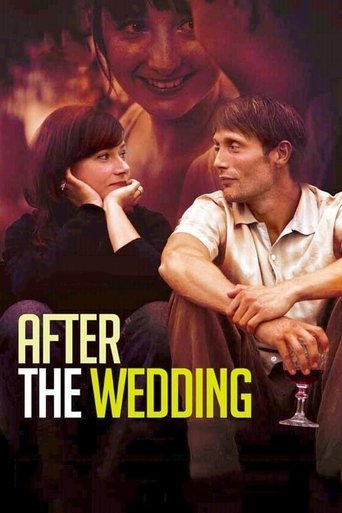
A manager of an orphanage in India is sent to Copenhagen, Denmark, where he discovers a life-altering family secret.
In 1945 Germany, following the end of World War II, Leopold Kessler, an American of German descent, is hired by his uncle as a sleeping car conductor on the Zentropa train line. Leopold's wish is to be neutral to the ongoing purges of loyalists by Allied forces and do what he can to help a hurting country, but ultimately finds himself being used by both sides.
Men & Chicken is a black comedy about two outcast brothers who, by getting to know their unknown family, discover a horrible truth about themselves and their relatives.
The young girl Johanne is left by her mother at a solemn convent school. The school is a strange world to her, and when she feels unable to comply with the demands of faith she faces a difficult decision.
A powerful modern film narrative, set in a historical framework, about the crucial encounter between vulnerable eighteen-year-old Hans Christian Andersen, who rates himself so highly, and Mr. Meisling, the cynical school principal. An encounter that fundamentally transforms Hans Christian's life.
Jacob is a young man used to getting everything he wants. For several years, he has been living in a happy homosexual partnership with Jørgen, and one night Jacob decides to pop the big question to Jørgen. Jørgen happily accepts Jacobs marriage proposal, but then something happens: Jacob falls in love with a girl, and not just any girl. The girl is Caroline, married to Jørgens younger brother Tom.
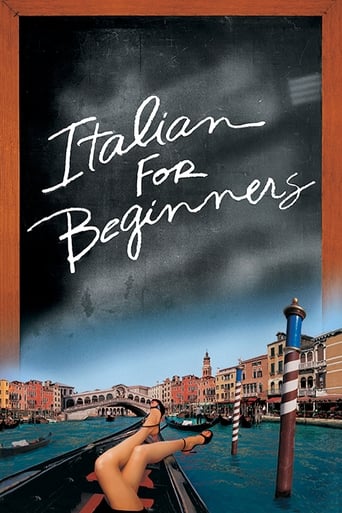
Several lonely hearts in a semi-provincial suburb of a town in Denmark use a beginner's course in Italian as the platform to meet the romance of their lives. The film, which unspools the connections and family drama shared between the students, complies with several aesthetic principles of Dogme 95 movement.
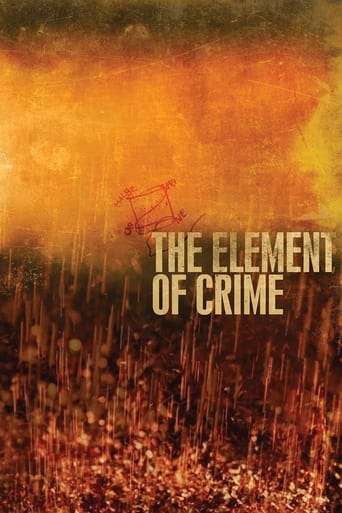
Fisher, an ex-detective, decides to take one final case when a mysterious serial killer claims the lives of several young girls. Fisher, unable to find the culprit, turns to Osbourne, a writer who was once respected for his contributions to the field of criminology. Fisher begins to use Osbourne's technique, which involves empathizing with serial killers; however, as the detective becomes increasingly engrossed in this method, things take a disturbing turn.
In a Danish village in the early 1600s, a young woman named Anne, whose mother was thought to be a witch, develops sympathy toward an old woman, Marte, who is accused of witchcraft. The intervention of Anne's older but kindly husband, Pastor Absalon saved her mother -- but now, urged on by his overbearing mother, he refuses to help Marte. When Absalon's son returns home and is attracted to Anne, it's a matter of time before her family destiny catches up with her.
One day at the end of the 1800s, 14-year-old Lise’s life is changed forever. She is the eldest of her siblings, the first in her family to go to school and full of hope and confidence in life. But when her mother goes into labour, it quickly appears that something is wrong. As night falls and the labour progresses, Lise begins to understand that a day that began in childhood might end with her becoming the woman of the house.
At The Kingdom, Denmark's most technologically advanced hospital, a number of strange and otherworldly events begin occurring, much to the dismay of its doctors and patients. A ghostly ambulance appears and disappears, the voice of a little girl calls to a patient in an elevator shaft, and a doctor's fetus begins growing at an alarming rate.
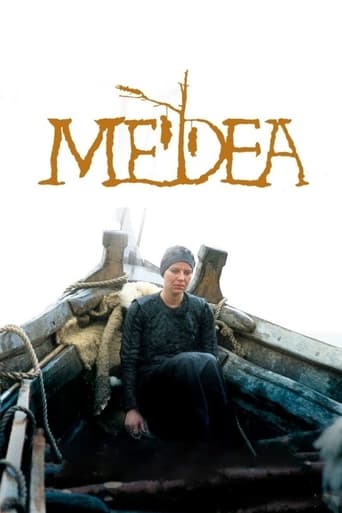
Medea after having helped the man she loves, Jason, and given him to birth two children, is driven into fury and vengeful madness after he decides to abandon her to become successor to the throne by marring Glauce, the daughter of Creon, king of Corinth.
An uptight young man and his equally uptight family moves next door to a hedonistic clan, including the beautiful, sexy Topsy, who charms the new neighbor boy Tom. But Tom discovers that the price of loving Topsy may be higher than he's willing to pay -- she insists on absolute honesty and a life and love without possession or exclusivity.
A satirical drama revealing the consequences of the Danish government's "New Copenhagen Criteria", a new policy aiming at securing the nation's survival. Citizens who fail to meet the criteria – those who have received more from society than what they have contributed – are eliminated.
Rosa is a successful psychologist and author. She has two children with her husband Frederik, who runs a mechanic's workshop for luxury sports cars. But something is wrong in the midst of this seemingly idyllic life. Frederik has a secret mistress who is pregnant with his child. When she seeks out the city's best psychologist—Rosa—to figure out what to do, Rosa and Frederik's otherwise secure world is turned upside down. In a tragicomic way, they are now both forced to look at themselves, each other, and their actions in order to answer the question: Do we even have a future together?
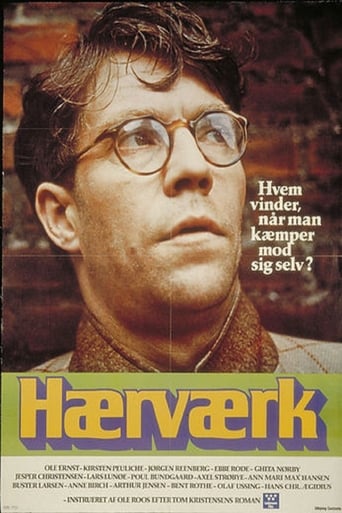
Based upon the novel "Hærværk" by Tom Kristensen about the self destructive person. The literary reviewer Ole Jastrau chooses to free himself from his well-ordered middle class life. He allow the seriously left-wing writer Steffensen move in with himself which soon causes disintegration of his home an marriage.
The life and times of the Scandinavian artists' colony who lived in Skagen on the Danish coast during the 1890s. Not so much a biographical account, rather a portrait of a way of life. The painters became famous for the way they used the light in their work, and this has also been mirrored in the cinematography.
For Janus his friend Tore is his big ideal: pretty, intelligent and self-confident. Janus is grateful for his friendship even though he is considered the court jester. When Tore falls in love with the beautiful and sweet girl Helle, Janus accepts his role as their highly loved third party. Helle's fashionable mother, however, is a bit too interested in Tore. Written by Allan Simonsen
Family drama set in the Danish countryside in the turn of the century. A wealthy landowner is an evil and corrupt womaniser with several illegitimate offspring in addition to his beautiful family. Nobody stands up to him except his feisty 17-year-old daughter.
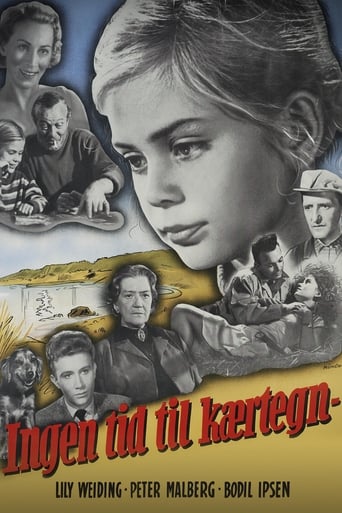
The Danish Ingen tid til Kaertegn (Be Dear to Me) is heavily reliant on the appeal of its star, 8-year-old Eva Cohn. Our heroine is the neglected child of a businessman father and actress mother. Feeling that happiness lies well outside her own backyard, Eva goes on a search for that happiness. The longer she stays away, the more her parents realize that they've unfairly ignored her. The plot is nothing new: it's what is done with it that pleases the eye and ear. Ingen tid til Kaertegn was one of the more popular entries in the 1957 Berlin Film Festival.
A terrifying drama about what might happen in a disaster situation. An airplane loaded with bacteriological weapons crashes in the south of Sweden, causing an epidemic.
In a dystopian future, Denmark's lower classes must live as nomads—living in vans, always on the move, endlessly driving on a system of ring roads. Although they try to maintain a certain degree of humanity in their daily lives, there is no room for emotion or compassion among the wanderers.
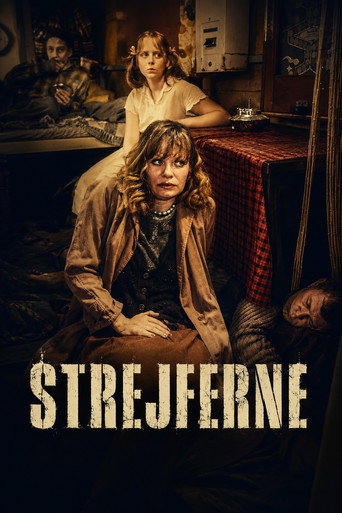
Life is not easy for 11-year-old Allan living in South Jutland during the early 1970s. His mentally unstable father frequently threatens suicide and his mother has long since given up. It's up to Allan to keep the family together. When a rival family threatens his father's livelihood, Allan starts committing atrocious acts.
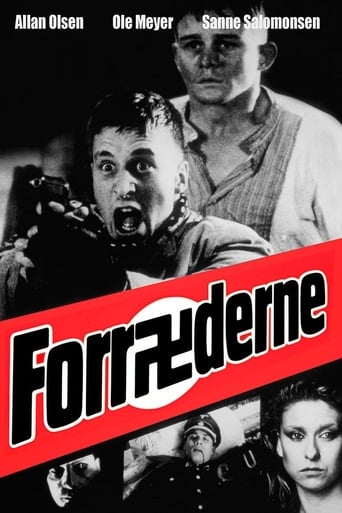
Two Danish youngsters see action in the USSR as volunteers in a special legion under German command in 1944-45. Returned to a camp in their native country, they go AWOL, having first killed a couple of officers. They are now being chased through a wintry Denmark by the German Army, Danish Quislings and the Danish freedom fighters. Love crosses their path when they take a Jewish girl as hostage.
A young Danish man, Christoffer, lives a life of joy and happiness with his wife Maria in Stockholm. When his father dies his mother insists that Christoffer take over management of the family industry which is in danger of bankruptcy. He is torn between his chosen life and his sense of duty to his family and its past. When he chooses to step in as manager his family life and self-respect languish.
Shares a lead actor · Viewers also picked
The life and times of the Scandinavian artists' colony who lived in Skagen on the Danish coast during the 1890s. Not so much a biographical account, rather a portrait of a way of life. The painters became famous for the way they used the light in their work, and this has also been mirrored in the cinematography.
Shares 3 cast members
A funny and moving story of family and free love set in a freewheeling 1970s commune. When Anna and Erik inherit a huge house, they gather a motley crew of cohabitants to reinvigorate their lives, forcing them to reconcile their new values with old habits.
Viewers also picked
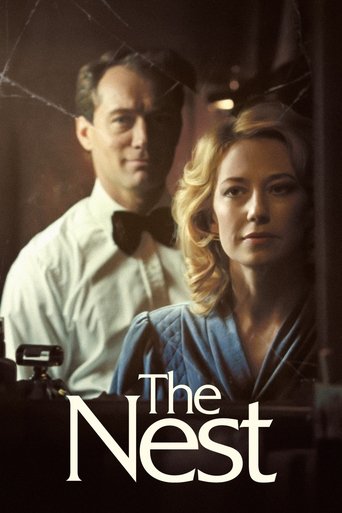
Rory is an ambitious entrepreneur who brings his American wife and kids to his native country, England, to explore new business opportunities. After abandoning the sanctuary of their safe American suburban surroundings, the family is plunged into the despair of an archaic '80s Britain and their unaffordable new life in an English manor house threatens to destroy the family.
Viewers also picked
Evangelist Carlton Pearson is ostracized by his church for preaching that there is no Hell.
Viewers also picked
Ku Klux Klansman Mike Burden opens the Redneck Shop and KKK museum in historic Laurens, SC. He subsequently falls in love with a single mother and, under her influence, quits the Klan and is taken in by an African American Reverend.
Viewers also picked
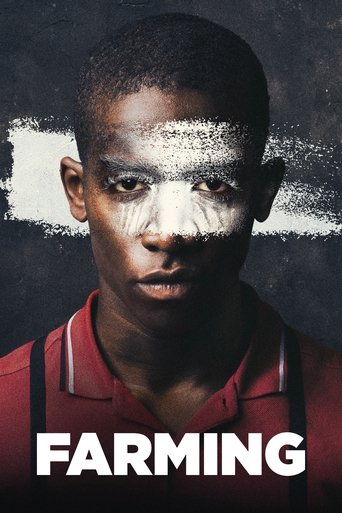
Based on the writer/director's childhood, FARMING tells the story of a young Nigerian boy, 'farmed out' by his parents to a white British family in the hope of a better future. Instead, he becomes the feared leader of a white skinhead gang.
Viewers also picked
The legendary Roberto Duran and his equally legendary trainer Ray Arcel change each other's lives.
Viewers also picked
A manager of an orphanage in India is sent to Copenhagen, Denmark, where he discovers a life-altering family secret.
Shares a lead actor
The three sons of devout Danish farmer Morten have widely disparate religious beliefs. Youngest son Anders shares his father's religion, but eldest son Mikkel has lost his faith, while middle child Johannes has become delusional and proclaims that he is Jesus Christ himself. When Mikkel's wife, Inger goes into a difficult childbirth, everyone's beliefs are put to the test.
Shares a lead actor