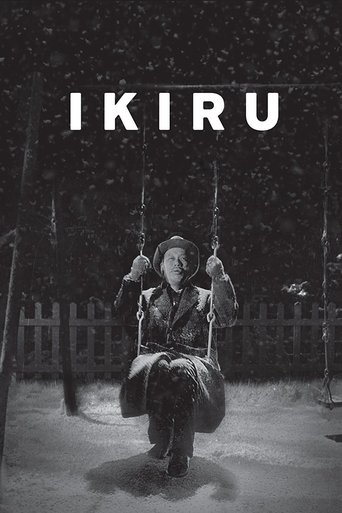
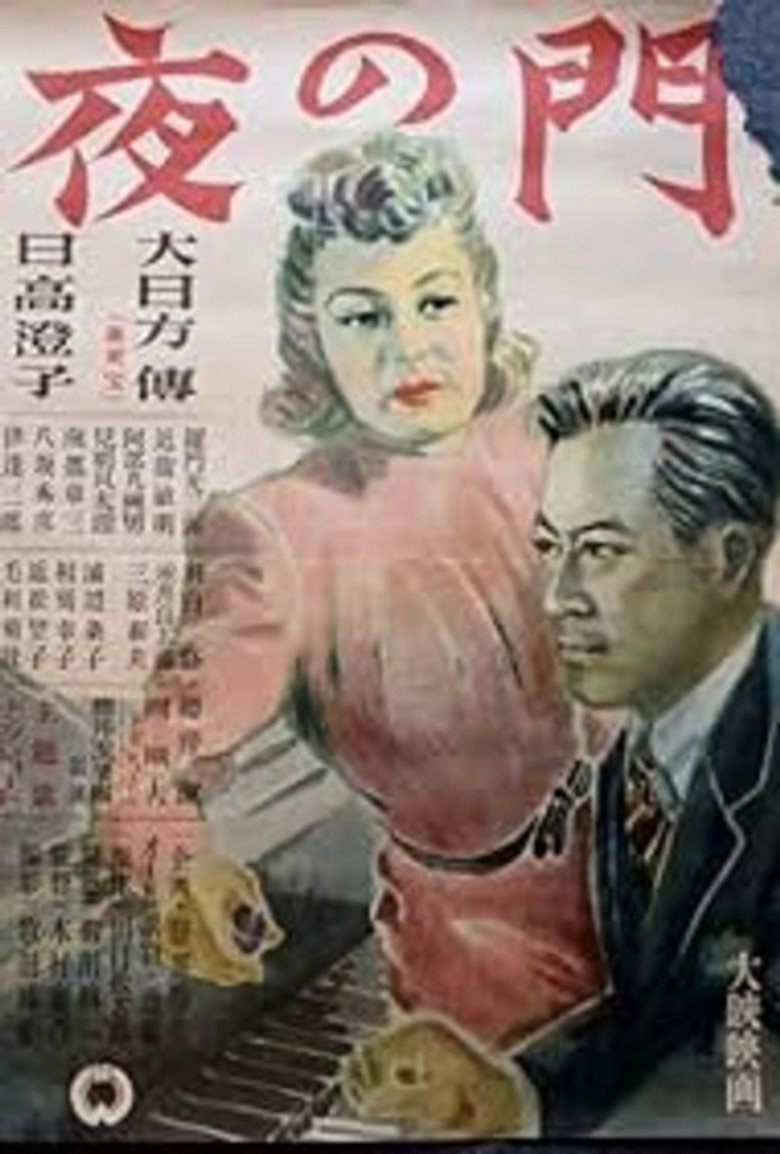
Kanji Watanabe is a middle-aged man who has worked in the same monotonous bureaucratic position for decades. Learning he has cancer, he starts to look for the meaning of his life.
In the summer of 1941, the United States and Japan seem on the brink of war after constant embargos and failed diplomacy come to no end. "Tora! Tora! Tora!", named after the code words used by the lead Japanese pilot to indicate they had surprised the Americans, covers the days leading up to the attack on Pearl Harbor, which plunged America into the Second World War.
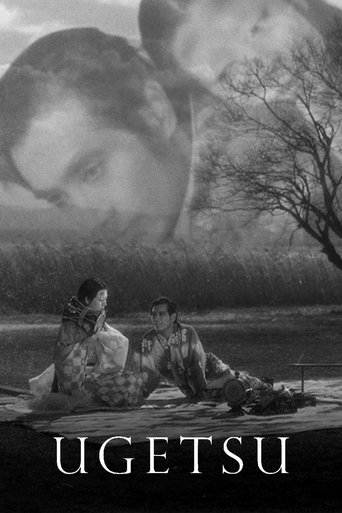
In 16th century Japan, peasants Genjuro and Tobei sell their earthenware pots to a group of soldiers in a nearby village, in defiance of a local sage's warning against seeking to profit from warfare. Genjuro's pursuit of both riches and the mysterious Lady Wakasa, as well as Tobei's desire to become a samurai, run the risk of destroying both themselves and their wives, Miyagi and Ohama.
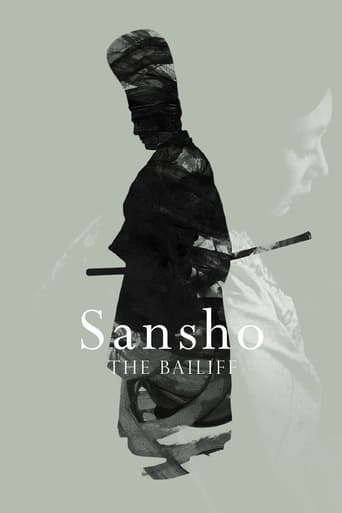
In 11th-century feudal Japan, following the exile of an idealistic governor, his wife and children are separated by slave traders; the children, Zushio and Anju, are sold into brutal servitude under the cruel bailiff Sansho.
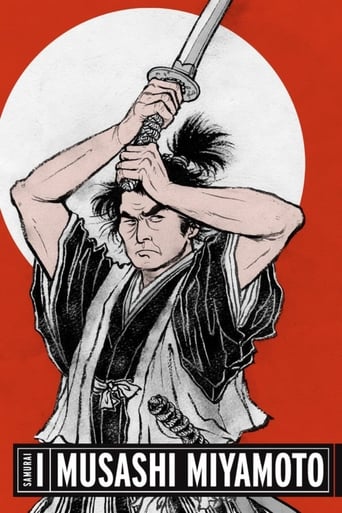
Struggling to elevate himself from his low caste in 17th century Japan, Miyamoto trains to become a mighty samurai warrior.
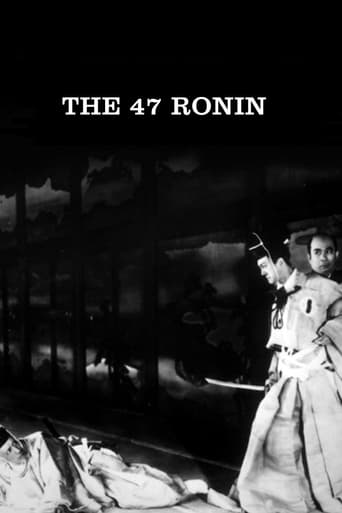
In the early 18th-century, Lord Takumi-no-kami Asano, feuding with Lord Kira, tries to kill his opponent in the corridors of the Shogun's palace. The Shogun sentences Asano to seppuku and deprives the palace and lands from his clan, but does not punish Kira. Asano's vassals leave the land and his samurais become ronin and want to seek revenge against the Lord's dishonour. But their leader Kuranosuke Oishi seeks to restore the Asano clan with his brother Daigaku Asano. One year later, the Shogun refuses, and Oishi and 46 rōnin are out for revenge.
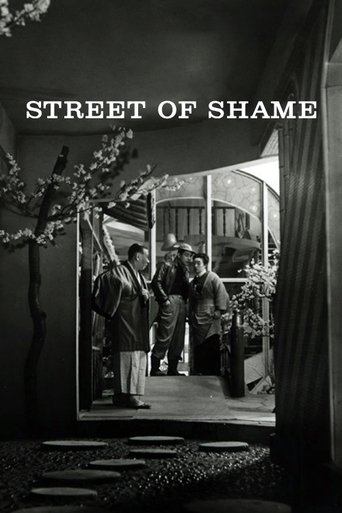
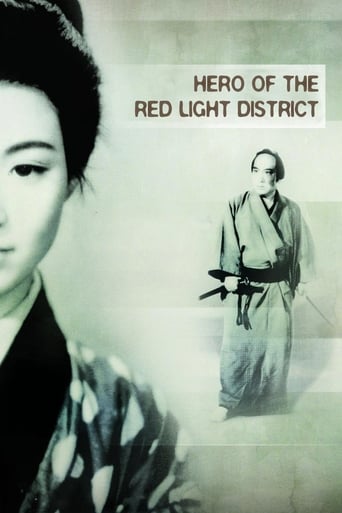
Follows five prostitutes employed at a Japanese brothel while the nation debates the passage of an anti-prostitution law.
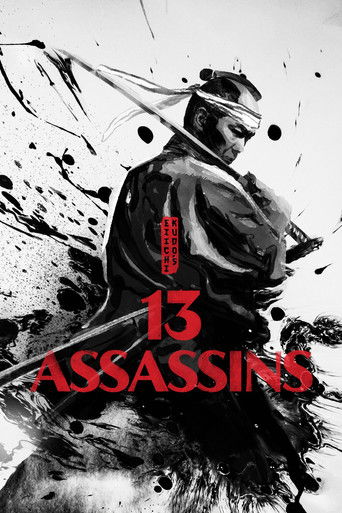
A sadistic Daimyo (feudal lord) rapes a woman and murders both her and her husband, but even when one of his own vassals commits suicide to bring attention to the crime, the matter is quickly hushed up. Not only will there be no punishment, but because the Daimyo is the Shogun's younger brother, he will soon be appointed to a high political position from which he could wreak even more havoc. Convinced that the fate of the Shogunate hangs in the balance, a plot is hatched to assassinate the Daimyo. The two most brilliant strategic minds of their generation find themselves pitted against each other; one is tasked to defend a man he despises, and has a small army at his disposal. The other is given a suicide mission, and has 12 brave men. They are the 13 Assassins.
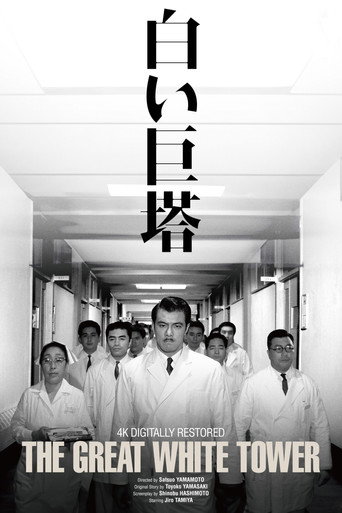
The story contrasts the life of two doctors, former classmates and now both assistant professors at Naniwa University Hospital in Osaka. The brilliant and ambitious surgeon Goro Zaizen stops at nothing to rise to a position of eminence and authority, while the friendly Shuji Satomi busies himself with his patients and research.
In 8th-century China, the Emperor grieves the death of his wife. The Yang family wants to provide the Emperor with a consort so that they may consolidate their court influence. General An Lushan finds a distant relative working in their kitchen, whom they groom to present to the Emperor. The Emperor falls in love and she becomes the Princess Yang Kwei-fei. The Yangs are then appointed important ministers, though An Lushan is not given the court position he covets.
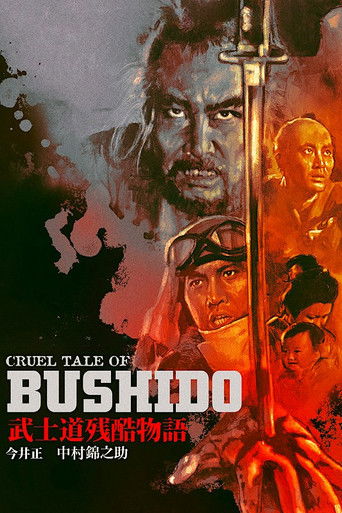
After a salary-man's fiancée attempts suicide, he recounts his gruesome family history which saw generations of his ancestors suffer and sacrifice themselves for the sake of their cruel lords.
Successful and married with children, paper-mill owner Jihei knows better than to contradict the strict social and moral codes of 18th-century Japan. But when he meets the lovely courtesan Koharu, he becomes a man obsessed. Koharu returns his love, even foregoing other customers while Jihei schemes to somehow buy her freedom. His efforts yield ruinous consequences for his business and his family life, and Koharu is meanwhile purchased by another client.
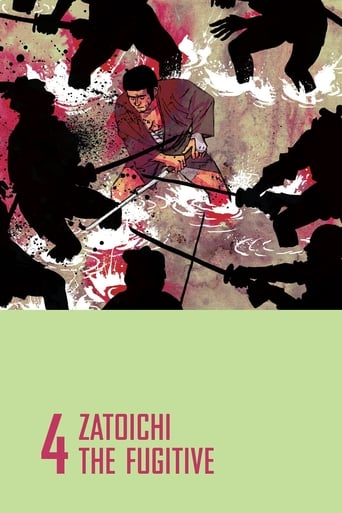
In the fourth installment, Musashi's potentially greatest opponent Kojiro jumps in and out of the story at the oddest and most coincidental moments. As his great love Otsu has succumbed to madness. Musashi then sets off to beat the functionaries of a treacherous clan in an arranged duel. 73 against one. Boastful Kojiro watches, secure in the knowledge that only he is a worthy opponent.
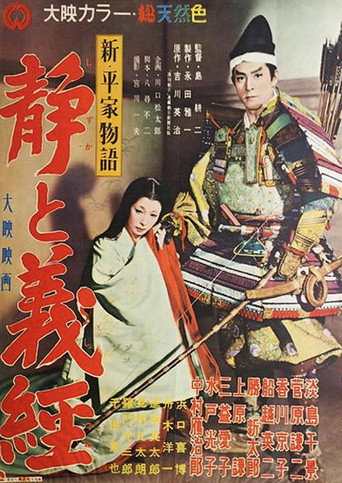
Japan, 1137. The Taira family, a samurai clan, becomes involved in the disputes between Emperor Toba and the monks of Mount Hiei.
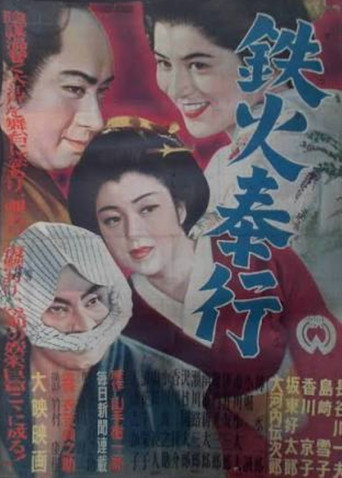
Tai Kato’s early 20th century set yakuza epic about an ordinary merchant girl (Hiroko Maki) who crosses paths with an assassin (Tetsuya Watari). The encounter sends her to jail as a suspected accomplice. Years later she marries a yakuza boss, whose gang is affiliated with working class people.
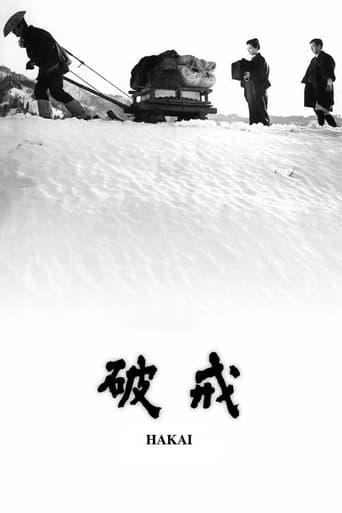
Ushimatsu's father told him never to reveal his lower-caste heritage; years later, he now contemplates confiding in an activist fighting against such discrimination.
A successful textile industrialist from the provinces, who is beloved by his employees for his kindness, cannot find a wife because of a disfiguring birthmark on his face. Even the courtesans in Yoshiwara refuse to entertain him, until an indentured peasant prostitute, Tamarazu, takes the unsavoury assignment and treats him with brash tenderness.
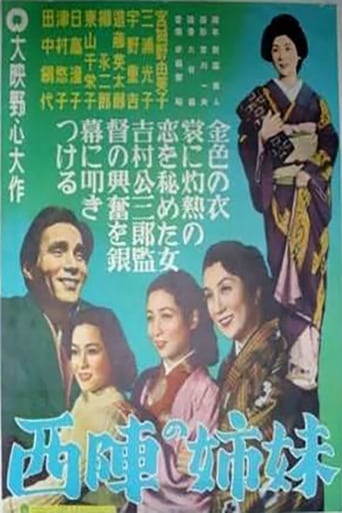
Just after WW2, a romance between an innkeeper and a man with tuberculosis unravels near a thermal spring.
After arriving in the town of Shimonita, Ichi finds that a price has been put on his head by a local yakuza boss. He's drawn into a trap, but after hearing of the slaying of a former love, Ichi furiously fights his way through the entire clan to face the killer, a hired ronin.
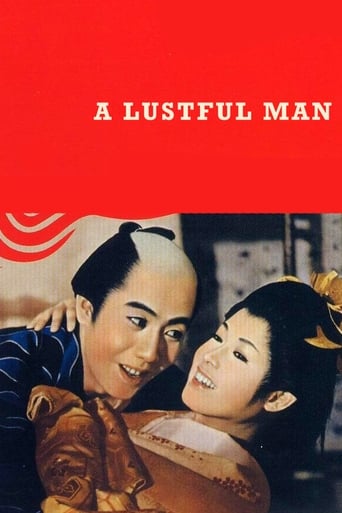
Fascinated with women from an early age, Yonosuke had his first sexual encounter at the age of seven. From that day on, he recklessly and forwardly pursues women, feeding his fascination and experience. As Yonosuke's salacious behavior brings much cause for shame to the family, his father eventually breaks relations with him. Expelled from the family, 19-year-old Yonosuke embarks on a pilgrimage of lust, traveling far and wide to acquaint himself with women of all walks.
A court fortune-teller loses his mind after a conspiracy leads to the death of his lover. Hope appears to be on the horizon after he becomes romantically involved with his dead lover's twin sister, but more complications arise thanks to a chance encounter with a clan of shape-shifters.
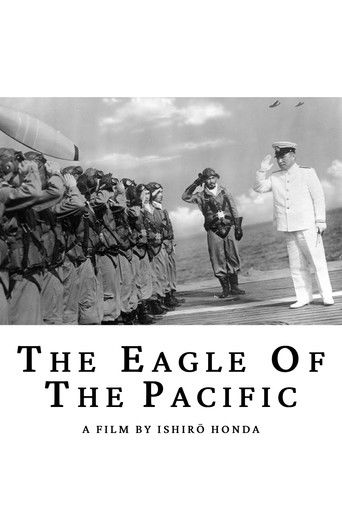
Admiral Isoroku Yamamoto, a brilliant tactician, is a loyal subject of the emperor, despite his grave misgivings about leading Japan's navy into war with the United States. He opposes the attack on Pearl Harbor, but, overruled, he leads his forces to the best of his ability.
A family of Kyoto textile workers struggles after tragedy.
A made man during the height of Hiroshima's yakuza turf war must maneuver through the violence and betrayal inside the criminal underworld.
Orphaned Kiku was raised at a Buddhist temple and learned theatrical arts and martial arts as a child, which were used to put on stage productions to raise money for the temple, but also to display young lads who were essentially for sale to the highest bidder. When Kiku gets fed up with how the temple uses the orphans and wants to leave he gets accused of a double murder and has to flee for his life and liberty.
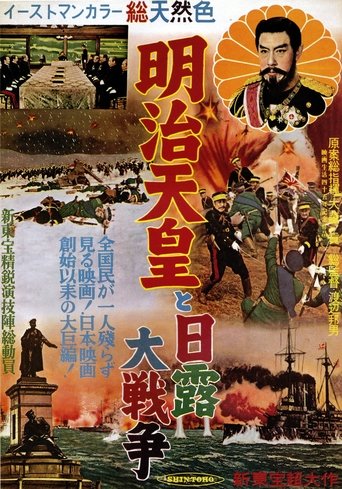
Meiji Tenno portrays the buildup to the Russo-Japan War. In addition to showing the political events that led to war, it also shows the era from the story of a farm family in rural Japan that sends their son off to war. As such, it could be considered an anti-war movie, showing how, while war is devised by governments, the people do not really understand what war is, and its combatants often do not know what they are fighting for.
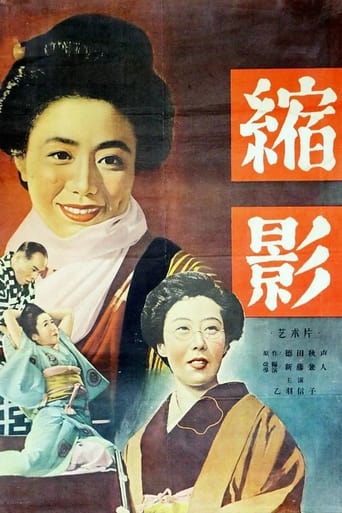
Ginko, a poor cobbler's daughter, becomes a geisha to support her family. She passes from one geisha house to the next, trying to find love and hope in the process. No matter how hard she tries, she just can't escape her sad fate.
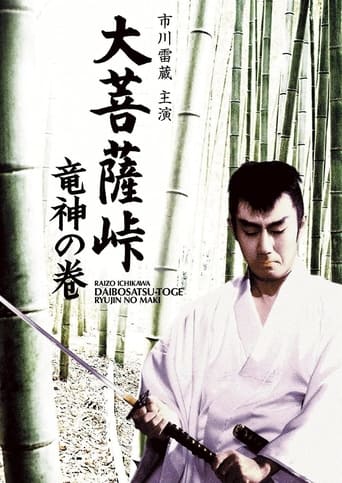
The sequel to Daibosatsu tôge (1960) and the second of the trilogy follows the adventures of Ryunosuke Tsukue after he is blinded.
Kinnosuke of Toyama sets out on a private mission to clear his father’s name for a crime he did not commit.
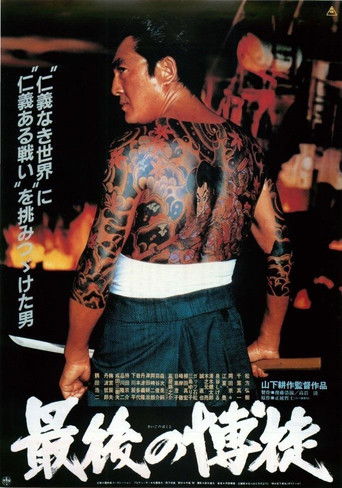
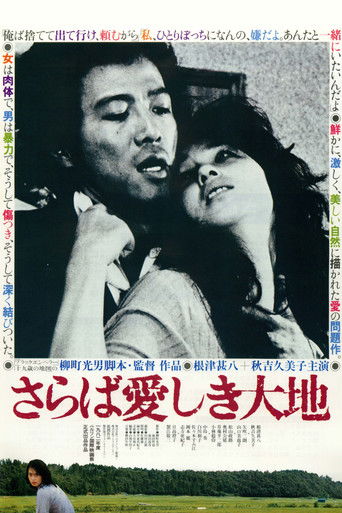
Yukio is an ex-farmer working as a dump-truck driver in Kashima. Haunted by the drowning of his two young sons, whose names he has had tattooed on his back in penance, and locked in a sibling rivalry with his traditional but urbane younger brother who lives in Tokyo, Yukio has become an amphetamine-addicted loner at odds with his family, friends and colleagues.
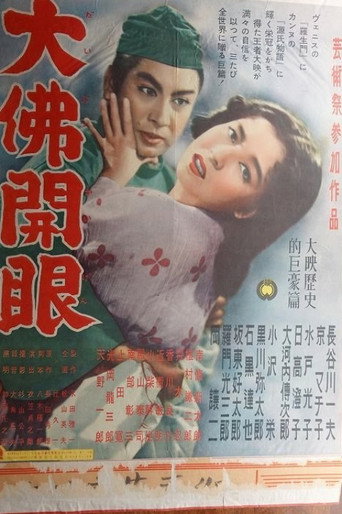
The film depicts how the work to build the Great Buddha overcame a number of obstacles as proponents and opponents clashed over the construction of the Buddha. This work is based on a play by Hideo Osada, which was performed by the Shin Kyodo Theater Company in 1940.
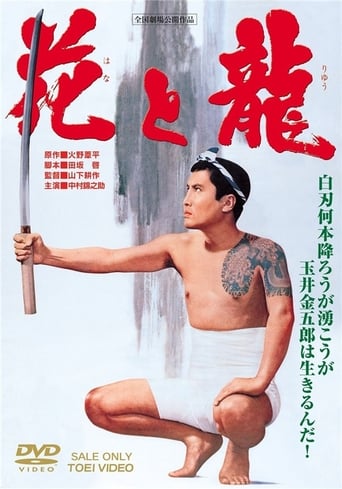
A story of manly life and the beauty of conjugal love. A story about a man and a woman establishing a family of longshoreman, centering on their love and struggle.
1956 Daiei movie
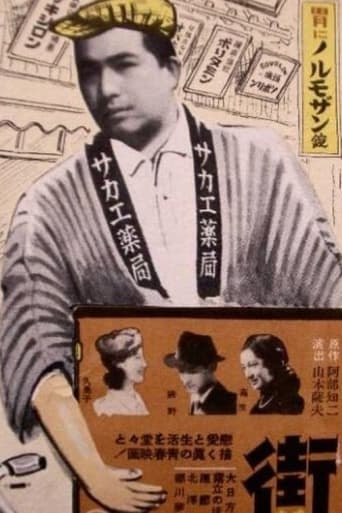
In Depression-era Tokyo, a struggling middle-aged single father with a young son comes across a homeless young lady and convinces a bar owner to take her in.
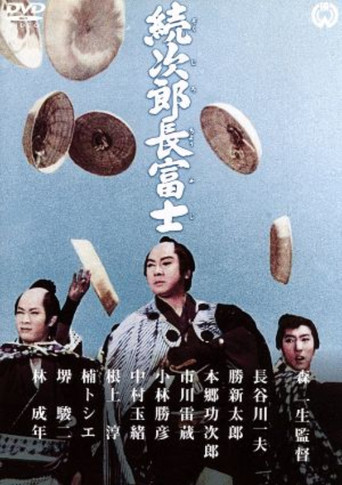
The exciting story of Jirocho and his yakuza gang that controlled the area of the Tokaido during the latter days of the samurai era. Awesome fighting from Katsu Shintaro as One-Eyed Ishimatsu highlights this great tale taken from Japanese history!
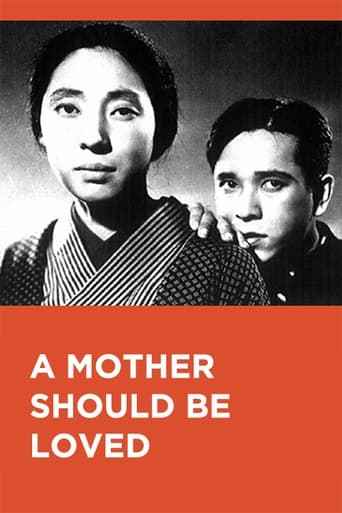
A young man discovers that the woman who raised him is his stepmother. His stepbrother, who is unaware of the revelation, resents his mother for always punishing him more severely than his stepsibling.
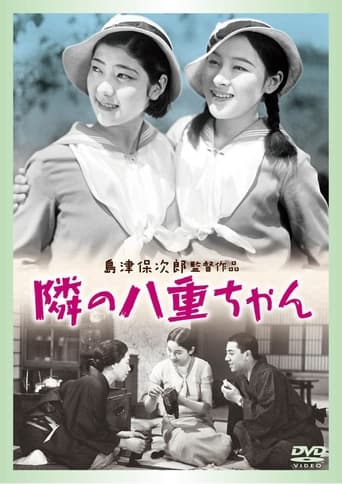
Keitaro is a law student and Yaeko is a high school girl. They are neighbors, and their friendship is starting to develop into something more romantic. Then, Yaeko's sister Kyouko has a breakup with her husband and returns home. Kyouko is clearly interested in Keitaro and Yae becomes anxious.
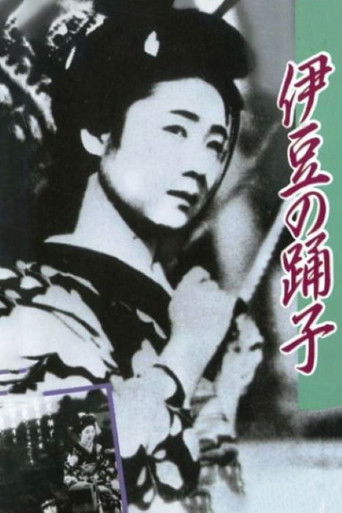
"The Dancing Girl of Izu" tells of the story between a young male student who is touring the Izu Peninsula and a family of traveling dancers he meets there, including their youngest girl. The student finds the naïve girl attractive even though he eventually has to part with the family after spending memorable time together.
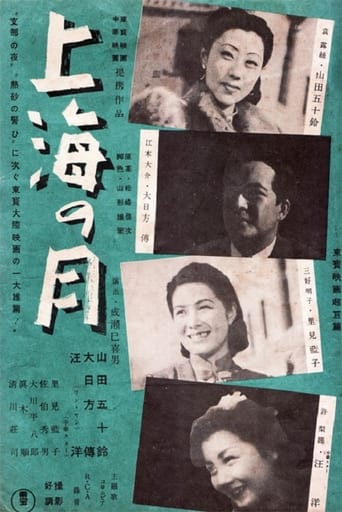
In 1937 fighting erupted between Japanese and Chinese troops at the Marco Polo Bridge. A team of Japanese spies broadcasting radio programs to promote pro-Japanese sentiment were searching for a Chinese speaking announcer. Only 53 minutes of the film survives.
In a small village in a valley everyone who reaches the age of 70 must leave the village and go to a certain mountain top to die. If anyone should refuse they would disgrace their family. Old Orin is 69. This winter it is her turn to go to the mountain. But first she must make sure that her eldest son Tatsuhei finds a wife.
Viewers also picked
Kanji Watanabe is a middle-aged man who has worked in the same monotonous bureaucratic position for decades. Learning he has cancer, he starts to look for the meaning of his life.
Shares a lead actor
A pair of twin brothers from East L.A. choose to live their lives differently and end up on opposite sides of the law.
Viewers also picked
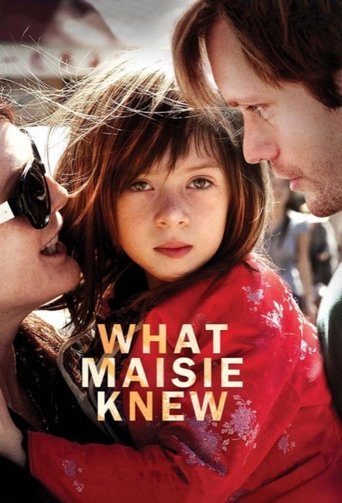
In New York City, six-year-old Maisie is caught in the middle of a bitter custody battle between her self-absorbed parents—an aging rock singer mother and a distracted art dealer father. As both quickly marry new partners to strengthen their legal standing, Maisie is shuttled back and forth in an endless game of emotional point-scoring. Yet amid the chaos and upheaval, Maisie begins to find true comfort and affection in her new step-parents.
Viewers also picked
The film depicts how the work to build the Great Buddha overcame a number of obstacles as proponents and opponents clashed over the construction of the Buddha. This work is based on a play by Hideo Osada, which was performed by the Shin Kyodo Theater Company in 1940.
Shares 2 cast members
In 11th-century feudal Japan, following the exile of an idealistic governor, his wife and children are separated by slave traders; the children, Zushio and Anju, are sold into brutal servitude under the cruel bailiff Sansho.
Shares a lead actor
Evangelist Carlton Pearson is ostracized by his church for preaching that there is no Hell.
Viewers also picked
Follows five prostitutes employed at a Japanese brothel while the nation debates the passage of an anti-prostitution law.
Shares a lead actor
When Tragedy Strikes three Families, their Destiny forces them on a coverging path and mercy as the challenges of their fate could also resurrect their beliefs
Viewers also picked
An uninterrupted rehearsal of Chekhov's 'Uncle Vanya' plays out by a company of actors. The setting: their run-down theater with an unusable stage and crumbling ceiling. The play is shown act by act with the briefest of breaks to move props or for refreshments. The lack of costumes, real props and scenery is soon forgotten.
Viewers also picked