Skip to content
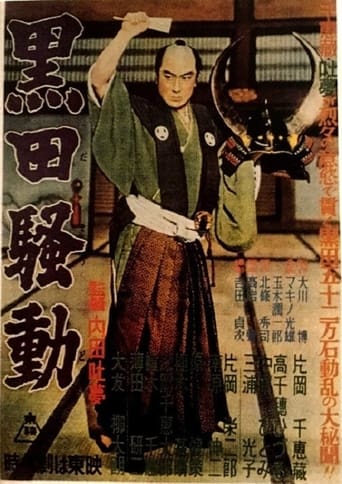
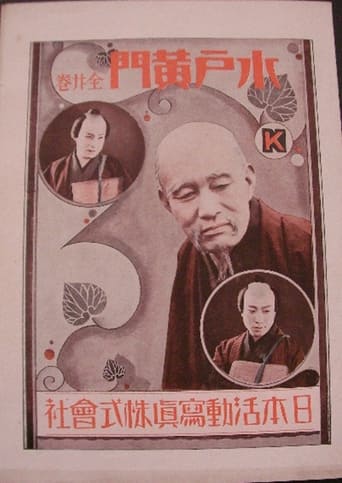
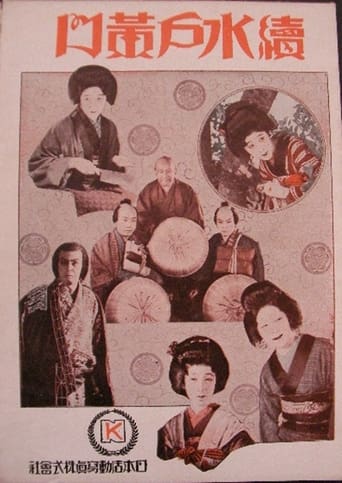
Mito Kōmon poster
Recommendations based on

Mito Kōmon

1926 Movie

Closely Ranked

10 Ranked across franchise, crew, cast, themes, genre, era and audience scores
Yaji and Kita: Yasuda's Rescue poster
45% match FILM

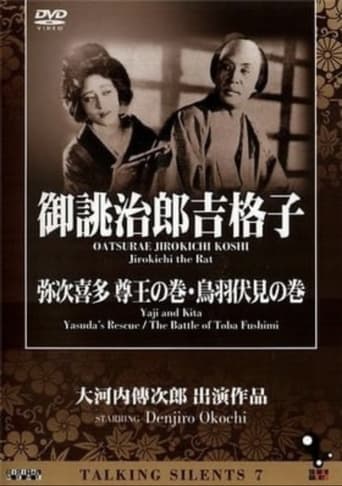
Yaji and Kita: Yasuda's Rescue is a 1927 black and white Japanese silent film directed by Tomiyasu Ikeda.[1] This comedy film showcases the comic talent of Denjiro Okochi, which contrasts markedly with his heroic performance in Oatsurae Jirokichi Koshi. The humorous exchanges with Goro Kawabe, his senior at Nikkatsu, can be priceless, with the expressions and movements of the two goofy characters making for pure, hilarious slapstick comedy. A 15-minute remnant of the film was released on DVD by Digital Meme with benshi accompaniment by Midori Sawato and Ryubi Kato.

Yaji and Kita: Yasuda's Rescue

1927

Shares 2 cast members · Same director
The Story of the Last Chrysanthemum poster
44% match FILM

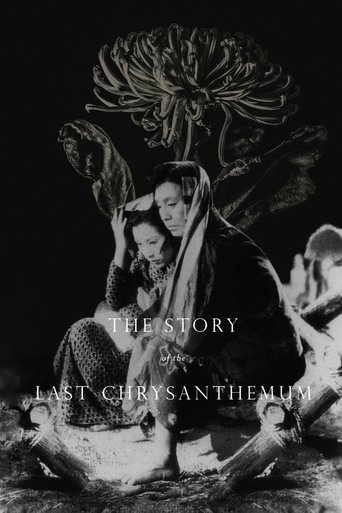
In late 19th-century Tokyo, Kikunosuke Onoue, the adopted son of a legendary actor, himself an actor specializing in female roles, discovers that the praise he receives is only due to his status as his father's heir. Devastated, he turns to Otoku, a servant of his family, for comfort, and they fall in love. Kikunosuke becomes determined to leave home and develop as an actor on his own merits, and Otoku faithfully joins him.

The Story of the Last Chrysanthemum

★ 7.8 1939 Romance

Shares a lead actor

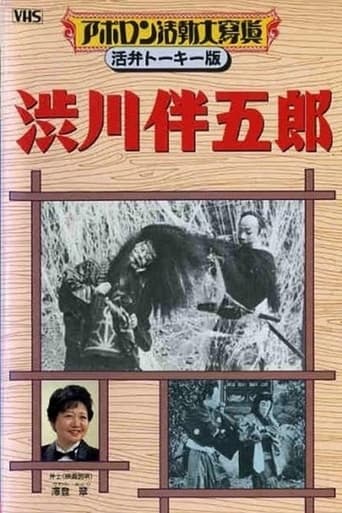
Shibukawa Bangorō poster
34% match FILM

A film on the life of Shibukawa Bangorō, the founder of the Shibukawa-ryū school of jūjutsu. To paraphrase Satō Tadao’s blurb on the back cover of the video, this is an important film for three reasons. 1. it is an almost perfectly well preserved copy of one of only a few full-length movies still available of the first superstar in Japanese cinema history, the very famous Onoe Matsunosuke. 2. it uses a method that was common in the silent era, the dyeing/tinting of film to mark given moments of day (for ex., blue for night-time) or given situations (for ex., red for fire) – and even though most films that used this technique have been redeveloped in straight b&w, this one is available in its original form. 3. it is an early SFX (special effects) movie that uses the basic tools of the trade - a great action movie full of swordsmanship and monsters (bakemono).

Shibukawa Bangorō

1922 Action

Same director