Through deeply personal interviews with her siblings and an examination of the photographs, letters, and belongings left behind, Mariska assembles a new portrait of her mother Jayne Mansfield, an extraordinary and complex woman.
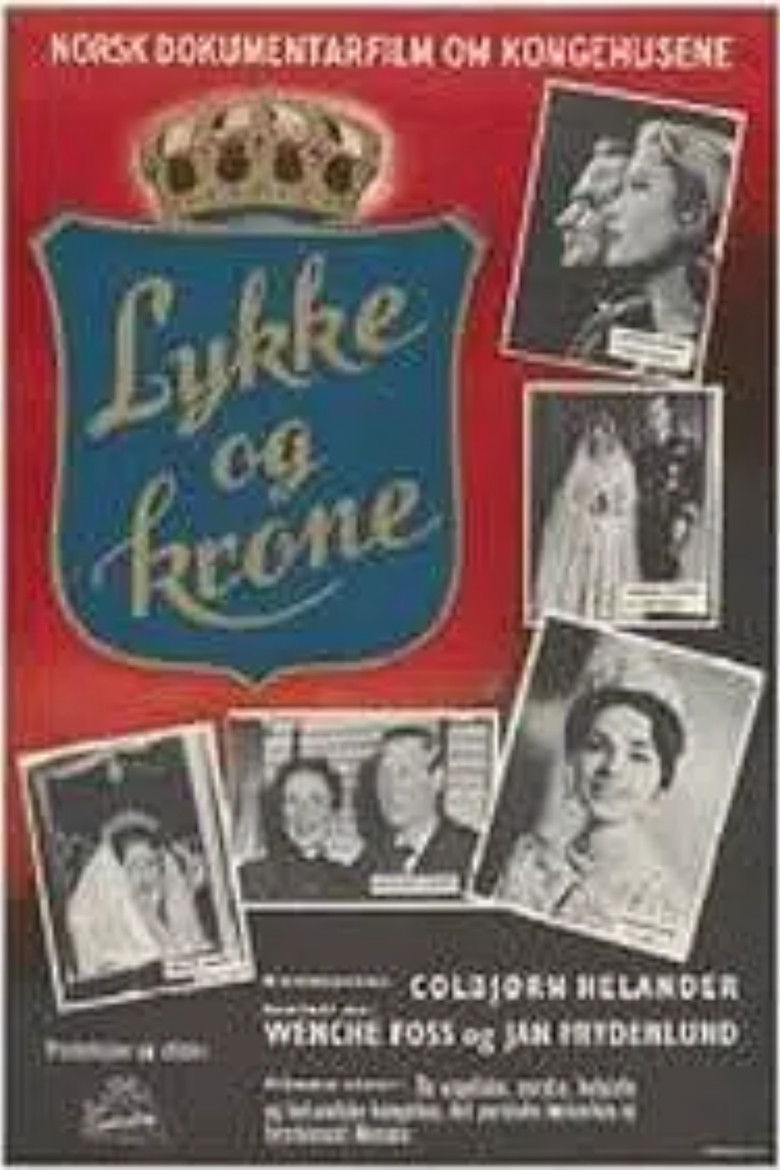
Depicts the royal houses of Europe (Norwegian, British, Belgian and Dutch) as well as Iran and the Principality of Monaco.
Through deeply personal interviews with her siblings and an examination of the photographs, letters, and belongings left behind, Mariska assembles a new portrait of her mother Jayne Mansfield, an extraordinary and complex woman.
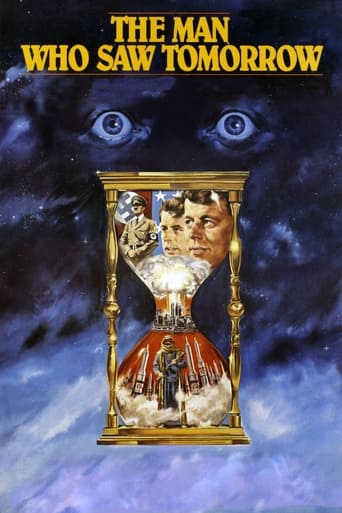
Hosted by Orson Welles, this documentary utilizes a grab bag of dramatized scenes, stock footage, TV news clips and interviews to ask: Did 16th-century French astrologer and physician Nostradamus actually predict such events as the fall of King Louis XVI, the rise of Napoleon, the assassination of President John F. Kennedy? And are there prophecies that have yet to come true?
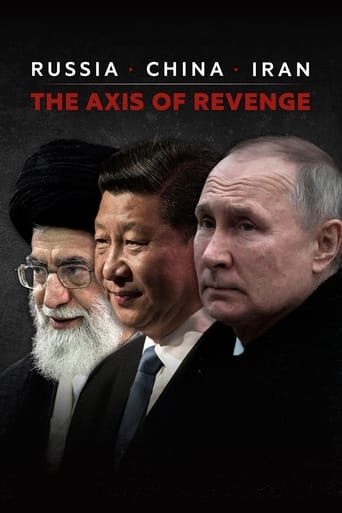
Russia, China and Iran: three former empires are determined to take their revenge and reassert their power after centuries of humiliation. Since the start of the war in Ukraine, they have never been so aligned on the international stage. Their common goal: to put an end to Western hegemony, restore their zone of influence and propose a new model of society. To achieve this, they are waging a hybrid war against the democracies: military, technological, economic, informational and ideological. Are they on the verge of joining forces to create a new world order?
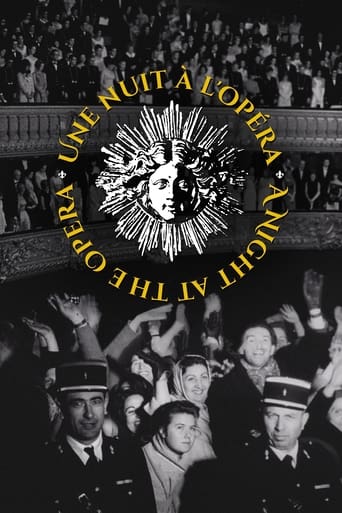
A documentary view of the galas of Paris’s Palais Garnier in the 1950s and ’60s.
Deng Xiaoping's economic and political opening in China. Margaret Thatcher's extreme economic measures in the United Kingdom. Ayatollah Khomeini's Islamic Revolution in Iran. Pope John Paul II's visit to Poland. Saddam Hussein's rise to power in Iraq. The Soviet invasion of Afghanistan. The nuclear accident at the Harrisburg power plant and the birth of ecological activism. The year 1979, the beginning of the future.
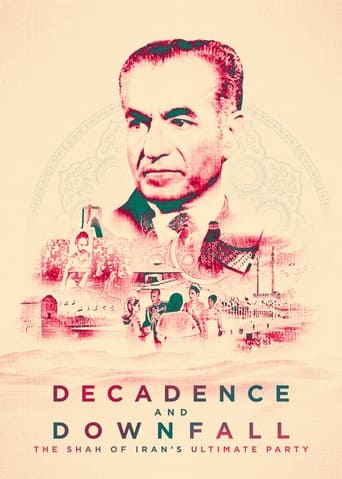
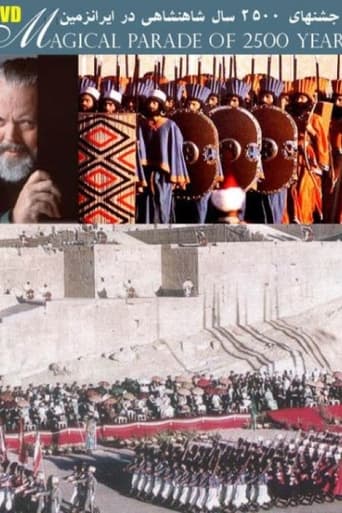
The story of a famously lavish five-day party held by the Shah of Iran in 1971 to celebrate 2,500 years of Persian monarchy. The event was held at a specially constructed oasis surrounded by a city of tents and attended by 60 world leaders, who enjoyed a five-course banquet and a pageant featuring thousands of soldiers dressed in historical costume. However, the decadence on display had far-reaching consequences, breeding resentment of the Shah's regime among the Iranian people.
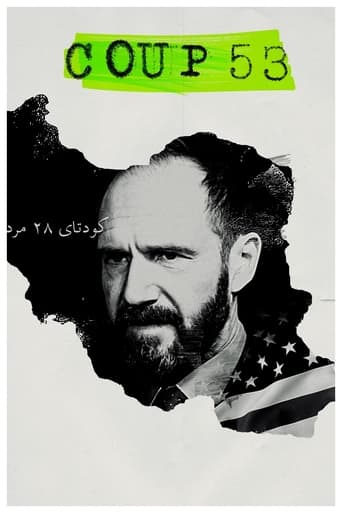
Tehran, Iran, August 19, 1953. A group of Iranian conspirators who, with the approval of the deposed tyrant Mohammad Reza Pahlavi, have conspired with agents of the British MI6 and the US CIA, manage to put an end to the democratic government led by Mohammad Mosaddegh, a dramatic event that will begin the tragic era of coups d'état that, orchestrated by the CIA, will take place, over the following decades, in dozens of countries around the world.
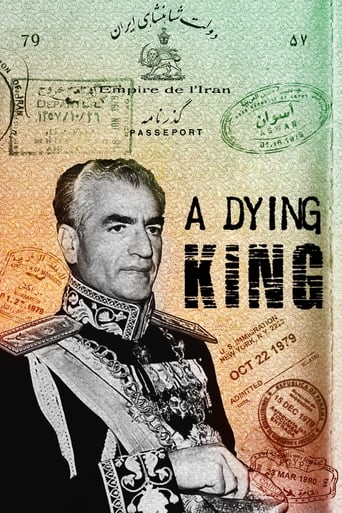
On January 16, 1979, the then Shah of Iran, left Iran commencing what became a 19-month odyssey to exile in Egypt, Morocco, Bahamas, Mexico, US, Panama, and back to Egypt again where he passed away. His death had profound consequences for the future of the middle east and the world, yet the untold medical story of the late Shah of Iran has to date remained a puzzling mystery. This documentary leads viewers to the main causes of the Iranian revolution, pursuant hostage crisis, and the state of relations between the U.S. and Iran.
Iran, January 16th, 1979. Shah Mohammad Reza Pahlavi flees after being overthrown. Ayatollah Khomeini returns to Tehran and proclaims the Islamic Republic on April 1st, 1979. In the same year, Saddam Hussein seizes power in Iraq and, after several border skirmishes, attacks Iran on September 22nd, 1980, initiating a cruel war that will last eight years. Since its outbreak, correspondent Saeid Sadeghi documented it from its beginning to its bitter end.
The history of the Polygoon cinema newsreel is the recent history of The Netherlands and beyond, narrated by the distinctive voice of Philip Bloemendal. Using numerous clips, various individuals involved recount their contributions to the newsreels.
This is the turbulent life story of Farah Diba Pahlavi, who became the first and only Empress in the history of Persia. The history and culture of this country, which dates back over millennia, is as much the theme of this film as is the life of the Empress, a role model to all women in Iran.
A film documenting the exorbitant 2,500-year celebration of the Persian Empire, held in October 1971, organized by Shah Mohammad Reza Pahlavi, and attended by leaders from around the world.
Film about the efforts of Norway and Norwegians outside Norway in the years 1940-45. Crown Prince Olav's introduction. The invasion of Norway. The merchant fleet on all seas. The Norwegian brigade is set up in Scottland. The first Norwegian aircraft squadron in action, and much more.
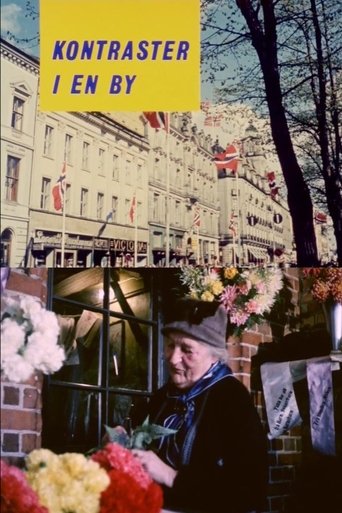
The film highlights the city’s many contrasts. // Oslofilm was a series of public information films about life in and around Oslo, produced between 1940 and 1980. Funded by the state, the films offer valuable insight into postwar Norwegian society. A wide range of Norwegian filmmakers contributed to the productions, resulting in a rich variety of styles and expressions. Several of the films also possess notable cinematic qualities, standing out as more than just informational material. The Oslofilms represent a unique and important chapter in Norwegian film history.
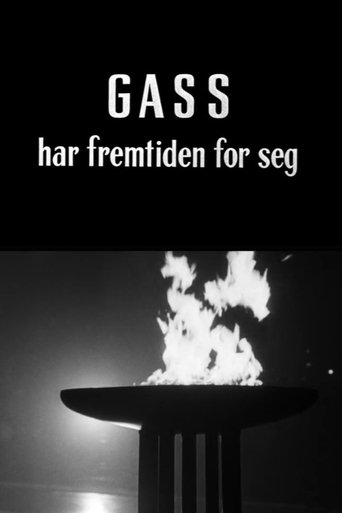
In the mid-1950s, Oslo imported 27,000 tons of coal annually, which was converted into coke, gas, and tar. This production took place at the Oslo Gasworks at Ankertorget. The gas was used both in private households and by industry. ***** Oslofilm was a series of public information films about life in and around Oslo, produced between 1940 and 1980. Funded by the state, the films offer valuable insight into postwar Norwegian society. A wide range of Norwegian filmmakers contributed to the productions, resulting in a rich variety of styles and expressions. Several of the films also possess notable cinematic qualities, standing out as more than just informational material. The Oslofilms represent a unique and important chapter in Norwegian film history.
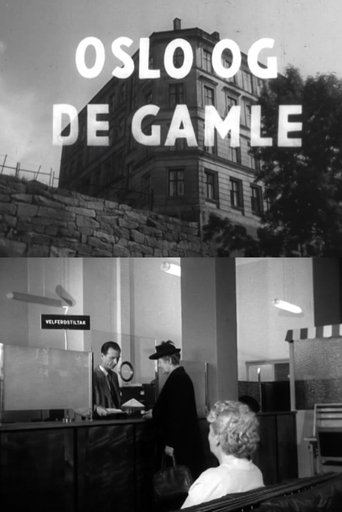
A short film about elderly care in Oslo. Social and welfare services. ***** Oslofilm was a series of public information films about life in and around Oslo, produced between 1940 and 1980. Funded by the state, the films offer valuable insight into postwar Norwegian society. A wide range of Norwegian filmmakers contributed to the productions, resulting in a rich variety of styles and expressions. Several of the films also possess notable cinematic qualities, standing out as more than just informational material. The Oslofilms represent a unique and important chapter in Norwegian film history.
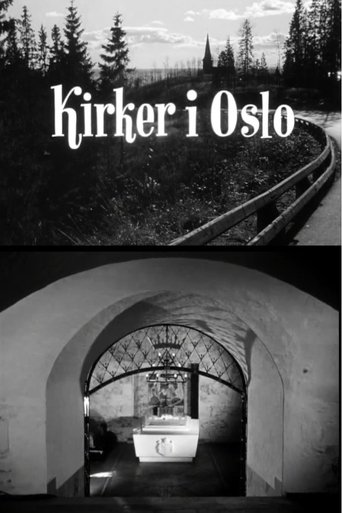
Short documentary about the churches of Oslo, Norway. Directed by the first norwegian female director, Edith Carlmar. **** Oslofilm was a series of public information films about life in and around Oslo, produced between 1940 and 1980. Funded by the state, the films offer valuable insight into postwar Norwegian society. A wide range of Norwegian filmmakers contributed to the productions, resulting in a rich variety of styles and expressions. Several of the films also possess notable cinematic qualities, standing out as more than just informational material. The Oslofilms represent a unique and important chapter in Norwegian film history.
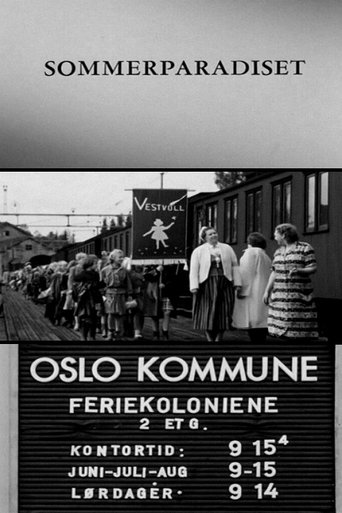
At Slagen, Hudøy and several other places, Oslo Municipality drove holiday colonies where children from the city could vacation in the summer. At Dal there was a separate holiday colony for tuberculosis-infested children. Some children were also sent for holiday stays on farms. More than 5,000 children received a stay at municipal or private holiday colonies every summer. ***** Oslofilm was a series of public information films about life in and around Oslo, produced between 1940 and 1980. Funded by the state, the films offer valuable insight into postwar Norwegian society. A wide range of Norwegian filmmakers contributed to the productions, resulting in a rich variety of styles and expressions. Several of the films also possess notable cinematic qualities, standing out as more than just informational material. The Oslofilms represent a unique and important chapter in Norwegian film history.
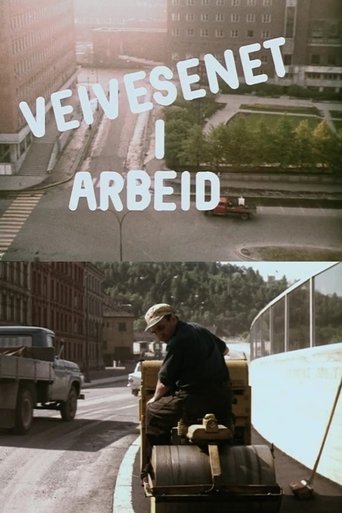
Road work in Oslo. ***** Oslofilm was a series of public information films about life in and around Oslo, produced between 1940 and 1980. Funded by the state, the films offer valuable insight into postwar Norwegian society. A wide range of Norwegian filmmakers contributed to the productions, resulting in a rich variety of styles and expressions. Several of the films also possess notable cinematic qualities, standing out as more than just informational material. The Oslofilms represent a unique and important chapter in Norwegian film history.
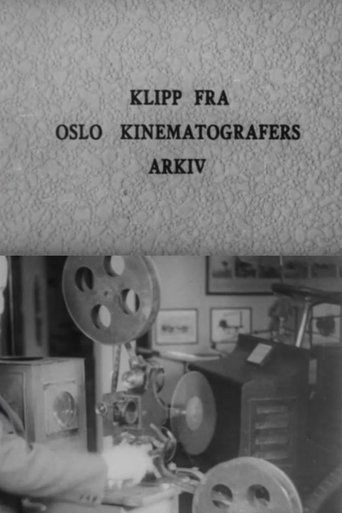
The film begins with the forerunners of cinema and takes us through a review of film history in Norway and the history of Oslo’s cinemas. ***** Oslofilm was a series of public information films about life in and around Oslo, produced between 1940 and 1980. Funded by the state, the films offer valuable insight into postwar Norwegian society. A wide range of Norwegian filmmakers contributed to the productions, resulting in a rich variety of styles and expressions. Several of the films also possess notable cinematic qualities, standing out as more than just informational material. The Oslofilms represent a unique and important chapter in Norwegian film history.
Through deeply personal interviews with her siblings and an examination of the photographs, letters, and belongings left behind, Mariska assembles a new portrait of her mother Jayne Mansfield, an extraordinary and complex woman.
Shares a lead actor · Viewers also picked
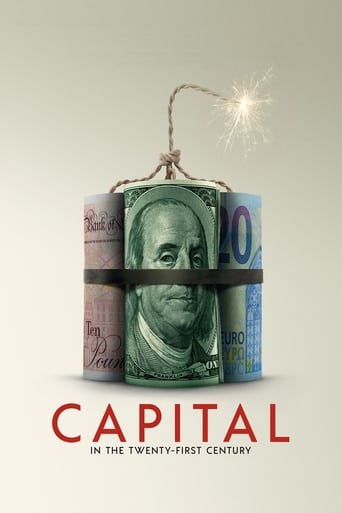
Film adaptation of French economist Thomas Piketty's ground-breaking global bestseller of the same name: an eye-opening journey through wealth and power.
Viewers also picked
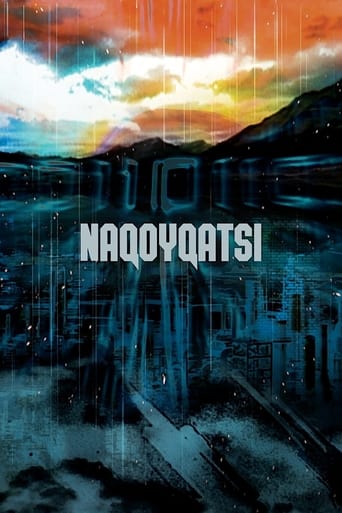
A visual montage portrait of our contemporary world dominated by globalized technology and violence.
Viewers also picked
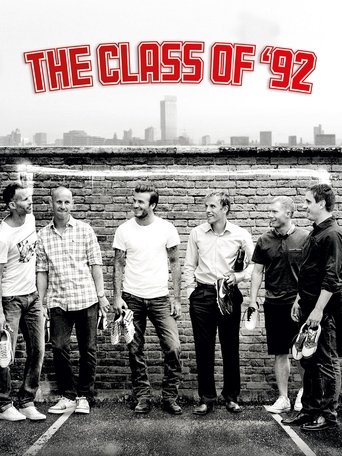
A detailing of the rise to prominence and global sporting superstardom of six supremely talented young Manchester United football players (David Beckham, Nicky Butt, Ryan Giggs, Paul Scholes, Phil and Gary Neville). The film covers the period 1992-1999, culminating in Manchester United's European Cup triumph.
Viewers also picked
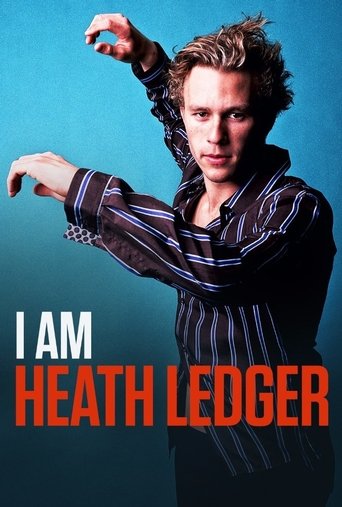
The life and career of an actor, artist, and icon. His own journey through his own camera.
Viewers also picked
A string of threatening emails escalates into a revenge plot involving a newly married US marshal and his ex-girlfriend.
Viewers also picked
Martin Scorsese’s portrait of writer and social commentator Fran Lebowitz, celebrated for her sharp wit and observations on modern life. Filmed at New York’s Waverly Inn and intercut with archival footage and interviews, the documentary captures Lebowitz’s distinctive worldview through her spontaneous monologues and public appearances.
Viewers also picked
Director Michael Apted revisits the same group of British-born adults after a 7 year wait. The subjects are interviewed as to the changes that have occurred in their lives during the last seven years.
Viewers also picked
A documentary about the making of David Fincher's 2008 film THE CURIOUS CASE OF BENJAMIN BUTTON. Virtually every element in the evolution of the Fincher's film is documented here, from the project's attachment to numerous other directors during the 1990s, to its shoot in 2006 and 2007 in New Orleans, to its complex, CGI-intensive postproduction process.
Viewers also picked
A compilation of over 30 years of private home movie footage shot by Lithuanian-American avant-garde director Jonas Mekas, assembled by Mekas "purely by chance", without concern for chronological order.
Viewers also picked