
FILM
The prototype of the hero of the film - Soviet Ukrainian writer Yaroslav Galan, who devoted the last years of his life to exposing the Greek Catholic Church and the Ukrainian nationalists.

After the liberation of the Kuban by the Soviet Army troops, farmers return home and begin to restore the destroyed economy. Under the leadership of the young chairman, Nadiezdha Pritulyak, growers are working with great enthusiasm.
The prototype of the hero of the film - Soviet Ukrainian writer Yaroslav Galan, who devoted the last years of his life to exposing the Greek Catholic Church and the Ukrainian nationalists.
About the life and heroic death of the old Bolshevik-Lugansk resident, participant in the civil war, Aleksandr Yakovlevich Parkhomenko. In 1918, capturing Ukraine, the German occupiers sought to use the Haidamaks, the White Guards and the Greens in their struggle. By order of Voroshilov, Aleksandr Parkhomenko from Lugansk arrives in Tsaritsyn. At the same time, the Germans launched an active offensive. The "red" battalions are poorly armed, however, Parkhomenko manages to raise them to the attack and put the enemy to flight.

In a Kazakh village at the beginning of Soviet power, a wealthy kulak (landowner) voluntarily denounces his opposition to the new regime and hands over his large home to be a new school for the children of the villagers. But three people in the village have difficulty believing that their class enemy is now their friend.

Bolshevik Foma Korshunov returns to his village. Soon his son, seven-year old Mishka gets a new nickname - "little communist". When bandits come to the village Mishka, knowing that the reds are close, saddles his horse and hurry to warn them about the danger.
Three soldiers make their way into a city occupied by the Nazis.
The story unfolds in a post-war town in Western Ukraine. The enemy agents are trying to subvert communist writer Aleksandr Garmash using ideological diversions. In parallel, a story is told about student Rostislav Danchenko who is being recruited by enemy agents. The story is pertinent due to resurgence of ultra-nationalist underground activity in Western Ukraine after World War II.

Based on the true story of Russian pilot Valeri Chkalov (1904 - 1938), who set several long-distance flight records. Chkalov and co-pilots Baidukov and Belyakov altogether had accomplished several nonstop long-distance flights. In June 1937, Chkalov set the world record, covering 12,000 kilometers in 63 hours of nonstop flight from Moscow to Vancouver, Washington, flying over the North Pole.

The old fisherman Vechora has lived all his life in his native village, everything here is familiar and dear to him. He invested his labor into this land and defended it from enemies in difficult times.
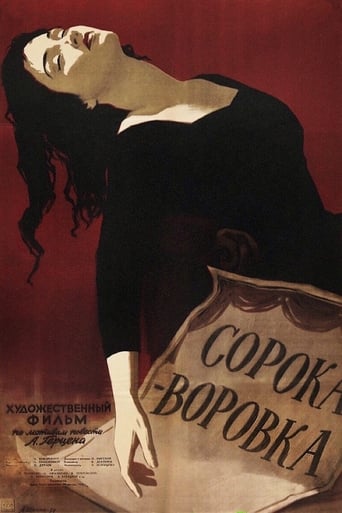
Aneta, the serf actress of Knyaz Skalinsky, amazes with her beauty and talented performance of Shchepin. After the performance, a frank conversation ensues between them. The interlocutor learns that Skalinsky, pursuing the actress for a long time, gave her lover — a young actor of the troupe — to the soldiers for twenty-five years. After much deliberation, Shchepin decides to help the girl, but is too late...

Young Polya comes to Moscow: she wants to find her father, Professor Vikhrov, and try to understand why her mother broke up with him. Vikhrov is a prominent scientist who has defended the forest from barbaric destruction all his life. The war begins. Professor Vikhrov continues to lecture, proving to students the need to protect the forest. Polya is trying to find out the reasons for the long-standing feud between her father and academician Gratsianskiy. Now, when Vikhrov is already not young and lonely, the professor mentally returns to the past.
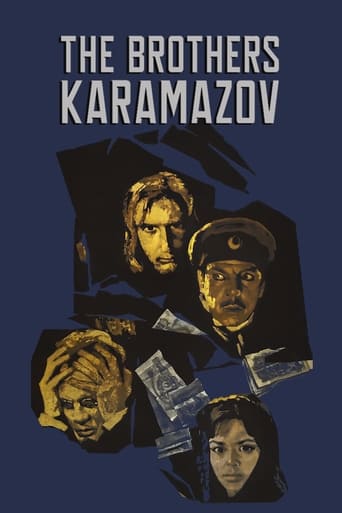
The tragic story of the Karamazov family takes place in a Russian province in the late 19th century. The relations of their father and three brothers are very complicated and contradictory. One of the brothers is accused of killing his father, whom he did not commit. The brothers are unable to help him, and only a loving girl follows him to hard labour.

The love story in the remote village. Lyuba has a child, Nikolai has a wife. Nikolay, having become a projectionist, now, once a week, brings cinema to the village of Babino, where Lyuba lives. Once they loved each other, but Nikolai, unexpectedly for everyone, married another and since then tried not to be in this village. And now feelings have surged again, and both are unable to resist this love.
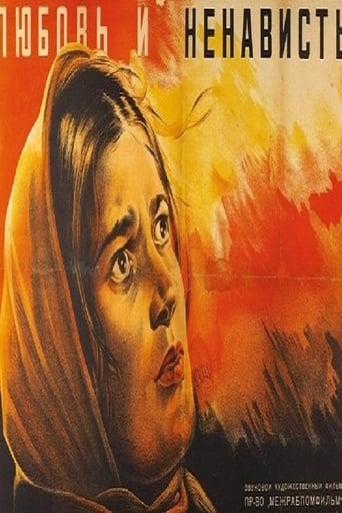
A group of Ukrainian women are forced to work in the mine under the supervision of cruel enemy soldiers. When the soldiers are forced to retreat and decide to blow up the mine, the women organize a guerrilla action to stop them.
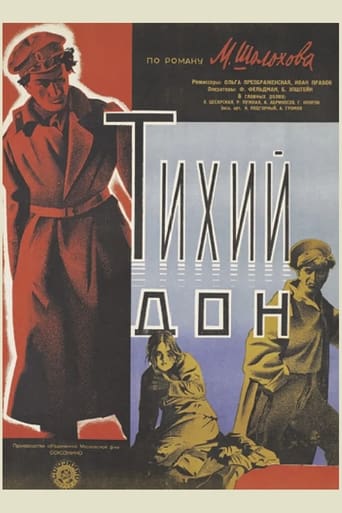
The first screen adaptation of an epic Russian novel about a village of Cossacks on the Don River, covering the last days of peace on the riverside before the beginning of the First World War.
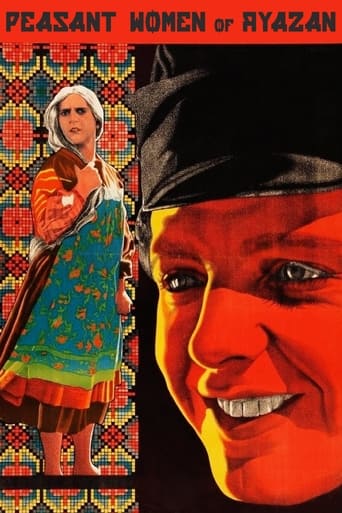
The picture compares the fate of two heroines Anna and her lively and energetic sister-in-law Vasilisa, who openly defies the old way of life.

Olga and Butkevich, the head of the convoy, meet at a roadside cafe. They hadn't seen each other since the beginning of the war. During the conversation, it turns out that a man with the surname of Olga's first husband, whom she considers dead, is working in the convoy. Butkevich arranges a meeting for them. Olga does not recognize him.

When Praskovya’s new husband attempts to hurt her on their wedding night, she fights back, and when he’s called away to fight in World War I not long after, she tends to their farm on her own, determined to make the best of a bad situation.
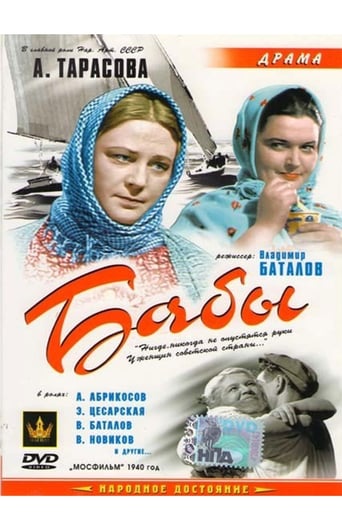
Collective farmers of the Volga region decide to create the first female fishing team. Her hardworking and neat Varvara Kladova, a quiet and gentle woman suffering from adultery with Stepan's husband, becomes her head. Having overcome the first difficulties, women are ahead of the brigade of men. And this makes Stepan look at his wife with different eyes.
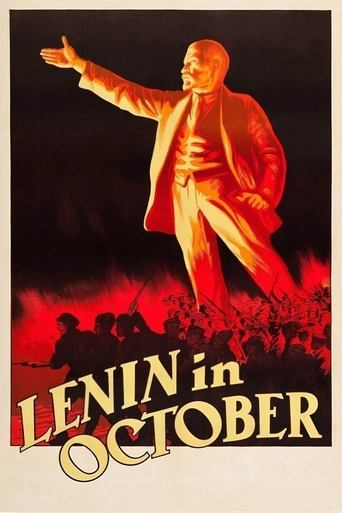
Commissioned by Josef Stalin to commemorate the 20th anniversary of the Soviet Revolution, Lenin in October was the first of Russian director Mikhail Romm's tributes to the Marxist visionary who helped orchestrate the insurrection of October, 1917.

Young geologist Sergei Nesterov, having returned from the army, intends to continue his work, interrupted by the war, on exploring industrial deposits of Ural diamonds. His enthusiasm surprises his boss, puts his fiancée Varvara in an awkward position, and gives other geologists a perfect excuse to mock him. But he is warmly supported by the district committee secretary Salomatov. Sergei steadfastly pursues his goal and, in the end, finds the richest diamond deposits.
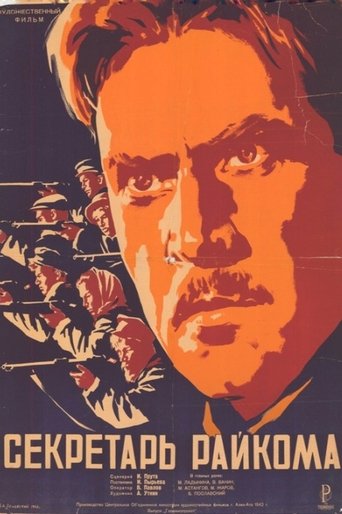
A story about a Secretary of the Communist Party District Committee who is leading partisans in their fight with the Nazis during WWII.
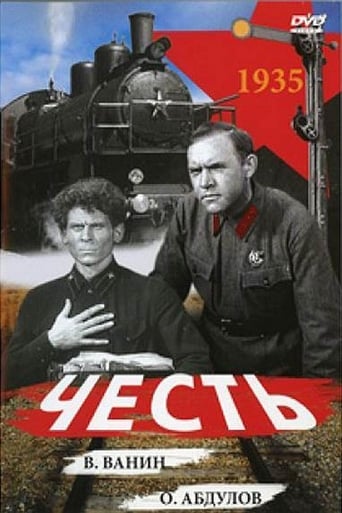
1935. A plan is hatched at a railway depot to sabotage a record-breaking high-speed run that a young locomotive engineer, Mitya Orlov, has volunteered to undertake. The saboteurs attempt to cause a catastrophe by directing the trains of Mitya and his father, Vasily Orlov, toward each other on a collision course.
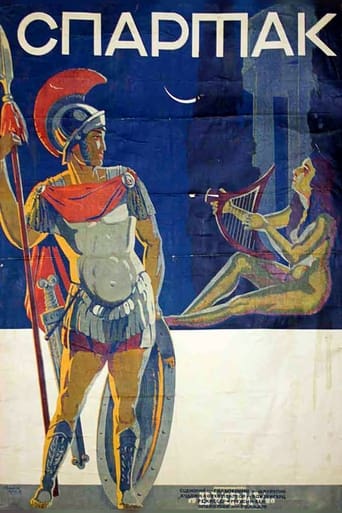
The owner of the gladiator school buys two slaves, the Thracian Spartacus and the Gaul Artorix. During the first fight in the arena, Spartacus wins over the Colloseum audience and his freedom. When freed from gladiator slavery, Spartacus calls slaves and Rome plebs for a rebel. The dictator Sulla dies. Spartacus and rebellious slaves lay out a camp near Vesuvius. The Roman commander Crassus is unable to take Spartacus’s camp by storm, so he lays siege to it. Spartacus is betrayed; he dies with his friend Artorix in a battle. The film is based on Raffaello Giovagnoli’s novel of the same name.
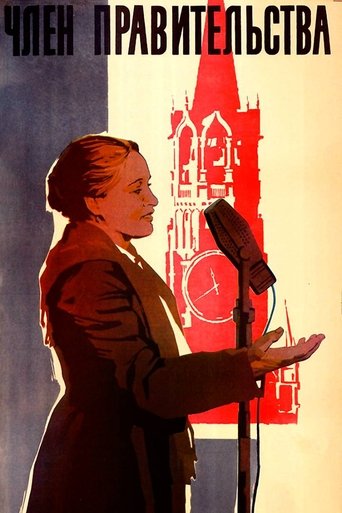
In the 1930s, during Collectivization, we follow Alexandra Sokolova, who having joined a kolkhoz, is promoted by the Party to the management of the farm: she becomes chairman of the kolkhoz, courageously coping with the difficulties of collectivization, the distrust of some fellow villagers, and family conflict.
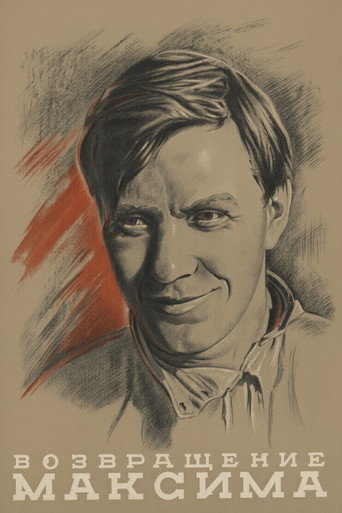
The second part of trilogy about the life of a young factory worker, Maxim. In July 1914, the Bolsheviks and Mensehviks compete for representation of the working-class in the Duma. Maksim, who just returned from exile, calls the workers to strike as a protest against the firing of six of their colleagues. The traitor Platon Dymba assaults Maksim, wounding him severely. When the strike unfolds the workers demonstrate by the thousands, the news of the outbreak of World War I suddenly arrives. Maksim gets drafted.
November 1941. One by one, the men leave, leaving only old men, women and children in the village of Bykovka. Ivan Vybornov, the chairman of the collective farm, is also raring to go to the front, but, obeying party discipline, remains in the village and continues to skillfully and energetically lead the collective farm, mobilizing fellow villagers to send bread for the front and starving cities.

In 1920 Poltava, Ukraine, the first Soviet colony for street boys was created. This film tells the story of these rebellious kids and how the colony's director sought to rehabilitate them by allowing them to govern themselves.

In the center of the story are three main characters - Lieutenant Colonel Soshnikov, Captain Muravyov and Major Zakharov. Three ages, three different characters, three different destinies, which are destined to meet at the Khmeimim military base.
Viewers also picked
A dramatization of the American general and his court martial for publically complaining about High Command's dismissal and neglect of the aerial fighting forces.
Viewers also picked

A conflict develops between a troubled Vietnam veteran and the sister he lives with when she becomes involved romantically with the army buddy who reminds him of the tragic battle they both survived.
Viewers also picked

During the harrows of WWII, Jo, a young shepherd along with the help of the widow Horcada, helps to smuggle Jewish children across the border from southern France into Spain.
Viewers also picked

The story about a very small god-forgotten village in Siberia reflects the history of Russia from the beginning of the century till the early 1980s. Three generations try to find the land of happiness and to give it to the people. One builds the road through taiga to the star over horizon, the second 'build communism' and the third searches for oil.
Viewers also picked

During the war in Afghanistan a Soviet tank crew commanded by a tyrannical officer find themselves lost and in a struggle against a band of Mujahadeen guerrillas in the mountains.
Viewers also picked

A Russian military propaganda film about the tank commander Kalashnikov, severely injured in battle in 1941. The accident leaves him incapacitated and unable to return to the front line. While recovering in the hospital, he begins creating the initial sketches of what will become one of the world’s most legendary weapons. A self-taught inventor is only 29 when he develops the now iconic assault riffle — the AK-47. Shot in occupied Crimea.
Viewers also picked
Two young men are seriously affected by the Vietnam War. One of them has always been obsessed with birds - but now believes he really is a bird, and has been sent to a mental hospital. Can his friend help him pull through?
Viewers also picked
When Singapore surrendered to the Japanese in 1942, the Allied POWs, mostly British but including a few Americans, were incarcerated in Changi prison. Among the American prisoners is Cpl. King, a wheeler-dealer who has managed to establish a pretty good life for himself in the camp. King soon forms a friendship with an upper-class British officer who is fascinated with King's enthusiastic approach to life.
Viewers also picked
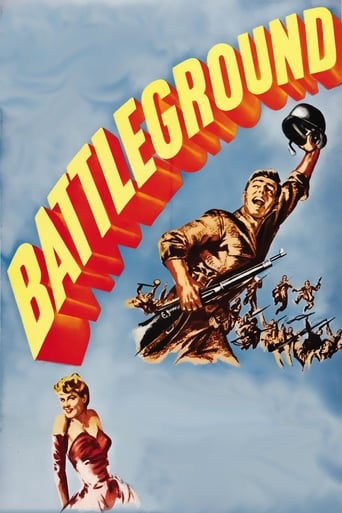
Members of the U.S. Army's 101st Airborne Division are fighting for their country amidst the rugged terrain of Bastogne, Belgium, in December 1944. Holley and his American compatriots have already seen one of their own, Roderigues, perish under enemy fire. The men try to rebuff another series of Nazi attacks, but what they really need is a change in the weather. Without clear skies, they'll never get the air support they need.
Viewers also picked
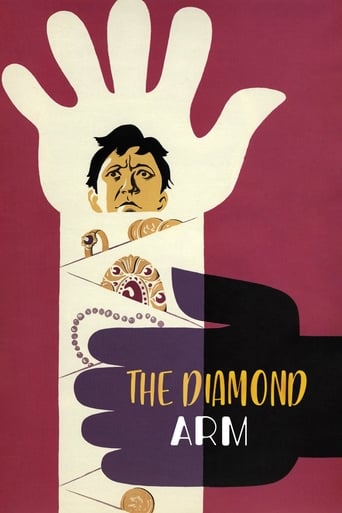
A diamond smuggling operation goes wrong when an ordinary Soviet citizen becomes unwittingly involved, and the criminals are forced to court him to retrieve their diamonds.

Three boys live in the same house and go to the same school in Kiev. After one of the boys gets in trouble, their friendship is put to a serious test for the first time in their lives.
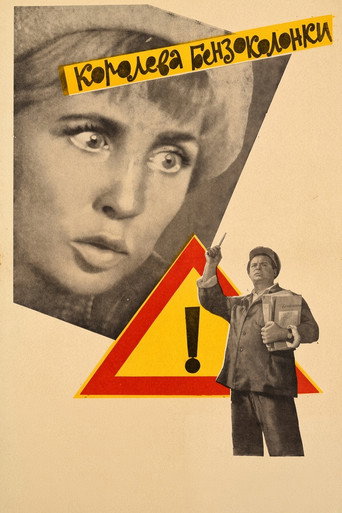
Lyudmila doesn't have any luck in finding the perfect job. She tried to be an air hostess, newscaster, model, ice skater, but fate had something else in store for her - a petrol station, where her incredible positivity and fiery personality charm everyone around her.
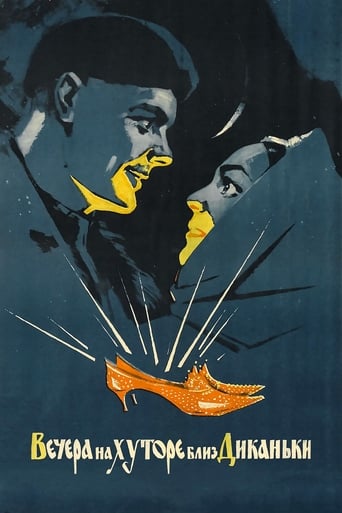
The story that happened on the farm near Dikanka on the night before Christmas, when the village blacksmith Vakula, having saddled the Devil, brought to his beloved Oksana, the daughter of a rich Cossack Chub, queen's "сherevichki"(the little women shoes) from the capital — St. Petersburg.
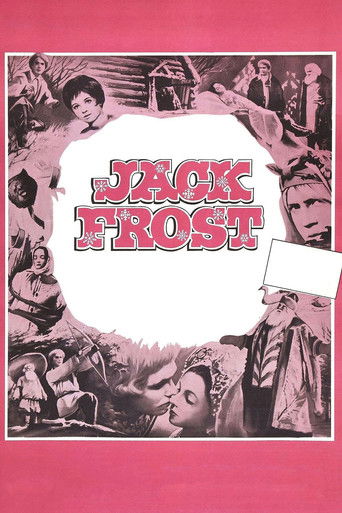
A fairy tale about a conceited young man and a young woman with a tyrannical step-mother, who must overcome magical trials in order to be together.

A musical comedy about students and graduates of a theater school - about young people who have just graduated from school and decided to go “to the artists” ... Sergey decides to live his whole life and live his life in a big city. He is going to Kiev! On the way, he meets on the roof of the train Lesik, who actually turns out to be a charming girl named Natasha ...

Announcer Aza Likhitchenko interviews the heroes of this season's premiere performances.

A former aristocrat Ippolit Vorobyaninov leads a miserable life in Soviet Russia. His mother-in-law reveals a secret to him - she hid family diamonds in one of the twelve chairs they once had. Vorobyaninov in cooperation with a young con artist Ostap Bender start a long search for the diamonds.
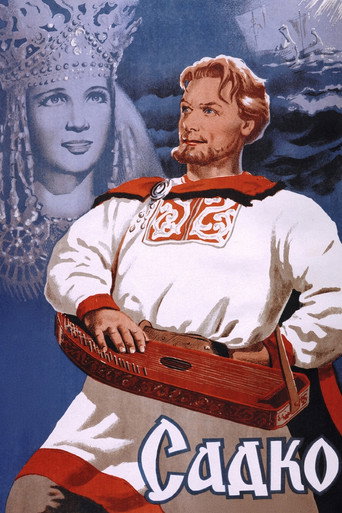
In the old Russian city of Novgorod, the merchants are feasting in a gorgeous palace and Sadko is bragging that he can bring to their land a sweet-voiced bird of happiness. They laugh at him, but he is offered help by the Ocean King's daughter, who is mesmerized by Sadko's singing and is in love with him. The hero is destined to visit many lands in his search of the bird.

Elecampane is a healing root like ginseng. According to Kuban belief, dug out in the forest on New Year's Eve, it cures any disease. Children from the Kuban village of Black Erik learn about Lenin’s illness and decide to help him.

Lyrical comedy about love and happiness.

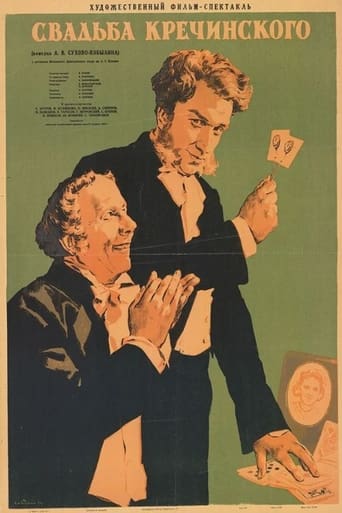
Mikhail Vasilyevich Krechinsky, an avid gambler and cardsharp, loses a large sum of money. Creditors are closing in on him from all sides. The only way out is to marry a rich girl. To get his father's blessing and speed up the wedding, Krechinsky resorts to deception.

The Maiden Spring choreographic ensemble goes on tour in the Volga cities. In love with the soloist of the ensemble Galina, the optician Volodya could not be among the passengers of the ship on which the artists sailed: on the occasion of the special flight, tickets for the ship were not sold. And then Volodya gets a job as an assistant cook in the galley (the only vacant place on the ship). A lot of adventures have befallen the new nutrition worker. The galley’s female team received him with pleasure, and the beautiful Nastya even fell in love with the young man a little, causing Gali’s jealousy ...