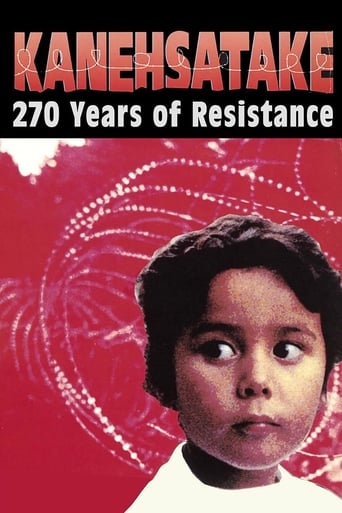
In July 1990, a dispute over a proposed golf course to be built on Kanien’kéhaka (Mohawk) lands in Oka, Quebec, sets the stage for a historic confrontation that would grab international headlines and sear itself into the Canadian consciousness.
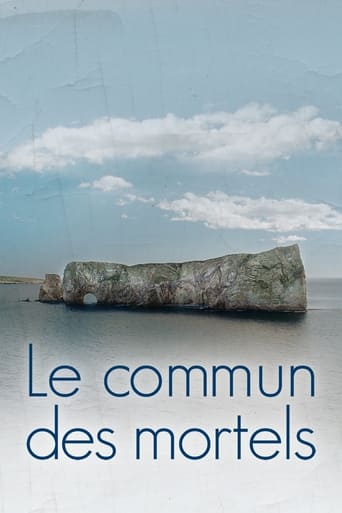
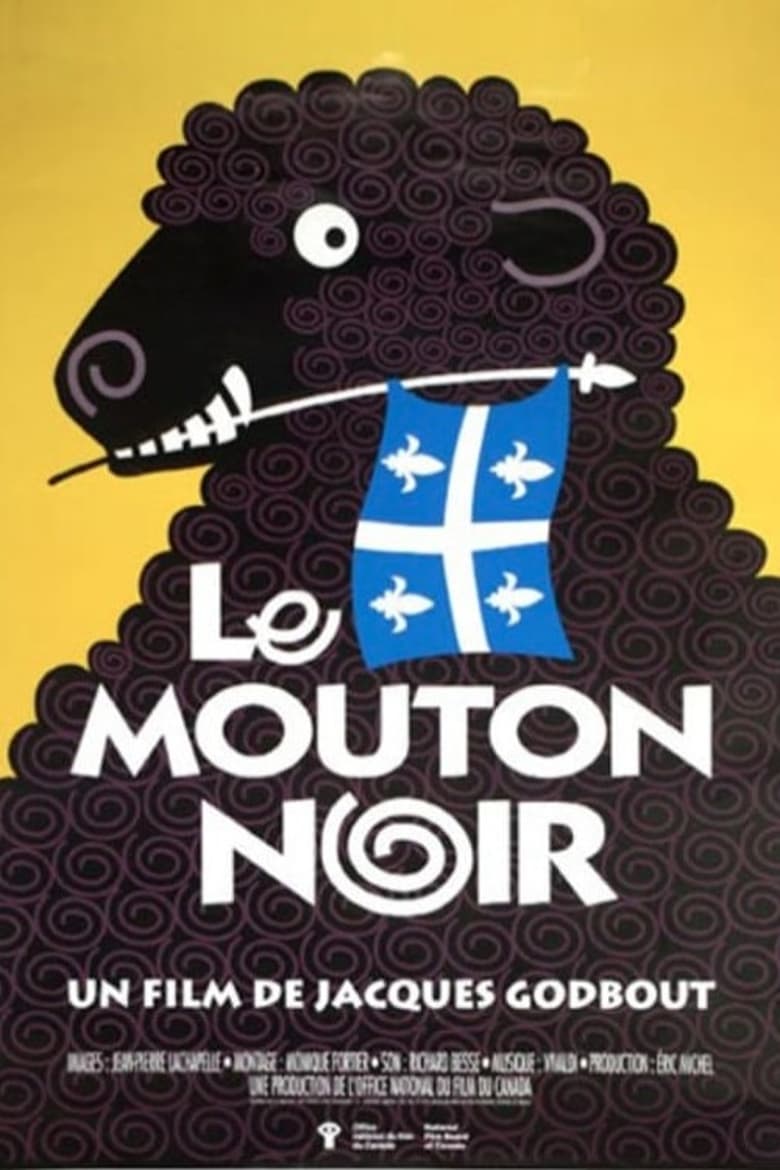
From coast to coast, from St. John's, Newfoundland to Vancouver, British Columbia, Jacques Godbout films a documentary chronicle of the political turnaround that was to follow the Meech Lake Accord. Following the Meech referendum, Quebec and Canada found themselves at an impasse after a long and ultimately fruitless negotiation, various social and political actors spoke out. Their comments, linked to film clips on the lives of important Canadian politicians (Sir Georges-Étienne Cartier, John A. Macdonald, Louis-Joseph Papineau...), draw parallels between the speeches of yesterday and those of the post-Meech era.
In July 1990, a dispute over a proposed golf course to be built on Kanien’kéhaka (Mohawk) lands in Oka, Quebec, sets the stage for a historic confrontation that would grab international headlines and sear itself into the Canadian consciousness.
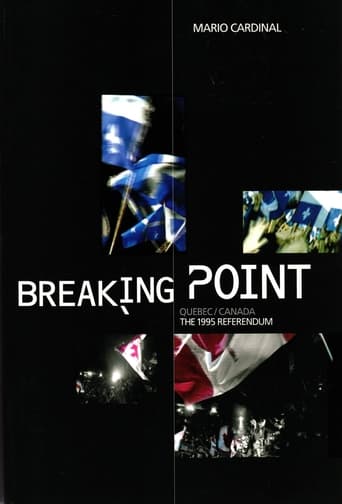
BREAKING POINT brings viewers back to those tense, critical moments when Canada's future as a country was at stake.
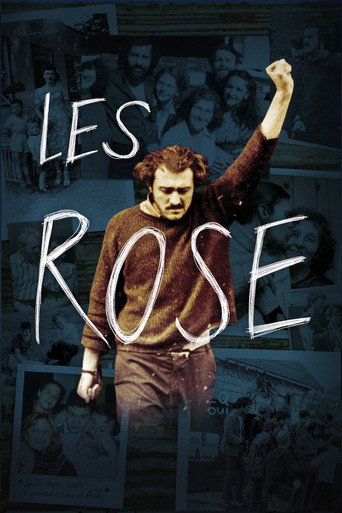
In October 1970, members of the Front de Libération du Québec (FLQ) kidnapped and murdered Minister Pierre Laporte, part of an unprecedented crisis in Quebec. Fifty years later, Félix Rose tries to understand what could have led his father and uncle to commit such crimes. Thanks to his uncle Jacques, who agrees for the first time to speak on the subject, and to the traces left by his father Paul, he revives the heritage of a Quebec working class family. The fruit of ten years of research, Les Rose allows us to revisit a time and people that we knew through clichés, and gives a glimpse of the experiences of a rebellious youth and the crimes that followed.
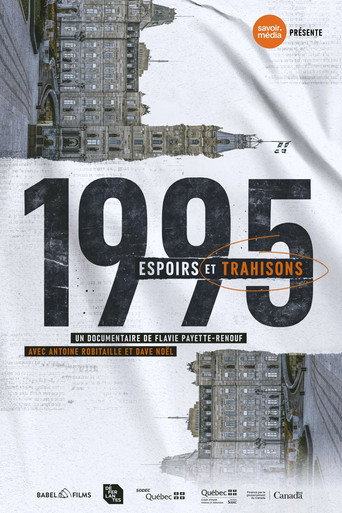
In 1995, Quebec faced a harrowing choice: remain part of Canada or establish itself as a separate country. The future of a nation and a lifelong dream were at stake in this referendum. Through interviews and analysis, journalists Antoine Robitaille and Dave Noël delve into the secret strategies, fierce rivalries, and political maneuvering of both sides.
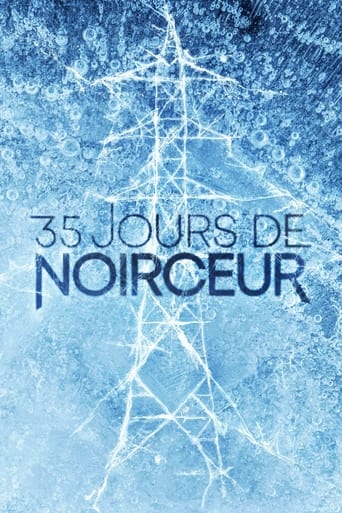
This documentary revisits the month of January 1998, which plunged the province of Québec into darkness. It looks back at the ice storm that dragged on for thirty-five long days, depriving thousands of Quebecers of electricity.
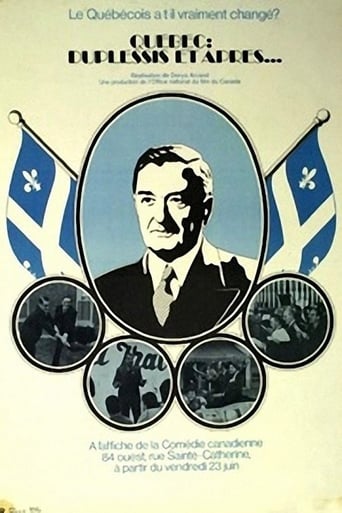
This film establishes a parallel between the 1970 electoral campaign in Québec and the 1936 campaign dominated by Maurice Duplessis. It shows the hope but also the uncertainty that existed in 1970. Had the Quiet Revolution really changed things in Québec? Was it possible that a new leader would emerge on the political scene? (NFB.ca)
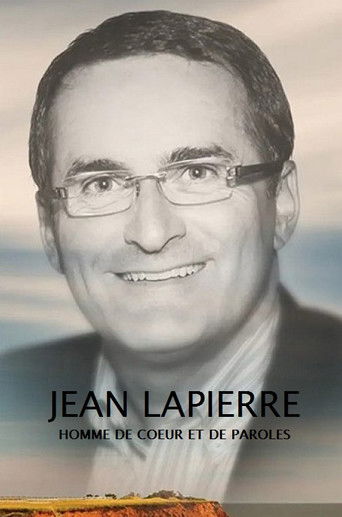
Through never-before-released interviews, this documentary provides an opportunity to (re)discover Jean Lapierre: the colleague, the politician, the friend, and the family man. We follow his journey as a child growing up on the Magdalen Islands to becoming a well-known one-of-a-kind politician and commentator...to just before the March 2016 airplane crash that took his life.
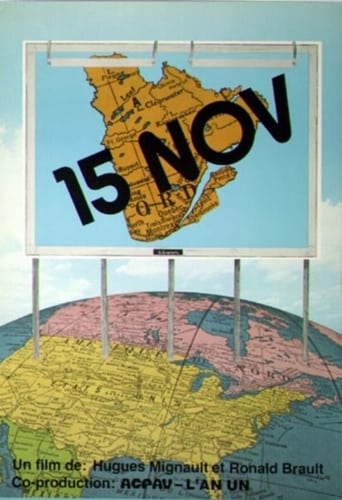
A look at November 15, 1976, the date the Parti Québécois seized power in the provincial elections, a victory that gave rise to an unprecedented outburst of joy at the Center Paul-Sauvé, a place where PQ sympathizers gathered.
A long and thoughtful look at those desperate days of October 1970, when Montréal awaited the outcome of FLQ terrorist acts. This film puts the October Crisis in the long perspective of history. Compiled from news and other films, it shows independence movements past and present, and their leaders; it reflects the mingled relief, dismay, defiance, when the Canadian army came to Montréal; and it shows how political leaders viewed the intervention.
October, 1995. The most important political event in recent Canadian history, the Quebec vote on sovereignty, is about to unfold. During the tense days leading up to the referendum for independence, 23 filmmakers from the NFB's English and French documentary studios take their cameras into the streets and homes of Quebeckers. Culled from 250 hours of footage, Referendum is an emotional portrait of a profoundly divided society. In a collage of powerful moments, the video recaptures the emotions of that time and measures them against today's political agenda. Implicit is the question: What next?
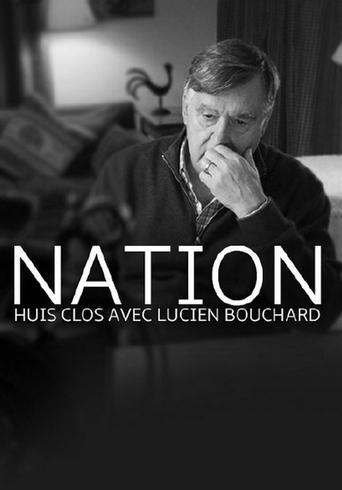
Carl Leblanc records the memories of politician Lucien Bouchard. As a unique witness to Quebec's contemporary history, Bouchard recounts the key events of his career, from his early years up to his time as Prime Minister.
A documentary which revisits the Quebec referendum of May 20, 1980, looking at both the Non/No and Oui/Yes sides.
This film covers the transitional political period between the election of the Parti Québécois on November 15, 1976, and the Canadian federal election that brought Joe Clark to power. Featuring some of our most colourful politicians, historians, journalists, artists and citizens, this film highlights in parallel the convictions of each on the national political question, on the eve of the first Quebec referendum. Montage of newsreels shot between the election of the Parti Québécois on November 15, 1976, and the federal election of 1979.
Director Michael Apted revisits the same group of British-born adults after a 7 year wait. The subjects are interviewed as to the changes that have occurred in their lives during the last seven years.
Viewers also picked
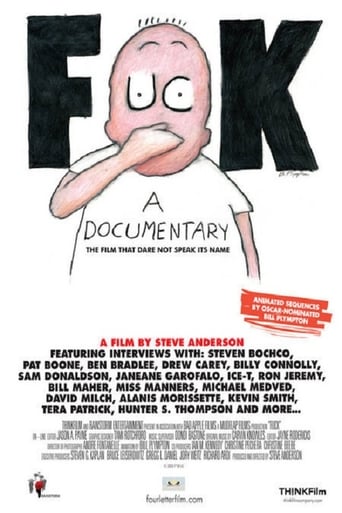
A documentary on the expletive's origin, why it offends some people so deeply, and what can be gained from its use.
Viewers also picked
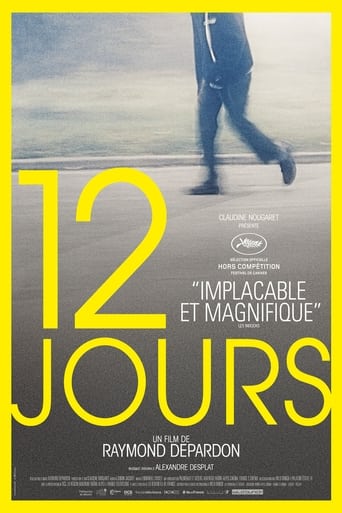
A new documentary by filmmaker-photographer Raymond Depardon – where justice and psychiatry meet.
Viewers also picked
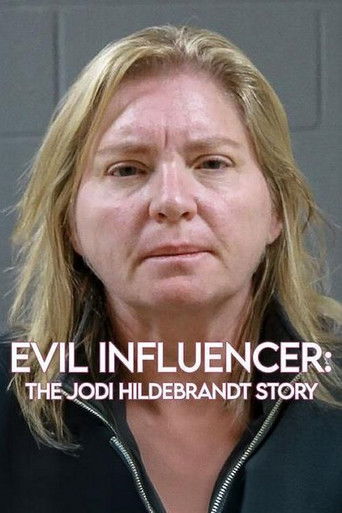
Unravel the case of Utah therapist Jodi Hildebrandt, whose child abuse arrest with parenting YouTuber Ruby Franke exposed a twisted tale of manipulation.
Viewers also picked
Director Michael Apted revisits the same group of British-born adults after a 7 year wait. The subjects are interviewed as to the changes that have occurred in their lives during the last seven years.
Viewers also picked
After another 7 year wait, director Michael Apted revisits the same group of British-born children from Seven Up! and 7 Plus Seven. The subjects are interviewed as to the changes that have occurred in their lives during the last seven years.
Viewers also picked
A string of threatening emails escalates into a revenge plot involving a newly married US marshal and his ex-girlfriend.
Viewers also picked
This film establishes a parallel between the 1970 electoral campaign in Québec and the 1936 campaign dominated by Maurice Duplessis. It shows the hope but also the uncertainty that existed in 1970. Had the Quiet Revolution really changed things in Québec? Was it possible that a new leader would emerge on the political scene? (NFB.ca)
Shares 5 cast members
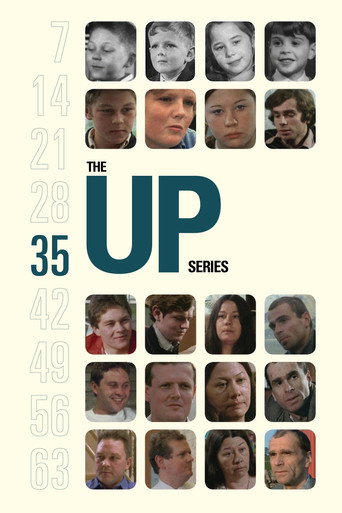
Just two years away from turning 30, participants in Michael Apted's documentary series are facing serious questions of identity and purpose, wondering whether they've found their place in the world.
Viewers also picked
Alexander McQueen's rags-to-riches story is a modern-day fairy tale, laced with the gothic. Mirroring the savage beauty, boldness and vivacity of his design, this documentary is an intimate revelation of McQueen's own world, both tortured and inspired, which celebrates a radical and mesmerizing genius of profound influence.
Viewers also picked