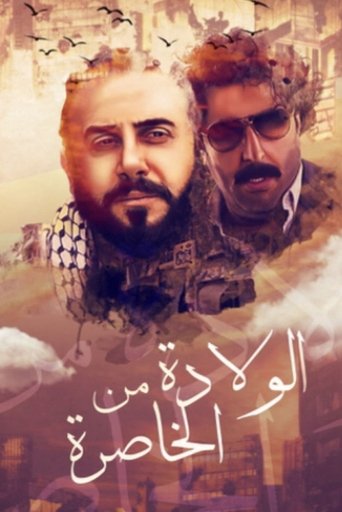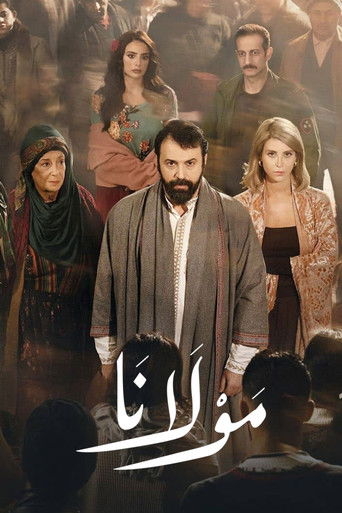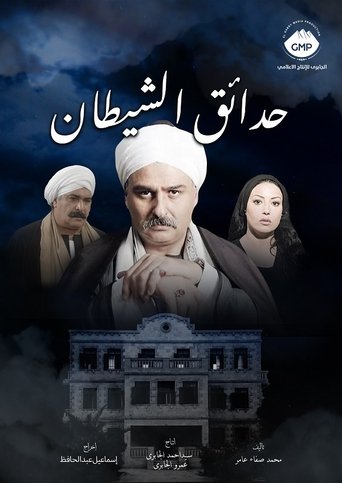

In a village by the Lebanon-Syria border, the head of an arms-smuggling clan contends with family conflicts, power struggles and complicated love.
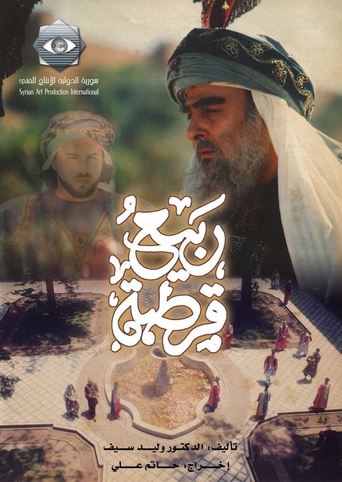
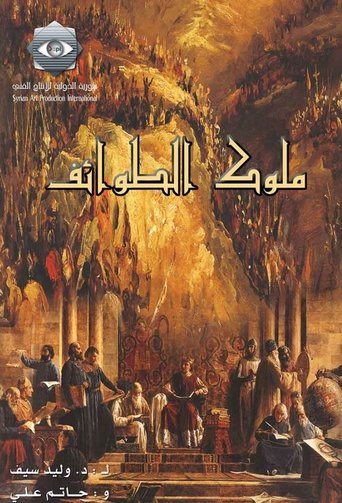
The series follows the rupture of Andalusia into many warring states, which allowed the northern Kingdom of Castile to expand its borders and take control.
In a village by the Lebanon-Syria border, the head of an arms-smuggling clan contends with family conflicts, power struggles and complicated love.
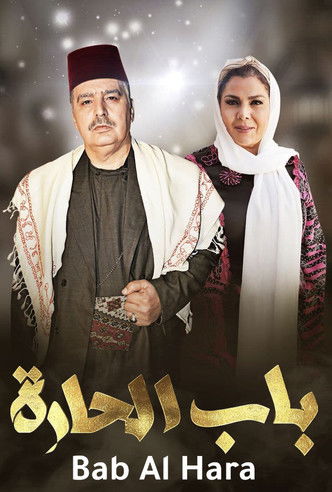
A modern classic of Arab television. A social drama set in the 1920s in Damascus- It highlights Damascene life, noble values, and ancient customs and traditions represented by the people of Harat al-Dabeh who fled to Harat al-Salihiyah after the French bombed Harat al-Dabeh. The events take place after the gold is stolen from the house of the cloth merchant Abu Ibrahim, and the guard Abu al-Samu is killed. The men of the neighborhood try to find the thief.
The story of a family consisting of a father who is about to retire, his wife who works as a seamstress, and their four children who are in various grades of school, shedding light on the challenges that each of them faces.
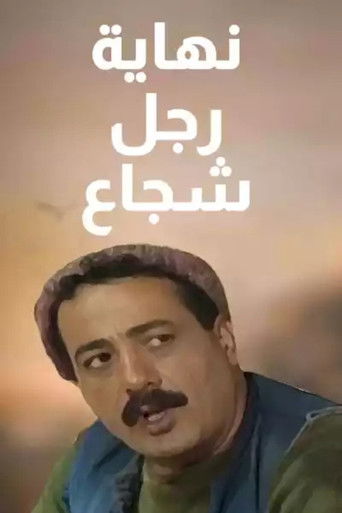
Selim al-Ansary is a morally-conscious police officer who is talented at his job. He is constantly criticized by those around him, even his mother, and is perceived as an evil person. When a murder inside the police station unjustly points to him as a suspect, he gets arrested, but he decides to escape to prove his innocence.
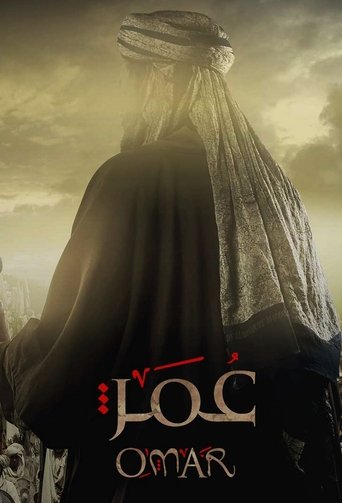
A historical saga about the second caliph and Commander of the Faithful Omar Bin Al-Khattab and his pivotal role in the Islamic State.
The most expensive Arabic series ever made, chronicling the life of Muawiya ibn Abi Sufyan — from his early opposition to Islam, to his conversion, governorship of Syria, and ultimate founding of the Umayyad Caliphate. Spanning civil war, conquest, and political intrigue across the early Islamic world, this sweeping epic covers one of history's most controversial and consequential rulers.
Damascus in the late 1990s. Kareem and Nabila are raising five very different daughters — each with her own personality, ambitions and complications — alongside a scene-stealing aunt Jamila. Every episode centres on a family issue that brings everyone together to argue, laugh and muddle through. Warm, witty and deeply rooted in Syrian daily life, it remains one of the most beloved family comedies in Syrian television history. Stars Jamal Suleiman and Khaled Taja.
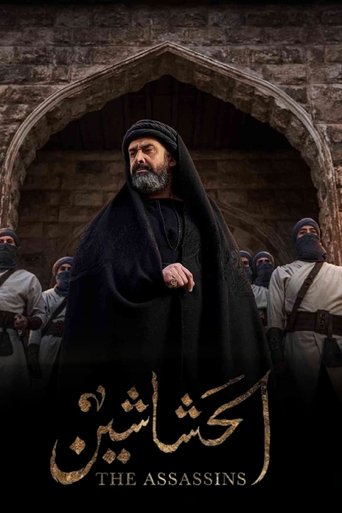
Inspired by true history, The Assassins chronicles the rise of Hassan al-Sabbah in 11th-century Persia — the enigmatic founder of the Order of Assassins, who forged a cult of absolute loyalty and terrorised rulers across the Islamic world. Starring Karim Abdel Aziz, the series weaves together politics, faith, betrayal and bloodshed in one of the most visually ambitious and widely debated productions in Arab television history.
The series revolves around the biography of the late poet Nizar Qabbani, and the series tells the story of the life of this poet, including that he was born in Syria and married twice and worked in the diplomatic corps.
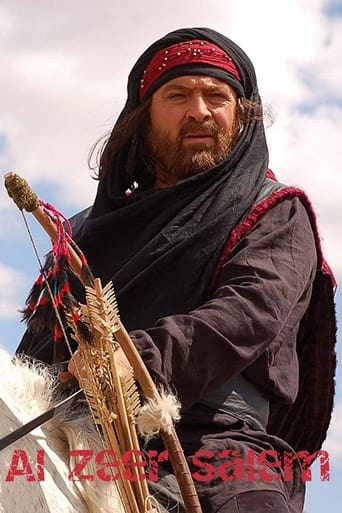
Chronicling the Basus War between two Arabian tribes and their allies, the drama follows the emergence of renowned Arab figure, Al Zeer Salem.
The series presents the social differences between the rich and the poor, and the problems that arise from them, highlighting the contradictions experienced by prominent personalities as well as the dangers that young people face in life, and it also displays the problems of employees in the state.
During the period of the French occupation of Syria, the events of the series revolve around As'ad AlWarraq, an orphan, illiterate, poor young man who is pushed by circumstances between various paradoxes, between false accusations and the injustice of his neighborhood people towards him.
The story of the five sons of Farid Noh, following each of their lives and the issues they face together.
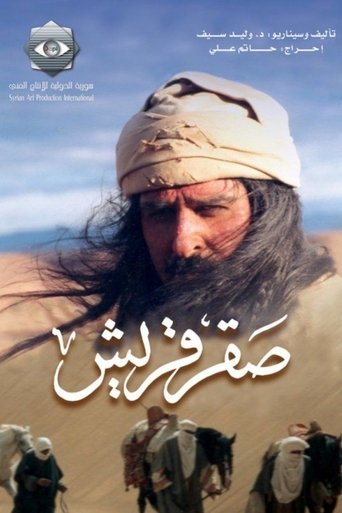
When the Abbasids overthrow the Umayyad Caliphate in Damascus, slaughtering nearly the entire dynasty, one young prince escapes — Abd al-Rahman. Hunted across deserts and seas, he eventually reaches the fringes of the Muslim world and, through sheer will and political genius, founds a new Umayyad emirate in Andalusia. Written by Walid Seif and directed by Hatem Ali, this is the first chapter of their celebrated Andalusian trilogy — epic, human and historically meticulous.
Events of the series take place in a poor neighborhood, shedding light on the lives of its people, especially the life of an illegitimate young man who makes every effort to be helpful to others.
On the run from his past and his community, Jaber becomes a fugitive and assumes the identity of a sacred heir—setting off a ruse in a forgotten village awaiting a saviour to revive its will to endure.
The couple Adam a pianist and Yassmine a cellist, decide to start a project which collapses suddenly, then comes Taimour with an offer to save it.
The series discusses the living conditions of middle-class families by presenting the daily lives of a group of educated characters looking for job opportunities and self-fulfillment in the capital, Damascus, and it deals with the relationships between spouses, siblings, friends, and lovers, as well as between parents and children.
AlDaghari is a Syrian social comedy series, based on the story of Turkish writer Aziz Nesin, produced by Syrian Arab Television in 1992, directed by Haitham Haqqi. It tells the story of a fraudulent person who exploits the gullibility of the villagers.
The series revolves around the Arab Revolt that broke out in Syria against the Ottoman occupation that had ruled the country for four centuries.
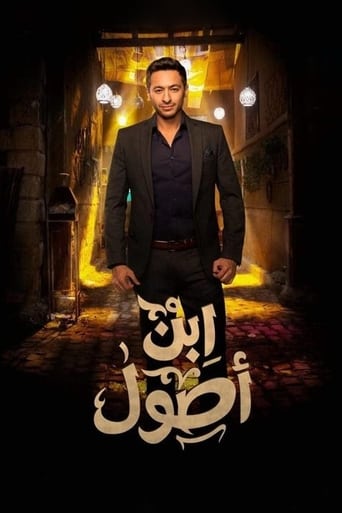
The series revolves around Hamam, a businessman from Upper Egypt, and his wife Kamalat, who brings in a maid to show her compassion. However, Hamam falls in love with this maid, and on the other hand, he tries to contact influential figures in order to control On the iron trade.
The events revolve around the daily conflicts of Masoud and his family which consists of his wife Lama and their four children, in addition to Majid, his brother-in-law, and his sister Maysa who are staying at his home against his will.
The series examines the change in the composition of the Syrian family, through the life of a number of Damascene families that are connected by a number of intertwining relationships, as love blossoms between the lawyer Riyad El Emary and the interior designer Riad El Merady.
Mayar comes back to Lebanon after his rich father's death, acting on his father's will he meets Yara, falls in love with her and his life change.
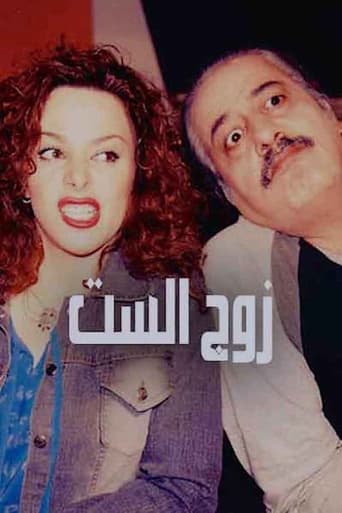
A journalist working in the same newspaper as her husband, and intellectual conflict arises between them because of the differences between the nature of men and women. The series shows the relationship between the spouses, revealing many attitudes of the “Eastern Man”.
Mufid the monster, the naughty teenager, did not find anyone who knew how to deal with him properly, so he did not discover anyone around him and develop the good qualities that Mufid was distinguished for. The society in which he lived, starting from the harsh father at home, to the ignorant and arrogant teacher at school, to the mukhtar who punished him for cutting off the tail of Abboud's donkey... All of these were the cause of Mufid's loss and his premature end. As a result of this treatment, Mufeed could not bear to stay even for a single minute in the farm, so he ran away and decided never to return to this farm that caused him pain and persecuted him.
Hady and Magda are a married couple who work together in a governmental institution. When Magda becomes her husband's general manager, a series of comic situations follow as their professional lives entangle with their marital relationship.
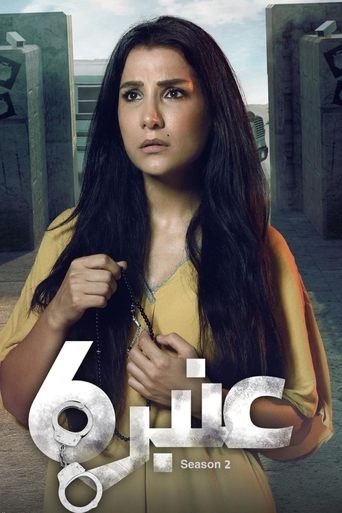
Inspired by true events, the world hidden behind a prison’s walls is revealed through the life stories of three unique women.
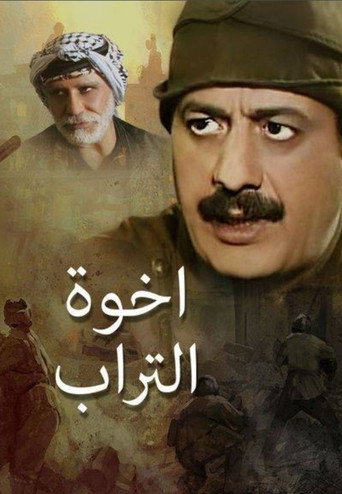
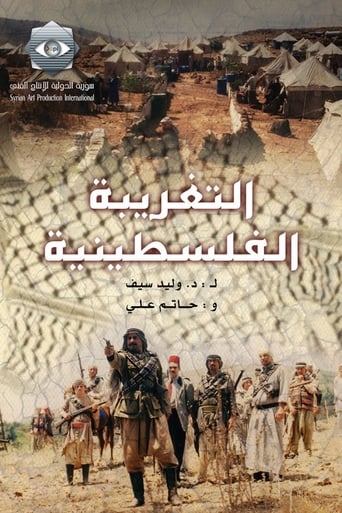
The first comprehensive dramatic telling of the Palestinian Nakba, seen through the eyes of a poor rural family from the 1930s British Mandate era through the massacres of 1948 and the defeat of 1967. Written by Palestinian poet Walid Seif — based on his own family history — and directed by the late Syrian master Hatem Ali, this is widely considered one of the greatest Arab television dramas ever produced. A monumental work of collective memory, historical witness and human endurance.
The series revolves around the character of Mandour Abu Al-Dahab who lives in Naja Hammadi and considers it his fortified castle, where he practices his activity in promoting drugs and planting cannabis.
The second chapter of the acclaimed Andalusian trilogy by Walid Seif and Hatem Ali. Set in the golden age of Umayyad Cordoba, it traces the extraordinary rise of Muhammad ibn Abi Amir — known as Al-Mansur — from a young scholar arriving in Cordoba seeking knowledge, to the most powerful man in Andalusia. A sweeping story of ambition, political genius and the glittering, fragile peak of Arab civilisation in Spain. Stars Taim Hassan and Jamal Suleiman.
Matar disappears under mysterious circumstances for 20 years, during which everyone has believed he had died a martyr. However, he returns in a new form and builds a financial empire amidst the mystery surrounding the source of his wealth. Using the spider's method, he tightens his grip on everyone and exploits them to achieve his goals of doubling his wealth and taking revenge on his past friends.
The series revolves around failed love stories as a result of a compelling circumstance or because of a social or financial problem or a problem related to religion so that the audience develops a state of sympathy with the series characters In each episode the series presents a separate station from the other detailing a glowing love relationship that was extinguished by various circumstances
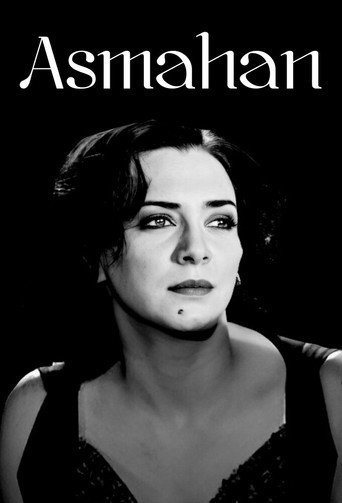
The work deals with the life story of the late singer Asmahan, from her birth until her move from Beirut to Cairo to work as a singer and actress, where her name shone alongside her brother Farid al-Atrash. The series also touches on her relationship with some of the artists who lived during her time and up to the mysterious accident of her death.
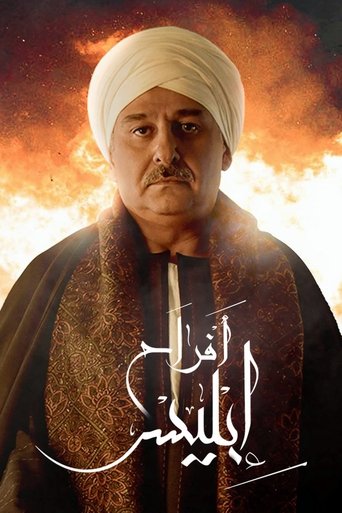
The events take place in Al-Attarin neighborhood after Etab flees for being accused of adultery by her brothers, while Fawzan is ready to do whatever it takes to extend his power.
When the Abbasids overthrow the Umayyad Caliphate in Damascus, slaughtering nearly the entire dynasty, one young prince escapes — Abd al-Rahman. Hunted across deserts and seas, he eventually reaches the fringes of the Muslim world and, through sheer will and political genius, founds a new Umayyad emirate in Andalusia. Written by Walid Seif and directed by Hatem Ali, this is the first chapter of their celebrated Andalusian trilogy — epic, human and historically meticulous.
Shares 3 cast members · Same director
The first 40 days of the war in Iraq as seen through the eyes of an elite group of U.S. Marines who spearheaded the invasion along with an embedded Rolling Stone reporter. A vivid account of the soldiers and of the forces that guided them in an often-improvised initiative.

Viewers also picked
A historical saga about the second caliph and Commander of the Faithful Omar Bin Al-Khattab and his pivotal role in the Islamic State.

Shares a lead actor · Same director
CIA officer Carrie Mathison is tops in her field despite being bipolar, which makes her volatile and unpredictable. With the help of her long-time mentor Saul Berenson, Carrie fearlessly risks everything, including her personal well-being and even sanity, at every turn.
Viewers also picked
The first comprehensive dramatic telling of the Palestinian Nakba, seen through the eyes of a poor rural family from the 1930s British Mandate era through the massacres of 1948 and the defeat of 1967. Written by Palestinian poet Walid Seif — based on his own family history — and directed by the late Syrian master Hatem Ali, this is widely considered one of the greatest Arab television dramas ever produced. A monumental work of collective memory, historical witness and human endurance.
Shares 2 cast members · Same director
Chronicling the Basus War between two Arabian tribes and their allies, the drama follows the emergence of renowned Arab figure, Al Zeer Salem.
Shares a lead actor · Same director
The series examines the change in the composition of the Syrian family, through the life of a number of Damascene families that are connected by a number of intertwining relationships, as love blossoms between the lawyer Riyad El Emary and the interior designer Riad El Merady.
Shares 2 cast members · Same director
Powerhouse lawyer Jessica Pearson adjusts to the dirty world of Chicago politics.
Viewers also picked
L.A. Law is an American television legal drama series that ran for eight seasons on NBC from September 15, 1986, to May 19, 1994. Created by Steven Bochco and Terry Louise Fisher, it contained many of Bochco's trademark features including a large number of parallel storylines, social drama and off-the-wall humor. It reflected the social and cultural ideologies of the 1980s and early 1990s, and many of the cases featured on the show dealt with hot-topic issues such as abortion, racism, gay rights, homophobia, sexual harassment, AIDS, and domestic violence. The series often also reflected social tensions between the wealthy senior lawyer protagonists and their less well-paid junior staff. The show was popular with audiences and critics, and won 15 Emmy Awards throughout its run, four of which were for Outstanding Drama Series.
Viewers also picked
The second chapter of the acclaimed Andalusian trilogy by Walid Seif and Hatem Ali. Set in the golden age of Umayyad Cordoba, it traces the extraordinary rise of Muhammad ibn Abi Amir — known as Al-Mansur — from a young scholar arriving in Cordoba seeking knowledge, to the most powerful man in Andalusia. A sweeping story of ambition, political genius and the glittering, fragile peak of Arab civilisation in Spain. Stars Taim Hassan and Jamal Suleiman.
Shares 2 cast members · Same director