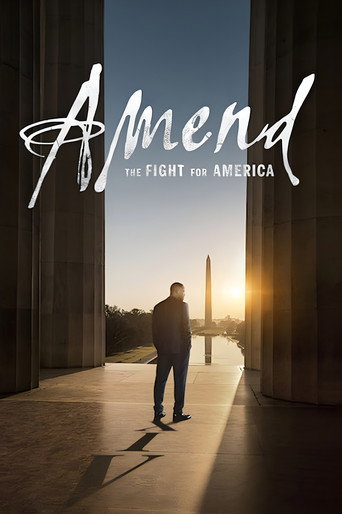
Will Smith hosts this look at the evolving, often lethal, fight for equal rights in America through the lens of the US Constitution's 14th Amendment.
Amend: The Fight for America
Also tagged race politics, black history
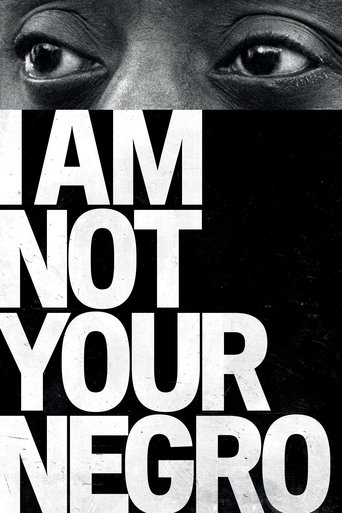
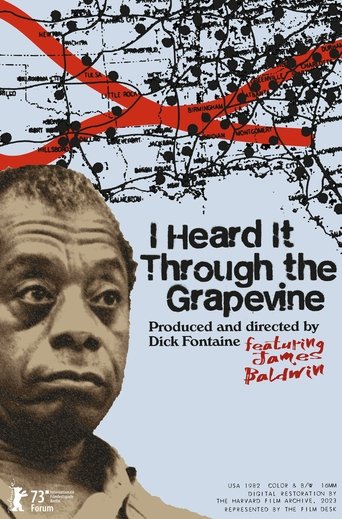
Renowned Black writer James Baldwin retraces his time in the South during the Civil Rights Movement, reflecting with his trademark brilliance and insight on the passage of more than two decades. From Selma and Birmingham and Atlanta; to the battleground beaches of St. Augustine, Florida, with Chinua Achebe; and back north for a visit to Newark with Amiri Baraka, Baldwin lays bare the fiction of progress in post–Civil Rights America, wondering “what happened to the children” and those 'who did not die, but whose lives were smashed on Freedom Road'.
Will Smith hosts this look at the evolving, often lethal, fight for equal rights in America through the lens of the US Constitution's 14th Amendment.
Also tagged race politics, black history
Composed of intimate and unencumbered moments of people in a community, this film is constructed in a form that allows the viewer an emotive impression of the Historic South - trumpeting the beauty of life and consequences of the social construction of race, while simultaneously a testament to dreaming.
Also tagged african american community
As anger and resentment grow in the face of social inequalities, many citizens-led protests are being repressed with an ever-increasing violence. In this documentary, David Dufresne gathers a panel of citizens to question, exchange and confront their views on the social order and the legitimacy of the use of force by the State.
Also tagged protest march
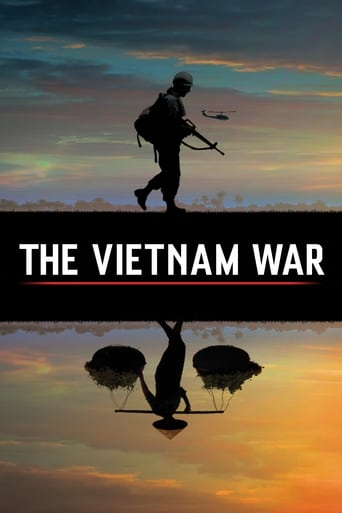
An immersive 360-degree narrative telling the epic story of the Vietnam War as it has never before been told on film. Featuring testimony from nearly 80 witnesses, including many Americans who fought in the war and others who opposed it, as well as Vietnamese combatants and civilians from both the winning and losing sides.
Also tagged civil rights
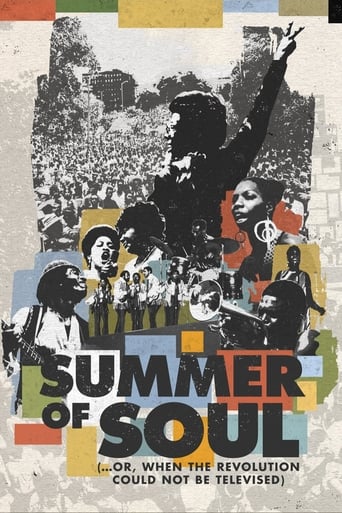
During the same summer as Woodstock, over 300,000 people attended the Harlem Cultural Festival, celebrating African American music and culture, and promoting Black pride and unity. The footage from the festival sat in a basement, unseen for over 50 years, keeping this incredible event in America's history lost — until now.
Also tagged civil rights
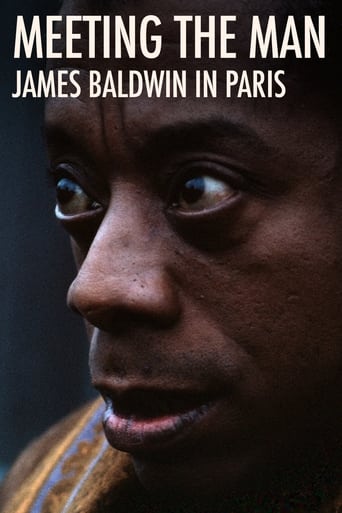
In 1970, a British film crew set out to make a straightforward literary portrait of James Baldwin set in Paris, insisting on setting aside his political activism. Baldwin bristled at their questions, and the result is a fascinating, confrontational, often uncomfortable butting of heads between the filmmakers and their subject, in which the author visits the Bastille and other Parisian landmarks and reflects on revolution, colonialism, and what it means to be a Black expatriate in Europe.
Also tagged james baldwin
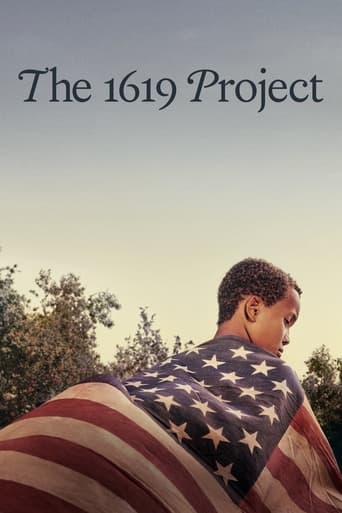
In keeping with the original project, this series seeks to reframe the country's history by placing the consequences of slavery and the contributions of black Americans at the very center of our national narrative.
Also tagged black history
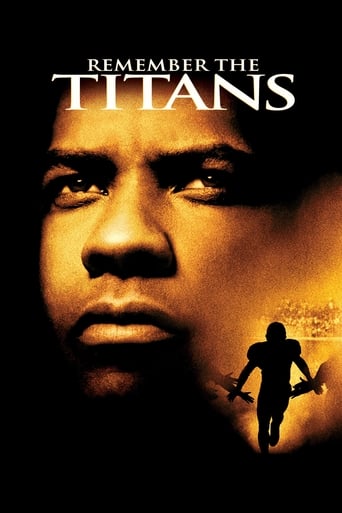
After leading his football team to 15 winning seasons, coach Bill Yoast is demoted and replaced by Herman Boone – tough, opinionated and as different from the beloved Yoast as he could be. The two men learn to overcome their differences and turn a group of hostile young men into champions.
Also tagged race politics, civil rights
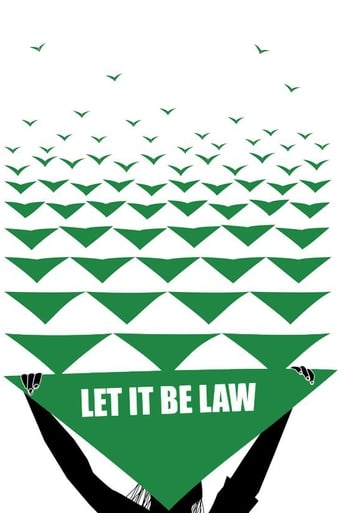
In Argentina, a woman dies every week as the result of illegal abortions. In 2018, for the seventh time, a motion supporting legal, secure and free abortion was presented to the national congress of Argentina. The project provoked a fierce debate, revealing a society divided more than ever between the pro-life and freedom to choose positions. Through an assemblage of passionate testimonies, Let It Be Law documents the determination of women fighting bravely to secure the right to physical self-determination, and bears witness to their massive mobilization in the streets of Buenos Aires.
Also tagged protest march
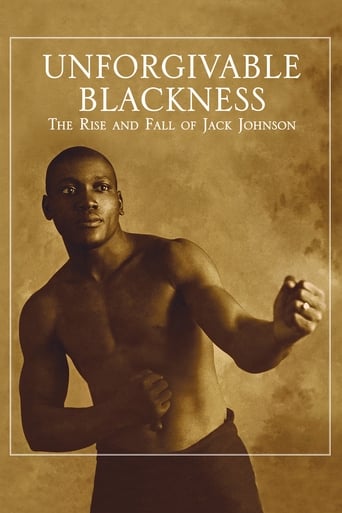
The story of Jack Johnson, the first African American Heavyweight boxing champion.
Also tagged black history
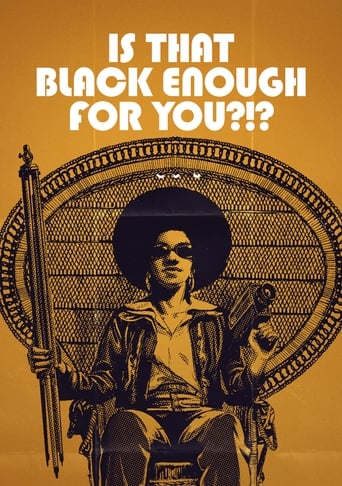
A look at the Black revolution in 1970s cinema, from genre films to social realism, from the making of new superstars to the craft of rising auteurs.
Also tagged black history
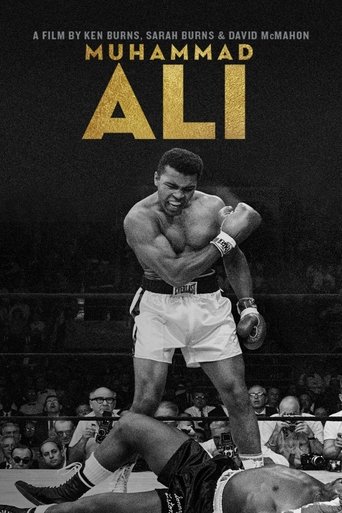
Muhammad Ali brings to life the iconic heavyweight boxing champion who became an inspiration to people everywhere.
Also tagged race politics
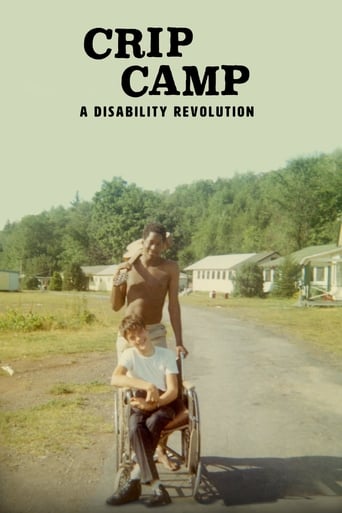
Down the road from Woodstock in the early 1970s, a revolution blossomed in a ramshackle summer camp for disabled teenagers, transforming their young lives and igniting a landmark movement.
Also tagged civil rights
Exploring the fallout of MIT Media Lab researcher Joy Buolamwini's startling discovery that facial recognition does not see dark-skinned faces accurately, and her journey to push for the first-ever legislation in the U.S. to govern against bias in the algorithms that impact us all.
Also tagged civil rights
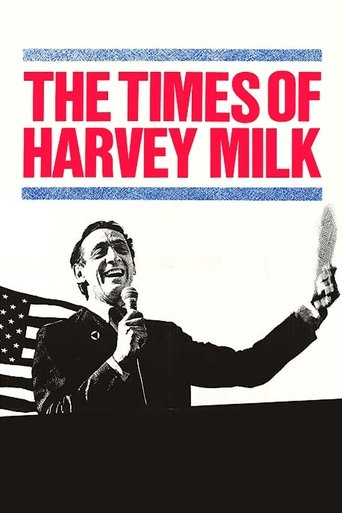
Harvey Milk was an outspoken human rights activist and one of the first openly gay U.S. politicians elected to public office; even after his assassination in 1978, he continues to inspire disenfranchised people around the world.
Also tagged civil rights
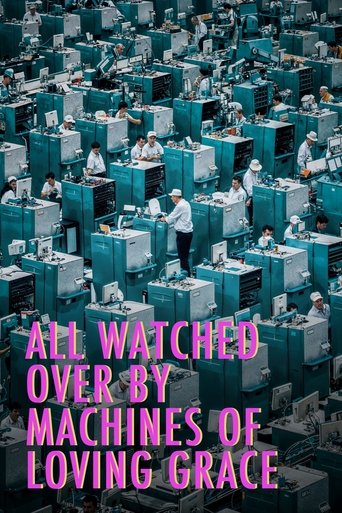
We have been colonised by the machines we have built. Although we don't realise it, the way we see everything in the world today is through the eyes of the computers.
Also tagged race politics
Rachel Dolezal became infamous when she was unmasked as a white woman passing for black so thoroughly that she had become the head of her local N.A.A.C.P. chapter. This portrait cuts through the very public controversy to reveal Dolezal’s motivations.
Also tagged race politics
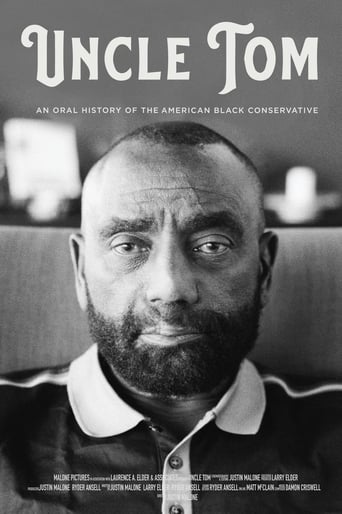
In a collection of intimate interviews with some of America's most provocative black conservative thinkers, Uncle Tom takes a different look at being black in America.
Also tagged race politics
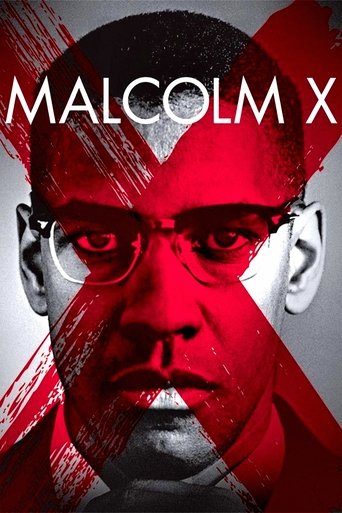
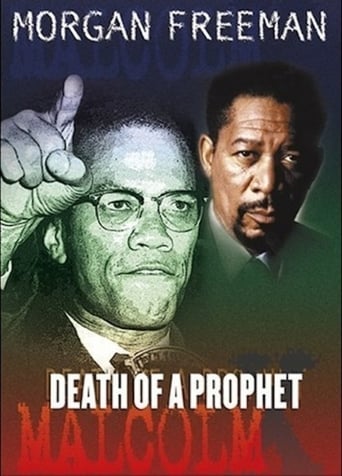
A tribute to the controversial black activist and leader of the struggle for black liberation. He hit bottom during his imprisonment in the '50s, he became a Black Muslim and then a leader in the Nation of Islam. His assassination in 1965 left a legacy of self-determination and racial pride.
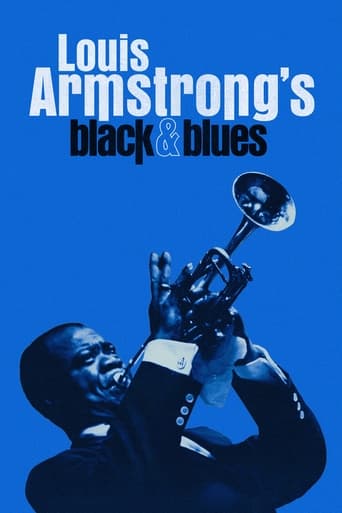
Never-before-heard personal recordings and archival footage tell the story of Louis Armstrong's life from his perspective. From musical phenom to civil rights activist to world-renowned artist, this illuminating film shows sides of Armstrong few have seen.
Working from the text of James Baldwin’s unfinished final novel, director Raoul Peck creates a meditation on what it means to be Black in the United States.
Ben Caldwell’s Medea, a collage piece made on an animation stand and edited entirely in the camera, combines live action and rapidly edited still images of Africans and African Americans which function like flashes of history that the unborn child will inherit. Caldwell invokes Amiri Baraka’s poem “Part of the Doctrine” in this experimental meditation on art history, Black imagery, identity and heritage.
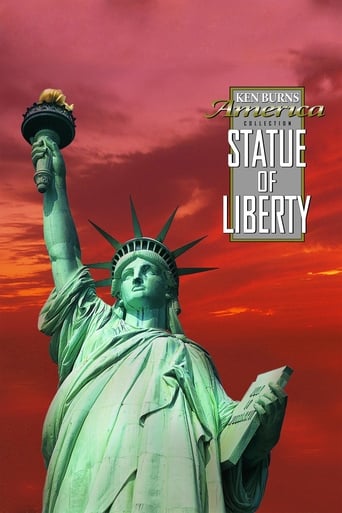
For more than 100 years, the Statue of Liberty has been a symbol of hope and refuge for generations of immigrants. In this lyrical, compelling and provocative portrait of the statue, Ken Burns explores both the history of America’s premier symbol and the meaning of liberty itself. Featuring rare archival photographs, paintings and drawings, readings from actual diaries, letters and newspapers of the day, the fascinating story of this universally admired monument is told. In interviews with Americans from all walks of life, including former New York governor Mario Cuomo, the late congresswoman Barbara Jordan and the late writers James Baldwin and Jerzy Kosinski, The Statue of Liberty examines the nature of liberty and the significance of the statue to American life. Nominated for both the Academy Award ® and the Emmy Award ®, The Statue of Liberty received the prestigious CINE Golden Eagle, the Christopher Award and the Blue Ribbon at the American Film Festival.
Hard-hitting journalism. Era-defining fiction. Witty cartoons. The New Yorker marks its 100th anniversary with this look at its past, present and future. The New Yorker's centennial reveals behind-the-scenes access to editors, writers, and archives of this culturally vital magazine, one of print's last survivors.
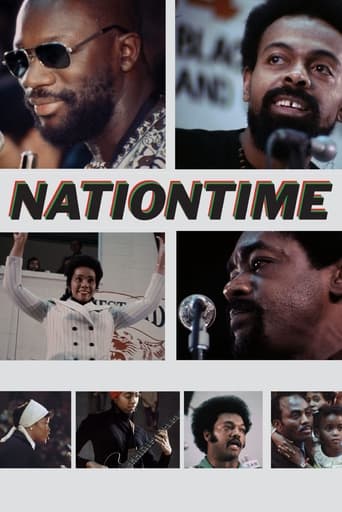
A report on the National Black Political Convention held in Gary, Indiana, in 1972, a historic event that gathered Black voices from across the political spectrum, among them Jesse Jackson, Dick Gregory, Coretta Scott King, Richard Hatcher, Amiri Baraka, Charles Diggs, and H. Carl McCall.
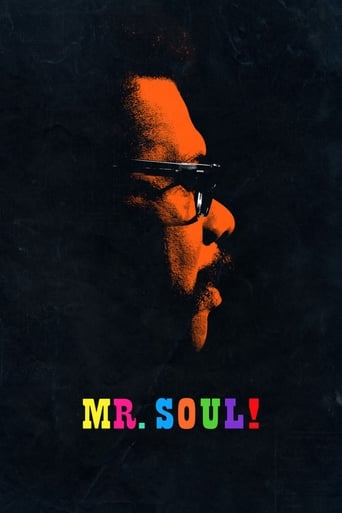
On the heels of the Civil Rights Movement, one fearless black pioneer reconceived a Harlem Renaissance for a new era, ushering giants and rising stars of black American culture onto the national television stage. He was hip. He was smart. He was innovative, political, and gay. In his personal fight for social equality, this man ensured the Revolution would be televised. The man was Ellis Haizlip. The Revolution was soul!
This documentary explores the growth and development of black theatre from its earliest roots, also examining its close ties with the civil rights movement. Included are interviews with veterans of the theatrical world such as James Earl Jones and Ed Bullins.
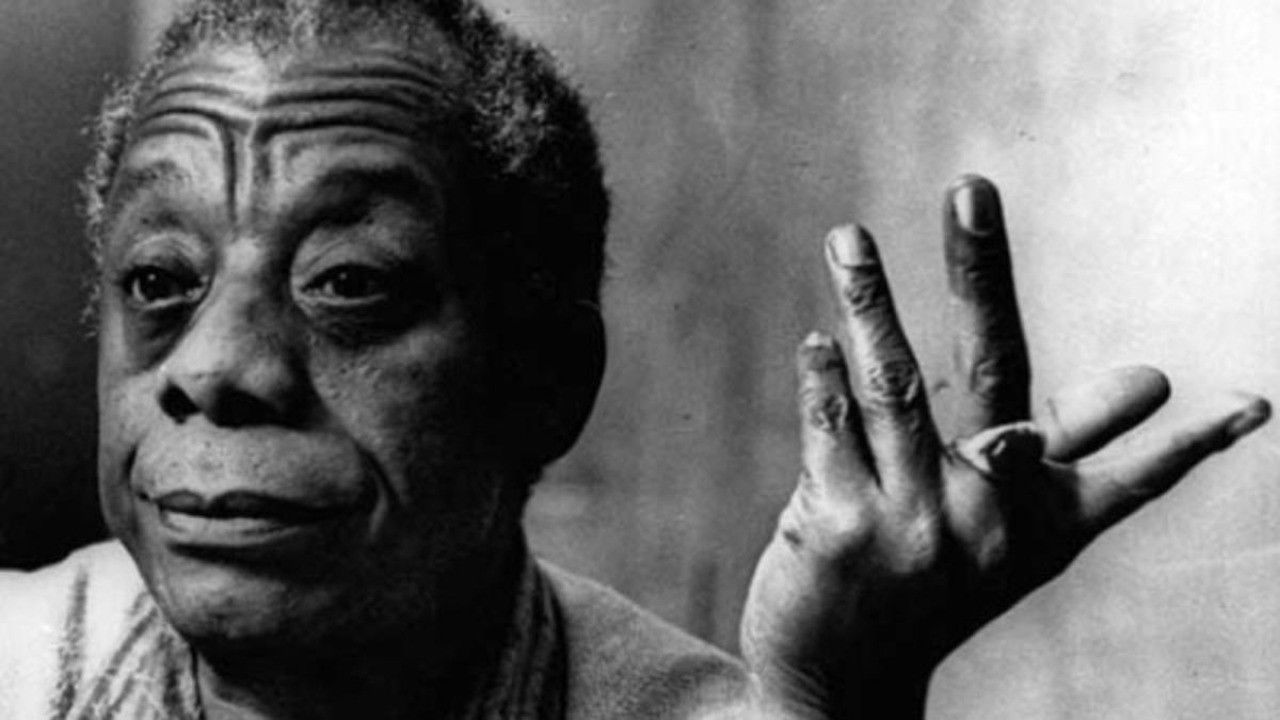
James Baldwin was at once a major 20th century American author, a Civil Rights activist and, for two crucial decades, a prophetic voice calling Americans, black and white, to confront their shared racial tragedy.
Working from the text of James Baldwin’s unfinished final novel, director Raoul Peck creates a meditation on what it means to be Black in the United States.
Shares 2 cast members · Shared themes
An in-depth look at the prison system in the United States and how it reveals the nation's history of racial inequality.
Shared themes · Viewers also picked
A tribute to the controversial black activist and leader of the struggle for black liberation. He hit bottom during his imprisonment in the '50s, he became a Black Muslim and then a leader in the Nation of Islam. His assassination in 1965 left a legacy of self-determination and racial pride.
Shares a lead actor · Shared themes
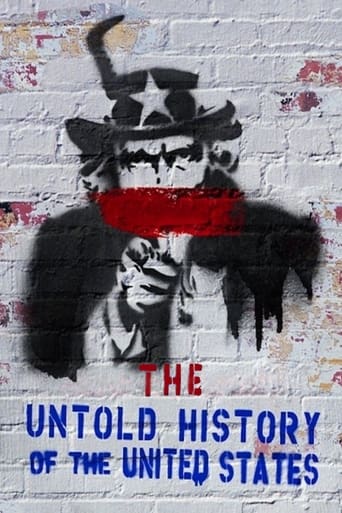
Oliver Stone charts the history of the United States from the Second World War to the present.
Viewers also picked
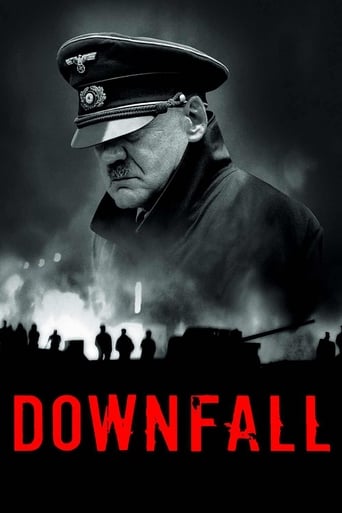
In April of 1945, Germany stands at the brink of defeat with the Russian Army closing in from the east and the Allied Expeditionary Force attacking from the west. In Berlin, capital of the Third Reich, Adolf Hitler proclaims that Germany will still achieve victory and orders his generals and advisers to fight to the last man. When the end finally does come, and Hitler lies dead by his own hand, what is left of his military must find a way to end the killing that is the Battle of Berlin, and lay down their arms in surrender.
Shared themes · TMDB similar
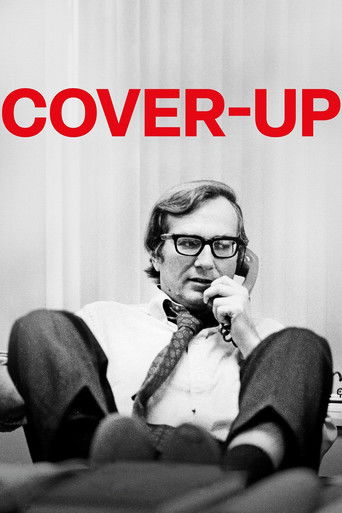
He's devoted his career to uncovering stories the powerful want buried. From My Lai to Abu Ghraib, dig into the life's work of journalist Seymour Hersh.
Viewers also picked
Marlon Riggs, with assistance from other gay Black men, especially poet Essex Hemphill, celebrates Black men loving Black men as a revolutionary act. The film intercuts footage of Hemphill reciting his poetry, Riggs telling the story of his growing up, scenes of men in social intercourse and dance, and various comic riffs, including a visit to the "Institute of Snap!thology," where men take lessons in how to snap their fingers: the sling snap, the point snap, the diva snap.
Viewers also picked
A chronicle of the rise and fall of O.J. Simpson, whose high-profile murder trial exposed the extent of American racial tensions, revealing a fractured and divided nation.
Viewers also picked
"Selma," as in Alabama, the place where segregation in the South was at its worst, leading to a march that ended in violence, forcing a famous statement by President Lyndon B. Johnson that ultimately led to the signing of the Voting Rights Act.
Shared themes · TMDB similar
The history of cinematic sound, told by legendary sound designers and visionary filmmakers.
Viewers also picked