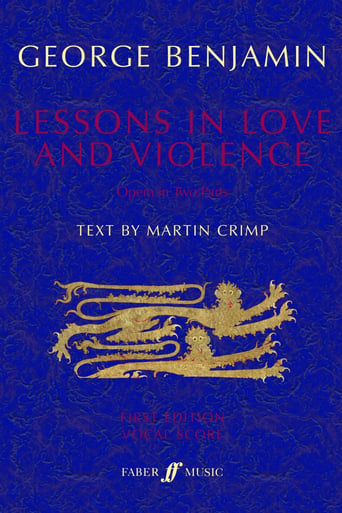
Opera based on the story of Edward II and Piers Gaveston. Music by George Benjamin, libretto by Martin Crimp. BBC broadcast of the 2018 premiere at the Royal Opera House, the composer conducting, prefaced by commentary and interviews.
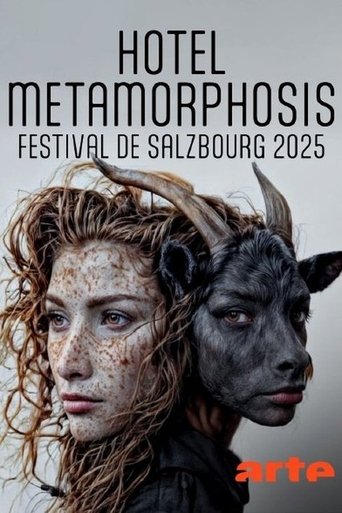
When Ovid's “Metamorphoses” meet Vivaldi's music: conceived and directed by Barrie Kosky, an effervescent show presented at the 2025 Salzburg Festival. With Cecilia Bartoli, Lea Desandre, Nadezhda Karyazina, and Philippe Jaroussky, as well as actress Angela Winkler in the spoken role of Orpheus.
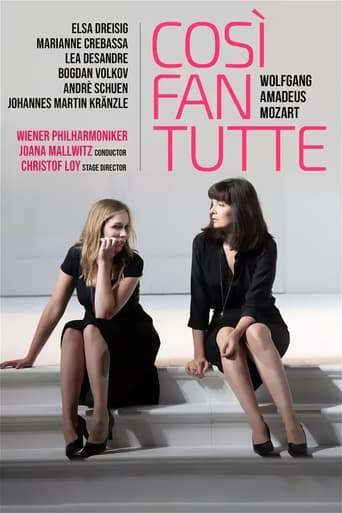
As Christof Loy put it: Così fan tutte invites us to embrace the complexity of life and face the future with heads held high. In his staging of the version he abridged with Joana Mallwitz for the Salzburg Festival 2020 the focus is wholly on the figures and the subtle choreography of their emotional states — in a space that like a magnifying glass exposes the intricate mechanisms between the characters. In this way the production leads the protagonists and the audience to experience the ‘serene calm’ that can perhaps indeed cure our own ‘distempers’.
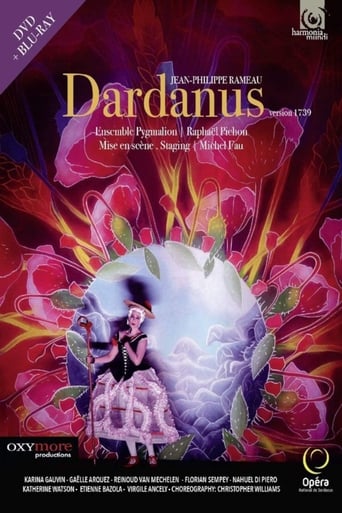
At the Grand Théâtre de Bordeaux, Raphaël Pichon conducts a new production of Rameau's opera Dardanus, with the ensemble Pygmalion, in a staging by Michel Fau and a choreography by Christopher Williams.
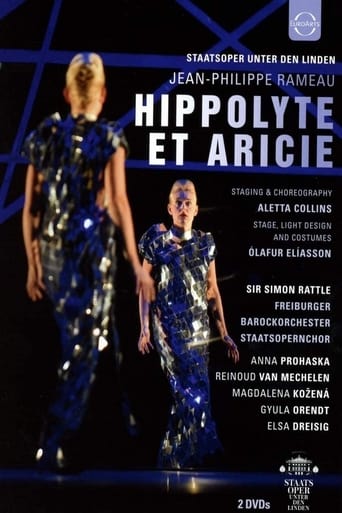
Staatsoper Berlin’s new production of Rameau’s tragédie lyrique, directed by Alletta Collins; featuring costumes, sets and lighting designed by Ólafur Eliasson; and musical direction by Simon Rattle, who makes his debut with the Freiburg Baroque Orchestra.
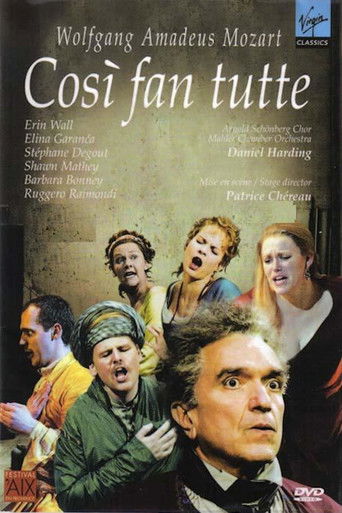
Live performance from the Festival d'Aix-en-Provence, 23 July 2005.
Containing some of the most beautiful arias and attractive ensembles in all opera, Così fan tutte is packed with both pathos and humour. Mozart and Da Ponte's witty, compassionate examination of young love has ensured its lasting popularity. Jonathan Miller’s original 1995 production for Covent Garden is dear to the hearts of London audiences and has been revived numerous times. Necessity, they say, is the mother of all invention. With no money left for costumes, Miller has the genius idea of asking Giorgio Armani to lend a hand... This production is from Sept 2010.
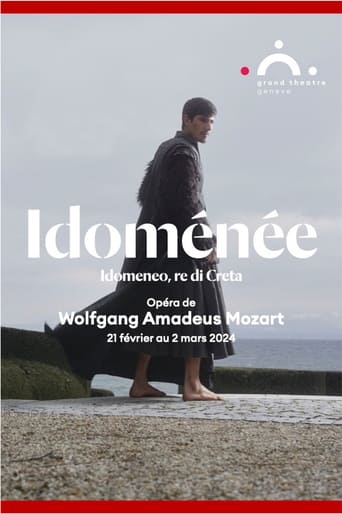
After the fall of Troy, King Idomeneo can finally think about returning to his homeland of Crete. During his long absence, his son Idamantes took care of the affairs of government and the Troyan prisoners of war, including Ilia, the daughter of King Priam. In order to get out alive from the storm that prevents him from landing in Crete, he promises to sacrifice the first living creature he encounters on his home soil to the sea god Poseidon. Unfortunately, this is his son who rushes to greet him. By sacrificing her life for Idamante's, whom she loves and who reciprocates her love, Ilia manages to appease Poseidon and release Idomeneo from his fateful oath. Production of the Grand Theatre de Geneve, 2024.
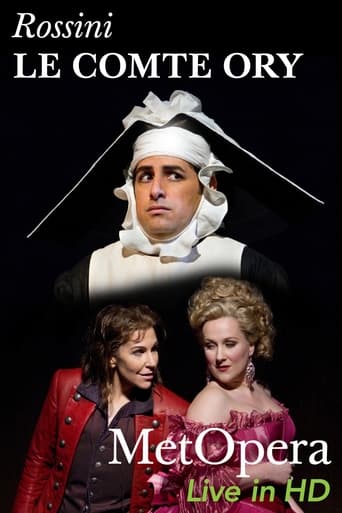
Rossini's "Le Comte Ory" tells the story of a libidinous and cunning nobleman who disguises himself first as a hermit and then as a nun in order to gain access to the virtuous Countess Adele, whose brother is away at the Crusades. The 2011 Met production was directed by Tony Award winner Bartlett Sher, who presented the action as an opera within an opera, updating the action by a few centuries and giving the costume designer, Catherine Zuber, the opportunity to create some particularly extravagant headgear. Juan Diego Florez starred as the title role while Diana Damrau plays Countess Adele, and Joyce DiDonato was in breeches as his pageboy Isolier. Conducted with verve and finesse by Maurizio Benini, the production also features the stylish French baritone Stephane Degout as Ory's bibulous conspirator Raimbaud, charismatic Italian bass Michele Pertusi as the Count's long-suffering Tutor, and, formidable as Adele's housekeeper Ragonde, the Swedish dramatic mezzo Susanne Resmark.
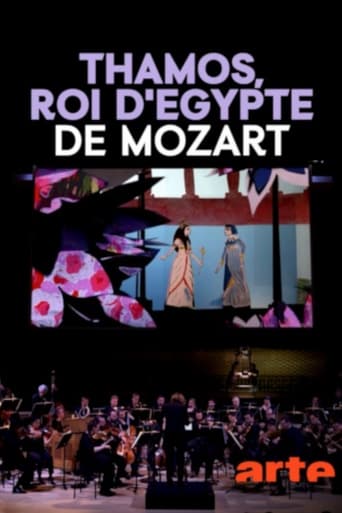
Founded in 2012 by Laurence Equilbey, the Insula Orchestra performs on period instruments and experiments with new concert formats. In summer 2018, the French conductor and her ensemble will present a little-known work by Mozart at the Parisian cultural center La Seine Musicale: the incidental music to "Thamos, King in Egypt". In 1773, the author Tobias Philipp Freiherr von Gebler asked his fellow Freemason Wolfgang Amadeus Mozart to compose incidental music for his heroic drama "Thamos, King of Egypt". The boy wonder composed two choruses and five interludes for the play, which took up the Egyptian theme popular in the 18th century.
Under the baton of Pascal Rophé, the Radio France Philharmonic Orchestra performs Luciano Berio's Sinfonia and Mahler's Fünf frühe Lieder, after introducing us to Bára Gísladóttir's sea sons seasons.
The Pygmalion Ensemble, led by conductor and countertenor Raphaël Pichon, is renowned for its refined sound on period instruments. Together with vocal stars Sabine Devieilhe, Lea Desandre, Johannes Martin Kränzle, Julian Prégardien, and Daniel Behle, the ensemble delves into rarely performed works by Wolfgang Amadeus Mozart.
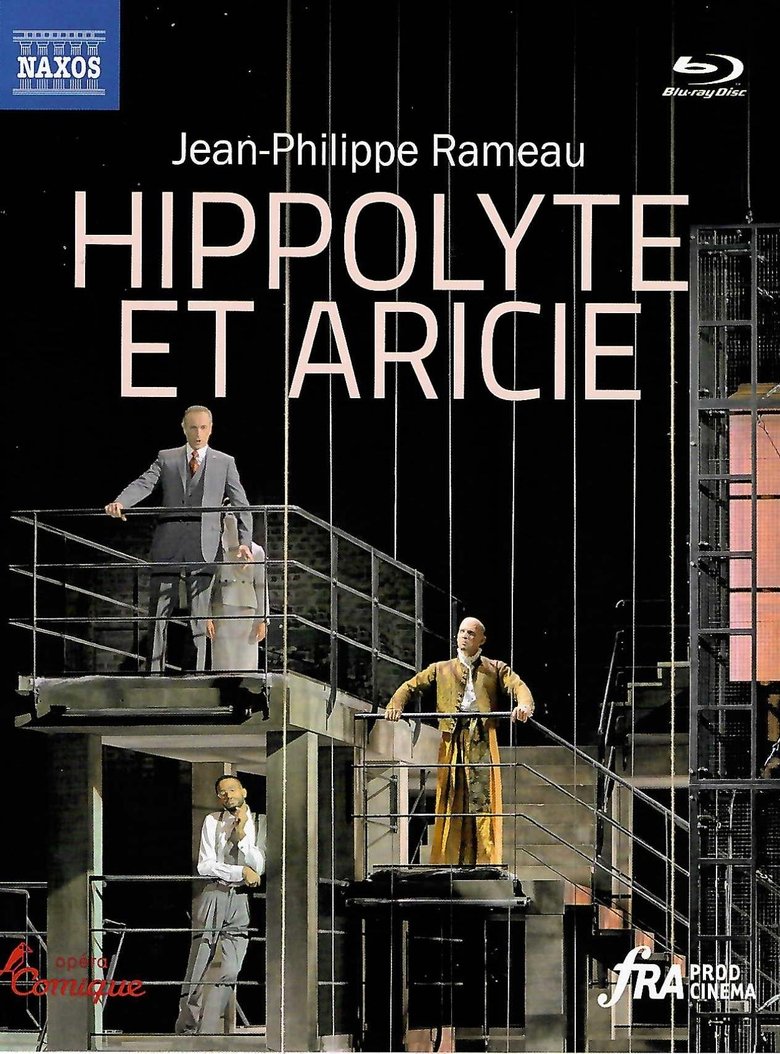
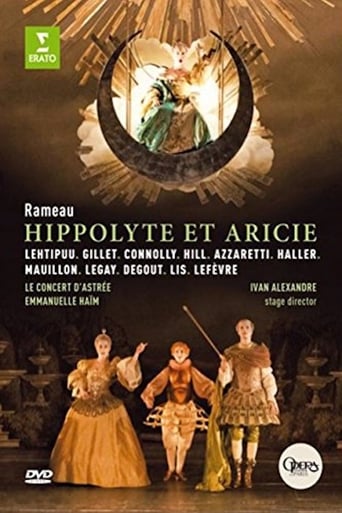
In October 1733, the audience at the Académie Royale de Musique witnessed the birth of a revolutionary work: Hippolyte et Aricie. With its inventiveness and musical richness, Rameau’s opera marks a break in the history of French music. A similarly revolutionary duo – Jeanne Candel and Raphaël Pichon – get to grips with this work for the Opéra Comique.
Jean-Joseph Cassanéa de Mondonville was greatly admired in his day. His opera Titon et l’Aurore was one of his most popular works, being held up as a triumph over the rival Italian style during the Parisian Querelle des Bouffons in the 1750s. The narrative of this spectacular opéra-ballet follows the tumultuous and seemingly unbreakable liaison between the goddess L’Aurore and her lover the shepherd Titon. Jealous gods and goddesses try to interfere through murderous intent and dramatic abduction, but true love ultimately conquers all in stage director Basil Twist’s acclaimed feast for the senses.
Emmanuelle Haïm has established herself as one of the world’s leading performers, conductors and interpreters of Baroque repertoire, not only with Le Concert d’Astrée, the ensemble she founded in 2000, but with several of the world’s greatest orchestras. Known for her fresh and expressive approach to Baroque music, she has garnered critical acclaim and several international awards with her own ensemble, including Victoires de la Musique Classique, ECHOs, Gramophone Awards, and Grammy nominations.
In this new "Marriage of Figaro", Jérémie Rhorer revisits this composer and US film director James Gray makes his first foray into opera. This opera is recorded for broadcast by Louise Narboni.
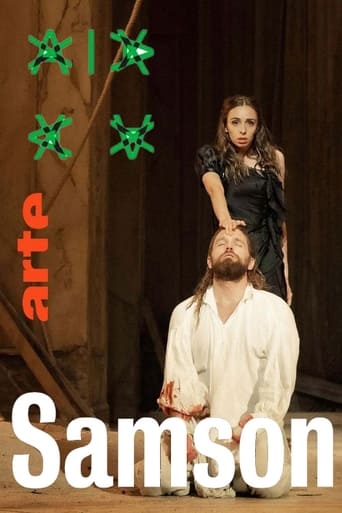
When, in 1733, Voltaire, the most brilliant mind of his day, collaborates with Rameau, its greatest composer, in undertaking an ambitious reform of operatic practice, the result is the biblical opera Samson. But the libretto is condemned and the score lost – possibly reworked here and there in later compositions. Claus Guth and Raphaël Pichon, haunted by this interesting project that had turned into one of the most intriguing failures in operatic history, have tried, not to recreate the letter, but to revive the spirit: to marry a strong, noble libretto with the most eloquent music.
On June 8, 2024, Oscar-winning French actress Marion Cotillard joined the Berlin Philharmonic Orchestra for a performance of Arthur Honegger’s oratorio Jeanne d'Arc au Bûcher (Joan of Arc at the Stake), conducted by Alan Gilbert, performed at the Berliner Philharmonie in Berlin, Germany and broadcast live on Digital Concert Hall, the online concert hall of the Berliner Philharmonie. In the oratorio, Joan of Arc looks back on her life, her visions, and her successes during a show trial in which she is sentenced to be burned at the stake.
Donizetti's French masterpiece was in the hands of Italian conductor Antonello Allemandi. This maestro, a bel canto specialist, captured the fire and intensity of the passions from the get-go, making the overture a superbly eloquent transition to a musical world based on beautiful lines and colors that elaborate distress and make it compellingly elegant. Allemandi demonstrated a full authority over the stage for the musically complex scenes, and in the arias and duets he demonstrated his confidence in the artistry of distraught singers by establishing ample tempos to support their soaring vocal lines while he concentrated on pulling every possible nuance from the pit players.
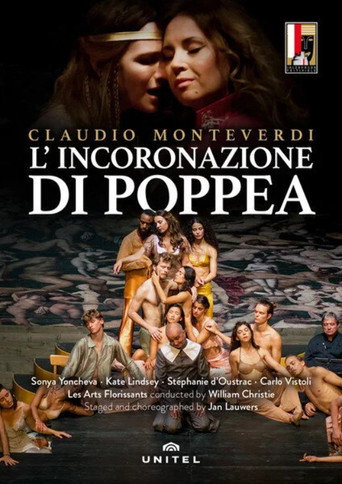
How to take the place of the empress of Rome? Poppaea, a courtesan and mistress of Emperor Nero, removes every obstacle that stands between her and the throne: she leaves her lover, Otho, the philosopher Seneca commits suicide, Empress Octavia is banished, and finally she achieves her goal, marrying Nero. Through Monteverdi's music, this triumph of immorality is elevated into a hymn to the power of desire. Monteverdi's last opera is also the first masterpiece of the genre, extraordinarily and enduringly modern. Here, it is filmed at the Opera Royal de Versailles, with a young and committed cast, guided through a mafia-baroque world by director Ted Huffman and the sensational Leonardo Garcia Alarcon!
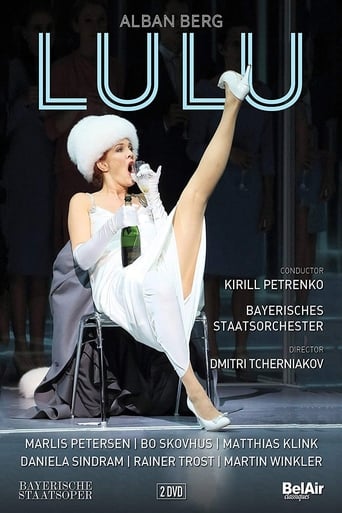
At the Bayerische Staatsoper in Munich, Kirill Petrenko conducts this new production of Alban Berg's Lulu, directed for stage by Dmitri Tcherniakov and starring the soprano Marlis Petersen (Lulu).
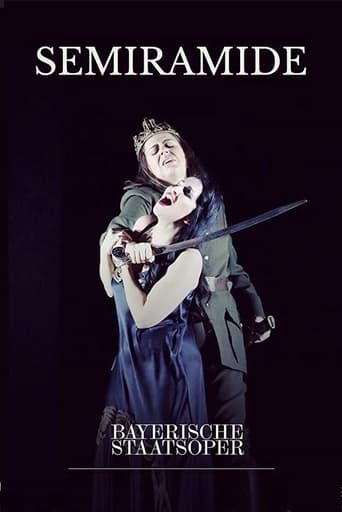
Queen Semiramide is haunted by the ghosts of her past. Together with her lover Assur, she once murdered her husband King Nino; a deed which ever since has weighed heavily upon her. With her marriage to Arsace, she hopes her soul will at last find solace. Her love, however, is misplaced. Arsace not only loves another, he is also, as is later revealed, the son Semiramide and Nino believed to be dead. He is faced with a decision: should he avenge the death of his father – and thus become his mother's killer?
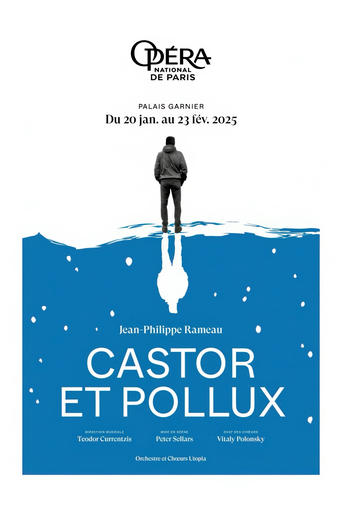
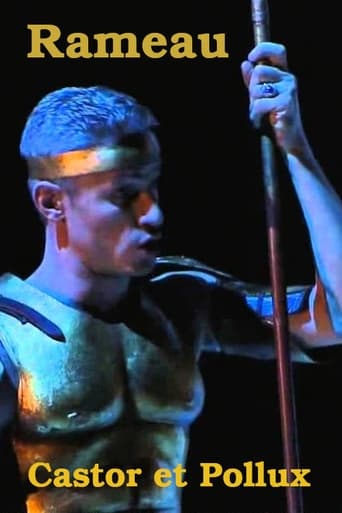
A return to its roots for Castor et Pollux, Jean-Philippe Rameau’s lyric tragedy first performed in 1737 at the Académie royale and inspired by the mythological episode of the Gemini. Rarely performed in its original version – the score was reworked by Rameau himself in 1754 –, this daring work plays on contrasts and expressiveness, as in the famous “Tristes apprêts”. The aria is sung by Télaïre mourning the death of her fiancé Castor, killed in battle, before his twin brother Pollux descends into the Underworld to ask his father, Jupiter, to bring him back to life. While this opera celebrates brotherly love, its prologue poses an essential question for director Peter Sellars: how do you stop a war and its attendant hatred and resentment?
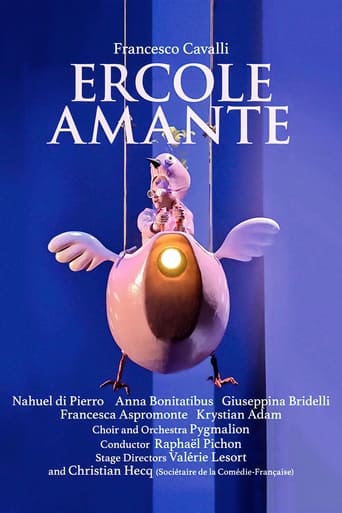
Francesco Cavalli, a natural successor to Monteverdi, was the most famous and influential Italian opera composer during the mid-17th century. Cardinal Mazarin, chief minister to the king, commissioned Cavalli to create a Parisian spectacle to celebrate the wedding of the ‘Sun King’ Louis XIV and the Infanta of Spain. Ercole amante (‘Hercules in Love’) was the flattering subject chosen for this regal extravaganza combining larger-than-life characters with mythology, and genuine human emotions with natural and cosmic phenomena. The result is a sumptuous Baroque spectacle, conceived on a vast scale in this lavish production by directors Valerie Lesort and Christian Hecq.
Same director · TMDB similar
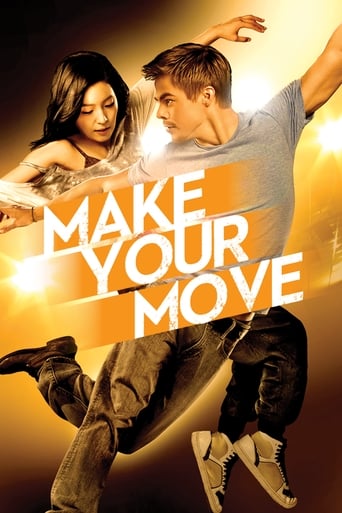
A pair of star-crossed dancers in New York find themselves at the center of a bitter rivalry between their brothers' underground dance clubs.
Viewers also picked
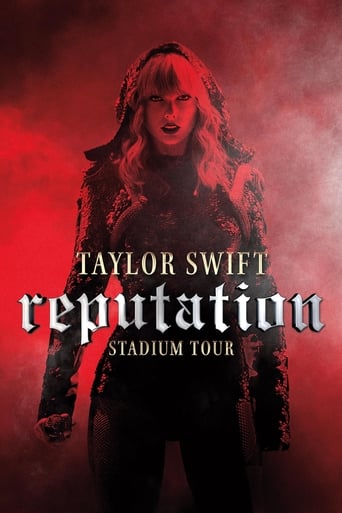
Taylor Swift takes the stage in Dallas for the Reputation Stadium Tour and celebrates a monumental night of music, memories and visual magic.
Viewers also picked
In October 1733, the audience at the Académie Royale de Musique witnessed the birth of a revolutionary work: Hippolyte et Aricie. With its inventiveness and musical richness, Rameau’s opera marks a break in the history of French music. A similarly revolutionary duo – Jeanne Candel and Raphaël Pichon – get to grips with this work for the Opéra Comique.
Shares 3 cast members · Same director
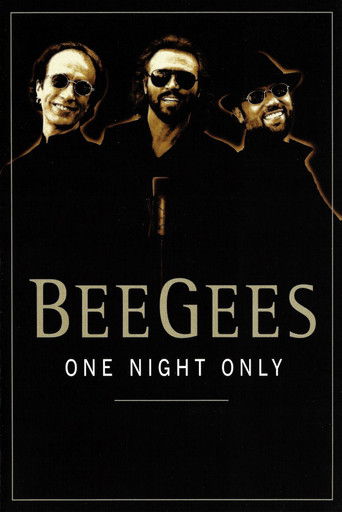
The brothers Gibb perform their greatest hits from the 60's, 70's, 80's and 90's including many songs written for and made hits by other artists but never recorded by the Bee Gees themselves.
Viewers also picked
A shy teenager living on the Isle of Wight dreams of pop stardom. With the help of an unlikely mentor, she enters a singing competition that will test her integrity, talent, and ambition.
Viewers also picked
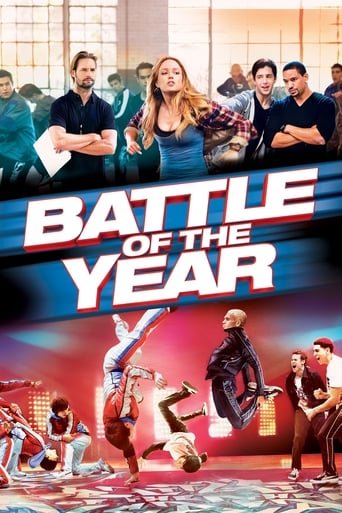
A down-on-his-luck coach is hired to prepare a team of the best American dancers for an international tournament that attracts all the best crews from around the world, but the Americans haven't won in fifteen years.
Viewers also picked
Trip, a young roadie for Metallica, is sent on an urgent mission during the band's show. But what seems like a simple assignment turns into a surreal adventure.
Viewers also picked
Staatsoper Berlin’s new production of Rameau’s tragédie lyrique, directed by Alletta Collins; featuring costumes, sets and lighting designed by Ólafur Eliasson; and musical direction by Simon Rattle, who makes his debut with the Freiburg Baroque Orchestra.
Shares a lead actor
Jean-Joseph Cassanéa de Mondonville was greatly admired in his day. His opera Titon et l’Aurore was one of his most popular works, being held up as a triumph over the rival Italian style during the Parisian Querelle des Bouffons in the 1750s. The narrative of this spectacular opéra-ballet follows the tumultuous and seemingly unbreakable liaison between the goddess L’Aurore and her lover the shepherd Titon. Jealous gods and goddesses try to interfere through murderous intent and dramatic abduction, but true love ultimately conquers all in stage director Basil Twist’s acclaimed feast for the senses.
Shares a lead actor · Same director