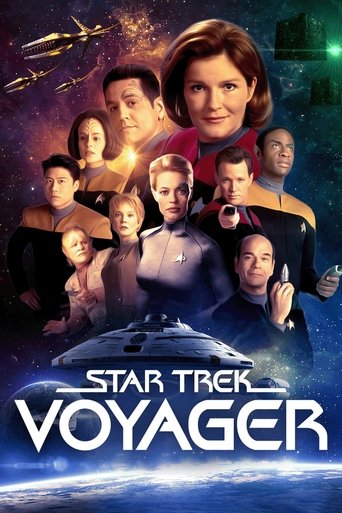
Pulled to the far side of the galaxy, where the Federation is 75 years away at maximum warp speed, a Starfleet ship must cooperate with Maquis rebels to find a way home.
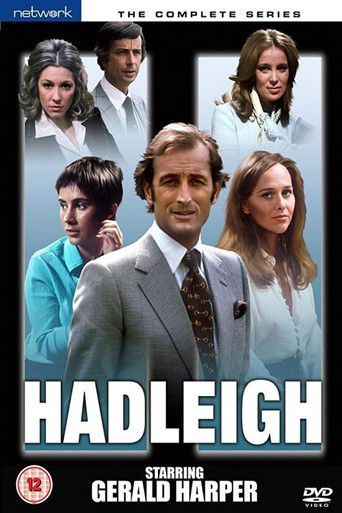
Hadleigh was a British television series made by Yorkshire Television which originally ran from 1969 to 1976. Developed by Robert Barr, it was a sequel to the writer's earlier Gazette for the same company. The theme music was composed by Alan Moorhouse and, from series 3, Tony Hatch. James Hadleigh played by Gerald Harper, was "the perfect squire, paternalistically careful of his tenantry's welfare, beloved in the village, respected in the council." A "knight in a shining white Aston Martin V8, he sets about correcting local injustices." His wife, from a lower-class background, was played by Hilary Dwyer. The series attracted around 17 million viewers at its peak.
Pulled to the far side of the galaxy, where the Federation is 75 years away at maximum warp speed, a Starfleet ship must cooperate with Maquis rebels to find a way home.
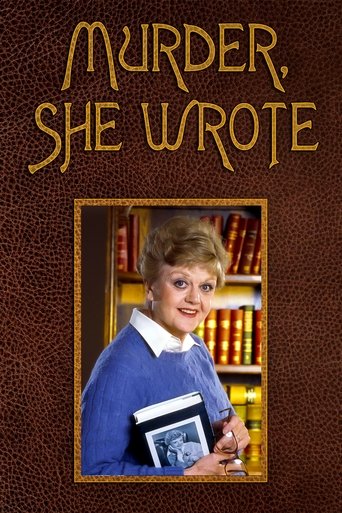
An unassuming mystery writer turned sleuth uses her professional insight to help solve real-life homicide cases.
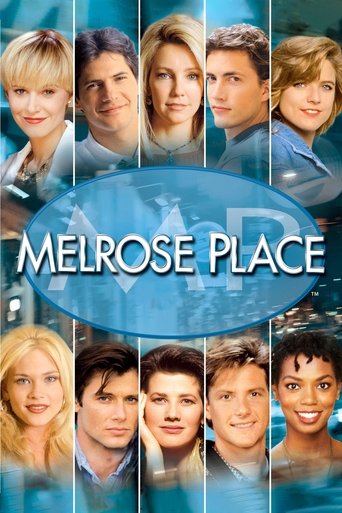
Follow the lives of a group of young adults living in a brownstone apartment complex on Melrose Place, in Los Angeles, California.
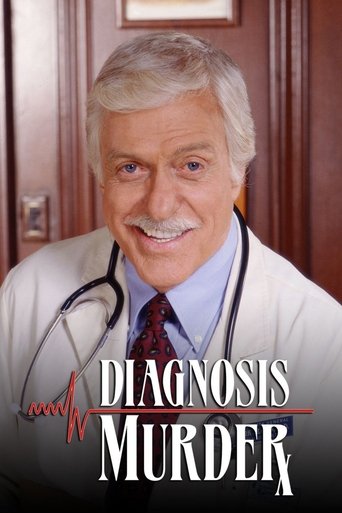
Dr. Mark Sloan is a good-natured, offbeat physician who is called upon to solve murders.
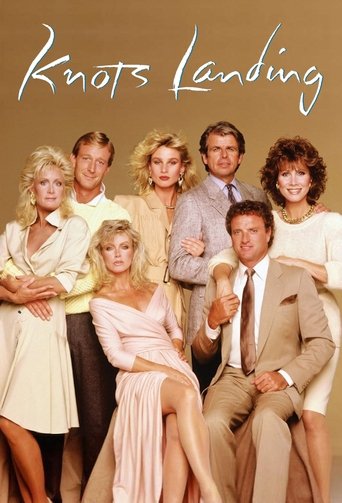
The domestic adventures, misdeeds and everyday interactions of five families living on a cul-de-sac in a small California community.
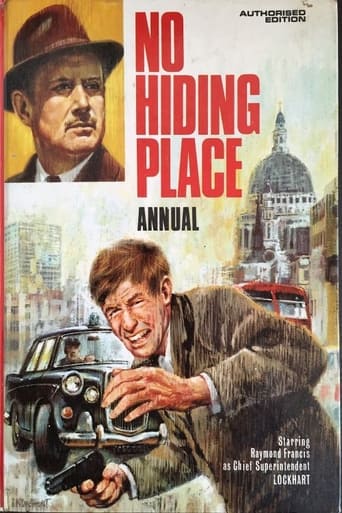
No Hiding Place is a British television series that was produced at Wembley Studios by Associated-Rediffusion for the ITV network between 16 September 1959 and 22 June 1967. It was the sequel to the series Murder Bag and Crime Sheet, all starring Raymond Francis as Detective Superintendent, later Detective Chief Superintendent Tom Lockhart.
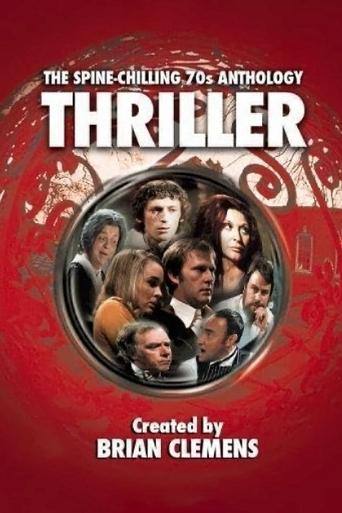
Thriller is a British television series, originally broadcast in the UK from 1973 to 1976. It is an anthology series: each episode has a self-contained story and its own cast. As the title suggests, each story is a thriller of some variety, from tales of the supernatural to down-to-earth whodunits.
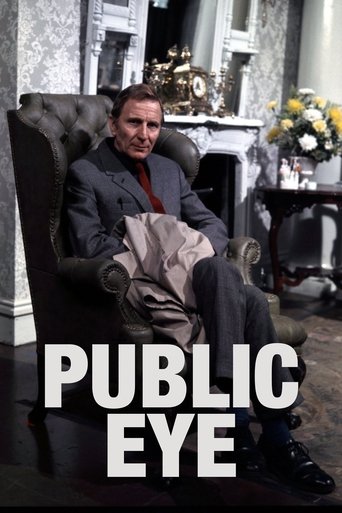
Public Eye is a British television drama broadcast from 1965 to 1975 on ITV1. Produced by ABC Television for three series, and Thames Television for a further four, the programme follows the investigations and cases handled by the unglamourous enquiry agent Frank Marker.
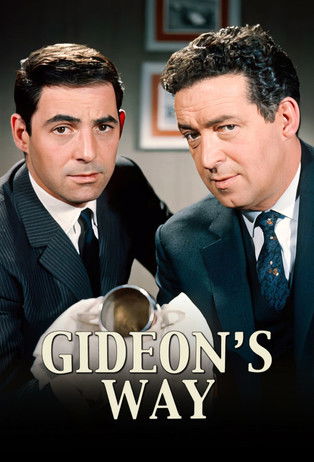
Gideon's Way is a British television crime series made by ITC Entertainment in 1964/65, based on the novels by John Creasey. The series was made at Elstree in twin production with The Saint TV series. It starred Liverpudlian John Gregson in the title role as Commander George Gideon of Scotland Yard, with Alexander Davion as his assistant, Detective Chief Inspector David Keen, Reginald Jessup as Det. Superintendent LeMaitre, Ian Rossiter as Detective Chief Superintendent Joe Bell and Basil Dignam as Commissioner Scott-Marle. The show did not acknowledge any help from Scotland Yard, any other police force or advisor. Daphne Anderson starred as his wife, Kate with Giles Watling as young son, Malcolm, Richard James as older son, Matthew who seemed to have a lot of new girlfriends and Andrea Allan as daughter, Pru. Unusually for police stories, Gideon was shown as a family man at home though urgent phone calls from his bosses tend to disrupt family plans too often. However, he did admit in "State Visit" that his wife had walked out on him for a while years ago when he put the job first and her second. They live in an expensive detached house in Chelsea.
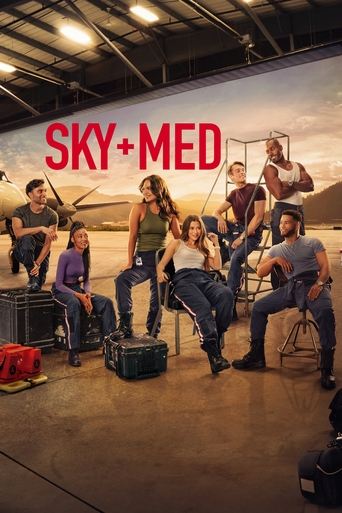
Life, death and drama at 20,000 feet. The series weaves together intense character journeys and high-stakes medical rescues, as we follow the triumphs, heartbreaks and tribulations of budding nurses and pilots flying air ambulances in remote Northern Canada. They’re all in over their heads, and on their own, with no one to rely on but each other.
Viewers also picked
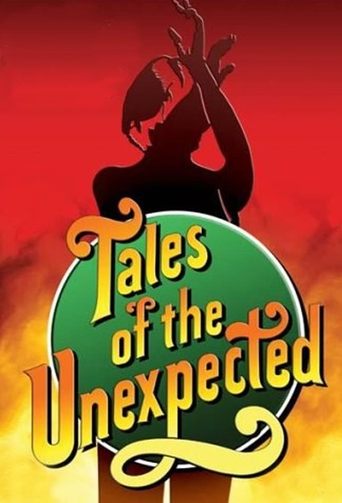
A British television anthology of stories, often with sinister and wryly comedic undertones, and a twist at the end. With early episodes written and presented by Roald Dahl, the series featured a plethora of big name guest stars.
Viewers also picked
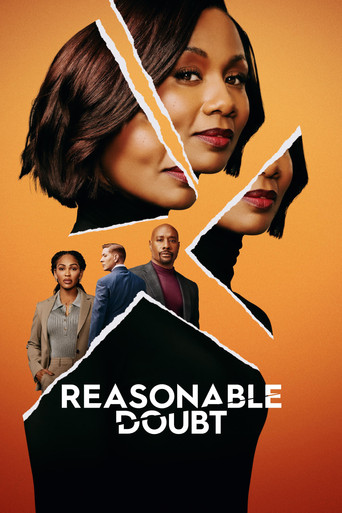
In this legal drama, you’ll judge Jax Stewart for her questionable ethics and wild interpretations of the law… until you’re the one in trouble. Then you’ll see her for what she is: the most brilliant and fearless defense attorney in Los Angeles who bucks the justice system at every chance she gets.
Viewers also picked
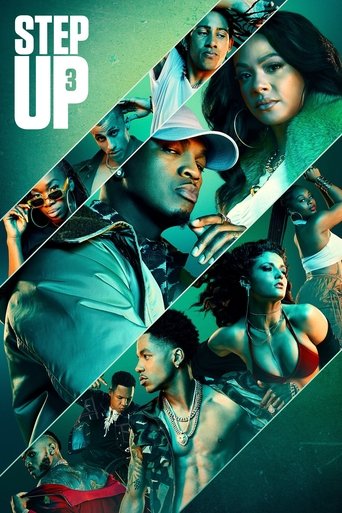
Twins Tal and Janelle relocate from Ohio to Atlanta, where at their new school High Water is always a beat.
Viewers also picked
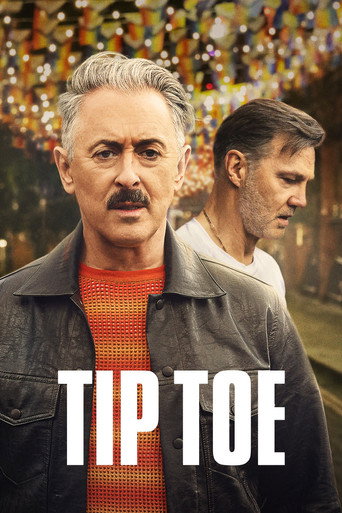
An ordinary Manchester suburb becomes a minefield of lies and violence when Leo gives neighbour Clive his spare key.
Viewers also picked
Wrongfully committed to New Hyde Psychiatric Hospital, one man faces secretive doctors, dangerous patients, and something even worse …
Viewers also picked
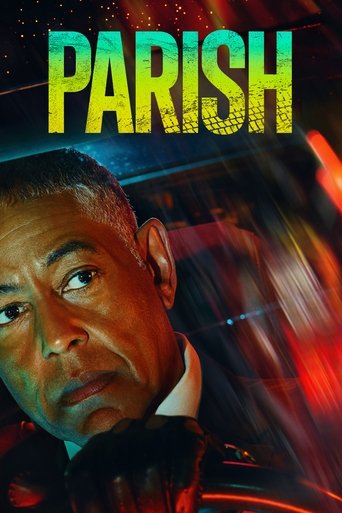
Gray Parish is a good man with a troubled past who gave up his life of crime for life as a family man. But when his son is violently murdered, old habits return, sending him on a relentless quest with moral intentions and dangerous consequences.
Viewers also picked
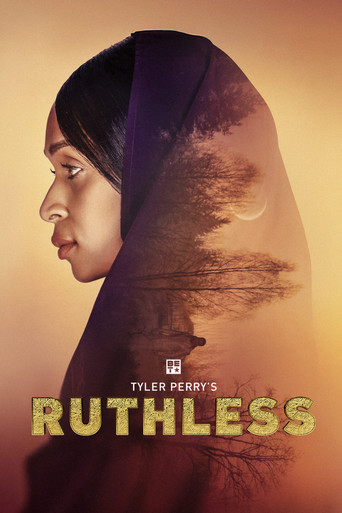
A spinoff of "The Oval," follows Ruth Truesdale as she's forced to play nice with a scandalous religious cult of powerful sex crazed fanatics in the hopes of freeing herself and her daughter.
Viewers also picked
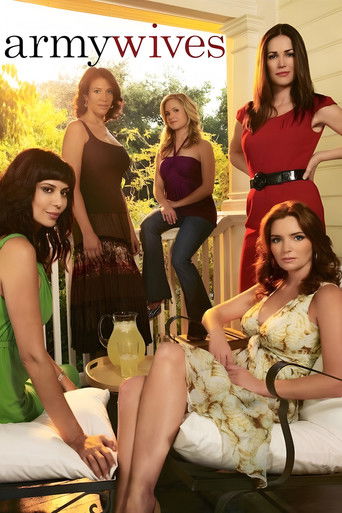
Army Wives is an American drama series that follows the lives of four army wives, one army husband, and their families.
Viewers also picked
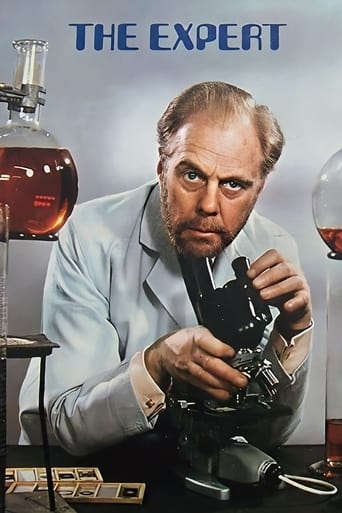
The Expert is a British television series produced by the BBC between 1968 and 1976. The series starred Marius Goring as Dr. John Hardy, a pathologist working for the Home Office and was essentially a police procedural drama, with Hardy bringing his forensic knowledge to solve various cases. The Expert was created and produced by Gerard Glaister. The series was also one of the first BBC dramas to be made in colour, and throughout its four series had numerous high quality guest appearances by actors such as John Carson, Peter Copley, Rachel Kempson, Peter Vaughan, Clive Swift, Geoffrey Palmer, Peter Barkworth, Jean Marsh, Ray Brooks, George Sewell, Anthony Valentine, Bernard Lee, Lee Montague, Geoffrey Bayldon, Mike Pratt, Edward Fox, André Morell, Brian Blessed, Nigel Stock, Philip Madoc and Warren Clarke.
Same director