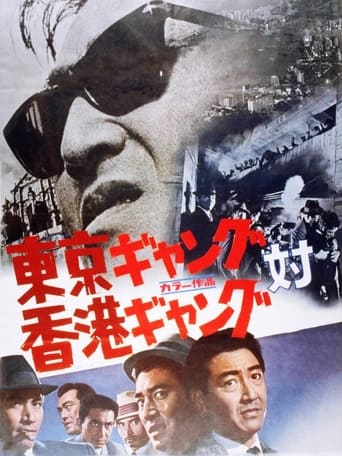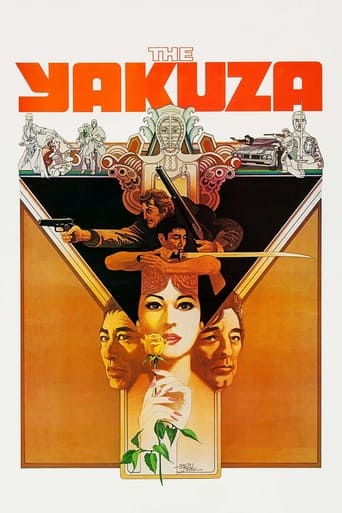
When George Tanner does business with high-ranking Yakuza Tono, Tono kidnaps his daughter, and George summons his old friend, private eye Harry Kilmer, to Japan to investigate.
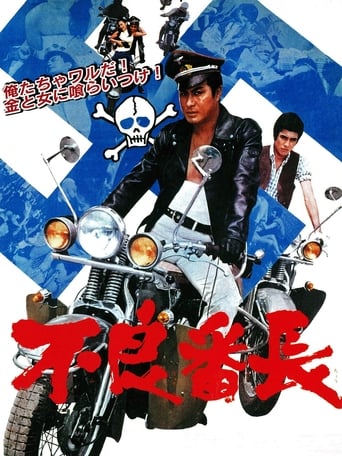
Gokudo Shimamura comes to blows with the Delinquent Boss who rolls into town with his motorcycle gang.
Using a lesser mobster as bait a government agent infiltrates a narcotics-smuggling gang to try to capture the boss. But his survival has a price.
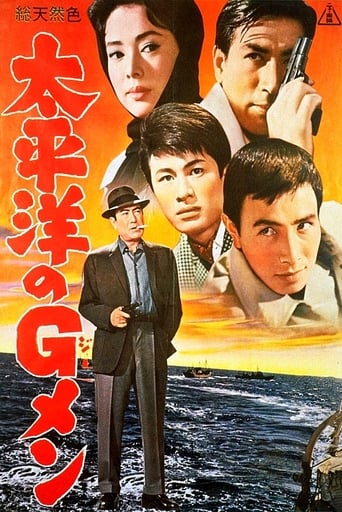
G-men challenge a jewelry smuggling ring. The chase starts in Kyushu and continues to Kobe to Yokohama.
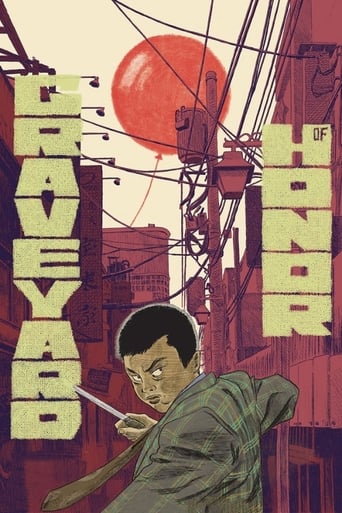
A self-destructive man becomes a powerful member of the yakuza but quickly loses his self-control. Based on the true story of Rikio Ishikawa.
This is the thirteenth film in the series.
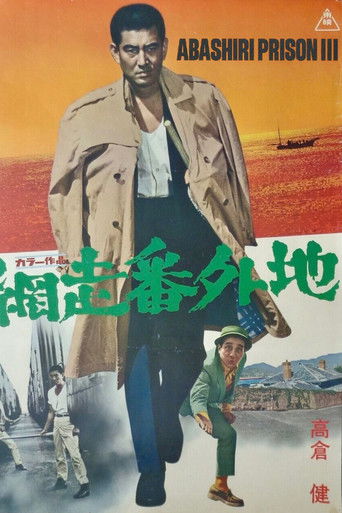
A film about the confrontation between two yakuza groups in the brutal Miike prison, which contained 1,500 inmates. The second film in the series Gambler / Bakuto directed by Shigehiro Ozawa.
The first in what would become Toei's most successful, longest-running bosozoku film series. It lasted from 1968 till 1972 through sixteen films.
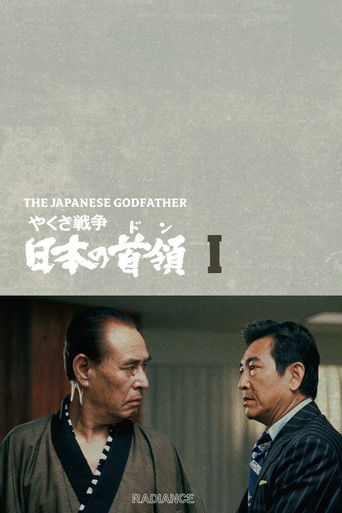
Himuro (Yasukaze Motomiya), who joined Kyowakai, steadily rose through the ranks with his calm and clear mind. Tamura (Yoshiyuki Yamaguchi) was also released from prison and Ryuseikai was thought to gain even more power. At that time, there is an internal split in Kyowakai as a whole, caused by an unusual executive appointment, and Himuro and others get caught in the vortex. After the conflict, the leader of the Ueda group, Ueda (Okazaki Jiro) and other gang members withdrew from Kyowakai, create a new organization called Shintokai in Kyoto, and attack Kyowakai executives.
The hoodlum group tries to help a little printing factory against gangsters.
This is the sixth film in the series. There were seventeen Wolves of the City films between 1968 & 1974, in the main aimed at shock-value & “pinku” soft-core with sex, nudity, violence, gunplay, & a lot of mainly pointless foolishness when the biker gang coopts racist or nazi imagery, inventing a non-existent youth culture void of morality…
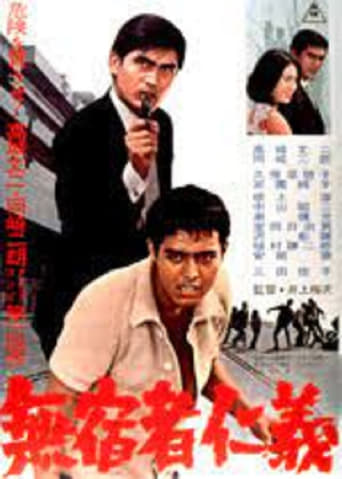
In the teeming black markets of postwar Japan, Shozo Hirono and his buddies find themselves in a new war between factious and ambitious yakuza.
Place your bets! Japan's greatest gambler, Koji Himuro (Akira Kobayashi), faces off against an international cabal of gamblers with only his wits and his incredibly skilled left hand against every conceivable way to cheat someone in a game.
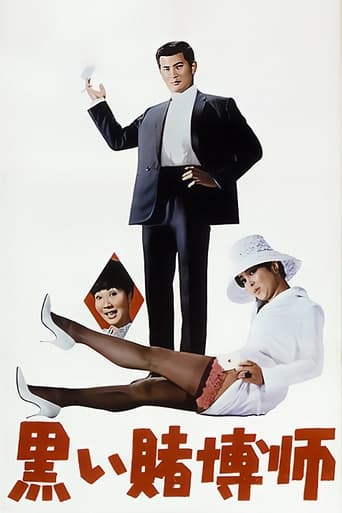
A playboy bartender pretends to be gay in order to approach women. He is in cahoots with another opportunist, a young woman who is trying to seduce a rich married man. Their attempts at making easy money can only end tragically.
This is the Twelfth film in the series. There were seventeen Wolves of the City films between 1968 & 1974, in the main aimed at shock-value & “pinku” soft-core with sex, nudity, violence, gunplay, & a lot of mainly pointless foolishness when the biker gang coopts racist or nazi imagery, inventing a non-existent youth culture void of morality…
Akira Inugami is the only survivor of a clan of ancient werewolves who relies on his supernatural powers to solve mysterious crimes. After a series of bloody killings perpetrated by an unseen force, Inugami uncovers a conspiracy involving a murdered cabaret singer, corrupt politicians, and a plot by the J-CIA to harvest his blood in order to steal his lycanthropic powers.
Upon returning to his hometown of Nagasaki, recently released prisoner Tachibana Shinichi must rejoin the Asahi gang family in order to pay back a past debt. Trouble brews when the rival gang that was responsible for sending him to prison learns of his return. Left with no alternative to their constant harassment and threats, Tachibana decides to take them on.
While imprisoned, Tatsu encounters Danshi, a man who is a big honcho in the prison pecking order. After initial conflict they become sworn brothers. Tatsu and the sworn brothers he acquires weren’t really gangsters before their prison time, just ruffians. Prison, however, introduces them to plenty of gangland characters and three years later, they’re out of prison and enmeshed in the yakuza world.
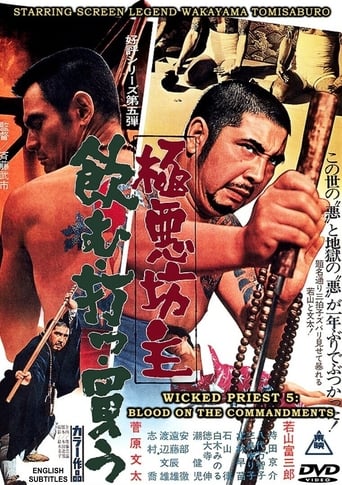
As the Killer Priest Shinkai travels around Japan during the Meiji era, he comes to the aid of a village headman fighting corruption from up above. Before he can do anything for the townspeople, he must first face his nemesis, Whipmaster, the blind Priest, a master killer thirsting for revenge.
A yakuza leader must balance his violent tactics necessary for the rough streets of 1960s Tokyo with the domestic needs of his daughters.
A crime film released in 1965
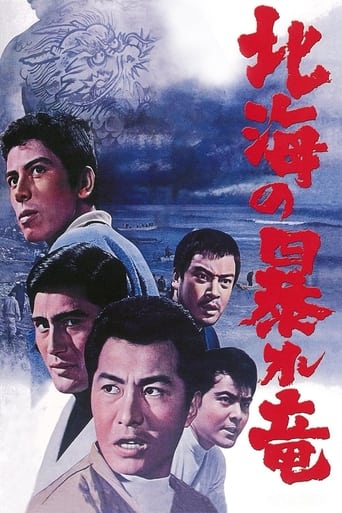
The son of a prominent member of a fishing community returns home after a stint with the yakuza to find his father has died under orders of a local gang leader. He sets out to avenge his father, keeping his plans secret from his mother who is cold to him since his perceived abandonment of the family. This wonderful, if little-seen, Fukasaku gem deals with family, community and what it means to do right by both.
A crime film released in 1965
An Australian cop heads to Hong Kong to head off the supply of a new designer drug which raises the sexual appetite of anyone who takes it.
Assassin Nanjo goes on a solitary mission to take revenge on the man who trapped him into a complicated drug deal.
An action-comedy about three men who try to bilk money out of gambling dens.
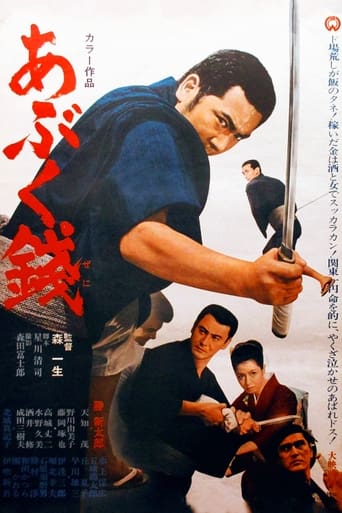
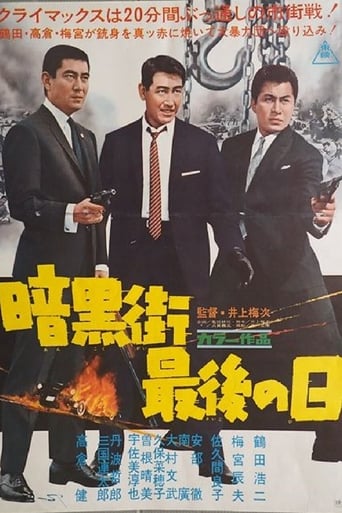
The plot opens with the hero (Tsuruta) leaving prison, having served time through taking the blame for a fellow gang member’s crime. However, his former gang boss seems to have gone to seed, with people now killing each other and dealing in drugs. The hero then teams up with a lone operator (Tamba) who specialises in shaking down gangsters.
Same franchise · Shares a lead actor
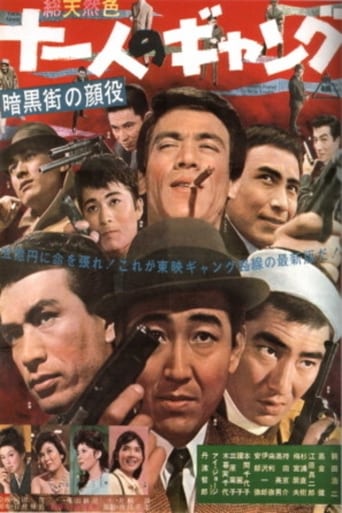
Two men head a team who steal a factory payroll valued at 500 million yen. Then a hoodlum gang goes after the team for the money.
Same franchise · Shares 2 cast members
Ishihama is planning a casino robbery with his wife and mother-in-law. They meet a man named Tsuneda who is planning the same robbery and agree to work together.
Same franchise
Two rival gangs of gangsters clash for dominance of a neighborhood.
Same franchise · Shares a lead actor
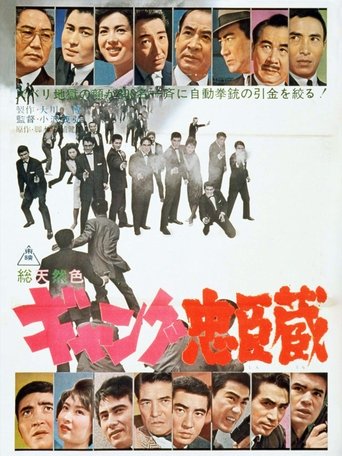
A modern gang version of Chushingura, chronicling almost scene for scene the Brave 47 Ronin story, transposed from the Genroku Period to the Showa Era.
Same franchise · Shares a lead actor
A gang of bank robbers plan a big robbery, but they all plot to betray each other after the heist for different reasons.
Same franchise
A gang plans to steal twenty billion yen by safecracking tactics; however, they discover that one of the gang members is an infiltrating cop.
Same franchise · Shares a lead actor
The 11th and final film in the Gang series. Most of the films had different directors and cast, and were only connected by the title and Toei's marketing department. Unlike the early entries, which were jazzy capers, this final entry is a prototype jitsuroku yakuza film. Just back from the war, Noboru Ando leads a gang of war vets turned gangster in the US occupied streets of Tokyo. They get into a conflict with a Chinese gang as well as the military police. Tetsuro Tamba appears as a police chief trying to bring peace to the streets; 1st wave pinky violence star Masumi Tachibana is a girl grieving his dead gangster father.
Same franchise
Shares a lead actor · Same director