
FILM
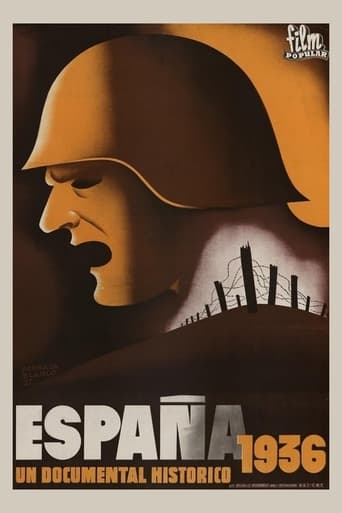
A Spanish documentary from Jean-Paul Le Chanois & Luis Buñuel made during the Spanish Civil War.

A documentary that takes a broad overview of the life of the dictator, which is a review of the history of the twentieth century so far. Thus, the main events of the century are analyzed through the experience of Franco, who starred in many of them in this historic document which brings together, among others, Alfonso XIII, Mussolini, Lenin, Primo de Rivera, Azaña or Roosevelt.
A Spanish documentary from Jean-Paul Le Chanois & Luis Buñuel made during the Spanish Civil War.
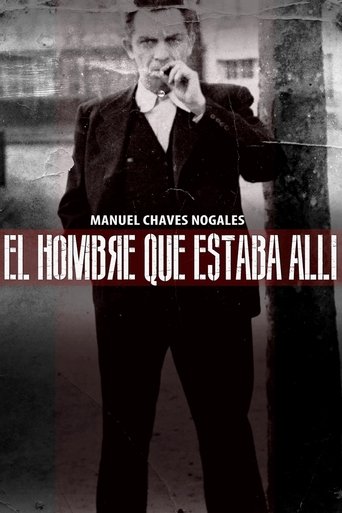
The Spanish journalist Manuel Chaves Nogales (1897-1944) was always there where the news broke out: in the fratricidal Spain of 1936, in Bolshevik Russia, in Fascist Italy, in Nazi Germany, in occupied Paris or in the bombed London of World War II; because his job was to walk, see and tell stories, and thus fight against tyrants, at a time when it was necessary to take sides in order not to be left alone; but he, a man of integrity to the bitter end, never did so.

Spain, 1973. Dictator Francisco Franco has ruled the country since 1939 with an iron fist; but he is now a very old and sick man. The future of the weakened regime is in danger. Admiral Carrero Blanco is his natural successor. The Basque terrorist gang ETA decides that he must die to prevent the dictatorship from continuing.

A chronicle of the demonstrations and public events held on the occasion of the proclamation of the Second Spanish Republic on April 14, 1931 (Sound newsreel shot by Fox Movietone News discovered in 2009.)
The first part of this documentary deals with the Portuguese neurologist António Egas Moniz, Nobel Prize for Medicine in 1949, one of the first surgeons to apply the technique called lobotomy for the treatment of schizophrenia. The second part deals with the everyday life of people with schizophrenia today: behavior and relationships, and treatment for the disease.
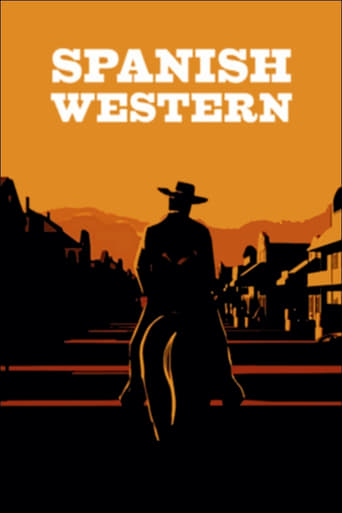
A vindication of the role of the technicians and artists who made spaghetti western genre possible, and a walk through the landscapes that made it possible to recreate in Spain, mainly in the desert of Almería, hundreds of adventures set in the remote American Far West.
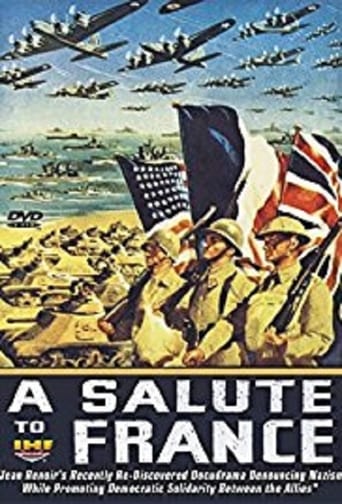
Commissioned to prepare Allied troops for the liberation of Europe, the film uses a blend of staged narratives and historical footage to promote solidarity and dispel the myth that France was a nation of willing collaborators.

A small village in Huelva, Andalusia, Spain, 1936. Higinio and Rosa have been married only for a few months when the Civil War breaks out. Higinio, being afraid of possible reprisals from the rebel faction, decides to use a hole dug in his own house as a temporary hideout.
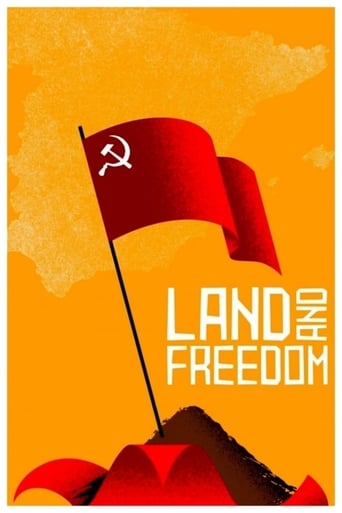
Summer 1936: young unemployed communist David Carr leaves Liverpool to join the fight against fascism in Spain. He joins an international group of Militia-men and women, the POUM (Partido Obrero de Unificación Marxista). After being wounded, he goes to Barcelona, where he joins another group of fighters.
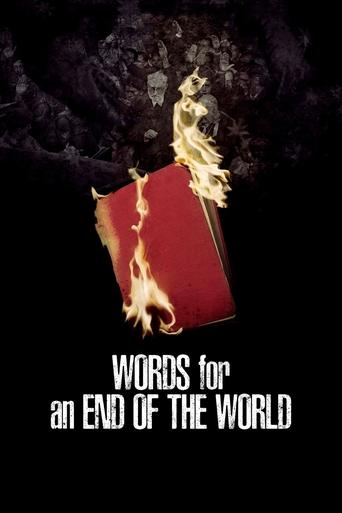
Spain, April 14, 1931. The Second Republic is born. From the beginning, the writer Miguel de Unamuno is considered one of the ethical pillars of the new regime. Five years later, on December 31, 1936, a few months after the outbreak of the Spanish Civil War (1936-39), Unamuno dies at his home in Salamanca, capital of the rebel side, led by General Francisco Franco, and main center of dissemination of its propaganda apparatus.
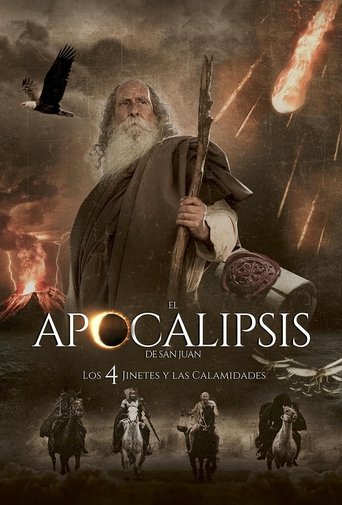
Embark on an epic journey through time and faith with 'The Apocalypse of Saint John.' Join the Apostle John in a stunning visual narrative that unravels the visions of the End Times. Experience each vision like never before, with striking visual effects and epic scenes that immerse you in the apocalyptic narrative.
Viewers also picked

The history of cinematic sound, told by legendary sound designers and visionary filmmakers.
Viewers also picked
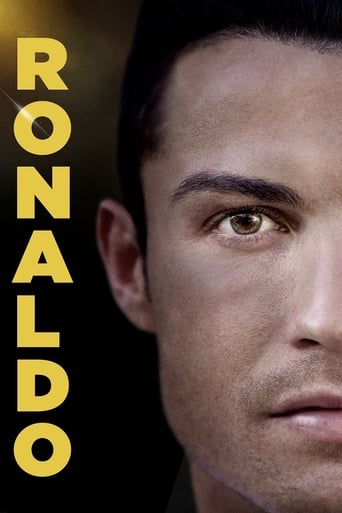
Filmed over 14 months with unprecedented access into the inner circle of the man and the sport, this is the first official and fully authorised film of one of the most celebrated figures in football. For the first time ever, the world gets vividly candid and un-paralleled, behind-closed-doors access to the footballer, father, family-man and friend in this moving & fascinating documentary. Through in-depth conversations, state of the art football footage and never before seen archival footage, the film gives an astonishing insight into the sporting and personal life of triple Ballon D'Or winner Cristiano Ronaldo at the peak of his career. From the makers of ‘Senna’ and ‘Amy’, Ronaldo takes audiences on an intimate and revealing journey of what it’s like to live as an iconic athlete in the eye of the storm.
Viewers also picked
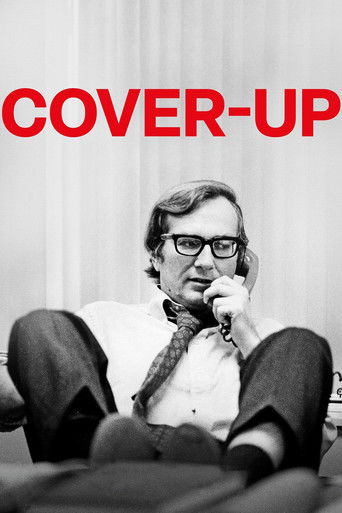
He's devoted his career to uncovering stories the powerful want buried. From My Lai to Abu Ghraib, dig into the life's work of journalist Seymour Hersh.
Viewers also picked

A documentary highlighting the Soviet Union's legendary and enigmatic hockey training culture and world-dominating team through the eyes of the team's Captain Slava Fetisov, following his shift from hockey star and celebrated national hero to political enemy.
Viewers also picked

A compilation of over 30 years of private home movie footage shot by Lithuanian-American avant-garde director Jonas Mekas, assembled by Mekas "purely by chance", without concern for chronological order.
Viewers also picked
Filmmaker Alain Resnais documents the atrocities behind the walls of Hitler's concentration camps.
Spain, April 14, 1931. The Second Republic is born. From the beginning, the writer Miguel de Unamuno is considered one of the ethical pillars of the new regime. Five years later, on December 31, 1936, a few months after the outbreak of the Spanish Civil War (1936-39), Unamuno dies at his home in Salamanca, capital of the rebel side, led by General Francisco Franco, and main center of dissemination of its propaganda apparatus.
Shares 2 cast members

Oliver Stone charts the history of the United States from the Second World War to the present.
Viewers also picked

A documentary about how a dominant cultural and demographic institution both sustains their traditional activities and adapts to the digital revolution.
Viewers also picked

A trapeze artist must decide between her lust for Sergio, the Happy Clown, or her affection for Javier, the Sad Clown, both of whom are deeply disturbed.


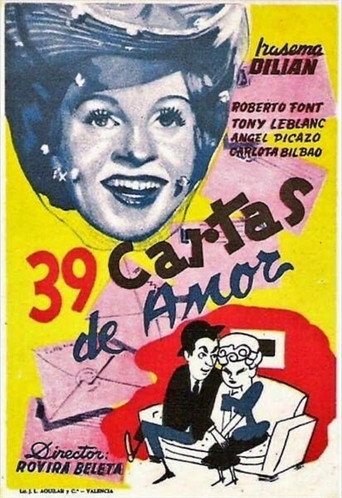
Madrid, early twentieth century. Julieta and Alberto are a couple who have been married for several years, but who are still as much in love as the first day. He is the half-orange she always wanted, and their bond of union is growing stronger. One day, Alberto, in the fear of losing her, decides to start writing to his beloved several letters of love under the pseudonym of 'Count of Rocambole'. The intention is to be more relaxed when trying the love and fidelity of Juliet. The problems start when she begins to fall in love little by little with that foreigner who claims to be mad about her.
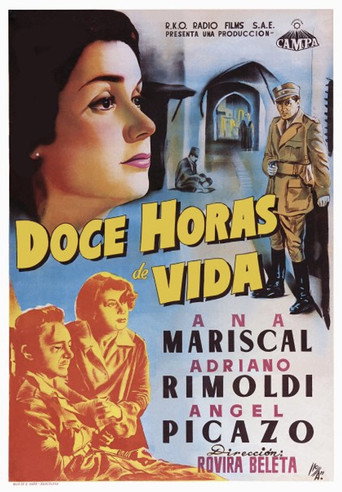
In Morocco, a Spanish Legionnaire sentenced to death for losing important documents concerning the African War is granted a few extra hours before his execution to uncover the true culprits behind the crime.

A complex espionage plot unfolds in the cosmopolitan city of Tangier.
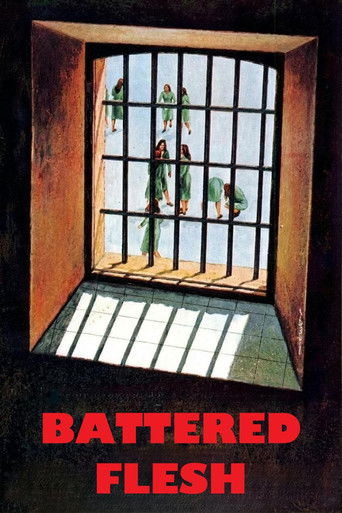
Berta, imprisoned in Franco's Spain on fraud charges, learns to navigate the indignities of prison, spreading her own brand of kindness and empathy to the other inmates, but she unwillingly learns a valuable lesson when she falls in love with one of them.

A Christmas Carol

An American adventurer who has a gambling den in Istanbul, who is suspected to be involved in the kidnapping of a nuclear scientist, but ultimately becomes self on the search for the disappeared and gets a striving for world domination secret organization.