FILM
Live from the Metropolitan Opera 19 December 2009.

Live from the Metropolitan Opera 19 December 2009.
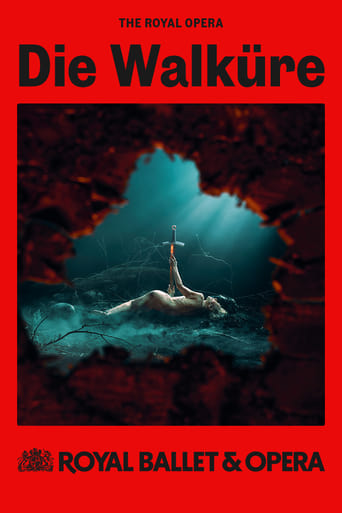
On a stormy night, fate brings two strangers together, unleashing a love that has the power to destroy entire worlds. Meanwhile, in the realm of the gods, an epic battle erupts between the ruler Wotan and his rebellious daughter Brünnhilde.
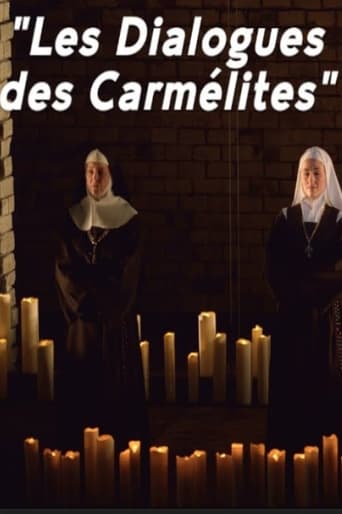
Performed at the Théâtre Graslin in Nantes in 2013. Francis Poulenc (1899-1963): Dialogues des Carmélites, opera in 3 acts and 12 scenes from a libretto by Emmet Lavery.
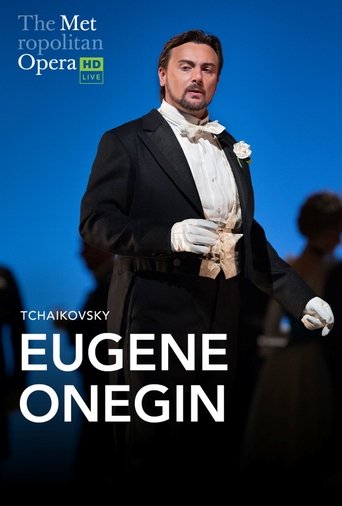
Tchaikovsky’s many moods—tender, grand, melancholy—are all given free rein in Eugene Onegin. The opera is based on Pushkin’s iconic verse novel, which reimagines the Byronic romantic anti-hero as the definitive bored Russian aristocrat caught between convention and ennui; Tchaikovsky, similarly, took Western European operatic forms and transformed them into an authentic and undeniably Russian work. At the core of the opera is the young girl Tatiana, who grows from a sentimental adolescent into a complete woman in one of the operatic stage’s most convincing character developments.
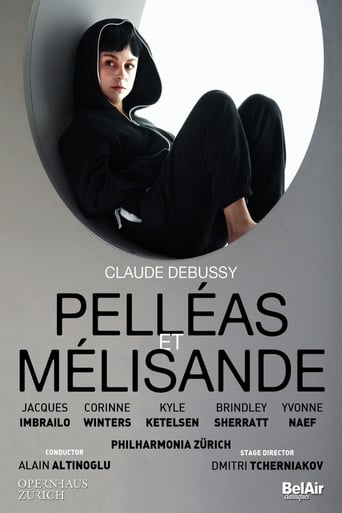
In this strikingly modern 2016 production from the Zurich Opera House, Tcherniakov transposes the opera’s intrigue from forest and castle to living room and psychiatric office. The love story of the original work remains riveting, but Tcherniakov brings an unexpected psychological element to his mise en scène, with Prince Golaud as a psychiatrist and Mélisande as a young woman suffering from PTSD. You’ve never seen Pelléas like this!
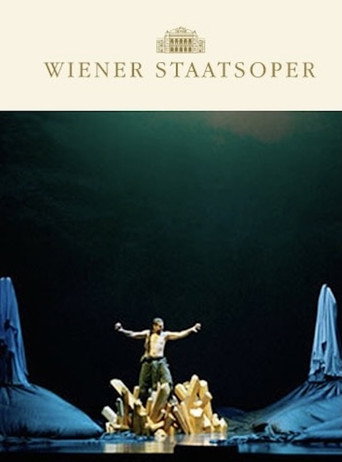
Wagner's Ring of the Nibelungen is regarded as one of the most important milestones in the history of music. In the first part, the Rheingold, it begins with the chain of fateful entanglements that ultimately attracts the downfall of the race of the gods.
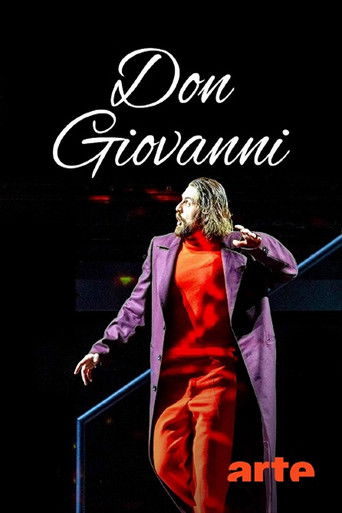
What if Don Juan were a woman? At the Bayerische Staatsoper in Munich, director David Hermann presents a bold and modernist reinterpretation of Mozart’s opera, elevated by the collective excellence of its cast.

Bass René Pape, the world’s reigning Boris, reprises his overwhelming portrayal of the tortured tsar caught between grasping ambition and crippling paranoia, kicking off the Live in HD season on October 9, 2021. Conductor Sebastian Weigle leads Mussorgsky’s masterwork, a pillar of the Russian repertoire, in its original 1869 version. Stephen Wadsworth’s affecting production poignantly captures the hope and suffering of the Russian people as well as the tsar himself. This live cinema transmission is part of the Met’s award-winning Live in HD series, bringing opera to movie theaters across the globe.

Alone in a secluded mansion, Giacomo Casanova cries out then collapses. When the mysterious and beautiful writer, Elisa von der Recke, comes to visit, it breathes new life into the old man. A movie that captures the myth of the greatest seducer of all times, Casanova, his story is told both through fiction and on-stage opera performances that unravel the tale of his adventures, his passions, and ultimately his fear of death.
What is this flame that compels Don Giovanni to seduce, subjugate and conquer women one after the other, with the fervour and cold indifference of a predator securing his prey; to pursue through his conquests some obscure and ever‑elusive objective? For his second collaboration with Da Ponte, Mozart was to brand the history of opera with a hot iron and forever haunt European culture. In this Libertine Punished, Kierkegaard invites us to hear “the whisperings of temptation, the whirlwind of seduction, the silence of the moment”. The Mozart-Da Ponte cycle continues with a Don Giovanni entrusted to director Ivo Van Hove. In the wake of Boris Godunov, the director, accustomed to examining the political meaning of works, presents his second production for the Paris Opera.
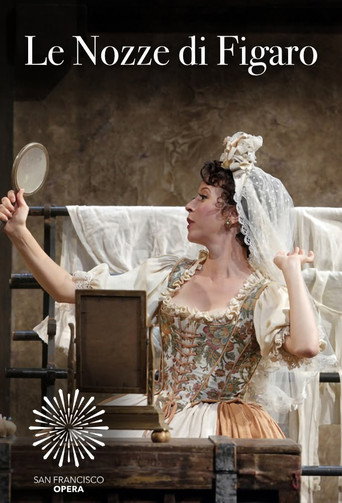
It’s a busy day in the manor house as the staff prepare for the marriage of the wily valet Figaro and his quick-witted fiancée, the maid Susanna. But the head of the house, Count Almaviva, wants Susanna for himself—and he’s used to getting his way. With the help of the slighted Countess, Figaro and Susanna work to turn the manor upside down in order to exchange their holy vows of matrimony.
Gounod's Faust at the Bavarian State Opera: Jonathan Tetelman plays Faust, the scholar who makes a pact with Mephistopheles (Kyle Ketelsen) before seducing Marguerite (Olga Kulchynska). The unfortunate woman descends into madness but ultimately achieves redemption. Lotte de Beer directs this production, which marks Nathalie Stutzmann's debut in Munich as conductor.
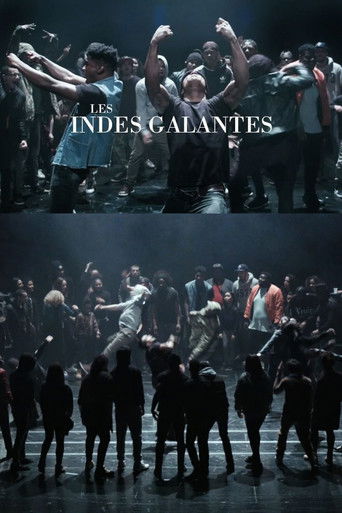
Les Indes Galantes (The amorous indies), is an opera-ballet created by Jean Philippe Rameau in 1735. He was inspired for one of the dance by tribal Indian dances of Louisiana performed by Metchigaema chiefs, in Paris in 1723. Clément Cogitore adapts a short part of the ballet by mobilizing a group of Krump dancers, an art form born in Los Angeles black ghetto in the 1990s. Its birth occurred in the aftermath of the beating up of Rodney King and the riots, as well as police repression it triggered. Amidst this coercive atmosphere, young dancers started to embody the violent tensions of the physical, social and political body. Both the tribal dance performed in Paris in 1723, and the rebelious Krump dancers of the 1990s shape a reenactment of Rameau’s original libretto, staging young people dancing on the verge of a volcano.
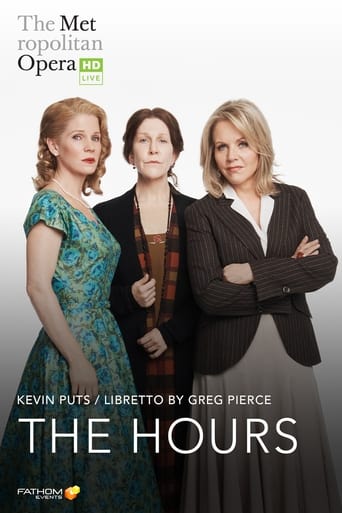
Renée Fleming makes her highly anticipated return to the Met in the world-premiere production of Pulitzer Prize–winning composer Kevin Puts’s The Hours, adapted from Michael Cunningham’s acclaimed novel. Inspired by Virginia Woolf’s Mrs. Dalloway and made a household name by the Oscar-winning 2002 film version starring Meryl Streep, Julianne Moore, and Nicole Kidman, the powerful story follows three women from different eras who each grapple with their inner demons and their roles in society. The exciting premiere radiates with star power, with Kelli O’Hara and Joyce DiDonato joining Fleming as the opera’s trio of heroines. Phelim McDermott directs this compelling drama, with Met Music Director Yannick Nézet-Séguin on the podium to conduct Puts’s poignant and powerful score.
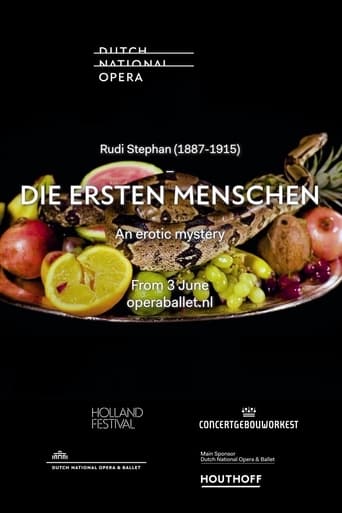
The 2021 production by the Dutch National Opera of the work by German composer Rudi Stephan (1887–1915) "Die ersten Menschen" ("The First Humans"), completed in 1914 to a libretto by Otto Borngräber interpreting the Biblical story of the Garden of Eden through symbolism and the then nascent science of psychoanalysis. This production was part of the Holland Festival of Amsterdam.
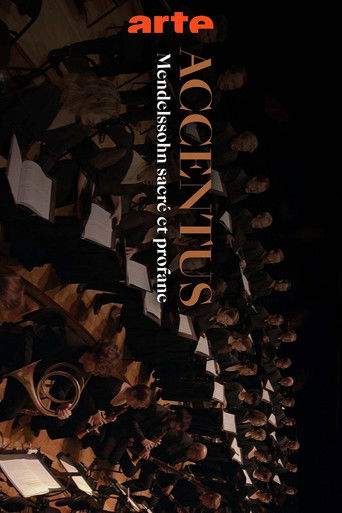
In 1991, Laurence Equilbey's creation of Accentus revolutionized the world of vocal music. To celebrate its 30th anniversary, the choir, accompanied by a quartet of top-flight soloists, gave a grand concert at the Philharmonie de Paris in March 2023. Mendelssohn, whose choral works are among the jewels of vocal music, was honored.
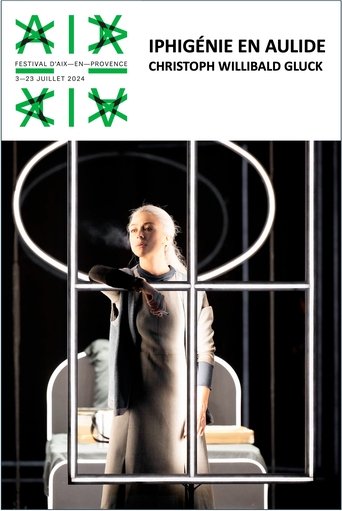
A decade before the French Revolution, in a country riven with bitter polemics, Gluck throws the history of opera into confusion by raising it to an unheard-of peak of tragic intensity. Experiencing his two Iphigenias in a single evening goes beyond the norms of operatic life: it is to enter the very heart of the curse on the family of King Atreus of Mycenae, to follow a logical destiny through a cycle of endless violence. How does the victim of Aulis become the murderess of Tauris? That is the burning question that Dmitri Tcherniakov must adress, plunging the spectator into the midst of a household haunted by the dead and setting in train an implacable process of dehumanization, with parallels to our world today. Conducting Le Concert d’Astrée, Emmanuelle Haïm drives this dual tragedy to the summit of its expressive power, leaving humanity to be translated through arias of the utmost poignancy.
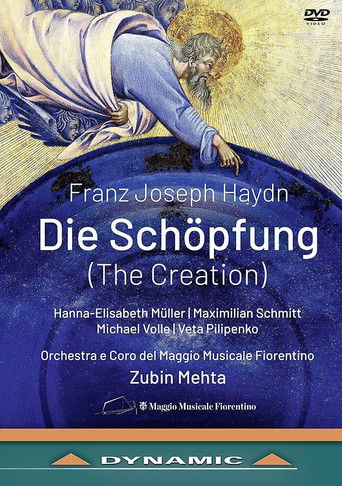
Inspired by hearing performances of Handel's oratorios during his visits to London, Haydn composed Die Schöpfung ('The Creation') in 1798. Through a series of accompanied recitatives, arias, duets and choruses, the music depicts the creation of the universe and the carefree existence of Adam and Eve. Haydn drew on the full complement of his symphonic and vocal prowess which reach peaks of almost operatic intensity. With rich harmonies and sonic magnificence in abundance, Die Schöpfung represents the apex of the Viennese oratorio tradition.
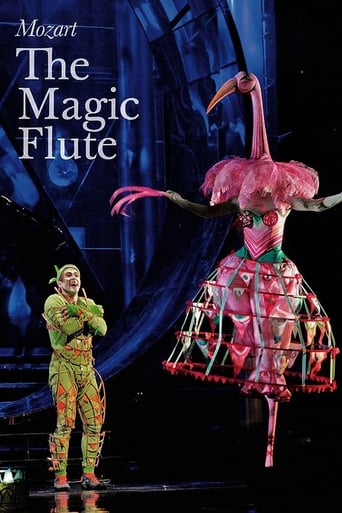
Tamino, a handsome prince, and Papageno, a bird-catcher, are sent by the Queen of Night to rescue her daughter Pamina from captivity under the high priest Sarastro. Julie Taymor's abridged, English-language production of the classic Mozart opera.
When the mysterious captain of a phantom ship is cast ashore in a storm, he tries to escape eternal damnation through the love of a faithful woman.
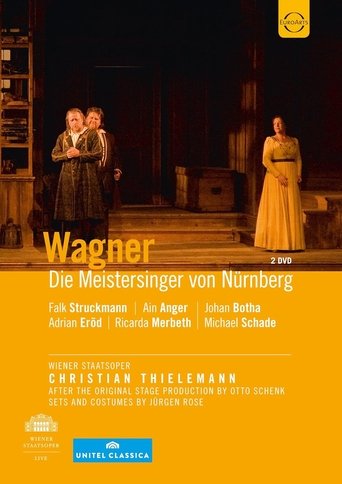
Wagner’s Meistersinger is a festive opera in its own right, but at the unforgettable performances of the work at the Vienna State Opera in January 2008 the festive spirit literally leapt out into the audience as well. Vienna’s dailies exploded with praise: “a feast of singers” (Der Standard), “grandiose” (Die Presse) and “close on six hours of pure enjoyment” (Der Kurier). The plaudits applied to all the singers from Hans Sachs to the nightwatchman as well as to the chorus and orchestra.
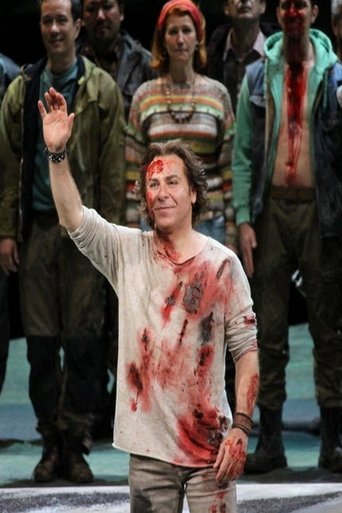
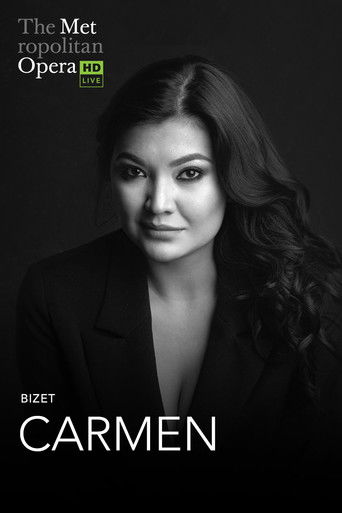
Director Carrie Cracknell makes her Met debut, reinvigorating the classic story with a staging that moves the action to the modern day, in a contemporary American industrial town.
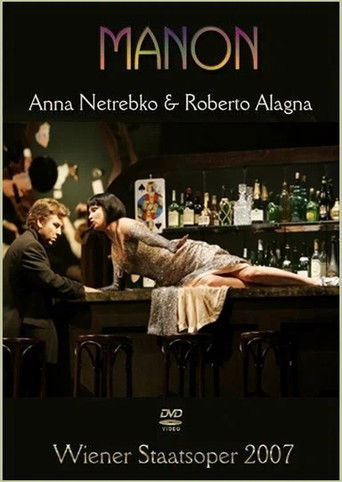
Massenet's opera as performed in March 2007 by the Wieners Staatsoper
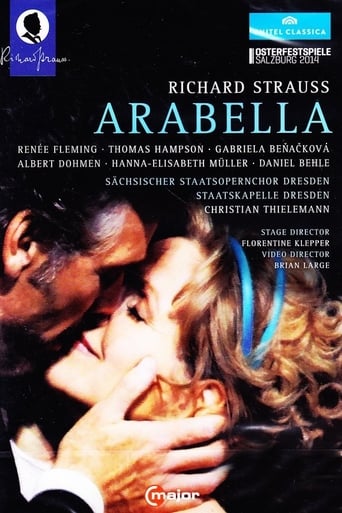
2014 marks a year of celebration recognizing the 150th birthday year of the German late-Romantic orchestral, operatic and lied master composer, Richard Strauss (1864-1949). Arabella (premiered 1933, Dresden) was the last of the half dozen Strauss works to feature a libretto by the great Austrian writer Hugo von Hofmannsthal. This production, from the most recent Salzburg Easter Festival is, after Capriccio, the second of three Richard Strauss operas C Major is releasing in honor of the composers birth, life and work. The star-laden cast includes soprano Renèe Fleming, baritone Thomas Hampson, Albert Dohmen (Covent Garden, Wiener Staatsoper, MET) and Gabriela Beaková (Wiener Staatsoper, Covent Garden). With Christian Thielemann and the Staatskapelle Dresden, the music of Richard Strauss is in the best of hands. (ORF) Thielemann gets the best out of the cast...especially Renée Fleming with her luxurious soprano FAZ
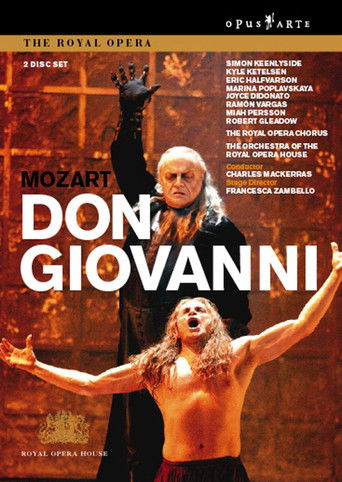
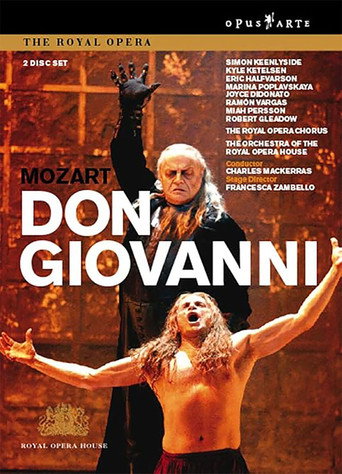
DON GIOVANNI is one of the timeless classics of all opera. Mozart’s music, and the words of his great collaborator Da Ponte, are brought to life in Francesca Zambello’s engrossing production with its rich and colourful designs by Maria Bjornson. The music is memorable, dramatic and enjoyable: from the seductive solo voices of the famous ‘La ci darem la mano’ to the fabulous ensemble as Don Giovanni’s infatuated conquests, vengeful victims and their outraged relatives join forces for justice. And retribution does finally come to Don Giovanni, a serial womanizer and a murderer, with the searing flames of Hell ready to engulf him. Simon Keenlyside heads the outstanding cast at the Covent Garden Royal Opera House, conducted by renowned Mozart expert Charles Mackerras.
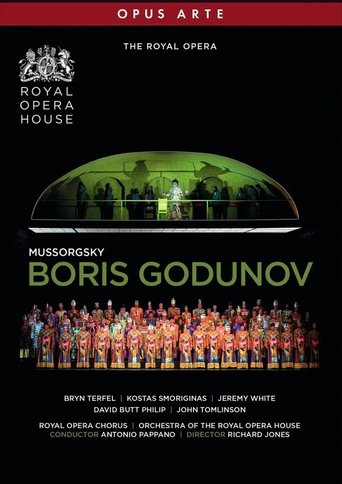
Mussorgsky was inspired to compose his masterpiece Boris Godunov after reading Pushkin’s Shakespeare-inspired play of the same name. It features one of the most dramatically rewarding bass-baritone roles: a noble ruler who loves his children and his people, but whose thirst for power has led him to commit a terrible crime. Bryn Terfel is “a powerful new Boris” (The Observer) in Richard Jones’ new production of the original 1869 score. Antonio Pappano conducts an outstanding cast that also includes John Graham-Hall as the crafty Prince Shuisky and John Tomlinson as the vagabond monk Varlaam.
On a stormy night, fate brings two strangers together, unleashing a love that has the power to destroy entire worlds. Meanwhile, in the realm of the gods, an epic battle erupts between the ruler Wotan and his rebellious daughter Brünnhilde.
Shares a lead actor · Same director
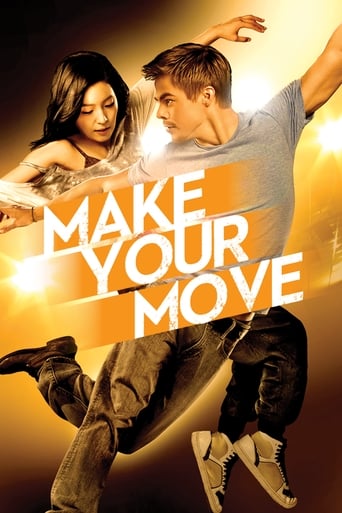
A pair of star-crossed dancers in New York find themselves at the center of a bitter rivalry between their brothers' underground dance clubs.
Viewers also picked
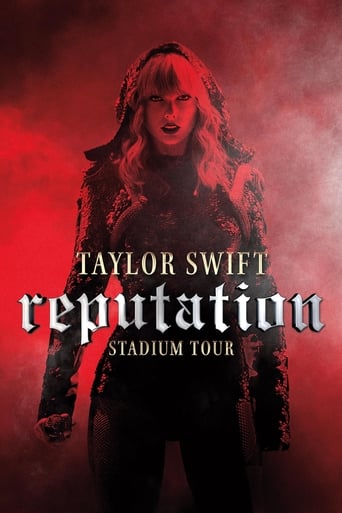
Taylor Swift takes the stage in Dallas for the Reputation Stadium Tour and celebrates a monumental night of music, memories and visual magic.
Viewers also picked
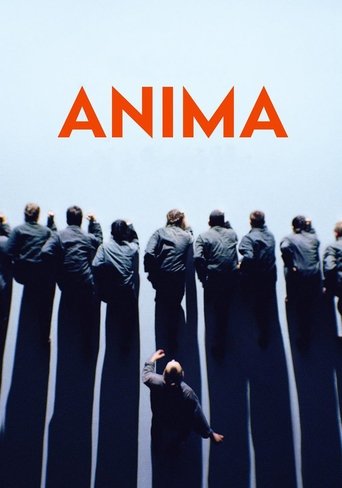
In a short musical film directed by Paul Thomas Anderson, Thom Yorke of Radiohead stars in a mind-bending visual piece. Best played loud.
Viewers also picked
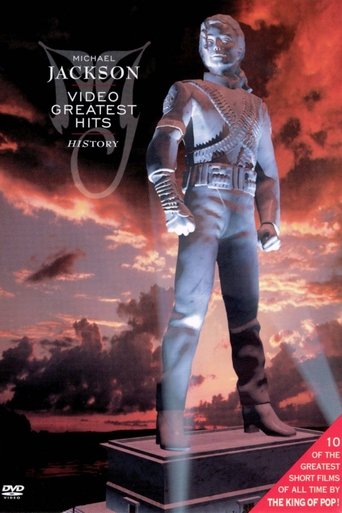
This compilation features 10 of Michael Jackson's greatest video hits, including "Billie Jean," "The Way You Make Me Feel," "Black or White," "Rock With You" and others. -Includes the never before seen 18 minute version of "Bad". Directed by Martin Scorsese. Featuring Wesley Snipes. -9:30 Long Version of "The Way You Make Me Feel". -"Black Or White"- short film "Panther" version -"thriller"- "monstrous masterpiece" the ultimate "music movie" 14 minutes of horrific fun by director John Landis. -"remember The Time"- directed by John Singleton (Higher Learning, Boyz N The Hood, Shaft),features Eddie Murphy and Magic Johnson.
Viewers also picked
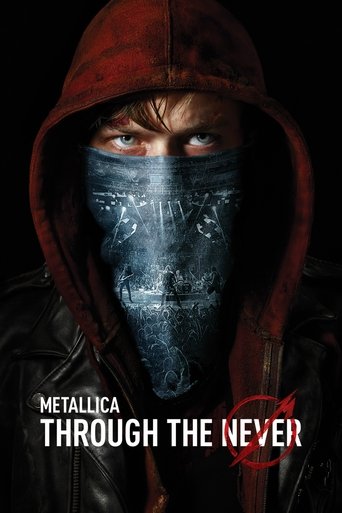
Trip, a young roadie for Metallica, is sent on an urgent mission during the band's show. But what seems like a simple assignment turns into a surreal adventure.
Viewers also picked
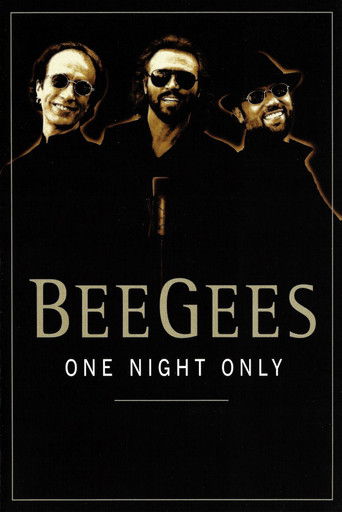
The brothers Gibb perform their greatest hits from the 60's, 70's, 80's and 90's including many songs written for and made hits by other artists but never recorded by the Bee Gees themselves.
Viewers also picked
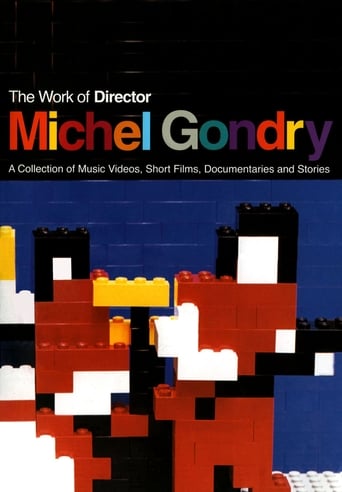
A look at the work of director Michel Gondry, through his music videos, short films, and commercials.
Viewers also picked
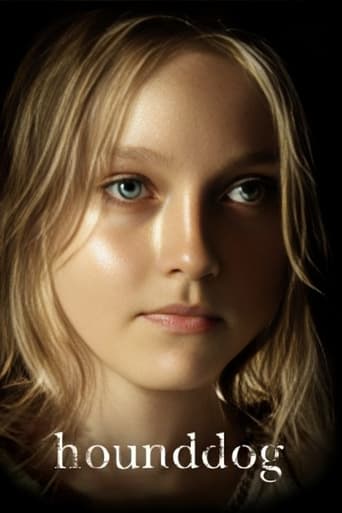
A drama set in the American South, where a precocious, troubled girl finds a safe haven in the music and movement of Elvis Presley.
Viewers also picked
Wagner's Ring of the Nibelungen is regarded as one of the most important milestones in the history of music. In the first part, the Rheingold, it begins with the chain of fateful entanglements that ultimately attracts the downfall of the race of the gods.
Shares a lead actor
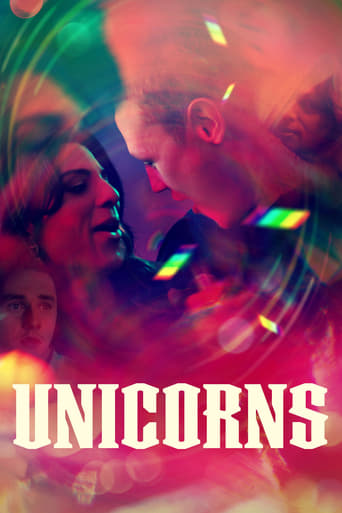
When hard-working single father Luke stumbles across an underground nightclub, he meets Aysha, a beautiful, seductive woman. Their first kiss yields fireworks — which are immediately followed by Luke’s sobering realization that Aysha is not the cisgender woman he thought, but a remarkably femme drag queen. Unable to deny the spark between them the pair are forced down the unexpected path of transformation, where they must question their identities and confront their individual truths.
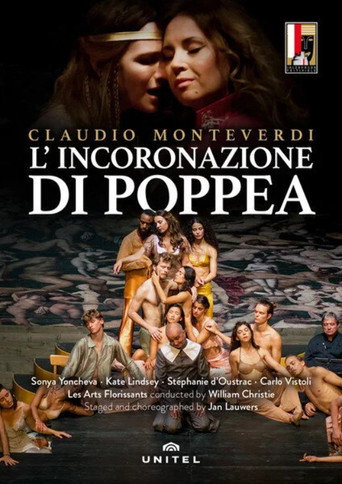
A ruthless dictator falls in love with a sexy woman. Together, they get rid of every obstacle in their way: his wife, her former lover, and also the voice of reason. Everything is sacrificed to passion, in this tale where evil triumphs, virtue and reason are humiliated, and nothing corresponds to our moral principles. Jan Lauwers, the director and choreographer, sets L'incoronazione di Poppea in a way congenial to his means: a visual artist, he translated the emotions expressed by Monteverdi’s music into dancing and visual images. The result was mixed; the general impression was one of many ideas, seemingly not fully developed or analysed. The stage was constantly cluttered with moving bodies, or tableau vivants, leaving a sense of confusion, and distracting from the music.
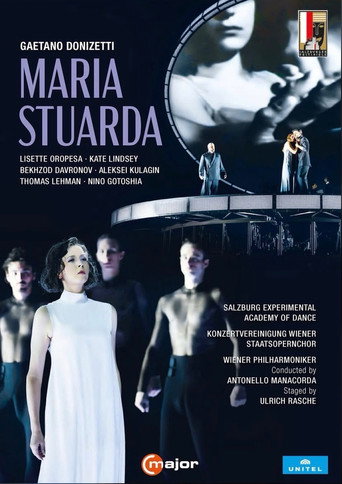
Mary Stuart, Queen of Scotland — her name will be linked in perpetuity with another name: Elizabeth I of England. Mary and Elizabeth: two queens, two adversaries, two women in the middle of the 16th century. Although ‘sisters and cousins’, they never actually encountered each other in the flesh — contrary to the fictional conceit.
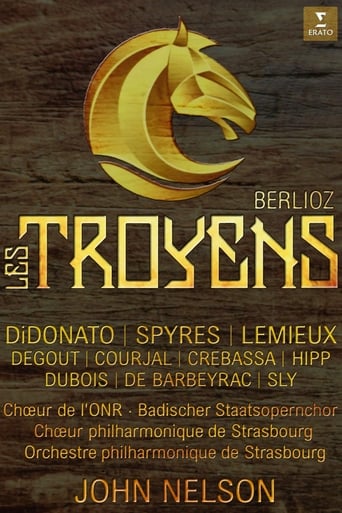
This release from Erato consists of highlights from the live concert of April 15, 2017 in the city of Strasbourg in eastern France. A magnificent cast of singers, predominantly Francophone, assembled under the baton of John Nelson, an acknowledged master of Berlioz’s music who has conducted Les Troyens more frequently than anyone else over a period of more than 40 years; he made his name with the piece when he led performances at New York’s Metropolitan Opera in 1974 and enjoyed great acclaim for a production at the Frankfurt Opera shortly before the Strasbourg concerts.
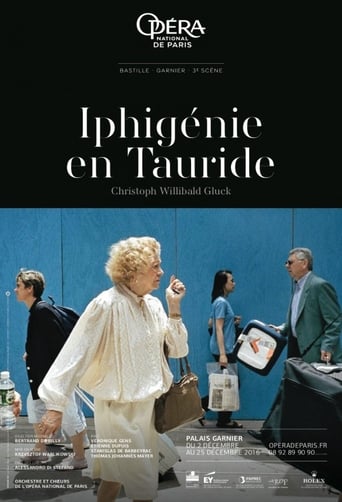
In order to fulfil the oracle’s prediction, Iphigénie must kill any stranger landing on the shores of Tauride. Alas, it is Oreste, Iphigénie’s own brother, who appears, having murdered their mother Clytemnestra in order to avenge the death of their father Agamemnon: such is the accursed lineage of the Atrides, condemned for generations to inflict death after death… Will this chain of hereditary bloodletting be perpetuated by Iphigénie? In Krzysztof Warlikowski’s stunning first production for the Paris Opera, the characters in the twilight of their existence are still haunted by their past.
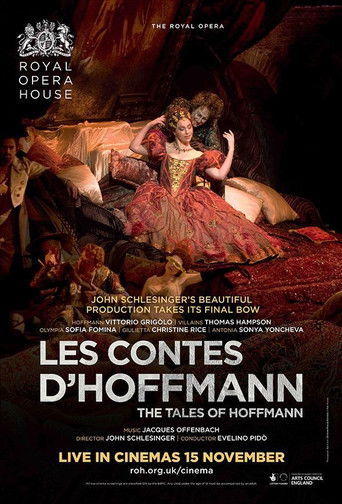
The great storyteller Hoffmann is losing himself to drink. His rival in love, Councillor Lindorf, claims that Hoffmann knows nothing of the heart, and so goads Hoffmann into telling the tales of his three great loves – each destroyed by a villain who bears an uncanny resemblance to Lindorf… First Hoffmann tells of his infatuation for the mechanical doll, Olympia – who is destroyed by the inventor Coppélius. Next comes the courtesan Giulietta, who throws over his adoration in favour of jewels from the magician Dappertutto. Finally, the gentle Antonia is forced to sing to her death by the wicked Doctor Miracle. His stories finished, Hoffmann rouses from his drunken stupor to find Lindorf has made off with Stella, Hoffmann’s latest love – but the Muse compels him to transform his heartache into art.

Captured live from Milan, Damiano Michieletto world premiere production of Francesco Filidei's new opera, based on Umberto Eco's medievel thriller.
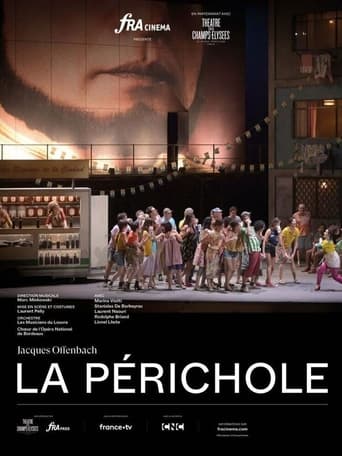
Opera in three acts by Jacques Offenbach filmed at the Théâtre des Champs-Elysées. At the origin of La Périchole, we find the story of the life of an actress and courtesan
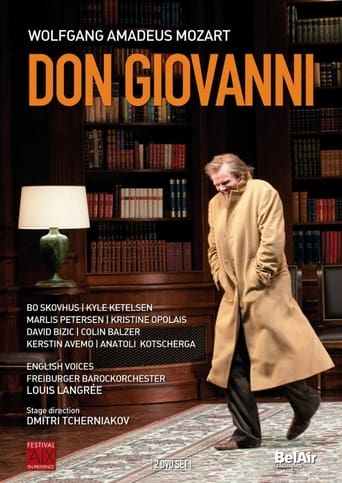
More than two centuries after its creation, the emotional pull of this supreme opera remains absolutely intact. Dmitri Tcherniakov duly revisits the myth and makes the seducer of Seville a ‘man without qualities’, a cipher whose words have a hypnotic power over women. His words will disrupt the proprieties ruling the Commandatore’s family. His words are also what makes Don Juan such a subversive figure and the embodiment of one of the most powerful modern European myths. Leading the Freiburg Baroque Orchestra is one of the best Mozart conductors, Louis Langrée. Bo Skovhus portrays a dispirited Don Giovanni, old playboy and anti-hero. Kyle Ketelsen is his servant Leporello, currently a shoe-in for this rôle. The superb female trio is composed of Marlis Petersen (Donna Anna), Kristine Opolais (Elvira) and Kerstin Avemo (Zerlina).
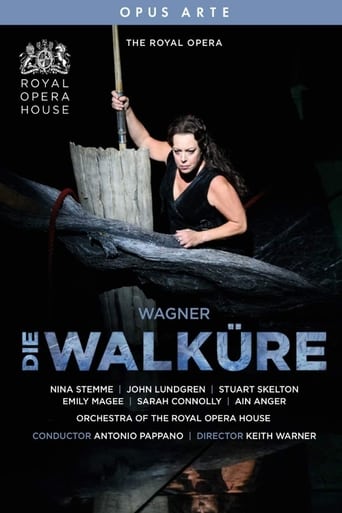
Antonio Pappano conducts a full performance of the second opera in Richard Wagner’s epic Der Ring des Nibelungen. During a storm, Sieglinde gives shelter to a wounded stranger. They find themselves drawn to each other. He is Siegmund, the twin from whom Sieglinde was separated in childhood. Unknown to them, their father is Wotan, the most powerful of the gods. Through Siegmund, Wotan hopes to retrieve a gold ring of ultimate power that he cannot take himself.