


FILM
This ethereal, three-hour biopic starring Helmut Käutner as the writer Karl May interprets «a German hero's life» and thereby paints a picture of an entire era.
This ethereal, three-hour biopic starring Helmut Käutner as the writer Karl May interprets «a German hero's life» and thereby paints a picture of an entire era.
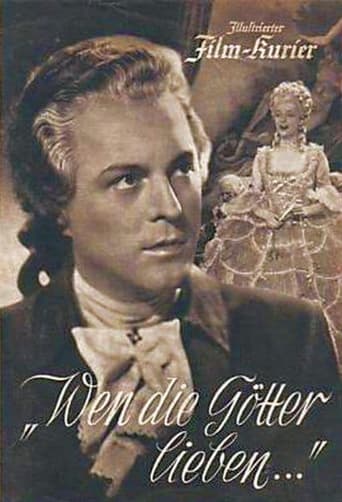
In the first of Hartl's two Mozart biographies, Hans Holt plays the robust and dashing composer who, in keeping with the spirit of the film's time of origin, sets out into the world like a soldier of art after his falling out with the Salzburg authorities. Instead of conquering lands, he conquers the hearts of young ladies, like one of his most famous creations.

Klaus is a young man in post-war Berlin. He is drawn to his friend Manfred and, under the encouragement of their acquaintance, Dr. Winkler, explore the underground world of gay clubs and electronic music. His family begins to learn of his other life and do everything they can to set him straight.
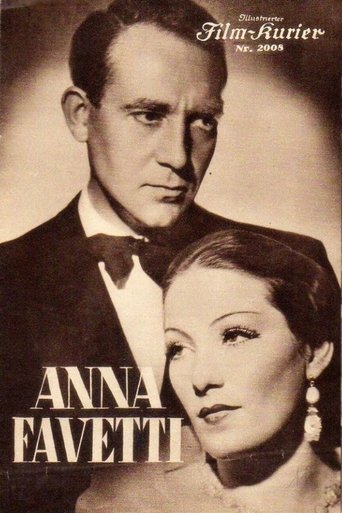
The daughter of a reclusive couple in the St. Moritz mountains tends to her brother, disabled from the Great War, though a handsome young architect who has just arrived waits for her attentions.


After her husband's death, Kate Zeller had to sell the farm and move with her four children from the countryside to Vienna. There she opened a small laundry and raised her children. When they grew up, they thought they no longer needed their mother. But it turns out that they still need her...

Illustrates both the powerlessness of the ordinary worker as well as an intimate portrait of the joys and sorrows of a small group of people in the harbor section of Hamburg.
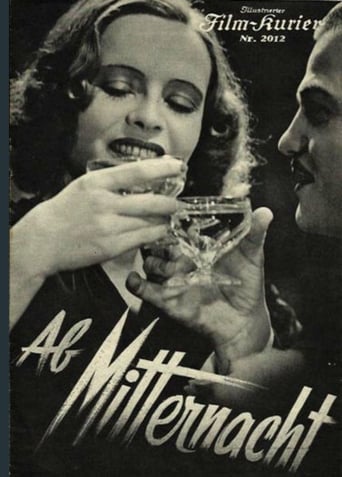
Helene performs in a Paris nightclub run by White Russian exiles. When her husband, an engineer she believed had died in the Russian Civil War, reappears she tries to assist him. However, this opens her to blackmail by her dancing partner Fedor.

On New Year's Eve 1900, Paul Holzgruber started a new praxis as a radiologist. The young Maximiliane Frey is his assistant and they have worked side by side for years helping people. Holzgruber repeatedly points out the dangers of radiation to Maximiliane, but is silent about the ulcers on his hand and the severe pain they have caused. Maximiliane has gotten to know the widower Axel von Bonin and has fallen in love with him. But then she is diagnosed with incurable cancer. To spare Axel the inevitable grief over her impending death, she leaves him and dedicates what is left her life to medicine.
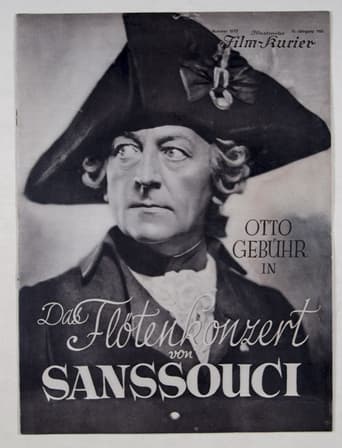
In 1756, a masked ball was officially celebrated in the Dresden Palais of the Saxon Minister Heinrich von Brühl. Unofficially, however, talks are taking place with the envoys of Austria, Russia and France with the aim of conspiring against the Prussian King Frederick II. The Prussian envoy, Major von Lindeneck, succeeded in bringing a copy of the concluded secret treaty to the Prussian king. Friedrich consults with his generals, who urge caution. Friedrich is stunned by the reaction and now develops a counter-plan. To do this, he sends von Lindeneck back to Dresden. However, the latter is not very enthusiastic about this, as he thinks he has reason to doubt his wife Blanche's marital fidelity, and he now has to leave her alone.

With a certain degree of audacity, Girardi from Graz manages to gain a foothold at the Strampfertheater, a well-attended traditional theater in Vienna. However, his engagement as a new comedian leads to fierce competition with the theater's established star, Felix Schweighofer. Girardi's plans to entertain the audience at a high level are ultimately crowned with success, even though he is long underrated. He is hired by the Theater an der Wien, where, during rehearsals for a new operetta, he even persuades the strict Johann Strauss to compose an additional waltz for him. Girardi distills his special brand of comedy from events beyond the stage, from his own experiences. Confidently, the actor rises to become a favorite with the audience, against all odds. All of Vienna is enthusiastic about Girardi, singing his songs and applauding his shows.
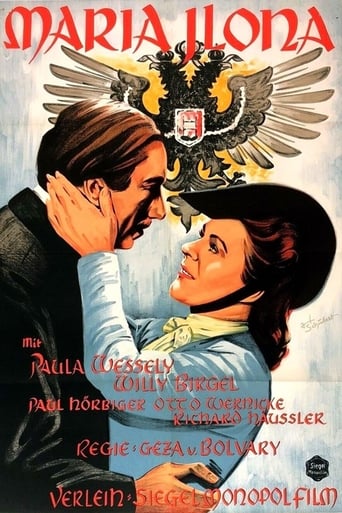
In 1848, the freedom-loving Hungarian people, led by Ludwig Kossuth, rose up against the hated rule of the Austrian Habsburg dynasty. In its expansionist policy, the Austrian monarchy had long relied on Hungarian feudal lords who betrayed the interests of their people. The anger of the rebels was directed against the Austrian oppressors and their Hungarian supporters. Against the backdrop of these historical events, the personal fate of the Hungarian patriot Maria Ilona is shown.

The love of a young Austrian aristocrat to a circus rider is put on a heavy load test when becomes obvious that the former officer has killed the brother of the young woman, a traitor of the country, in the duel.
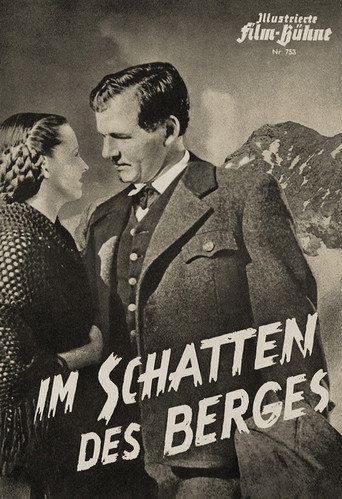
In a village near a deadly mountain ascent the people repeatedly have to help climbers in danger who didn't make it to the top, in fact nobody made it yet up there. Hansi Knoteck can't stand anymore the danger after a member of the rescue party dies and demands from Attila Hörbiger that he steps back from participating in his rescue efforts. Finally he relents but the villagers ostracize them. In the meantime Winnie Markus tries to seduce Richard Häußler who makes the life for his wife Viktoria von Ballasko a hell through his infidelities.
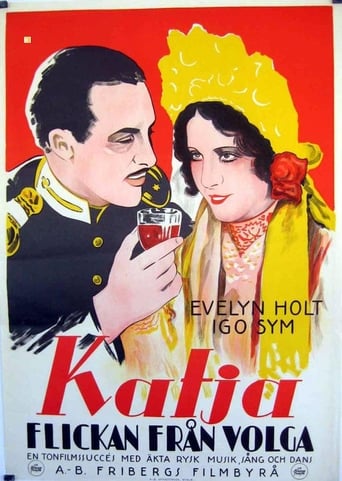
A love story between a simple peasant girl (Holt) and a dashing young officer (Sym), who however doesn't see more in her than a temporary affair.
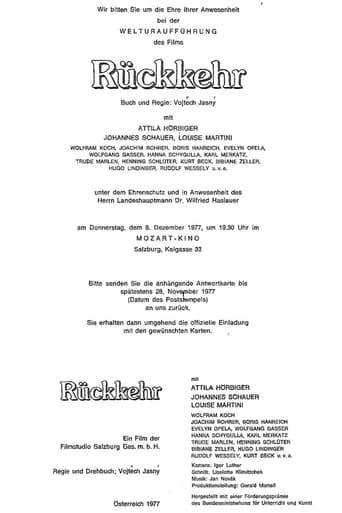
Rückkehr (Return) consists of two short films inspired by the director's youth: "Die Rückkehr des alten Herrn" (The return of the old lord) is a nostalgic dive into the memories of an old man who entrusts his grandson with stories of his youth. "Mein seliger Onkel" (My blessed uncle) then tells the story of the boy and his adventurous uncle. Both stories take place in a picturesque small town.

Johann Strauss firmly established himself as the leader of a dance orchestra in Vienna in the 1840s. His sons Johann junior and Josef have clearly inherited their father's talent. Nevertheless, father Johann is strictly opposed to both of them training as composers.

Silo is a bum; but he's a bum whose beloved by all and one day, he is found wounded on the banks of the Theiss. Fishermen take him back to the village and Maria, Alexander Renka's young wife, cares for him until he gets better. Silo's wound heals, but he decides to stick with the fishermen to find out who the intended target for the stabbing knife really was (for who would stab a beloved bum?). Maria's husband is acting really strange. He is away from home often and can be found very often near the hut of the gypsy Panna, who can allegedly bewitch any man she pleases. Maria is convinced from her womanly intuition -- never mind asking -- that her husband is doing the dirty with the gypsy and decides to abandon him and the town she lives in. With her brother, she returns to her homeland, the steppe. That same morning, Alexander Renka is found dead on the riverbank and he's been stabbed, too.

In the Republic of Utopia, because of the bad economic crisis ailing the nation, the Jews are made the scapegoats for the economic and social ills affecting the population; therefore, the government decides to expel them. Leo Strakosch is among the exiled. He is engaged to Counsellor's Linder's daughter. He gets into the Republic, in a clandestine way, to show to the society the wrongness of their anti-semitic prejudice. Bettauer's novel differs essentially from the film version. "Vienna" was named "Utopia." Even a happy ending was provided.

The story of a famous chamber singer, who finds in life every humiliation and intrigue he sings about on stage.
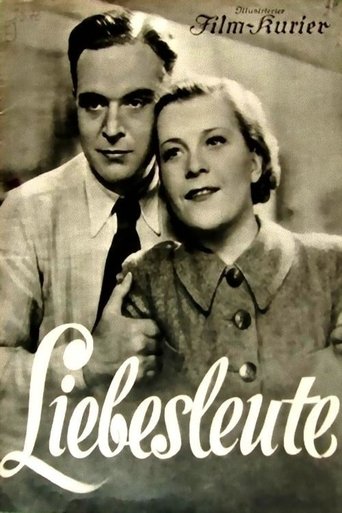
Baron von Goret is an impoverished landowner, whose estate is about to go into receivership. And so, for that reason, he wishes to marry off his son Hermann with his well-off girlfriend Helga. But Hermann is in love with the farmer’s daughter Dorothea. He leaves his father’s estate with her and makes his way to Berlin to make a name for himself. He’s not successful in this and, so as not to stand in his way, Dorothea leaves him. Hermann’s aunt brings him back to his father’s estate, where, depressed over losing Dorothea, works tirelessly to clear the estate of all its debts.
In 1848, the freedom-loving Hungarian people, led by Ludwig Kossuth, rose up against the hated rule of the Austrian Habsburg dynasty. In its expansionist policy, the Austrian monarchy had long relied on Hungarian feudal lords who betrayed the interests of their people. The anger of the rebels was directed against the Austrian oppressors and their Hungarian supporters. Against the backdrop of these historical events, the personal fate of the Hungarian patriot Maria Ilona is shown.
Shares a lead actor · Same director
Shares 3 cast members

Evangelist Carlton Pearson is ostracized by his church for preaching that there is no Hell.
Viewers also picked
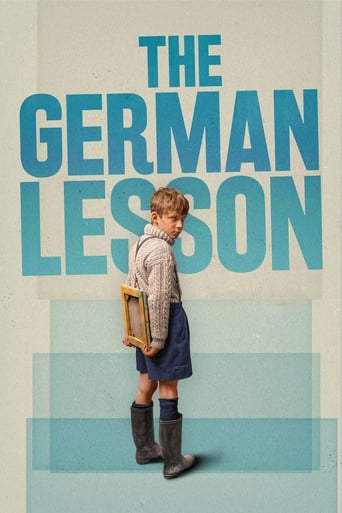
In a small North German village a drama played out during and shortly after the Second World War about duty versus individual conscience and morality.
Viewers also picked
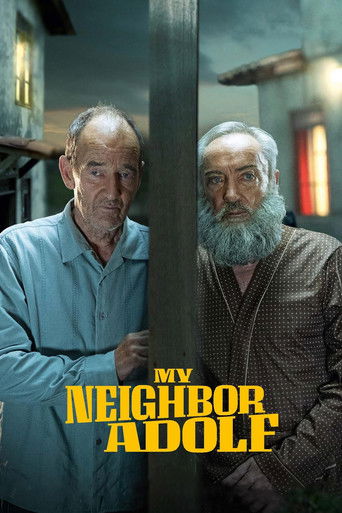
South America, 1960. A lonely and grumpy Holocaust survivor convinces himself that his new neighbor is none other than Adolf Hitler. Not being taken seriously, he starts an independent investigation to prove his claim, but when the evidence still appears to be inconclusive, Polsky is forced to engage in a relationship with the enemy in order to obtain irrefutable proof.
Viewers also picked

The relationship of a couple who meet by chance in New York City is put to the test when they encounter a life or death circumstance.
Viewers also picked
On New Year's Eve 1900, Paul Holzgruber started a new praxis as a radiologist. The young Maximiliane Frey is his assistant and they have worked side by side for years helping people. Holzgruber repeatedly points out the dangers of radiation to Maximiliane, but is silent about the ulcers on his hand and the severe pain they have caused. Maximiliane has gotten to know the widower Axel von Bonin and has fallen in love with him. But then she is diagnosed with incurable cancer. To spare Axel the inevitable grief over her impending death, she leaves him and dedicates what is left her life to medicine.
Shares 2 cast members
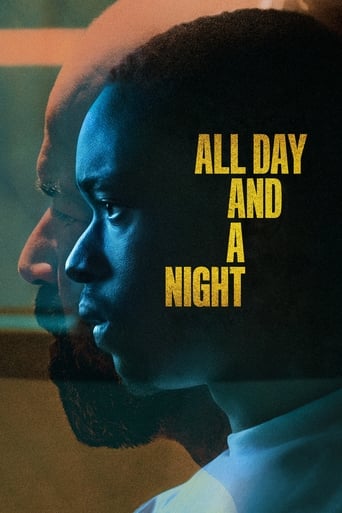
While serving life in prison, a young man looks back at the people, the circumstances and the system that set him on the path toward his crime.
Viewers also picked

A pair of twin brothers from East L.A. choose to live their lives differently and end up on opposite sides of the law.
Viewers also picked
In New York City, a young girl is caught in the middle of her parents' bitter custody battle.
Viewers also picked

Vickie, short for Victoria, is crowned Queen of England and as such needs to learn the responsibilities of her new post.

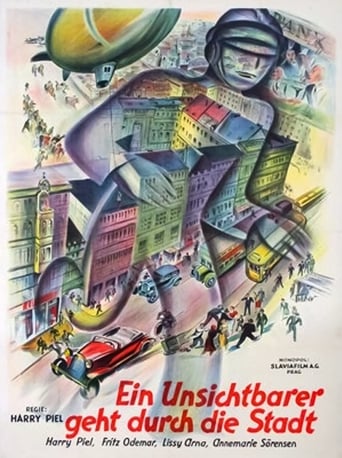
A taxi driver, (Piel), finds an odd contraption on the back seat that renders him invisible, but his friend steals the device to rob a bank. An inventive comedy.
In this romance, a banker's daughter suddenly breaks off her engagement on her wedding day. She then meets a man who believes in easy money. He sees her as his meal ticket and the two take off together.

The film is set during the Italian Renaissance in the 14th century. Petruccio lives in Ferrara with his wife, Fiametta. Initially, he works as a scribe at the city court. Under the pseudonym Giovanni Boccaccio, he writes amorous tales that divide opinion within the city. While the women read the texts with delight, the men are outraged by their moral licentiousness.
The engineer MacAllan designs a tunnel, which will join America and Europe together on the seabed. A group of American billionaires are financing the gigantic project, but the construction of the tunnel is proving to be as tedious as it is dangerous. MacAllan's worst enemy is the speculator Woolf, who had embezzled the money for the construction and who is attempting to cover up his crime by carrying out acts of sabotage. Also filmed in 1933 in a French-language version, LE TUNNEL, and remade in 1935 in England as TRANSATLATIC TUNNEL.
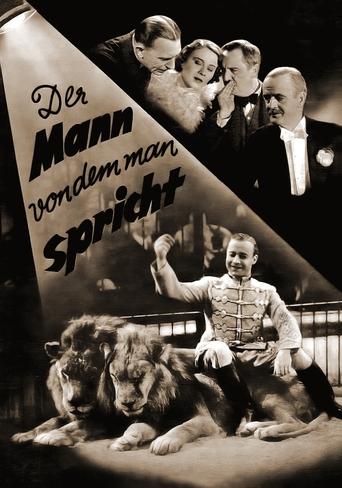
The Man Who is Talked About is the overly agreeable Toni Mathis (Heinz Ruhmann), a gent constitutionally incapable of saying the word "no" (or "nein," this being a German picture). Though he'd rather breeze through life without responsibilities or obligations, Toni agrees to study zoology in college because his uncle (Hans Moser) wants him to. Alas, despite the Herculean efforts by Toni's servant Hassler (Theo Lingen) to prepare his master for his final exams, Toni forgets to show up for the finals and is expelled post-haste. In desperation, his uncle arranges for Toni to get married, and once again our hero just can't say no. Trouble is, he falls in love with trapeze artist Bianca (Gusti Huber), whose father won't let her marry anyone except another entertainer. Undaunted, Toni studies a book on show business and tries out for the vaudeville stage, and the picture isn't even halfway over yet!

The fairy Lacrimosa's daughter lives with a forest farmer. If she marries a poor man, her mother will regain her magical powers. «Envy» wants to prevent this and turns the forest farmer into a hard-hearted millionaire.

Lisbon, the capital of Neutral Portugal, is a hotbed of spies. Mario, a cabaret singer working for the Allies is responsible for the death of an Italian agent. His widow Irène heads to Portugal and in her desire for revenge she agrees to work for the Nazis.
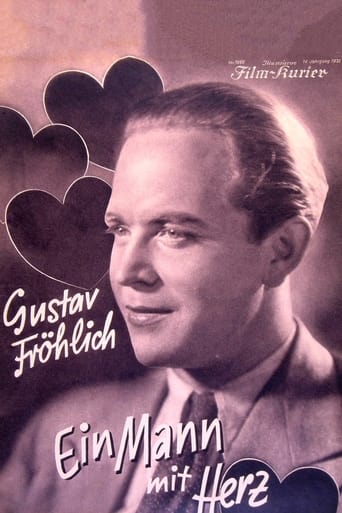
A story about a series of confusions, in which Paul Ritter, a bank employee, is unaware that the girl he's fallen in love with is the daughter of his boss. No one bothers to tell him and he gets jealous of the boss, who seems to have a very good relationship with the girl.