8.0
FILM
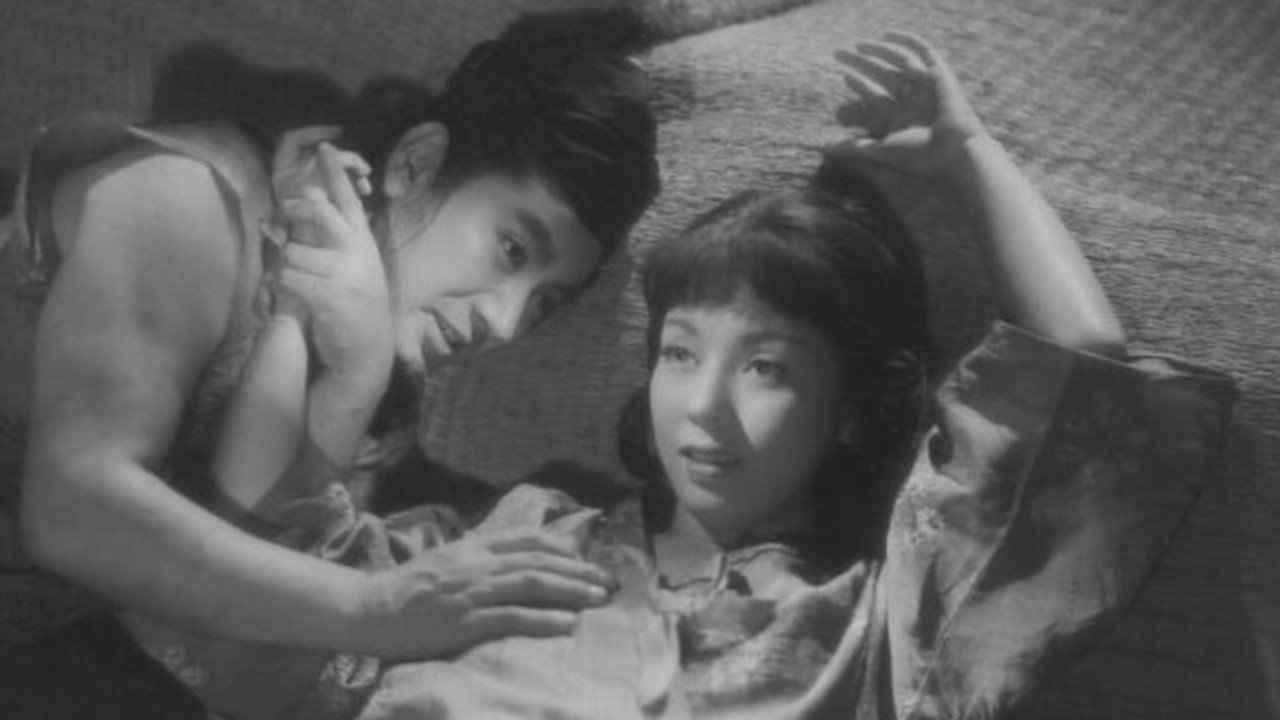
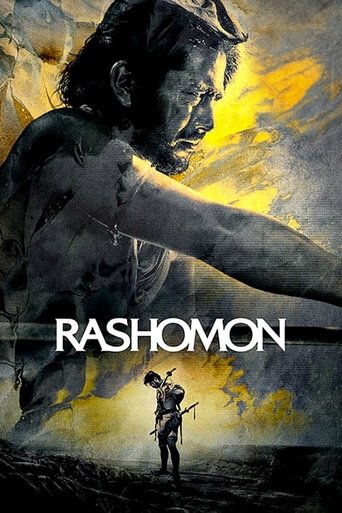
Four people recount different versions of the story of a man's murder and the rape of his wife.
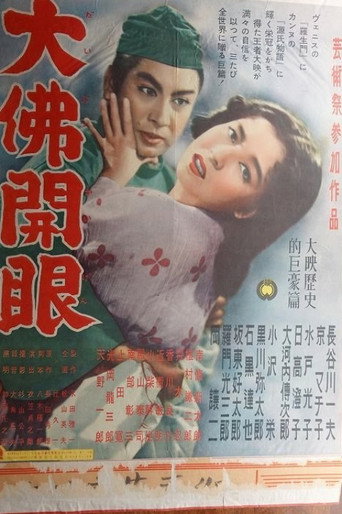
The film depicts how the work to build the Great Buddha overcame a number of obstacles as proponents and opponents clashed over the construction of the Buddha. This work is based on a play by Hideo Osada, which was performed by the Shin Kyodo Theater Company in 1940.
Four people recount different versions of the story of a man's murder and the rape of his wife.
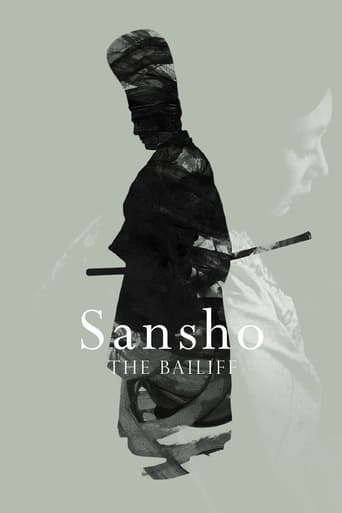
In 11th-century feudal Japan, following the exile of an idealistic governor, his wife and children are separated by slave traders; the children, Zushio and Anju, are sold into brutal servitude under the cruel bailiff Sansho.
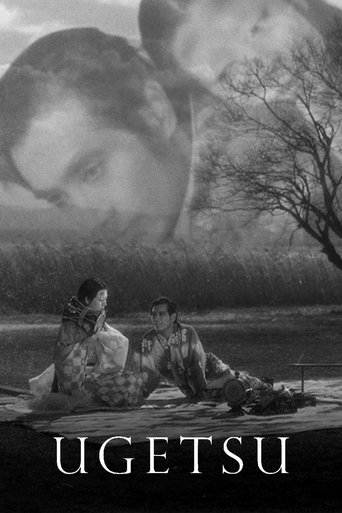
In 16th century Japan, peasants Genjuro and Tobei sell their earthenware pots to a group of soldiers in a nearby village, in defiance of a local sage's warning against seeking to profit from warfare. Genjuro's pursuit of both riches and the mysterious Lady Wakasa, as well as Tobei's desire to become a samurai, run the risk of destroying both themselves and their wives, Miyagi and Ohama.
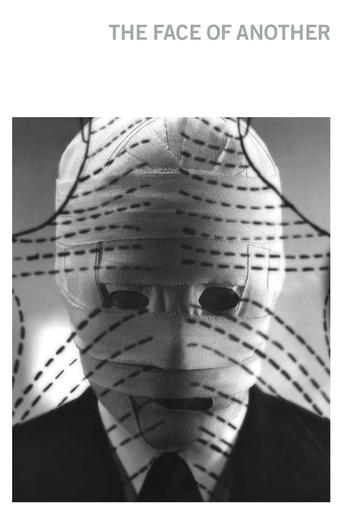
A businessman with a disfigured face obtains a lifelike mask from his new doctor, but the mask starts altering his personality and causing him to question his identity.
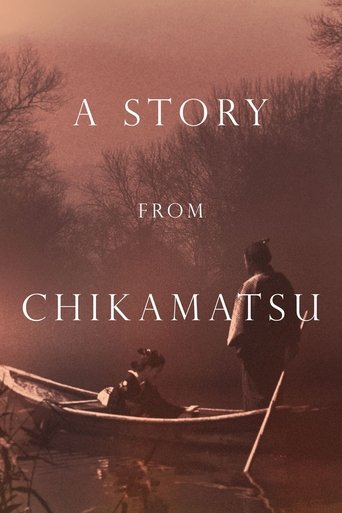
When the wife of a 17th-century Kyoto scrollmaker is falsely accused of having an affair with his best employee, the pair flee the city and find themselves truly falling for one another.
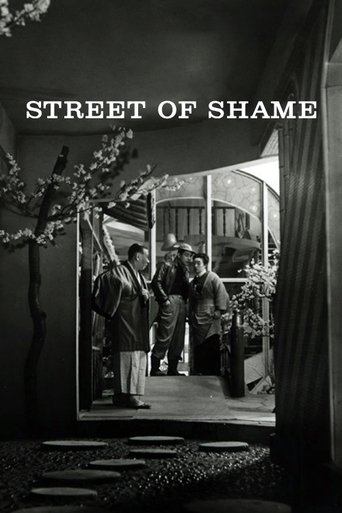
Follows five prostitutes employed at a Japanese brothel while the nation debates the passage of an anti-prostitution law.
A theater troupe master's visit with his old flame unintentionally sets off a chain of unexpected events with devastating consequences.
Japan, 1159. Moritō, a brave samurai, performs a heroic act by rescuing the lovely Kesa during a violent uprising. Moritō falls in love with her, but becomes distraught when he finds out that she is married.
A middle-aged husband of a younger woman finds her youth intimidating to the point that he cannot become aroused. His solution involves the introduction of his daughter's lover to his wife.
Successful and married with children, paper-mill owner Jihei knows better than to contradict the strict social and moral codes of 18th-century Japan. But when he meets the lovely courtesan Koharu, he becomes a man obsessed. Koharu returns his love, even foregoing other customers while Jihei schemes to somehow buy her freedom. His efforts yield ruinous consequences for his business and his family life, and Koharu is meanwhile purchased by another client.

Japan, 1137. The Taira family, a samurai clan, becomes involved in the disputes between Emperor Toba and the monks of Mount Hiei.
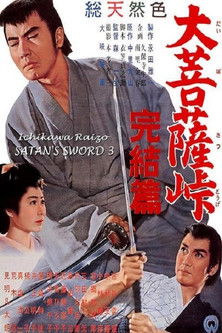
Disguised as a beggar monk, Ryunosuke is harassed along the road by the rowdy members of a country dojo or fencing school malingering outside their fencing hall. The third film in the Satan's Sword trilogy.

In 8th-century China, the Emperor grieves the death of his wife. The Yang family wants to provide the Emperor with a consort so that they may consolidate their court influence. General An Lushan finds a distant relative working in their kitchen, whom they groom to present to the Emperor. The Emperor falls in love and she becomes the Princess Yang Kwei-fei. The Yangs are then appointed important ministers, though An Lushan is not given the court position he covets.

Just after WW2, a romance between an innkeeper and a man with tuberculosis unravels near a thermal spring.
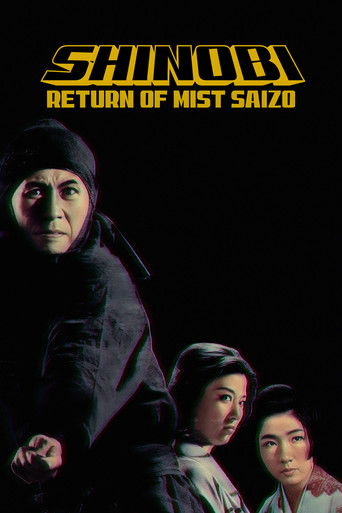
[Period covered: 1616] On May 8th, 1615 the summer campaign of Osaka has reached the climax. This film takes place immediately following 'Ninja 4: Mist Saizo, Last of The Ninja'. Staying one step ahead of the Shogun’s forces, “Mist” Saizo tries to save the Sanada Clan, and avenge the death of his lord by assassinating the first Tokugawa Shogun. Following the first four films in this remarkable series, more previously unknown Ninja skills are shown to the world for the first time. The action heats up as Saizo single-handedly attacks the Shogun’s Palace!
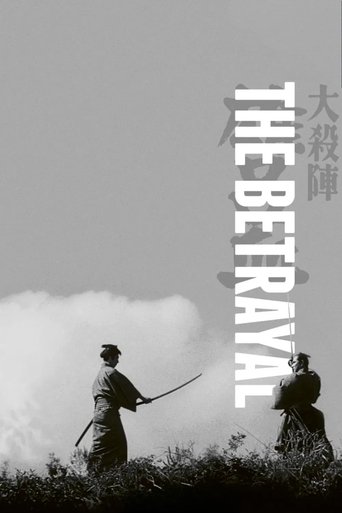
A naively honorable samurai comes to the bitter realization that his devotion to moral samurai principles makes him an oddity among his peers, and a very vulnerable oddity in consequence. He takes the blame for the misdeeds of others, with the understanding that he will be exiled for one year and restored to the clan's good graces after the political situation dies down. As betrayal begins to heap upon betrayal, he realizes he'll have to live out his life as a ronin, if not hunted down and killed.
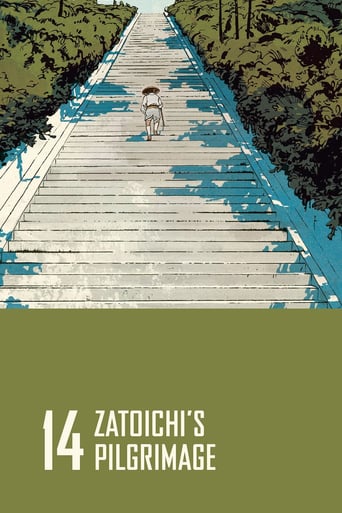
Zatoichi's trek through 88 temples to atone for his violent past is interrupted as he stumbles into a village terrorized by a violent yakuza boss.

A court fortune-teller loses his mind after a conspiracy leads to the death of his lover. Hope appears to be on the horizon after he becomes romantically involved with his dead lover's twin sister, but more complications arise thanks to a chance encounter with a clan of shape-shifters.
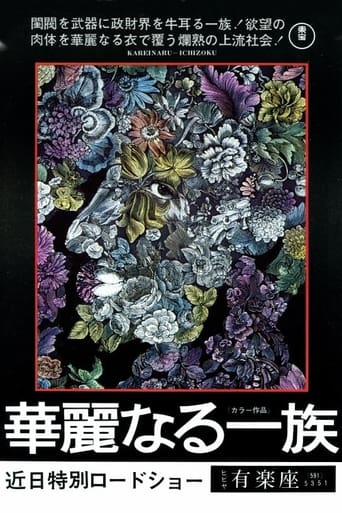
Set in the post-World War II climate of the 1960s in Kobe, the movie explores the struggle for power within the powerful Manpyo family.
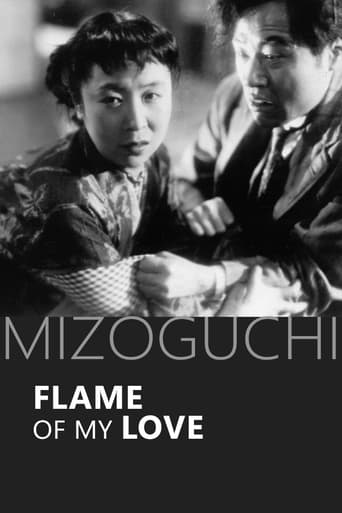
In 1880s Japan, women's struggle for equality rages on. Eiko Hirayama leaves Okayama for Tokyo, where she helps the fledgling Liberal Party and falls in love with its leader Kentaro Omoi, just as the party is being disbanded by the government.
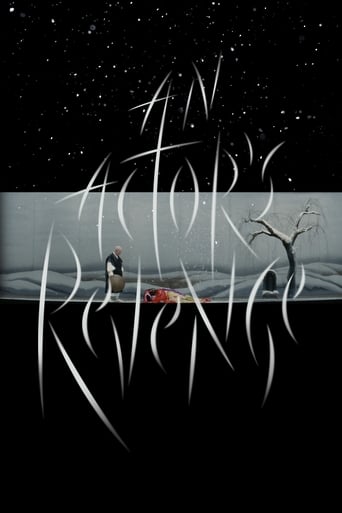
In Edo Japan, a kabuki actor seeks revenge against the three men who drove his parents to their deaths years ago.
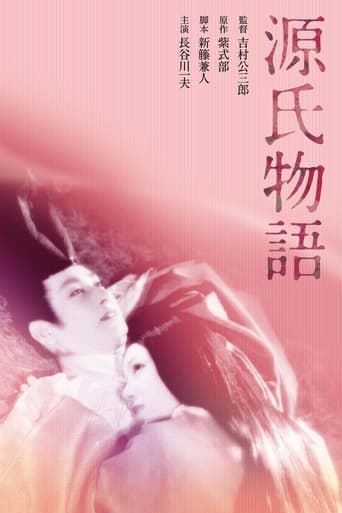
Genji, the illegitimate offspring of a Japanese potentate, goes by the philosophy of "love 'em and leave 'em" as a matter of course. Only when his heart is broken by Awaji does Genji realizes how much pain he himself has caused.
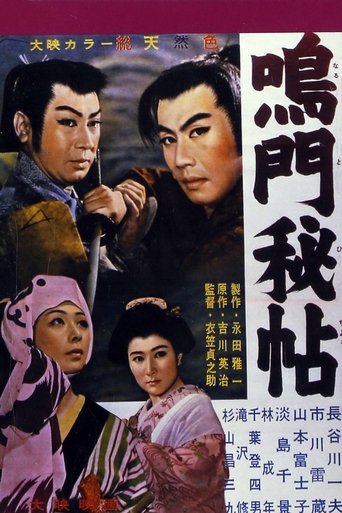
From the pen of Yoshikawa Eiji comes this exciting story. The Naruto Strait separates Tokushima from the islands of Awaji and Honshu. On Tokushima the mad lord dreams of conquest and forges a bloody revolt against the Tokugawa shogunate. A mysterious swordsman named Noriyuki Gennojo has crossed Naruto’s waters to uncover the Awa clan’s secrets. He puts his life on the line after finding a testament of Awa’s secrets, written in blood by a dying man. Joining Noriyuki are a female ninja who loves him, and the beautiful daughter of an enemy who’s sworn to kill him. Awa’s defenders willl stop at nothing to prevent the blood-soaked letter from reaching the shogun.
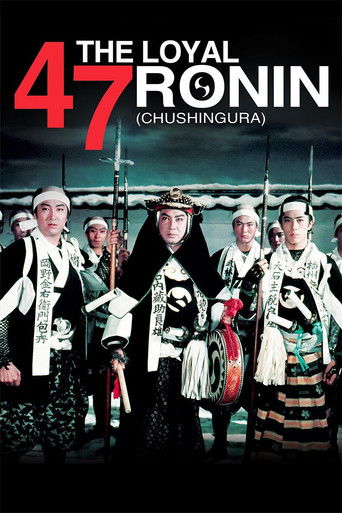
Japan, 1701. A group of samurai become rônin after their lord is forced to commit seppuku for assaulting a court official, who will become the target of a merciless revenge.
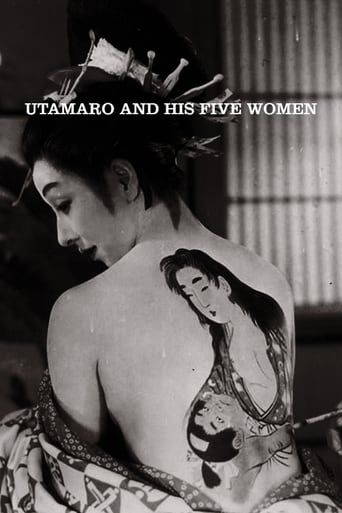
Utamaro, a great artist, lives to create portraits of beautiful women, and the Tokyo brothels provide his models. A world of passion swirls around him, as the women vie for lovers, and, occasionally, his art gets him into trouble.
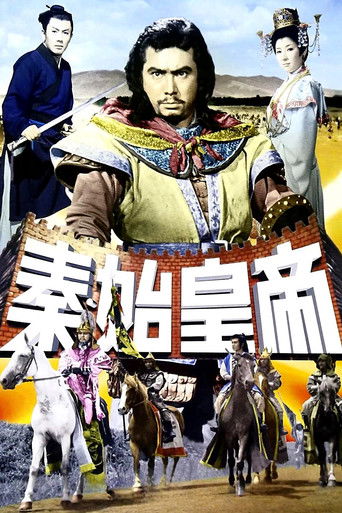
In 221 BC, Qin Shihuangdi conquered the rest of China. Qin's great accomplishments and also his serious faults are showed in this film. Qin adopted autocratic dictatorship and led a luxurious life: abolition of feudalism and the centralization of power in the form of a now-hereditary bureaucracy loyal to himself; burning books and burying scholars; the construction of a sumptuous palace for his concubines and also the Great Wall.
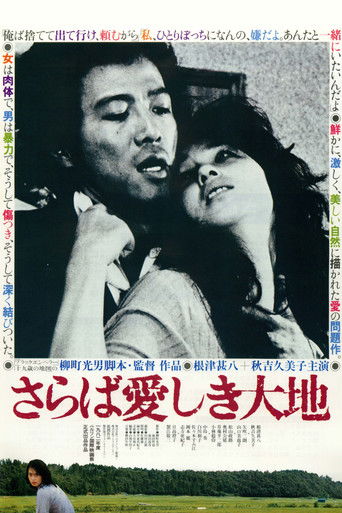
Yukio is an ex-farmer working as a dump-truck driver in Kashima. Haunted by the drowning of his two young sons, whose names he has had tattooed on his back in penance, and locked in a sibling rivalry with his traditional but urbane younger brother who lives in Tokyo, Yukio has become an amphetamine-addicted loner at odds with his family, friends and colleagues.
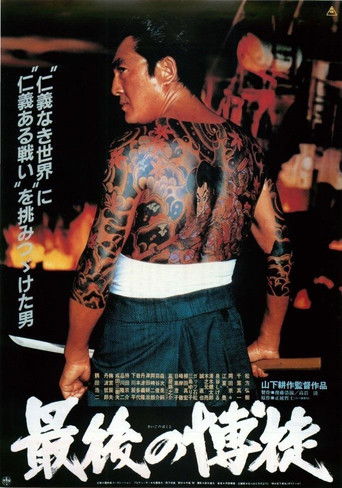
A made man during the height of Hiroshima's yakuza turf war must maneuver through the violence and betrayal inside the criminal underworld.

A kindhearted wandering gambler named Hajiro gets involved in a crisis of a village as he passes through and decides to lend a sword in hopes to rescue them.

Orphaned Kiku was raised at a Buddhist temple and learned theatrical arts and martial arts as a child, which were used to put on stage productions to raise money for the temple, but also to display young lads who were essentially for sale to the highest bidder. When Kiku gets fed up with how the temple uses the orphans and wants to leave he gets accused of a double murder and has to flee for his life and liberty.
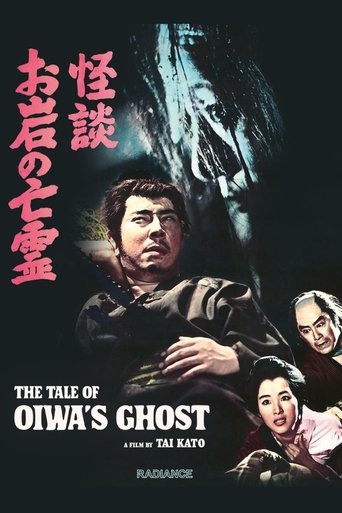
A samurai plots to reclaim his estranged wife after she leaves him over a murder scandal. When her sister falls victim to a scheme, he and his friend manipulate events, but their plans lead to supernatural vengeance.
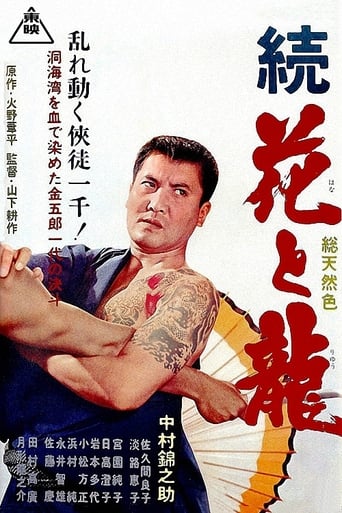
The sequel of "Flower and Dragon". Kingoro Tamai founded a family in the port of Wakamatsu. He unites people with his courage, and revolts against the entrepreneur Oki Nakashi, who is teeming with vices. Kingoro and his family are also forced to fight against the Ezaki-Gumi group, which is opposed by Tomoda Kizo, who is trying to control the port of Wakamatsu.
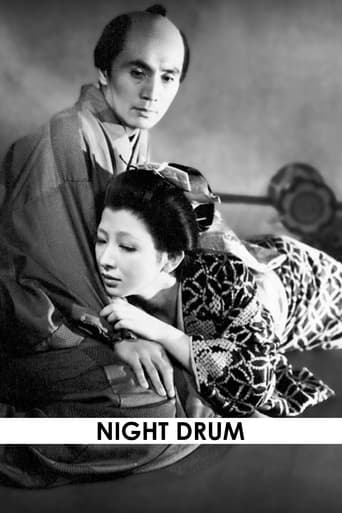
Following a yearlong attendance upon his shogun in Edo, samurai Hikokuro makes a long-awaited return to his home and doting wife, Dane. Initially greeted by the effusive welcome of his family, spiteful whispers also reach his ear about an adulterous affair carried on, in his long absence, between his wife and a famous drummer. With Hikokuro’s honor imperiled by rumor, his family insists on a formal investigation into the veracity of the gossip. Through the combined testimony of many witnesses, a tale unwinds around the visits of a traveling musician hired to tutor the family heir, the spurned attentions of the man who started the rumor, and the ultimate truth behind the accusations. The conclusion of events prove as much an indictment of bushidō as it is of the reluctant parties involved. Adapted from a 1706 play by Chikamatsu Monzaemon and based on a true case.
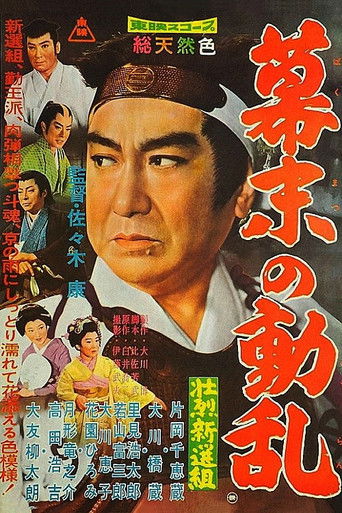
The stormy tale of the Shinsengumi is told from its birth by master filmmaker Sasaki Yasushi, with an all-star cast based on the original story by Shirai Kyoji. The battles between the royalists and Shogunate supporters come to a fever pitch during the Gion Festival as the exclusionists plot to burn Kyoto and kidnap the Emperor. From its earliest beginnings as a group of ronin brought from Edo to protect the Shogun when he is in Kyoto to see His Imperial Highness, the group had to face difficulties both from within and without. Commander Serizawa Kamo's corrupt practices threaten the group's very existence, as they try to recover from the bad reputation he left them with. Their redemption comes when they learn of Katsura Kogoro plans to gather men at Kyoto's Ikedaya Inn for his attack on the city. Along with Hijikata Toshizo and Okita Soji, Kondo leads the group in an attempt to save Japan from the rebels.
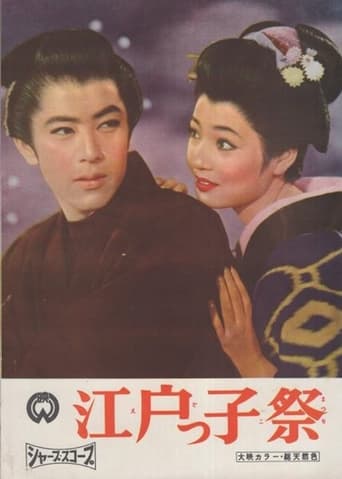
During the reign of Hidetada, the second shogun of the Tokugawa dynasty, the advisor Okubo Hikozaemon (Ganjiro Nakamura) entrusts the young Takechiyo (Hiroshi Kawaguchi) to the fishmonger Isshin Tasuke (Kazuo Hasegawa) to help him understand the world. Tasuke, who does not know that Takechiyo is the shogun's heir, trains him harshly. Tasuke's wife Naka (Michiko Ai) is concerned about his harsh teaching style, but Takechiyo gains strength day by day and adapts to his new life. Soon, Takechiyo begins secretly talking about love with a city girl named Otoyo (Hitomi Nozoe), but...
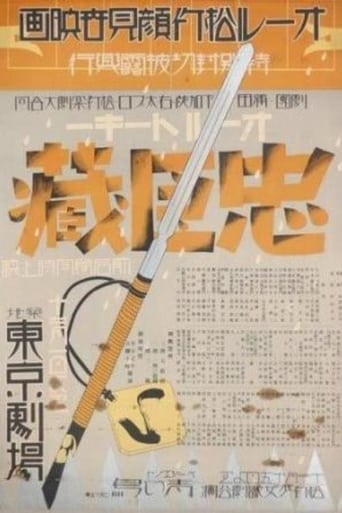
This 1932 adaptation is the earliest sound version of the ever-popular and much-filmed Chushingura story of the loyal 47 retainers who avenged their feudal lord after he was obliged to commit hara-kiri due to the machinations of a villainous courtier. As the first sound version of the classic narrative, the film was something of an event, and employed a stellar cast, who give a roster of memorable performances. Director Teinosuke Kinugasa was primarily a specialist in jidai-geki (period films), such as the internationally celebrated Gate of Hell (Jigokumon, 1953), and although he is now most famous as the maker of the avant-garde silent films A Page of Madness (Kurutta ichipeji, 1926) and Crossroads (Jujiro, 1928), Chushingura is in fact more typical of his output than those experimental works. The film ranked third in that year’s Kinema Junpo critics’ poll, and Joseph Anderson and Donald Richie noted that 'not only the sound but the quick cutting was admired by many critics.
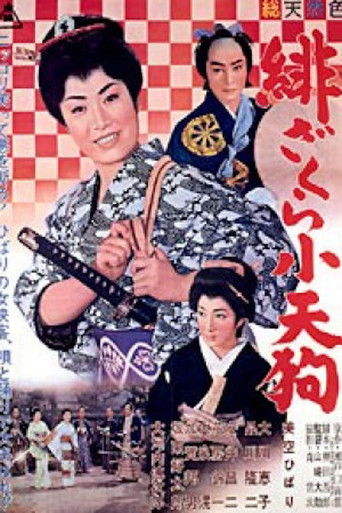
A story about a tomboy, Otoshi, who is good at singing, dancing and fencing.
Japan, 1159. Moritō, a brave samurai, performs a heroic act by rescuing the lovely Kesa during a violent uprising. Moritō falls in love with her, but becomes distraught when he finds out that she is married.
Shares 4 cast members · Same director
In Edo Japan, a kabuki actor seeks revenge against the three men who drove his parents to their deaths years ago.
Shares a lead actor · Same director
From the pen of Yoshikawa Eiji comes this exciting story. The Naruto Strait separates Tokushima from the islands of Awaji and Honshu. On Tokushima the mad lord dreams of conquest and forges a bloody revolt against the Tokugawa shogunate. A mysterious swordsman named Noriyuki Gennojo has crossed Naruto’s waters to uncover the Awa clan’s secrets. He puts his life on the line after finding a testament of Awa’s secrets, written in blood by a dying man. Joining Noriyuki are a female ninja who loves him, and the beautiful daughter of an enemy who’s sworn to kill him. Awa’s defenders willl stop at nothing to prevent the blood-soaked letter from reaching the shogun.
Shares 2 cast members · Same director
Disguised as a beggar monk, Ryunosuke is harassed along the road by the rowdy members of a country dojo or fencing school malingering outside their fencing hall. The third film in the Satan's Sword trilogy.
Shares a lead actor · Same director
This 1932 adaptation is the earliest sound version of the ever-popular and much-filmed Chushingura story of the loyal 47 retainers who avenged their feudal lord after he was obliged to commit hara-kiri due to the machinations of a villainous courtier. As the first sound version of the classic narrative, the film was something of an event, and employed a stellar cast, who give a roster of memorable performances. Director Teinosuke Kinugasa was primarily a specialist in jidai-geki (period films), such as the internationally celebrated Gate of Hell (Jigokumon, 1953), and although he is now most famous as the maker of the avant-garde silent films A Page of Madness (Kurutta ichipeji, 1926) and Crossroads (Jujiro, 1928), Chushingura is in fact more typical of his output than those experimental works. The film ranked third in that year’s Kinema Junpo critics’ poll, and Joseph Anderson and Donald Richie noted that 'not only the sound but the quick cutting was admired by many critics.
Shares 2 cast members · Same director
Genji, the illegitimate offspring of a Japanese potentate, goes by the philosophy of "love 'em and leave 'em" as a matter of course. Only when his heart is broken by Awaji does Genji realizes how much pain he himself has caused.
Shares 3 cast members
In 11th-century feudal Japan, following the exile of an idealistic governor, his wife and children are separated by slave traders; the children, Zushio and Anju, are sold into brutal servitude under the cruel bailiff Sansho.
Shares a lead actor
When the wife of a 17th-century Kyoto scrollmaker is falsely accused of having an affair with his best employee, the pair flee the city and find themselves truly falling for one another.
Shares 2 cast members
Follows five prostitutes employed at a Japanese brothel while the nation debates the passage of an anti-prostitution law.
Shares a lead actor
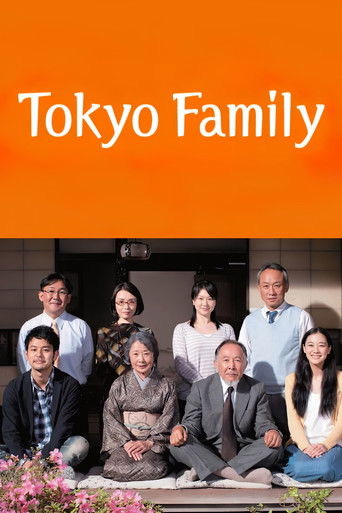
An elderly couple journey to Tokyo to visit their grown children, only to find them preoccupied and self-involved.
Viewers also picked
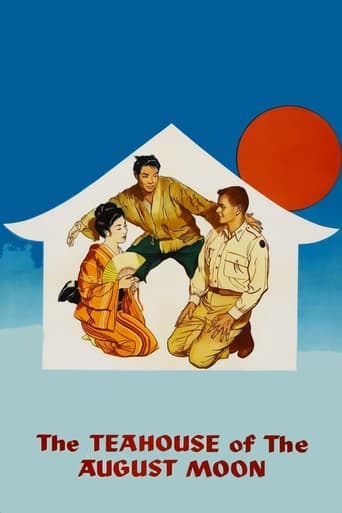
In post-WWII Japan, an American captain is brought in to help build a school, but the locals want a teahouse instead.
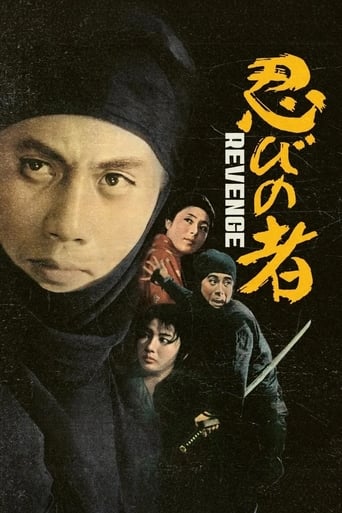
[Period covered: 1582-1594]. As the film opens, the warlod Nobunaga Oda rides to Iga Ayanokuni shrine. He is asked if he thinks he has destroyed all the ninja who opposed him and answers that he suspects that there may be more. A servant brings water and tests it first. The paige dies and we hear gunshots as two ninja flee the scene. His suspicions confirmed, Nobunaga oversees the execution of captured ninja and decides that, in the future, he needs a much crueler method of execution. The daimyo Hideyoshi comes to visit.
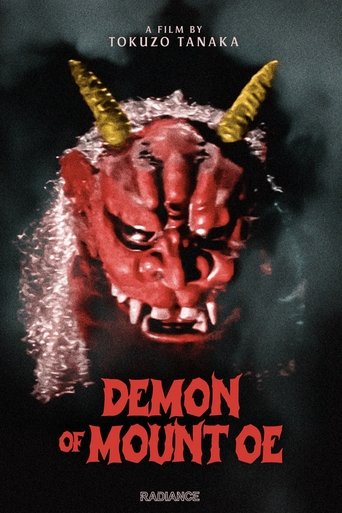
A band of warriors journeys to Mount Oe to rescue abducted women from a demon, overcoming supernatural threats like a giant spider and a diabolical witch along the way.
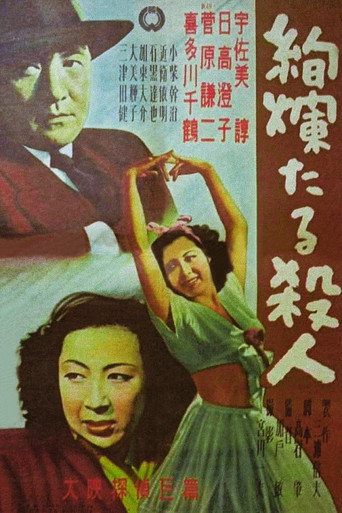
When a theater producer Kurato is murdered in the audience on opening night, Inspector Kawano investigates the prop pistols used on stage, but all were fake. That same night, a dancer in the troupe went missing and a police officer was shot with the same caliber gun. Kawano suspects they are all related to a gun smuggling case.
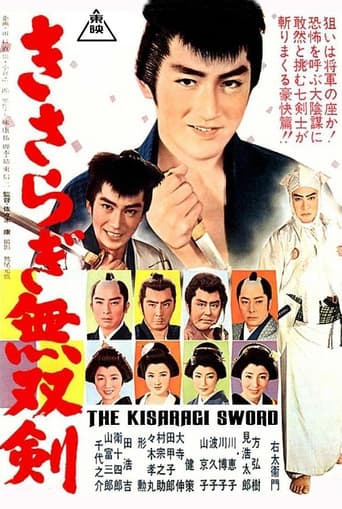
The story concerns the efforts of seven master swordsman who join together to protect the new inexperienced Shogun Tokugawa Yoshimune from the evil plans of the Owari Clan's corrupt Lord. It's a colorful bunch, a drunk samurai, a master thief, a sword instructor and a Lord who is disguised as a ronin since it is an executable offense for a lord to wander outside of their domain without permission. As the Chief Magistrate becomes suspicious of the Owari plot to send men to Kodenmacho Prison to start a riot he begins to investigate the rumors. He soon calls upon the Lord of Mikazuki Castle and the Shogun's best friend to help thwart the evil ambitions and battle the rouge swordsman hired by the Owari Clan.