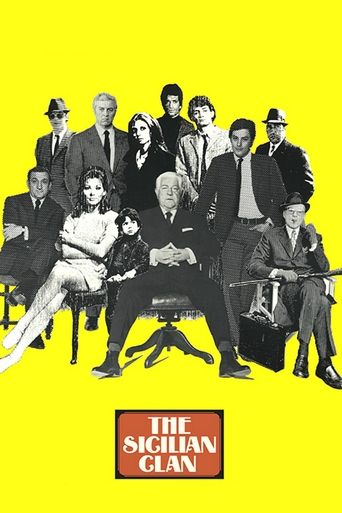
An ambitious mobster plans an elaborate diamond heist while seducing the daughter-in-law of a ruthless mob patriarch as a determined police commissioner closes in on all of them.
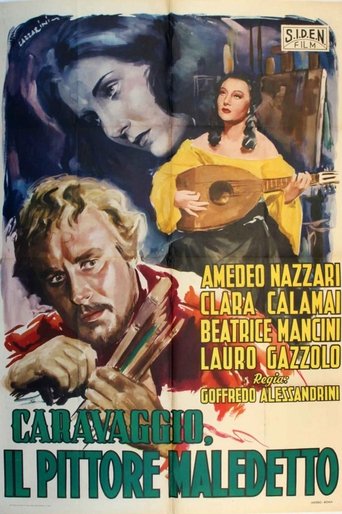
Caravaggio, il pittore maledetto is a 1941 Italian historical drama film directed by Goffredo Alessandrini and starring Amedeo Nazzari, Clara Calamai and Lamberto Picasso. Nazzari portrays the painter Caravaggio as a wayward genius. It was one of his favourite screen roles.
An ambitious mobster plans an elaborate diamond heist while seducing the daughter-in-law of a ruthless mob patriarch as a determined police commissioner closes in on all of them.
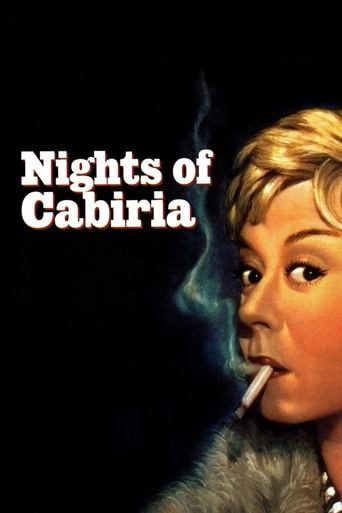
Rome, 1957. A woman, Cabiria, is robbed and left to drown by her boyfriend, Giorgio. Rescued, she resumes her life and tries her best to find happiness in a cynical world. Even when she thinks her struggles are over and she has found happiness and contentment, things may not be what they seem.
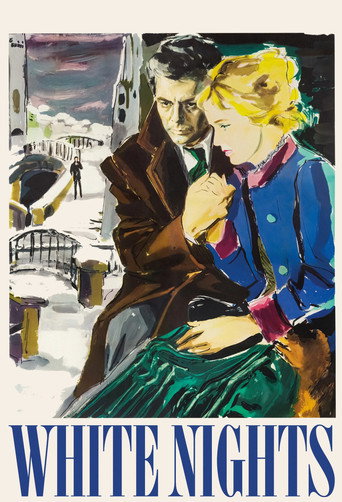
A middle-aged man meets a young woman who is waiting on a canal bridge for her lover's return.
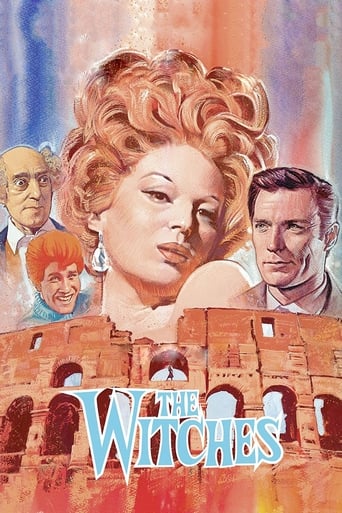
Five short stories loosely dealing with the roles of women in society. A superstar actress travels to a mountain resort, only to evoke jealousy from women and lust from men. A woman offers to take an injured man to the hospital. A widowed father and his son seek for a new wife/mother. A man seeks revenge for a woman's honor. A bored housewife tries to explain to her husband that he's not as romantic as he used to be.
When Joe Valachi has a price put on his head by Don Vito Genovese, he must take desperate steps to protect himself while in prison. An unsuccessful attempt to slit his throat puts him over the edge to break the sacred code of silence.
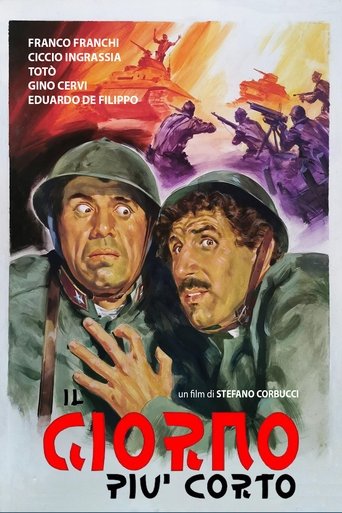
Two jerks are enlisted in the Italian army during W.W.1 and by pure luck manage to help win an important battle.
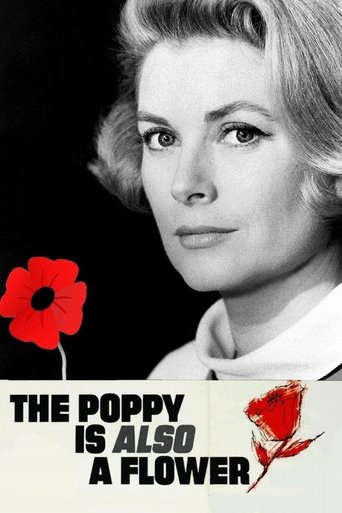
A special United Nations bureau organises a campaign to trace a drug-smuggling ring across Europe to its source on the Afghanistan-Iran border.
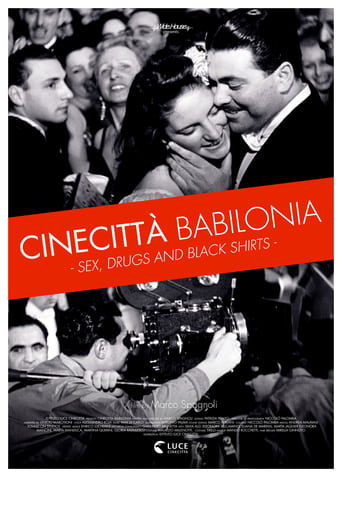
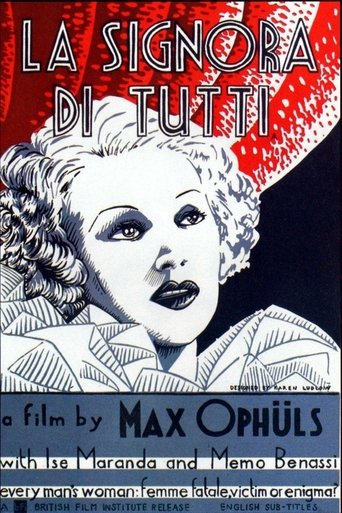
The story of Italian cinema under Fascism, a sophisticated film industry built around the founding of the Cinecittà studios and the successful birth of a domestic star system, populated by very peculiar artists among whom stood out several beautiful, magnetic, special actresses; a dark story of war, drugs, sex, censorship and tragedy.
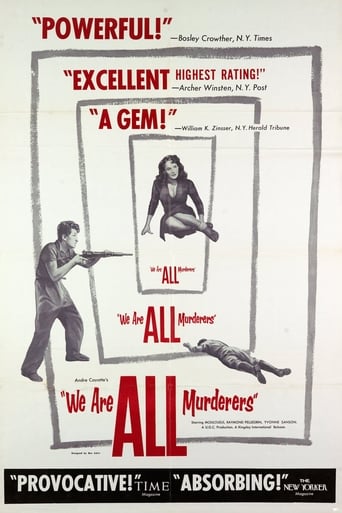
Originally titled Nous Sommes Tout des Assassins, We Are All Murderers was directed by Andre Cayette, a former lawyer who detested France's execution system. Charles Spaak's screenplay makes no attempt to launder the four principal characters (Marcel Mouloudji, Raymond Pellegrin, Antoinine Balpetre, Julien Verdeir): never mind the motivations, these are all hardened murderers. Still, the film condemns the sadistic ritual through which these four men are brought to the guillotine. In France, the policy is to never tell the condemned man when the execution will occur--and then to show up without warning and drag the victim kicking and screaming to his doom, without any opportunity to make peace with himself or his Maker. By the end of this harrowing film, the audience feels as dehumanized as the four "protagonists." We Are All Murderers was roundly roasted by the French law enforcement establishment, but it won a special jury prize at the 1952 Cannes Film Festival.

Chronicles the rise and fall of the woman who eventually became known as Queen Nefertiti.
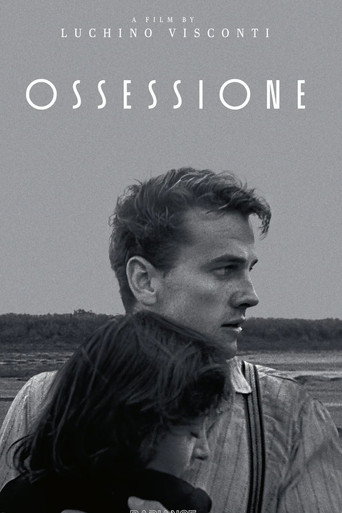
Gino, a drifter, begins an affair with inn-owner Giovanna as they plan to get rid of her older husband.
Travelling family man Paolo agrees to pose as husband to an unwed pregnant girl he meets on a train. However, once faced with her father, things do not go as planned.
The construction of great temple dedicated to the goddess Aphrodite, followed by new and high taxes and the arrival of a plague, create discontent in the population, and threatens the love between a sculptor and a slave.
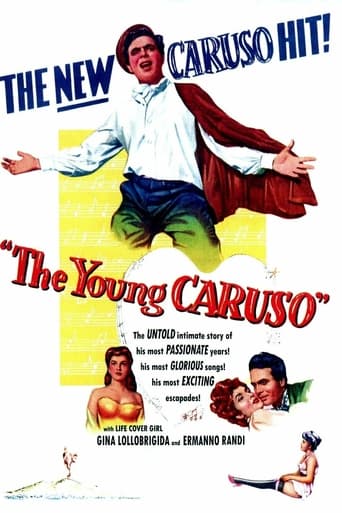
This music filled biopic follows the life of the legendary tenor Enrico Caruso from childhood poverty in Naples to the beginning of his rise to fame.
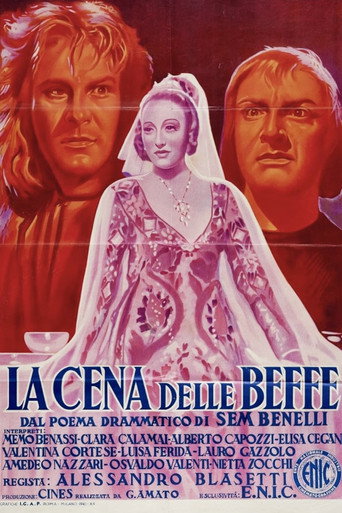
In Florence, at the time of Lorenzo de Medici, known also as Lorenzo the Magnificent, the aristocrat brothers Chiaramantesi rule with an iron fist the streets of the city. Ruthless and fierce, the two brothers have chosen as their special victim the innocent and harmless Giannetto. Even though determined to not react to the cruel pranks of the brothers, Giannetto is forced to take a stand when Ginevra, a beautiful girl that works in the Chiaramantesi household, is dragged into the game. To defend his honor and protect the girl, Giannetto works out a fiendish plot that will end in blood and madness.
A woman takes her ill husband's place in a smuggling ring and steals the heart of his partner.
Gaby is expelled from school after a married teacher commits suicide after telling her he can't live without her. Though she has done nothing, she is punished for his act.
Progressive schoolteachers Landi and Anna have a profound influence on two of their young students, Mirella and Franco. The two kids are enamored with one another and decide to experiment with some of the knowledge they've gleaned in the classroom.
Anthology of tragic love. A noblewoman falls for a commoner. A doctor keeps quiet about his patients' infidelities. Expectant father is sent to fight in WWI. A 1920s fascist enjoys Rome's nightlife. WWII airman falls for a girl in Naples.
The film was directed by Giuliano Cenci with assistance from his brother Renzo. During production, Carlo Collodis grandchildren Mario and Antonio Lorenzini were consulted. The subtle movements made by fidgeting children whilst speaking or under scrutiny were incorporated into Pinocchios movements, particularly when he lies to the Fairy with the Turquoise Hair over the fate of his gold coins. For the design of the Fairy, Italian portrayals of the Blessed Virgin Mary in art were used as starting points.
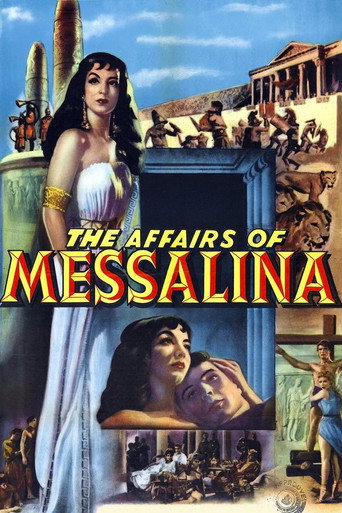
A story, set in Rome of 44 A.D., concerning the amorous and political intrigues of the evil Empress Messalina, the wife of the Roman Emperor Claudius, and her eventual hounding to death.
A story of the Second Punic Wars, beginning with Scipio's futile pleas to the Roman Senate to build an army to battle Hannibal, that climaxes with the battle of Zama.
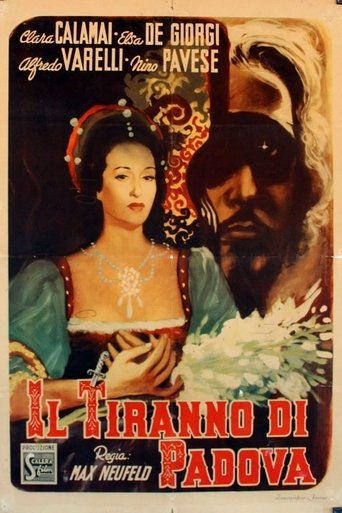
Padua, 1540. Angelo is married to Caterina but has an affair with Tisbe, an actress who travels with Rodolfo, presented as her brother but actually her lover and also Caterina's first and true love. Tisbe is also searching for the daughter of the woman who saved her mother from capital punishment and to whom she had given a crucifix. Caterina, victim of a plot hatched by Angelo and Tisbe, is saved by her at the last minute, as she recognizes her as the daughter of the woman who saved her mother from capital punishment.
A down-and-out crook on the lam befriends a young street urchin, in an Italian port city. At first amused that the boy is a sneak thief, he tries to deflects the kid from a life of crime. Tipped off by a woman anxious to collect the reward for him (who is wanted for murder), the police pursue the two lost souls.
Biographical film about Saint Rita da Cascia, who lived in Umbria in the 14th century.
ETTORE FIERAMOSCA was based on a widely-read literary action epic by Massimo D'Azeglio, published in 1833. Translated to the screen in 1938 by the most important director of the Italian fascist period, Alessandro Blasetti, it was intended to boost current patriotic fervor and pride in the Italian nation, and it contributed to a revival of Italian nationalism.
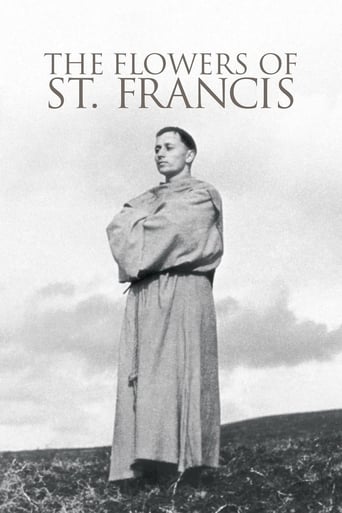
In a series of simple and joyous vignettes, director Roberto Rossellini and co-writer Federico Fellini lovingly convey the universal teachings of the People’s Saint: humility, compassion, faith, and sacrifice. Gorgeously photographed to evoke the medieval paintings of Saint Francis’s time, and cast with monks from the Nocera Inferiore Monastery, The Flowers of St. Francis is a timeless and moving portrait of the search for spiritual enlightenment.
Viewers also picked
In the years between WWI and the rise of Fascism, legendary thespian Eleonora Duse shocks everyone by getting back onstage at over 60 years of age. Struggling with the brutality of historical events unfolding and clinging to the possibility of utopia, she makes her art a revolutionary act, even at the cost of sacrificing health and affection—facing her final journey aware she could give up life itself, but not her own true nature.
Viewers also picked
The story of the descent into madness of Mussolini's secret first wife, Ida Dasler, who was seduced by his passion and vigor but blind to the fascist dictator's many flaws.
Viewers also picked
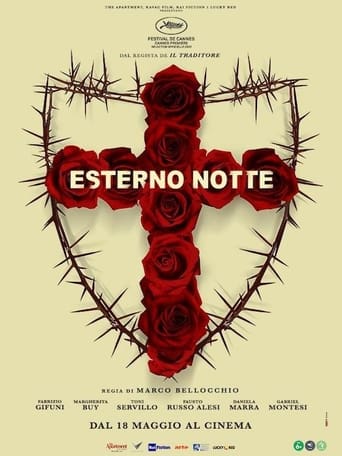
Rome. The 1980s. After the magnum opus The Art of Joy she has been working on for a decade is rejected by the Italian publishing world, writer Goliarda Sapienza commits a desperate theft that costs her her reputation and social position. Incarcerated in Italy’s largest female prison, she finds herself living alongside thieves, junkies, sex workers and revolutionaries. After her release, she continues to meet with these women and over the course of a sweltering summer, a life-changing relationship flowers – a relationship that will reawaken her the desire to live and to write.
Viewers also picked
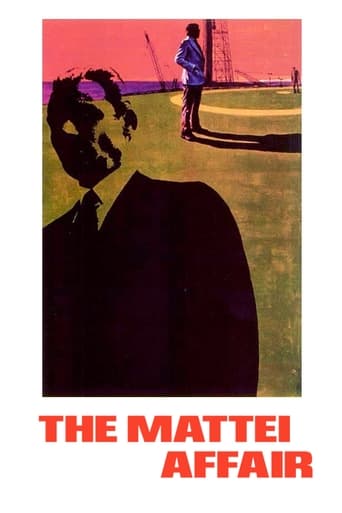
Enrico Mattei helped change Italy’s future, first as freedom-fighter against the Nazis, then as an investor in methane gas through a public company, A.G.I.P., and ultimately as the head of ENI, a state body formed for the development of oil resources. On October 27, 1962, he died when his private airplane crashed during a flight to Milan. Officially, it is declared an accident, but many journalists explore other plausible reasons for Mattei's untimely death.
Viewers also picked
The 1978 kidnapping and assassination of former Italian Prime Minister Aldo Moro by Red Brigades terrorists.
Viewers also picked
The 1978 kidnapping and assassination of former Italian Prime Minister Aldo Moro by Red Brigades terrorists
Viewers also picked
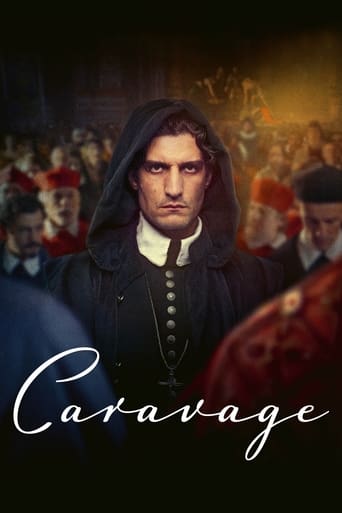
The Catholic Church secretly investigates Caravaggio as the Pope weighs whether to grant him clemency for killing a rival.
Viewers also picked
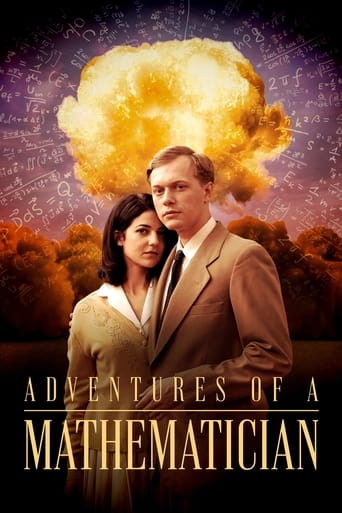
The warmhearted story of Polish immigrant and mathematician Stan Ulam, who moved to the U.S. in the 1930s. Stan deals with the difficult losses of family and friends all while helping to create the hydrogen bomb and the first computer.
Viewers also picked
Taken into slavery after the fall of Jerusalem in 605 B.C., Daniel is forced to serve the most powerful king in the world, King Nebuchadnezzar. Faced with imminent death, Daniel proves himself a trusted Advisor and is placed among the king's wise men. Threatened by death at every turn Daniel never ceases to serve the king until he is forced to choose between serving the king or honoring God. With his life at stake, Daniel has nothing but his faith to stand between him and the lions' den.
Viewers also picked