The documentary narrates the life of Toquinho, one of the greatest Brazilian artists, a musician who transcends the barriers of time and language with his sensitivity. A story that shapes Brazilian popular music.
During the same summer as Woodstock, over 300,000 people attended the Harlem Cultural Festival, celebrating African American music and culture, and promoting Black pride and unity. The footage from the festival sat in a basement, unseen for over 50 years, keeping this incredible event in America's history lost — until now.
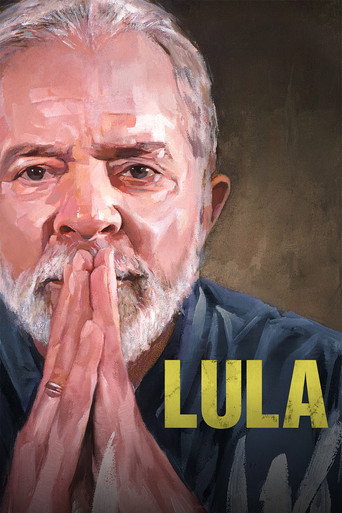
An intimate and revelatory portrait of one of the world’s most influential political figures, Lula explores the rise, fall and triumphant return of beloved Brazilian leader Luiz Inácio “Lula” da Silva, chronicling his extraordinary journey in 2022 to regain the Brazilian presidency after spending nineteen months in prison.
Former corporate whiz kid Robert McNamara was the controversial Secretary of Defense in the Kennedy and Johnson administrations, during the height of the Vietnam War. Augmented by archival footage and cabinet conversation recordings, Errol Morris gives the conflicted McNamara a platform on which he attempts to confront his and the U.S. government's actions in Southeast Asia in light of the horrors of modern warfare, the end of ideology and the punitive judgment of history.
In the summer of 1994, a team of public television reporters filmed and interviewed seven Cubans a few days before their risky venture of setting out to sea in homemade rafts to reach the coast of the United States. Six made it far enough to be picked up at sea by the U.S. Coast Guard. When these balseros (rafters) were finally allowed to go to the United States, the film crew went with them to a string of several cities. Seven years later, the film crew visits them again, to discover that their destiny has been in the United States. Theirs is a true story about some of the authentic survivors of our times, the human adventure of people who are shipwrecked between two worlds.
The story of Elián Gonzalez, a five-year-old Cuban boy plucked from the Florida Straits, and how the fight for his future changed the course of U.S.-Cuba relations. Featuring personal testimony, interviews, and a news archive, this documentary recounts Elián’s remarkable rescue on Thanksgiving Day in 1999, after his mother and 10 others fleeing Cuba perished at sea, and the custody battle between the boy’s Cuban father and his Miami-based relatives.
Documentary in four parts on Latin American cinema. Fourth episode: in Cuba, the ICAIC, created in the aftermath of the Castro revolution, is at once a film school, a production company and a state cultural branch. Cuban filmmakers testify to the situation and themes specific to their national cinema.
"Dia Voa" is a documentary that follows Chico Buarque during the recording of his album, capturing exclusive interviews and unseen footage. It was his first album integrated into digital platforms during the promotional process. In just over an hour, the film showcases the conception and production of the album—from Chico’s return to songwriting after a period dedicated to literature (during which he released Leite Derramado, winner of the 2010 Jabuti Award for Best Fiction Book) to the final product.
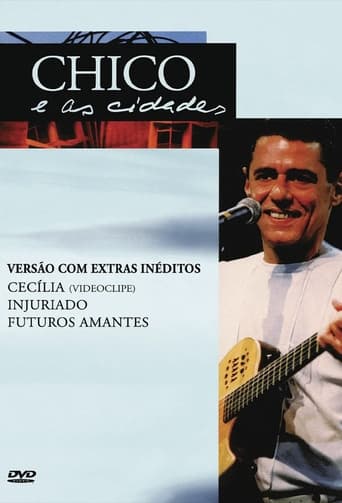
The documentary "Chico e as Cidades" was directed by José Henrique Fonseca in 2001 and re-released by Biscoito Fino in June 2009 with three previously unreleased extras: Cecília's music video and takes of the songs "Injuriado" and "Futures Amantes." The DVD was made from the show "As Cidades" – premiered by Chico in 1999, based on the repertoire from the album of the same name. However, far from being a video version of the show, it is a documentary that covers various themes from the composer's life and work, as well as special appearances by Maria Bethânia, Jamelão, Oscar Niemeyer, Tostão, and the Velha Guarda da Mangueira.
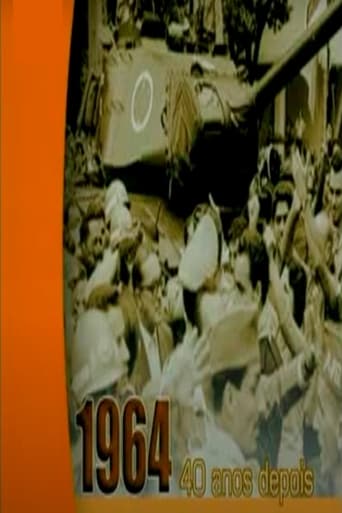
Documentary that shows the events that culminated in the deposition of President João Goulart, on March 31, 1964, and the implementation of the military dictatorship in Brazil. Around 40 characters reveal behind the scenes and comment in detail on this important moment in Brazilian political history.
A modernist capital, from the geological formation of the Central Plateau to the present day, passing through the saga of its construction. Brasília is the result of a genius generation that wished to recreate Brazil, then still archaic, slave and colonial, in a modern, authentic and utopian Brazil.
Documentary about the people who came from all over Brazil to work in the construction of the city of Brasilia, their stories, and the abuse and humiliation they suffered in the process.
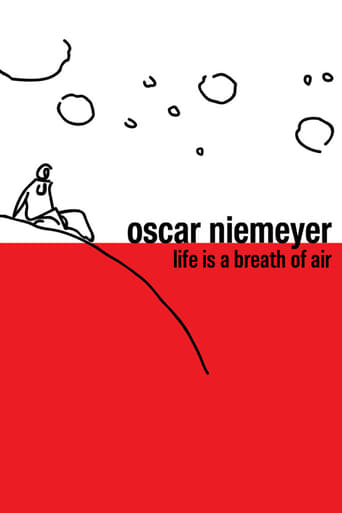
A documentary made to coincide with Niemeyer's 100th birthday. The renowned architect talks about his long life, his inspirations, and his aspirations towards a just Brazil, and the ways he tried to help that along in his spectacular and beautiful buildings.
Few people in Argentine and Latin American cinema have been as close as Fernando Birri to stand as a patriarch, pioneer, and spokesman for a committed cinema that tears itself apart in its solidarity with its own surroundings. This ode to the tireless Birri presents him to us in full: teaching, establishing standards, and creating with the tools of his time, turning culture into a form of political affirmation as he grows more and more vital and rooted.
Lucio Costa is one of the rare personalities in the history of Brazil who allows him to cross his individual history with nation-building in a very natural and open way. The documentary narrates, through the trajectory of the architect and urban planner Lucio Costa, the process of "formation" of modern Brazilian architecture.
Documentary about the birth of bossa-nova, in Brazil, and the major stars of this musical style.
Contemporary film critics regard the epic film I Am Cuba as a modern masterpiece. The 1964 Cuban/Soviet coproduction marked a watershed moment of cultural collaboration between two nations. Yet the film never found a mass audience, languishing for decades until its reintroduction as a "classic" in the 1990s. Vicente Ferraz explores the strange history of this cinematic tour de force, and the deeper meaning for those who participated in its creation.
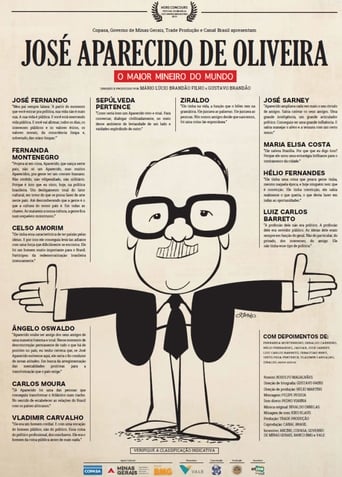
Documentary that chronicles the trajectory of the journalist, federal deputy, secretary of state, minister of state, governor and ambassador José Aparecido de Oliveira, who lived with the greatest authorities and personalities from the political, business and cultural circles in Brazil and the world.
Beethoven's Hair traces the unlikely journey of a lock of hair cut from Beethoven's corpse and unravels the mystery of his tortured life and death. The film begins in modern times, when a pair of Beethoven enthusiasts purchase the hair at a Sotheby's auction. The story then looks at the lock's previous owners and culminates in the science that reveals Beethoven's "medical secret". Set to a lush score of some of Beethoven's most glorious music, the film explores the world of forensic testing in sharp relief against the romance of 19th-century Vienna and the horrors of 20th-century Nazi Germany.
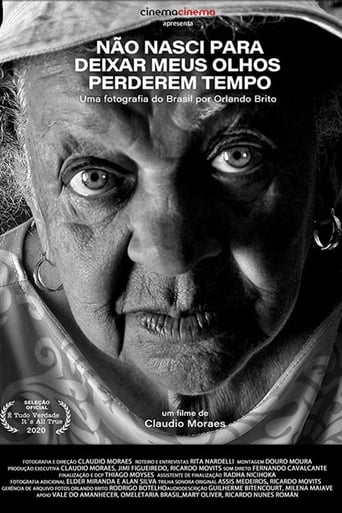
The fading of composer Zé Keti’s career. The sad portrait of Brazilian Congress closed in 1977. The pain of a mother who lost her 15-year old daughter run over by a car. The Brazilian Presidents since Castelo Branco. Characters and settings registered through the keen and sensitive perspective of photographer Orlando Brito, in a career spanning 50 years as a professional. From the political sidelines to the lives of Brazilians from the interior, Brito recalls experiences and discusses the role of the photographer and the pain of registering someone’s grief.
Letter Beyond the Walls reconstructs the trajectory of HIV and AIDS with a focus on Brazil, through interviews with doctors, activists, patients and other actors, in addition to extensive archival material. From the initial panic to awareness campaigns, passing through the stigma imposed on people living with HIV, the documentary shows how society faced this epidemic in its deadliest phase over more than two decades. With this historical approach as its base, the film looks at the way HIV is viewed in today's society, revealing a picture of persistent misinformation and prejudice, which especially affects Brazil’s most historically vulnerable populations.
The movie is a collage and comentary of varied third party footage on news relating to each and every one of the eight Presidents of Brazil who took office since the end of the military government, from José Sarney to Jair Bolsonaro.
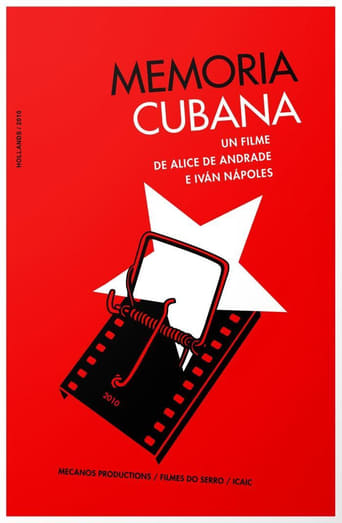
Through the files of Cuban cinema news program Noticieros ICAIC Latinoamericanos, the documentary shows the most relevant events of the second half of the 20th century as seen by the documentary filmmakers of the island. During three decades and under the general direction of Santiago Álvarez, these moviemakers witnessed almost everything: from the shivers of the Cold War to Bola de Nieve's piano solos; from the discovery of the killing fields in Cambodia to the Carnation Revolution in Portugal. In 2009, the original negatives of Noticieros ICAIC Latinoamericanos were declared part of the "world memory" by UNESCO.
In a small island convulsed by the 1959 revolution, Santiago Álvarez used the Seventh Art as a political weapon and created an aesthetic that became a reference in the documentary field. Santiago, who called himself a permanent traveler through history, registered the most significant facts of his time, from the Cuban Revolution to the disintegration of the Soviet Block. He took to spectators from all continents a counterpoint to the history narrated by the United States Information Service, USIS. Through his works, we dive into the Cuban political and cultural scene, the tensions of Latin America, the Vietnam War, the countless conflicts for African independence, always with a peripheral look that is characteristic of his cinema, currently converted into a memory of a world in transformation.
Documentary about the independence and history of Latin America.
Documentary in four parts on Latin American cinema. Fourth episode: in Cuba, the ICAIC, created in the aftermath of the Castro revolution, is at once a film school, a production company and a state cultural branch. Cuban filmmakers testify to the situation and themes specific to their national cinema.
Shares a lead actor · Same director
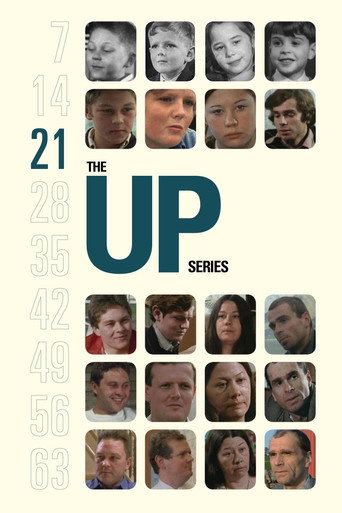
Just two years away from turning 30, participants in Michael Apted's documentary series are facing serious questions of identity and purpose, wondering whether they've found their place in the world.
Viewers also picked
Director Michael Apted revisits the same group of British-born adults after a 7 year wait. The subjects are interviewed as to the changes that have occurred in their lives during the last seven years.
Viewers also picked
After another 7 year wait, director Michael Apted revisits the same group of British-born children from Seven Up! and 7 Plus Seven. The subjects are interviewed as to the changes that have occurred in their lives during the last seven years.
Viewers also picked
A documentary about how a dominant cultural and demographic institution both sustains their traditional activities and adapts to the digital revolution.
Viewers also picked
Alexander McQueen's rags-to-riches story is a modern-day fairy tale, laced with the gothic. Mirroring the savage beauty, boldness and vivacity of his design, this documentary is an intimate revelation of McQueen's own world, both tortured and inspired, which celebrates a radical and mesmerizing genius of profound influence.
Viewers also picked
A string of threatening emails escalates into a revenge plot involving a newly married US marshal and his ex-girlfriend.
Viewers also picked
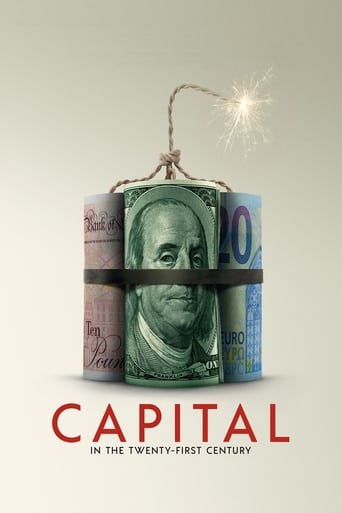
Film adaptation of French economist Thomas Piketty's ground-breaking global bestseller of the same name: an eye-opening journey through wealth and power.
Viewers also picked
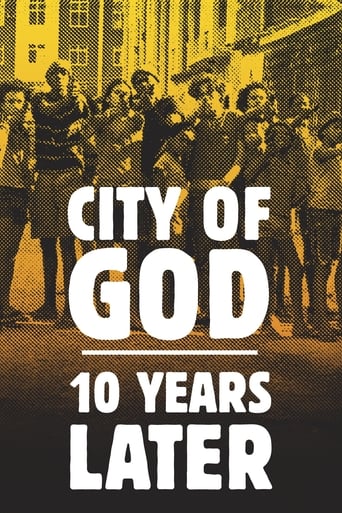
City of God – 10 Years Later investigates what happened to the actors who took part in the award-winning film directed by Fernando Meirelles and Katia Lund. This documentary shows what City of God’s worldwide success meant to their lives. Were the actors prepared for the film’s success? Did the social background of some of them prove stronger than the opportunity that came their way?
Viewers also picked
In a crime-plagued neighborhood near Miami, brutal, bare-knuckled backyard fights give young men a chance to earn money -- and self-respect.
Viewers also picked