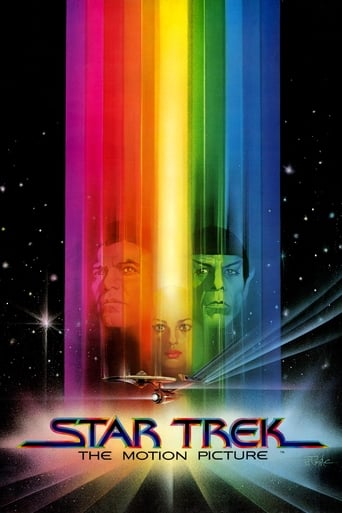
When an unidentified alien destroys three powerful Klingon cruisers, Captain James T. Kirk returns to the newly transformed U.S.S. Enterprise to take command.
Part of the Birthrights series, this BBC Two documentary is a wonderful window into the groundbreaking contributions of Black writers and creatives to the world of science fiction across literature, film and television. The program explores the evolving portrayal of Black characters and narratives in a genre often dominated by exclusionary perspectives, featuring compelling interviews with trailblazers like Octavia Butler, Samuel R. Delany, Mike Sargent, Steven Barnes and Nichelle Nichols. Celebrating the imaginative brilliance of Black sci-fi and fantasy creators, this seeks to examine the complexities of race within said genres as well as the visionary paths these resilient storytellers forge for the future of speculative fiction.
When an unidentified alien destroys three powerful Klingon cruisers, Captain James T. Kirk returns to the newly transformed U.S.S. Enterprise to take command.
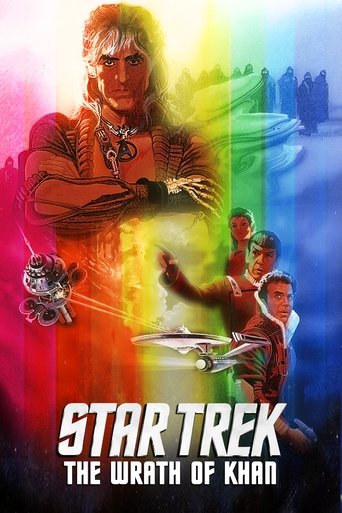
The starship Enterprise and its crew is pulled back into action when old nemesis, Khan, steals a top secret device called Project Genesis.
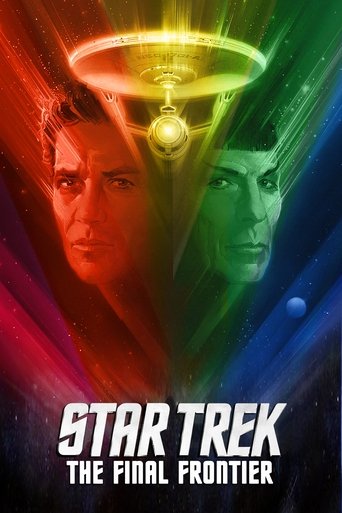
A renegade Vulcan with a startling secret hijacks the U.S.S. Enterprise in order to find a mythical planet.
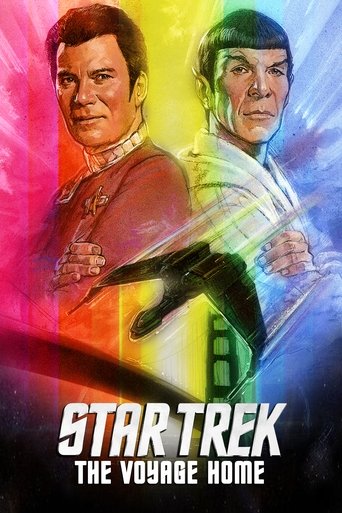
When a huge alien probe enters the galaxy and begins to vaporize Earth's oceans, Kirk and his crew must travel back in time in order to bring back whales and save the planet.
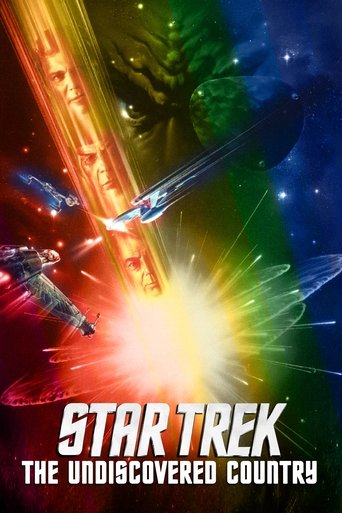
After years of war, the Federation and the Klingon empire find themselves on the brink of a peace summit when a Klingon ship is nearly destroyed by an apparent attack from the Enterprise. Both worlds brace for what may be their deadliest encounter.
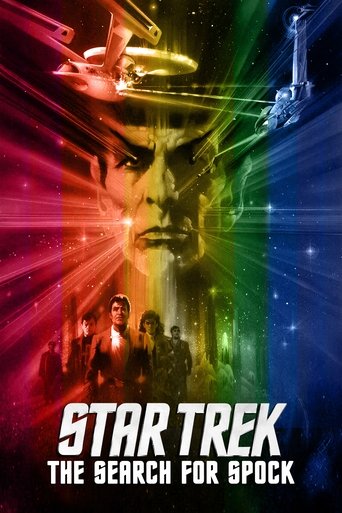
A surprise visit from Spock's father provides a startling revelation: McCoy is harboring Spock's living essence.
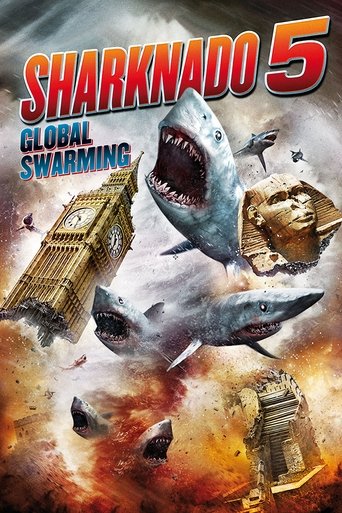
Fin and his wife April travel around the world to save their young son who's trapped inside a sharknado.
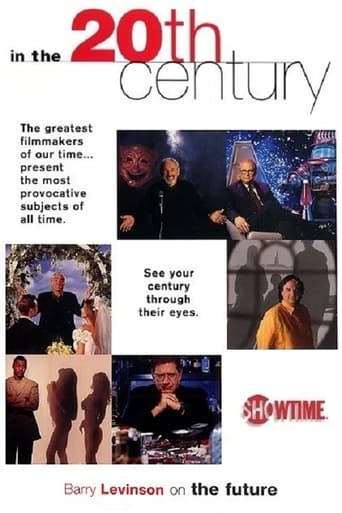
Showtime's "In the 20th Century" is a millennium-related strand of feature-length documentaries in which famous directors take on major subjects of their choosing. In the third of the six films, "Yesterday's Tomorrows," filmmaker Barry Levinson delves into what we, as Americans, thought the future would be as we traveled through the 20th century. Houses and cars of the future, the promise of technology, and the other hopes and dreams of the early part of the century gave way to the fears and anxieties brought about by the atomic age and the Hollywood disaster films that followed. Soon we wondered if we could control technology, or if it would control us. This film is by turns light-hearted and thoughtful, and rare historical and archival film, produced by government and industry, alternates with on-screen interviews with people as diverse as consumer advocate Ralph Nader, cartoonist Matt Groening, futurist Alvin Toffler, comedienne Phyllis Diller, and actor Martin Mull.
The extraordinary life story of science fiction and fantasy writer Ursula K. Le Guin (1929-2018) who, in spite of remaining for many years on the sidelines of the mainstream literature, managed to be recognized as one of the most remarkable US writers of all time, due to the relevance of her work and her commitment to the human condition.
An examination of the hitherto unexplored relationships between Pan-African culture, science fiction, intergalactic travel, and rapidly progressing computer technology.
Set in a near-future Los Angeles devastated by societal collapse, a teenager with a unique gift must lead humanity in a battle against extinction. An adaptation of the first book in Octavia E. Butler’s acclaimed science fiction odyssey.
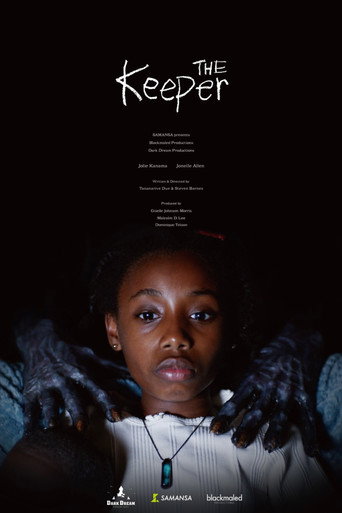
A critical analysis of Candyman (1992) by writers Tananarive Due and Steven Barnes.
A portrait of Samuel R. Delany, an award-winning African-American gay author whose credits include everything from science fiction to several issues of the Wonder Woman comic book. Using a range of experimental techniques and borrowed footage from Delany's home movies, Taylor captures his subject's thoughts on racism, violence, and his struggles with sexual identity.
Based on Samuel R. Delany’s short novel ‘Aye, and Gomorrah...’, where the sci-fi premise of radiation-resistant state-neutered space travellers allows the author to explore androgyny, sexual identity, etc. Hammel uses Delany’s story to create a spookily beautiful world where asexual bodies live in the contradiction between their unarousable loneliness and desire for intimacy and contact.
A burning room. Crawling vines. City bustling. Trees living and dying. Roots breathing. Nightmare.
An open dialogue at The New School (Eugene Lang College) moderated by renowned feminist author bell hooks in conversation with Samuel “Chip” Delany (acclaimed Sci-Fi author of: Nova; Dhalgren; Times Square Red, Times Square Blue), M. Lamar (composer, video artist, and sculptor), and Marci Blackman (award-winning author of Po Man's Child: A Novel and Tradition). The discussion examines how engaging in transgressive sexual practices can provide a space in which one may work through the traumas inflicted by the oppressive forces that constitute, as hooks terms it, the system of "imperialist white supremacist capitalist patriarchy."
An examination of the hitherto unexplored relationships between Pan-African culture, science fiction, intergalactic travel, and rapidly progressing computer technology.
Shares 3 cast members
The making of Matrix Revolutions, The (2003) is briefly touched on here in this documentary. Interviews with various cast and crew members inform us how they were affected by the deaths of Gloria Foster and Aaliyah, and also delve into the making of the visual effects that takes up a lot of screen time. Written by Rhyl Donnelly
Viewers also picked
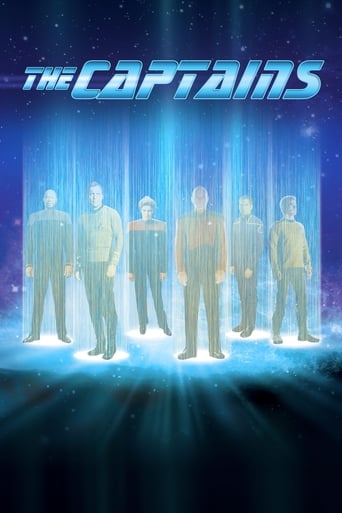
The Captains is a feature-length documentary film written and directed by William Shatner. The film follows Shatner as he interviews the other actors who have portrayed starship captains in the Star Trek franchise.
Viewers also picked
The story lives forever in this feature-length documentary that charts the making of Star Wars: The Rise of Skywalker.
Viewers also picked
Just two years away from turning 30, participants in Michael Apted's documentary series are facing serious questions of identity and purpose, wondering whether they've found their place in the world.
Viewers also picked
A documentary exploring the legacy of Star Trek: Deep Space Nine, the reasons it went from the black sheep of Star Trek to a beloved mainstay of the franchise, and a brainstorm with the original writers on what a theoretical eighth season of the show could look like.
Viewers also picked
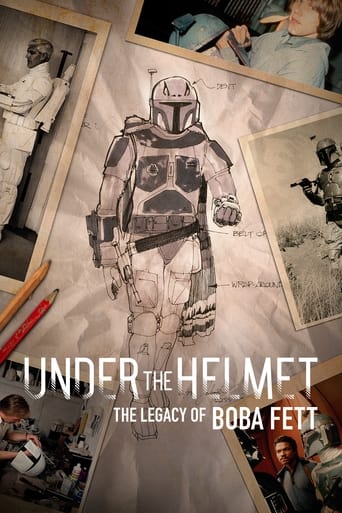
A special celebrating the origins and legacy of Star Wars' legendary bounty hunter, Boba Fett.
Viewers also picked
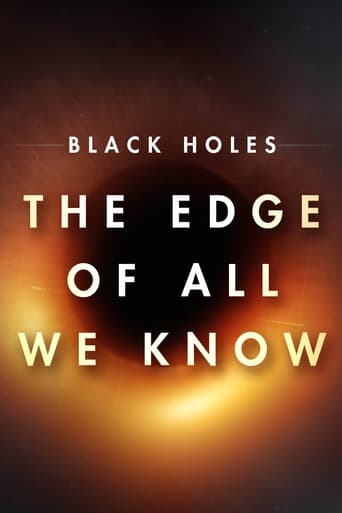
Black holes stand at the limit of what we can know. To explore that edge of knowledge, the Event Horizon Telescope links observatories across the world to simulate an earth-sized instrument. With this tool the team pursues the first-ever picture of a black hole, resulting in an image seen by billions of people in April 2019. Meanwhile, Hawking and his team attack the black hole paradox at the heart of theoretical physics—Do predictive laws still function, even in these massive distortions of space and time? Weaving them together is a third strand, philosophical and exploratory using expressive animation. “Edge” is about practicing science at the highest level, a film where observation, theory, and philosophy combine to grasp these most mysterious objects.
Viewers also picked
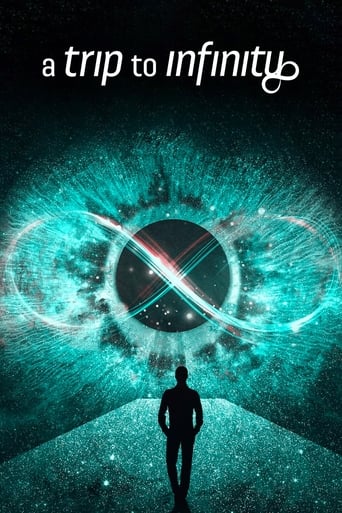
Does infinity exist? Can we experience the Infinite? In an animated film (created by artists from 10 countries) the world's most cutting-edge scientists and mathematicians go in search of the infinite and its mind-bending implications for the universe. Eminent mathematicians, particle physicists and cosmologists dive into infinity and its mind-bending implications for the universe.
Viewers also picked
Martin Scorsese, Robert De Niro, Joe Pesci, and Al Pacino in conversation about The Irishman.
Viewers also picked