
6.5
FILM
The fate of a Hungarian Jewish family throughout the 20th century.

Edit, who became the wife of a politician out of a simple peasant girl, suddenly becomes a widow as a result of an accident. She never loved her husband. She lives a wealthy and lonely life amidst false friends, facing one of the last alternatives of her life, i.e. having to face her past in the hope of an independent new beginning.
The fate of a Hungarian Jewish family throughout the 20th century.

A lawyer defends her father accused of war crimes, but there is more to the case than she suspects.

In turn-of-the-century Budapest, teenage gangs the Paul Street Boys and the Red Shirts have been skirmishing over a vacant lot. When the Red Shirts decide to drive the Paul Street Boys out, they appoint small, sickly Nemescek to spy on their opponents.

Laci and the divorced Klári decide to commit suicide, since neither's parents give them shelter, they have no place to sleep, no decent job and no future. Béla, who lives on stealing cars, joins them. He has a gun. Based on a true story.

Kalán Imre, the district doctor lives in a small village surrounded by mountains. One day he is visited by two young relatives of his and their friend, a doctor at the beginning of his career. The name of the doctor is Király András, and he happens to be the great love of Kalán's young wife from her unmarried years. The orthodox Stalinist Kalán's entire life is filled with his great passion, hunting. The suffocating, narrow lives of the prominent people in the area are slowly revealed to András.
Mary, Mother of Jesus is a 1999 made-for-television Biblical film that retells the story of Jesus through the eyes of Mary, his mother.
Nelli, the icy, introverted farm girl, needs to find a husband following her father's death. She accepts the attentions of the noisy Takaró Sanyi, although she is more attracted to his silent and modest younger brother.
Set in the 1890s on the Hungarian plains, a group of farm workers go on strike in which they face harsh reprisals and the reality of revolt, oppression, morality and violence.

The film is a story of a double journey. The main character of the first journey is the author himself, who, while sitting in his customary café, suddenly realises that he has hallucinations. The psychologist reassures him that all this is merely repression. The symptoms, however, appear again. Soon it turns out that the author has a brain tumour. Professor Pötzl in Vienna suggests operation right away. The intervention, through which he is awake, is carried out in a Stockholm clinic.
Looking for a safe place to live after being harassed by her husband, a depressive and violent man, Juli stays at a women's shelter run by Mária.
The setting is a Central European kingdom, near the turn of the century. Bored by his very proper wife, the youthful heir to the throne spends his time in amorous dalliances at a sprawling country estate. His wife departs at the arrival of his friends, and they organize a celebration which becomes a wild orgy and culminates in death and tragedy.
The head of the nunnery is dying, and the members are divided in two groups as the election of the new head approaches. Led by Virginia, the younger nuns stand up for changing the strict religious dogmas and would like a modern school with genuine science, a bathroom to be built, and a freer spirit. Their candidate is sister Magdolna, who went to secular universities, too. The seminarists, led by Király Erzsi, also rebel against the older nuns' strict discipline and the depressed atmosphere of the institution. However, Magdolna does not want to stay involved in the fight because she is deterred by Virginia's sinful attraction towards her and the tools Virginia is using to gain victory at any price.

This Hungarian film chronicles the slow deterioration in the life of Juli, a farmer's wife. As the countryside grows ever more deserted because people are moving to towns or large collective farms, she spends more and more time alone. Despite her best efforts to appreciate her situation, her despair grows. The loneliness is briefly interrupted when she and her husband take in an old woman and care for her, but the woman dies. Shortly after her son visits, she is killed in an accident which may have been a suicide. ~ Clarke Fountain, Rovi
In pre-WWI Austria-Hungary, a physician struggles with his decision about which woman will he marry.
During the worldwide Depression of the 1930s, a young shopgirl is in love with a man of her own financial class, but succumbs to the seductive machinations of her wealthy boss.
This story follows a young student, who is orphaned as she grows to adulthood in the shadow of the 1956 Hungarian uprising. Coming from the Communist intelligentsia, she sees her friends and family react differently. Her lover, a married factory manager, supports the patriots and later assists fellow workers in staging a strike. Meanwhile her sister and others express anger at being forced from their homes during the revolution and continue to express a hatred for the rebels afterwards. But in the end they realize that for all people, real life is not possible after the revolt and its brutal suppression by the Soviets and their collaborators.
On receiving a letter from her mother, a quiet working-class girl leaves the state orphanage in Budapest where she grew up and takes a trip to the rural countryside to visit her.
In 1956, a crusading newspaper reporter covers the Soviet invasion of Hungary. Initially critical of the communists, the feature later espouses the virtues of social changes implemented since the invasion.
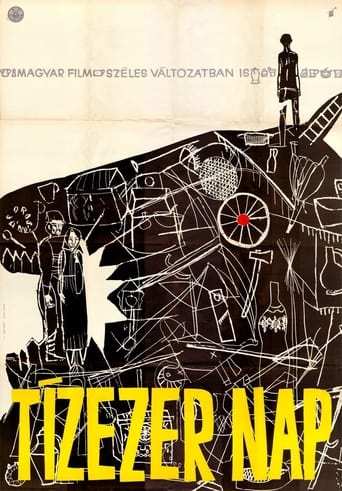
The changing and turbulent history of Hungary is seen through the eyes of three men over a 30-year period in this somber drama. The three recall the highlights of their lives in flashbacks as they reminisce in the mid 1960s. The venerable trio begin their story in the 1930s, through World War II, and the decade beyond the communist invasion of 1956.
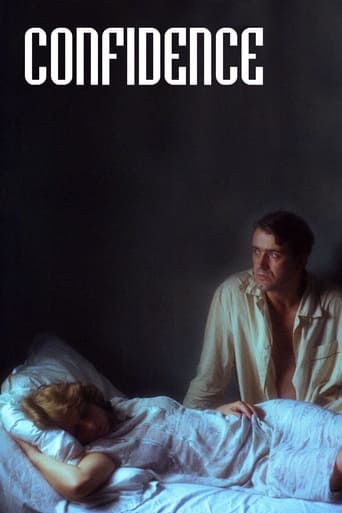
Janos and Kata are thrown together during the Second World War and forced to pose as husband and wife to hide from the Nazis. The intensity and suffocating intimacy of their new relationship and the circumstances in which they find themselves, forces them to confront past prejudices and assumptions and challenge what they truly believe.
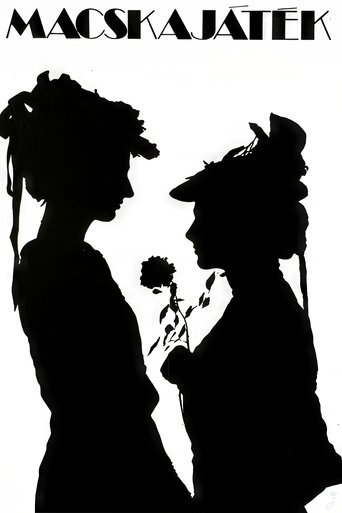
Karoly Makk's heartbreaking story of two unmarried sisters who cast wistful glances back at their lives, but still believe in hope and love, earned an Academy Award Nomination for Best Foreign Language Film in 1974. In this follow-up to the director's internationally acclaimed Love, Makk once again exhibits his extraordinary skills at drawing emotionally compelling performances from his talented female leads. Makk's film opposes the bleakness of the outside world with passion, love, and loyalty.

Kis Katalin and Varga Jóska are getting married. During their honeymoon they are preparing plans for the future. Katalin, however, seems to lag behind both in her studies and the work competition, becoming a couch potato version of a wife. Jóska, instead of trying to help, does nothing else than his work.
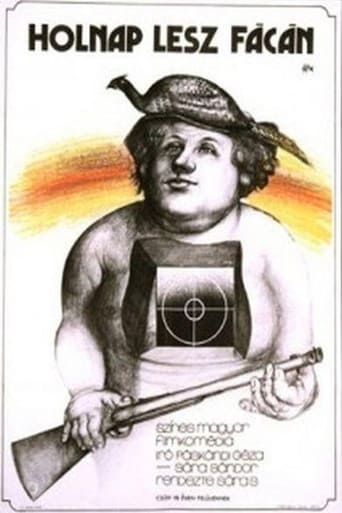
The loving couple of this grotesque parable parody of the Kádár-regime, Mária and István row to an uninhabited, idyllic island. Soon crazy tent-pitchers swarm to the island, led by an official representative of the regime.
The dramatically dense film takes place in workers' surrounding in the sixties. It raises the newspaper article serving as the basis for the short story to be a model: in a plastic factory fire breaks out causing enormous damages.
Short film about young poet József Attila.

Love blossoms between Maroc, a singing boat refugee, and Lisa, a collector of singing seashells who dreams about love.

After her divorce leaves her feeling depressed and aimless, a disciplined forty-year-old woman named Teréz wanders through Budapest while grappling with a profound sense of isolation. She visits former lovers and estranged acquaintances in a desperate attempt to find a meaningful connection and reclaim the stability she has lost.

During the siege of Budapest, the nine-year-old Ambrus is taken to the country, to his grandparents. His everyday life is determined by nightmares, the tough country life, the anguish caused by the aircraft noise. Overhearing a conversation one night he learns that his parents were killed by a bomb.

In post-WWII Hungary, a group of Communist college students arrive at a Catholic seminary hoping to engage in peaceful debate with its students.
This story follows a young student, who is orphaned as she grows to adulthood in the shadow of the 1956 Hungarian uprising. Coming from the Communist intelligentsia, she sees her friends and family react differently. Her lover, a married factory manager, supports the patriots and later assists fellow workers in staging a strike. Meanwhile her sister and others express anger at being forced from their homes during the revolution and continue to express a hatred for the rebels afterwards. But in the end they realize that for all people, real life is not possible after the revolt and its brutal suppression by the Soviets and their collaborators.
Shares 2 cast members · Same director
On receiving a letter from her mother, a quiet working-class girl leaves the state orphanage in Budapest where she grew up and takes a trip to the rural countryside to visit her.
Shares a lead actor · Same director
Looking for a safe place to live after being harassed by her husband, a depressive and violent man, Juli stays at a women's shelter run by Mária.
Shares a lead actor · Same director

On the outside, Helen has it all – a loving family and a successful career – but when her suppressed mental illness resurfaces, the world crumbles around her. Crippled by depression, Helen finds solace through her friendship with Mathilda, a kindred spirit struggling with bipolar disorder.
Viewers also picked · TMDB similar

In a suburban landscape, the lives of several families interlace with loss, despair and personal crisis. Esther Gold has lost focus on all but caring for her comatose son, Paul, and neglects her daughter and husband. Lawyer Jim Train is devoted to his career, not his family. Helen Christianson wants to find a new spark in life, while Annette Jennings tries to rebuild hers.
Viewers also picked

A drama set in the American South, where a precocious, troubled girl finds a safe haven in the music and movement of Elvis Presley.
Viewers also picked
A poor, struggling South Carolinian mother and daughter face painful choices with their resolve and pride. Bone, the eldest daughter, and Anney her tired mother, grow both closer and farther apart: Anney sees Glen as her last chance.
Viewers also picked
In post-WWII Hungary, a group of Communist college students arrive at a Catholic seminary hoping to engage in peaceful debate with its students.
Shares 2 cast members

More interested in partying and flirting with young musicians than work, veteran rock journalist Ellie Klug has one last chance to prove her value to her magazine’s editor: a no-stone-unturned search to discover what really happened to long lost rock god, Matt Smith, who also happens to be her ex-boyfriend. Teaming up with an eccentric amateur documentary filmmaker, Ellie hits the road in search of answers.
Viewers also picked

The story of a young writer's transformation when her past invades her present.
Viewers also picked

An adaptation of the classic, "The Prince and the Pauper" is the retelling of Edward Tudor and young Thomas Canty, two amazing look-alikes caught up in imperial intrigue and scandal. In fleeing from his violent father, Tom stumbles into the palace courtyard, and is seen by young Prince Edward, who takes him in. Each desiring to see what the other's life is like, the boys impulsively switch identities... little knowing what disaster lies ahead at this fault of thought. And soon Thomas becomes a pawn in the hands of Edward's malicious and greedy uncle, who would have the kingdom for himself.
Ede (Dezso Garas) is in his sixties, and he is full of uncertainty about how he and his wife Kati (Mari Torocsik) will fare in the new post-communist regime in Hungary. At least before, he had some idea what he needed to do to get by, and even if he never made much money with his myriad schemes, they got by. Kati has got a real bug in her ear about their livelihood, and is hounding him to get into the spirit of the new system. This is troubling enough for the old gent, but when he runs into an old mistress (Kati Lazar) and discovers that he has a grown son he has never met or knew about, his life becomes even more confusing. His slimy ex big-shot brother-in-law (Istvan Avar) is a major player in the new entrepeneurial risk-taking, and he beseiges poor Ede with advice as well. In this topical comedy, all these worrisome things, and more, come to a head at a big family celebrtion.

The Sultan of Zanzibar has a harbor infested with sharks, which makes it impossible for ships to trade with him. In an attempt to fix the problem, he brings twelve hippos into the harbor to keep the sharks away. His idea works well enough, but once the hippos are no longer a novelty and the people no longer feed them, they begin to starve. After the hungry hippos rampage through the city looking for food, Aban-Khan, the king's adviser, slaughters all the hippos except one, a little hippo named Hugo.
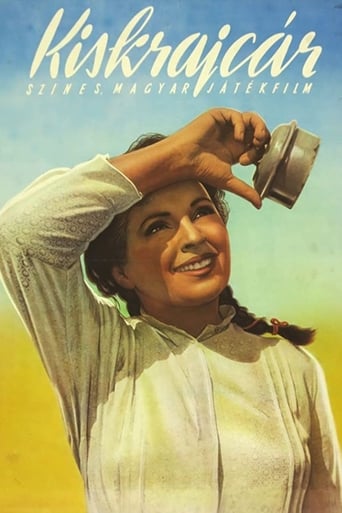
The story of a young servant girl who comes to work on the construction site of a large-scale industrial settlement. She decides to embark on an independent life, runs away from her foster parents, gets on a train and sets out to earn money. Modest and shy, she joins the factory's group of "Stakhanovites" and soon makes new comrades. Her coworkers accept her into their team.

Allegory of the suppression of the 1919 revolution and the advent of fascism in Hungary; in the countryside, a unit of the revolutionary army spares the life of father Vargha, a fanatical priest. He comes back and leads massacres. A new force, represented by Feher, apparently avenges the people, but only to impose a different, more refined and effective kind of repression.
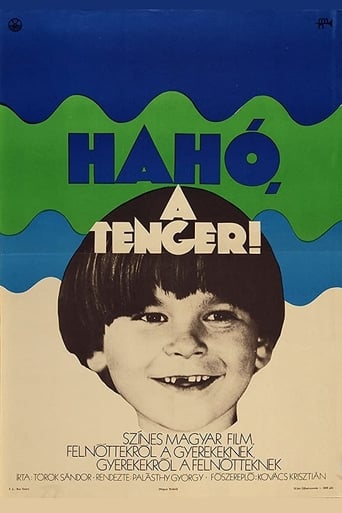
Öcsi is going to have a little brother. The little child is sulking, he is deeply hurt because he learns the great secret not from his parents but his best friend, Évike.
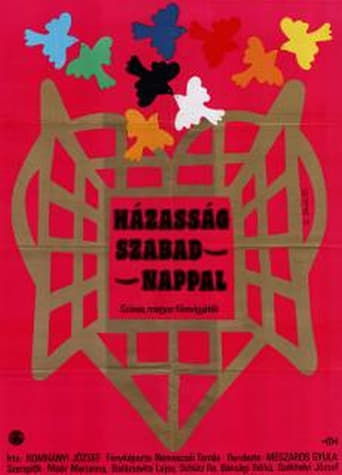
Mici, a pretty young girl is a selected swimmer. Laci, her trainer looks after her jealously, mainly because of her condition.
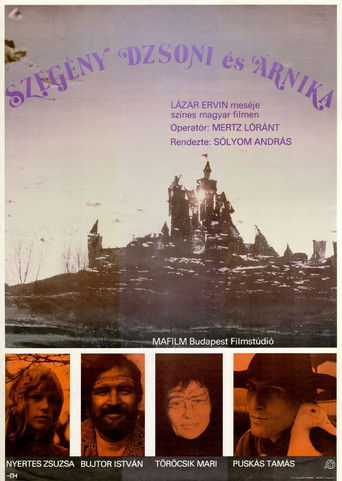
The poor but carefree vagabond Johnny meets the princess Árnika and they fall in love. An evil witch casts a spell on them which turns one of them into a duck. In order to be free of the spell they embark on a long journey to meet King Ajahtan Kutarbani, the only one who can lift the spell.
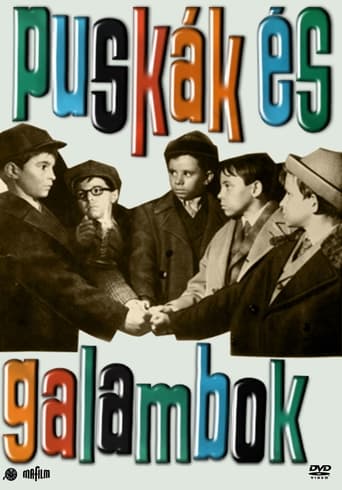
1920 in a mining town in the country-side. The team of children led by Ferkó Boda fish guns and a flag of Red soldiers out of the local lake.
13 March 1965 (Hungary)
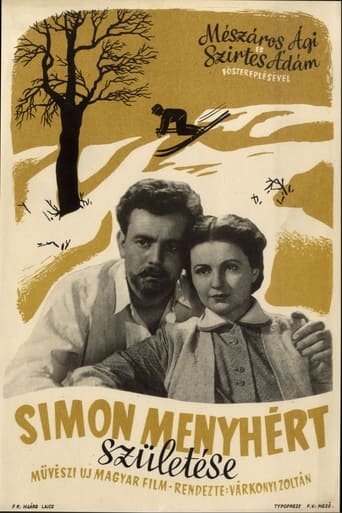
Every member of a small community in the snow-capped Bükk Mountains is trying to help the doctor get to István Simon forester's house where his wife is about to give birth to their first child.
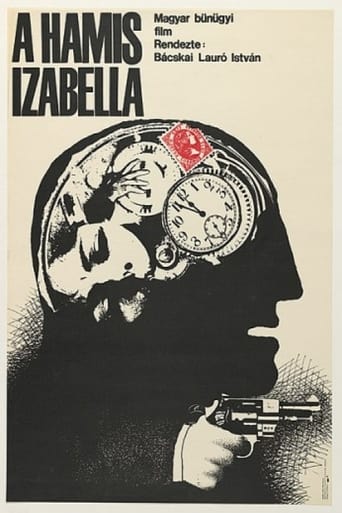
Végh Márta, the teacher is looking for her student Vadász Ica in the Buda villa, but she only finds the tenant, Mrs. Paár - dead. The investigation reveals that Mrs. Paár was murdered for an invaluable stamp, the "Fake Isabella".