

¡Válgame Dios! is a Spanish-language Venezuelan telenovela written by Mónica Montañéz for Venevisión. Sabrina Seara and Eduardo Orozco star as the main protagonists while Ricardo Alamo, Carlota Sosa and Raquel Yanez star as the main antagonists.
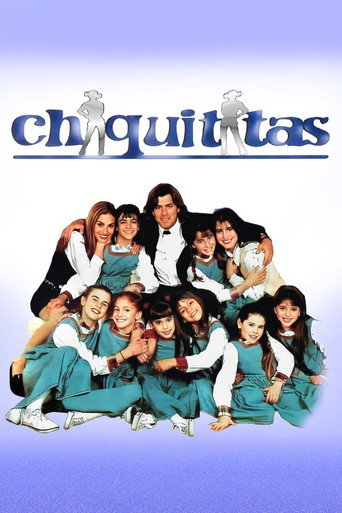
The series focuses about orphans living in a manor, known as Rincón de Luz, where they're guided by a young woman that represents a maternal figure for them.
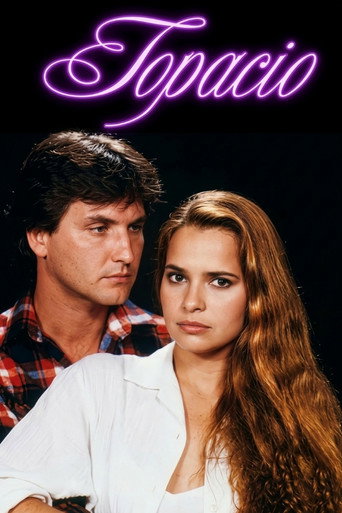
It depicts the life of Topázio, a blind woman who falls in love with Jorge Luis, the son of the owners of a large estate; little did they know, however, that they had been switched at birth, as Topázio had been presumed dead. Topázio had a close friend, Sirilo, who suffered from mental health issues.
Llovizna is a 1997 telenovela from Venezuela, starring Scarlet Ortiz and Luis Fernandez. It was produced by the now defunct RCTV. This telenovela contained 145 episodes.
Carita Pintada is a Venezuelan telenovela that was produced by and broadcast on Venezuela's Radio Caracas Televisión. It was written by Valentina Párraga, Germán Aponte, Irene Calcaño and Romano Rodríguez, and directed by Yuri Delgado and Luis Enrique Díaz. The series lasted 126 episodes and was distributed internationally by RCTV International.
Virgen de la Calle is a 2013 Spanish-language telenovela that was produced by RTI Producciones and Televisa for United States-based television network UniMás and Venezuela-based television network RCTV. It is a remake of Juana la virgen, a Venezuelan telenovela produced for RCTV. María Gabriela de Farías and Juan Pablo Llano will star as the protagonists.

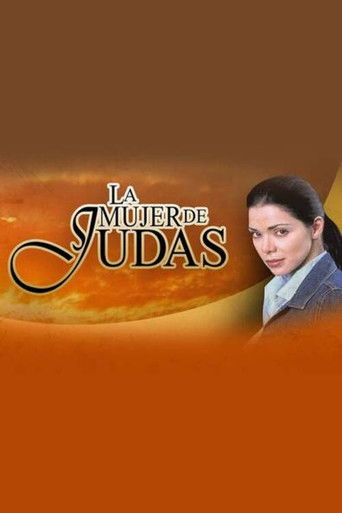
La Mujer de Judas or The Wife of Judas is a telenovela produced by RCTV in Venezuela in 2002. Astrid Carolina Herrera, Chantal Baudaux, Juan Carlos Garcia are playing the main characters and it was directed and created by Martin Hahn. It consists of 126 episodes.
Aunque me Cueste la Vida is a 1998 Venezuelan telenovela produced by Radio Caracas Televisión. It was written by José Simón Escalona, Salvador Garmendia, and Martin Hahn and directed by Olegario Barrera. This telenovela runs 126 episodes and is distributed internationally by RCTV International.
Hay Amores Que Matan is a Venezuelan telenovela that was produced by and seen on Venezuela's Radio Caracas Televisión. Jose Simon Escalona was the director of production, Victor Fernandez was the executive producer, Marco Godoy was the general producer, Mateo Manaure was the director of exterior scenes, and Renato Gutierrez was the general director. This telenovela lasted 120 episodes and was distributed internationally by RCTV International.
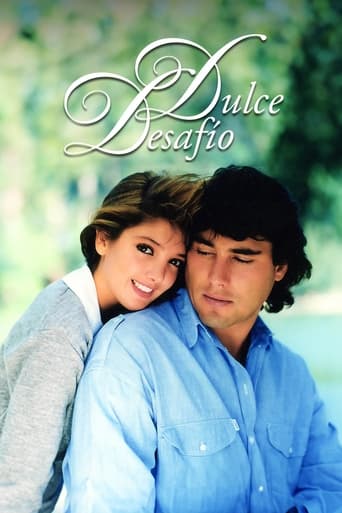
Dulce Desafío is a Mexican telenovela starring Adela Noriega and Eduardo Yáñez.
Viewers also picked
A respected and renowned businesswoman and philanthropist, considered one of the most sought-after brides in the country, who is left at the altar on her wedding day. Humiliated, betrayed, and turned into a target of public scrutiny, Doménica decides to flee and take refuge in one of her parents’ old estates. There, marked by pain, she faces new challenges and meets Luis Fernando, the owner of the neighboring estate, who also carries a painful past. Between them, an explosive relationship develops, marked by pride, misunderstandings, and growing attraction, where land disputes intertwine with their shared desire to rebuild, heal, and give new meaning to their lives.
Viewers also picked
Set in New York, the serial features the street-wise Ángel, who treats life as a game he plays to win. He tangles with the power-hungry Martín, who is engaged to a stunning, feisty lawyer named Manuela. She decides to defend Ángel, even though Martín wants to destroy him. Neither of the men know that Ángel is Martín's own son. Our hero learns that love is the only key to survival.
Viewers also picked
Amar a Muerte is a Mexican telenovela produced by W Studios for Televisa and originally broadcast on Las Estrellas from October 29, 2018, to March 3, 2019. It is based on the Colombian telenovela En Cuerpo Ajeno, created by Julio Jiménez. The story follows the extraordinary lives of three people whose souls are mysteriously reincarnated into different bodies after their deaths. As they adjust to their new identities, they confront love, revenge, family conflicts, and long-hidden secrets.
Viewers also picked
The beautiful young Montserrat is forced to marry a man she does not love in order to save her family from ruin and maintain their social standing.
Viewers also picked
A romance blossoms between a young country woman and the grandson of the late owner of a tequila company. The young man promises to return and marry his girlfriend once he finishes his studies abroad, unaware that she has become pregnant.
Viewers also picked
Having to serve a sentence for a murder she did not commit but took the blame for, a woman gives her baby to her sister to be raised without knowing the truth. 20 years later she is freed and try to be once again part of her life. But things get complicated when the daugther, Rosalinda, and Fernando, the son of the man that was killed, become close.
Viewers also picked
Alejandra and Rafael come from completely different worlds, but a life-changing accident brings them together. A massive debt forces them to stay close, sparking a relationship full of tension, passion, and unexpected emotions. Between jealousy, heartbreak, and fate’s twists, their story takes unpredictable turns that will test their connection.
Viewers also picked
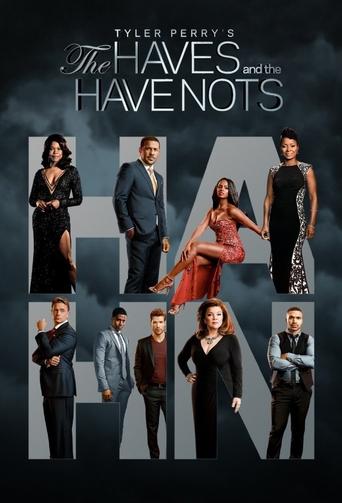
Follow the complicated dynamic between the rich and powerful Cryer family and the hired help who work in their opulent Savannah, Georgia, mansion.
Viewers also picked
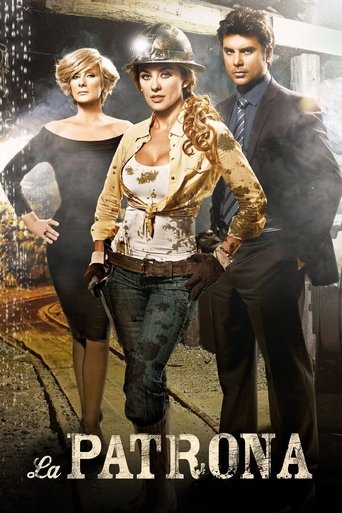
La Patrona is a Spanish-language telenovela produced by United States-based television network Telemundo Studios, Miami and Mexican Argos Comunicación. The telenovela is a remake of the Venezuelan telenovela La Dueña, written by José Ignacio Cabrujas. The name reflects a local term or slang in Mexico to address a person recognized as the main boss. However, the title is also a reflection of both the protagonist and the antagonist struggle to conquer power, authority and respect in a labor field traditionally deemed to be a man's job.
Viewers also picked