An in-depth look at the lives and struggles of a fishing community living by the River Titas in Bangladesh after the Partition of India in 1947.
Alor Michil is a 1974 Bangladeshi patriotic film which focuses on the independence movement of 1971. Written and directed by Narayan Ghosh Mita, it stars Abdur Razzak, Babita, Faruk and Anwar Hussain in lead roles. It has been selected for preservation by the Bangladesh Film Archive
An in-depth look at the lives and struggles of a fishing community living by the River Titas in Bangladesh after the Partition of India in 1947.
It's a 1997 Drama film from Bangladesh about a father's life after his retirement...
An unprecedented terrorist attack takes place in a peaceful café in the center of Dhaka, capital of Bangladesh, on a nice Saturday afternoon. The terrorists use religion to divide and to kill people, while the surviving hostages, all of them also Muslims, try to defend their own humanistic values. The film unravels the clashes and contradictions of religion, ideology, and civilizations through a terror drama shot in a single take.
A Bangladeshi film released in 1971.
A Delhi girl comes to her aunt's house, where she hears the reality of Bangladesh's independent story.
Bangladeshi Bengali Language Film. Romance Type Drama Movie.
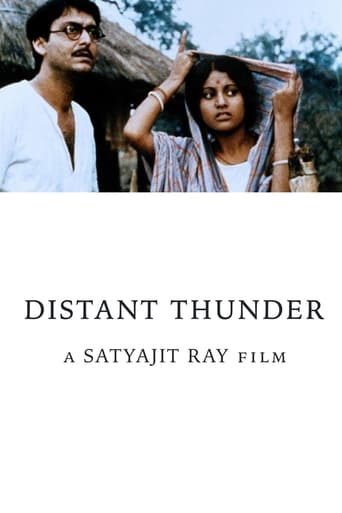
Gangacharan is the new Brahmin of a village, where he assumes various duties: teaching, organizing religious events, and trying to prevent epidemics. But in that year 1943, war is raging (as reminded by the planes occasionally heard flying over the countryside), and a major famine is under way. As food shortages reach catastrophic proportions, Gangacharan attempts to preserve his privileged situation, while his generous wife, Ananga, conversely tries to help and support the community.
The film is about Joy (Shakib Khan) who is engaged to his cousin Mithu(Mimo). But he promises his grandfather that he will not tie the knot before he finds his missing aunt and uncle. In search of his missing relatives, he goes to Malaysia, where he meets Jara(Jaya) who is a UN employee. They become familiar with each other and Jara helps Joy find his aunt. Joy, appreciative of her companionship and help, falls for Jara. To avoid him, Jara gets involved with another man Shakib(Arefin Shuvo). In this situation, the climax of the film comes down between responsibility towards family, relatives and love affairs.
An old man is forced to do work by his unfaithful son.
A wealthy young man defies his father’s expectations by choosing to build a career in music instead of following a conventional office job.
Abar Tora Manush Ho is a 1973 Bangladeshi film starring Maruf Ahmed, Bobita, Farooque and Raisul Islam Asad. Khan Ataur Rahman earned both Best Film and Best Director Award at Bangladesh National Film Awards.
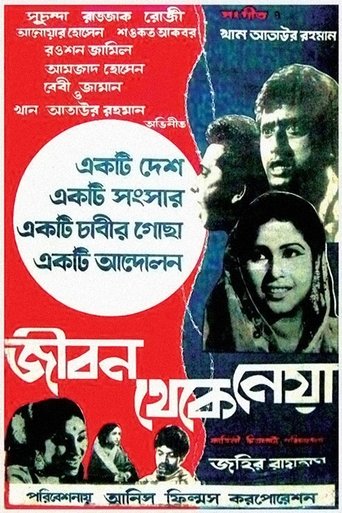
Alam (Anowar Hussain), a young man from a rural background, is forced to leave his family just after the marriage when his wife Luchi (Rosy Samad) feels uncomfortable at his poor home. This makes his father go for earning even at the old age, his lame brother is forced to sell newspapers on the streets, and eventually his younger sister (Sujata) is forced to marry a mentally-challenged person, sacrificing her true love for Kabir (Abdur Razzak), who is again Alam's brother-in-law, to cover up the loan once taken by his father from a village landlord.
To get his desired one, a young man takes the path of cheat and deception that brings some realities before him.
Set in rural Bangladesh, “Sujon Sokhi” is a romantic melodrama where the story starts with a feud between two brothers incited by the wife of the elder brother. The younger brother has to leave the house with the mother and his wife due to extreme misbehave of the elder couple.....
A political satire of Bangladesh under the rule of Pakistan metaphorically, where an autocratic woman in one family symbolizes the political dictatorship of Ayub Khan in East Pakistan.
Jibon Sansar is a 1996 Bangladeshi romantic film written and directed by Zakir Hossain Raju. It is the first film directed by Raju. It stars Salman Shah, Shabnur, Faruk, Babita and Golam Mustafa.
The movie directed by Abdullah Al Mamun was adapted from a novel by noted writer Shahidullah Kaiser. The film based on the lives of people living in our costal areas, was admired by many while stirring up controversy for some bold statements it made.
Sangam is a Pakistani Urdu film released in 1964, directed by Zahir Raihan starring Rosy Samad, Khalil, Haroon Rashid and Sumita Devi. This is the first full-length colour movie made in entire Pakistan. This was the fourth film by Zahir Raihan (1935-1972) who later went on to direct more films in Urdu and Bengali during the 1960s. Zahir Raihan became one of the most important filmmakers of East Pakistan, which later became Bangladesh in 1971. Although Sangam was an Urdu film, but most of the cast, playback artistes and crew were from the Bengali-speaking Eastern province.
Two brothers lived happily with their married sister. Once they both got married; motivated by their wives, one choose the path of honesty and hardship and the other one became corrupted.
During the 1947 partition of Bengal, a man and a woman cross a river to begin life anew. Their journey manifests many roles against the backdrop of some horrific events and loss of life.
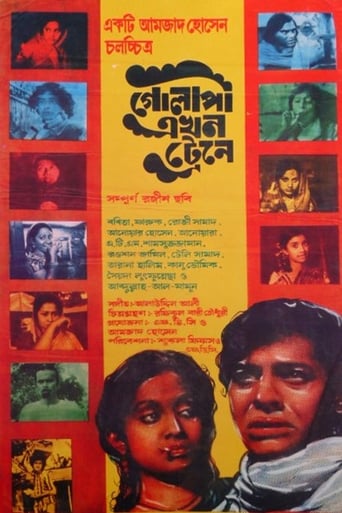
A brilliant film made by Amjad Hossain on the oppressed have-nots of rural Bangladesh, Golapi Akhon Train-e, enjoyed a phenomenal success. The movie showcasing talented actors Rowshan Jamil, Bobita, and Anowara also brought to attention the issue of inequitable treatment of women.
A portrayal of superstition and bad impact of village politics.
Alam (Anowar Hussain), a young man from a rural background, is forced to leave his family just after the marriage when his wife Luchi (Rosy Samad) feels uncomfortable at his poor home. This makes his father go for earning even at the old age, his lame brother is forced to sell newspapers on the streets, and eventually his younger sister (Sujata) is forced to marry a mentally-challenged person, sacrificing her true love for Kabir (Abdur Razzak), who is again Alam's brother-in-law, to cover up the loan once taken by his father from a village landlord.
Shares 3 cast members · Same director
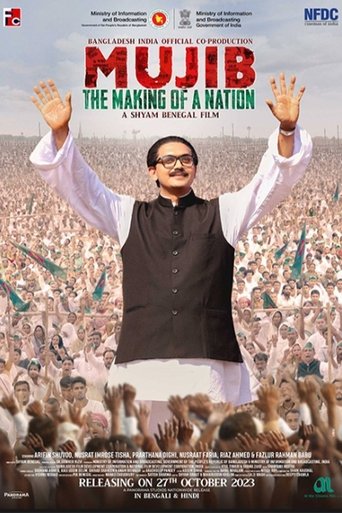
Biopic on the father of the nation of Bangladesh, Sheikh Mujibur Rahman. The film will showcase his growing up as a child to his standing up against all injustice in his youth to fighting for the independence of his country. How he led a country to it's independence with his inspirational presence and fight for the justice.
Viewers also picked
A WWII veteran escapes his care home in Northern Ireland and embarks on an arduous but inspirational journey to France to attend the 75th anniversary of the D-Day landings, finding the courage to face the ghosts of his past.
Viewers also picked
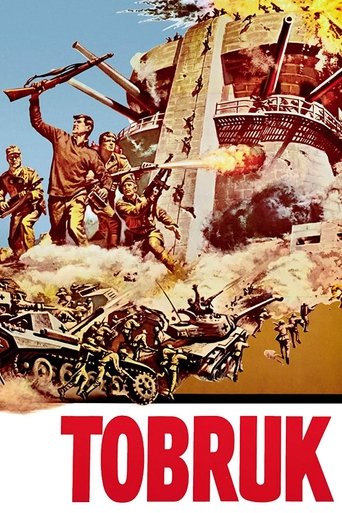
In September 1942, the German Afrika Korps under Rommel have successfully pushed the Allies back into Egypt. A counter-attack is planned, for which the fuel dumps at Tobruk are a critical impediment. In order to aid the attack, a group of British commandos and German Jews make their way undercover through 800 miles of desert, to destroy the fuel dumps starving the Germans of fuel.
Viewers also picked
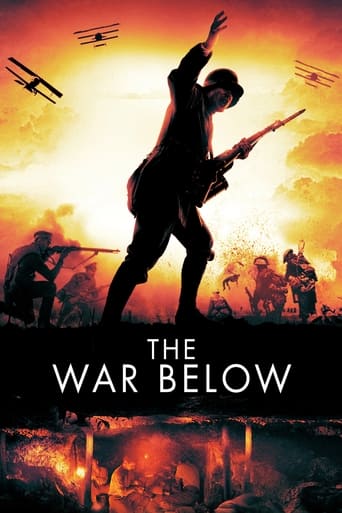
During World War I, a group of British miners are recruited to tunnel underneath no man's land and set bombs from below the German front in hopes of breaking the deadly stalemate of the Battle of Messines.
Viewers also picked
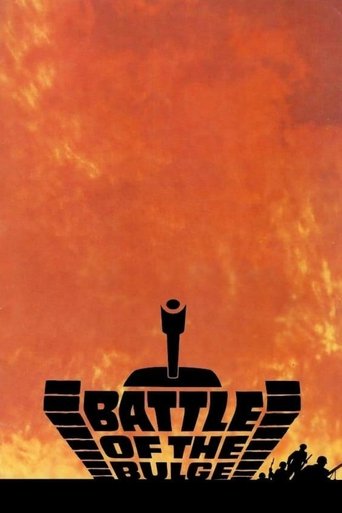
In the winter of 1944, the Allied Armies stand ready to invade Germany at the coming of a New Year. To prevent it, Hitler orders an all-out offensive to re-take French territory and capture the major port city of Antwerp.
Viewers also picked
A political satire of Bangladesh under the rule of Pakistan metaphorically, where an autocratic woman in one family symbolizes the political dictatorship of Ayub Khan in East Pakistan.
Shares 3 cast members
During World War II, a young man is called up and, with an increasing sense of foreboding, undertakes his army training ready for D-Day, June 6th, 1944.
Viewers also picked
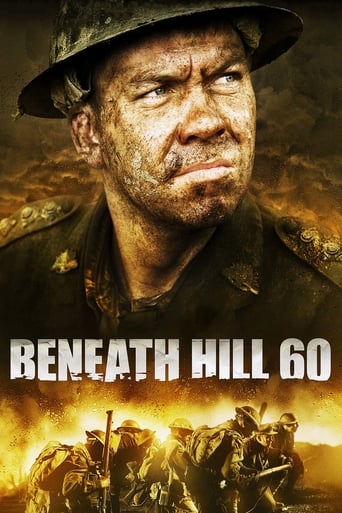
The true story of Australia's cat-and-mouse underground mine warfare—one of the most misunderstood, misrepresented and mystifying conflicts of WW I. It was secret struggle BENEATH the Western Front that combined daring engineering, technology and science. Few on the surface knew of the brave, claustrophobic and sometimes barbaric work of these tunnellers.
Viewers also picked
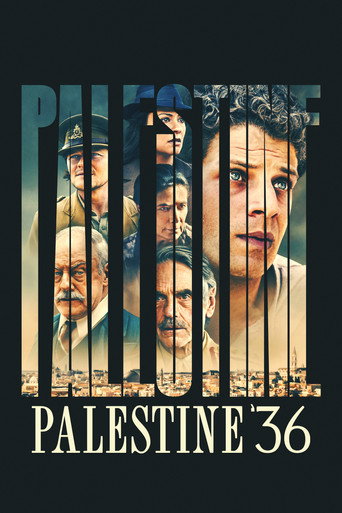
Year 1936. As villages across Palestine rise against British colonial rule, Yusuf drifts between his rural home and the restless energy of Jerusalem, longing for a future beyond the growing unrest. But history is relentless. With rising numbers of Jewish immigrants escaping antisemitism in Europe and some arriving with nefarious Zionist-colonial ambitions, and the Palestinian population uniting in the largest and longest uprising against Britain’s 30-year dominion, all sides spiral towards inevitable collision in a decisive moment for the British Empire and the future of the entire region.
Viewers also picked