In 1956, a crusading newspaper reporter covers the Soviet invasion of Hungary. Initially critical of the communists, the feature later espouses the virtues of social changes implemented since the invasion.
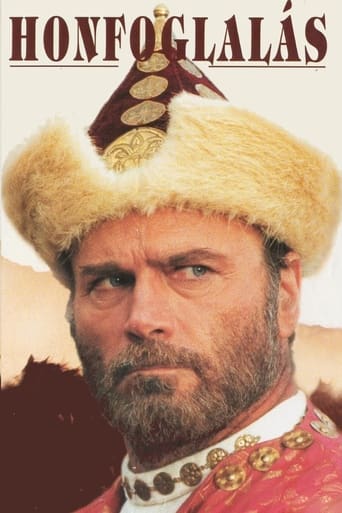
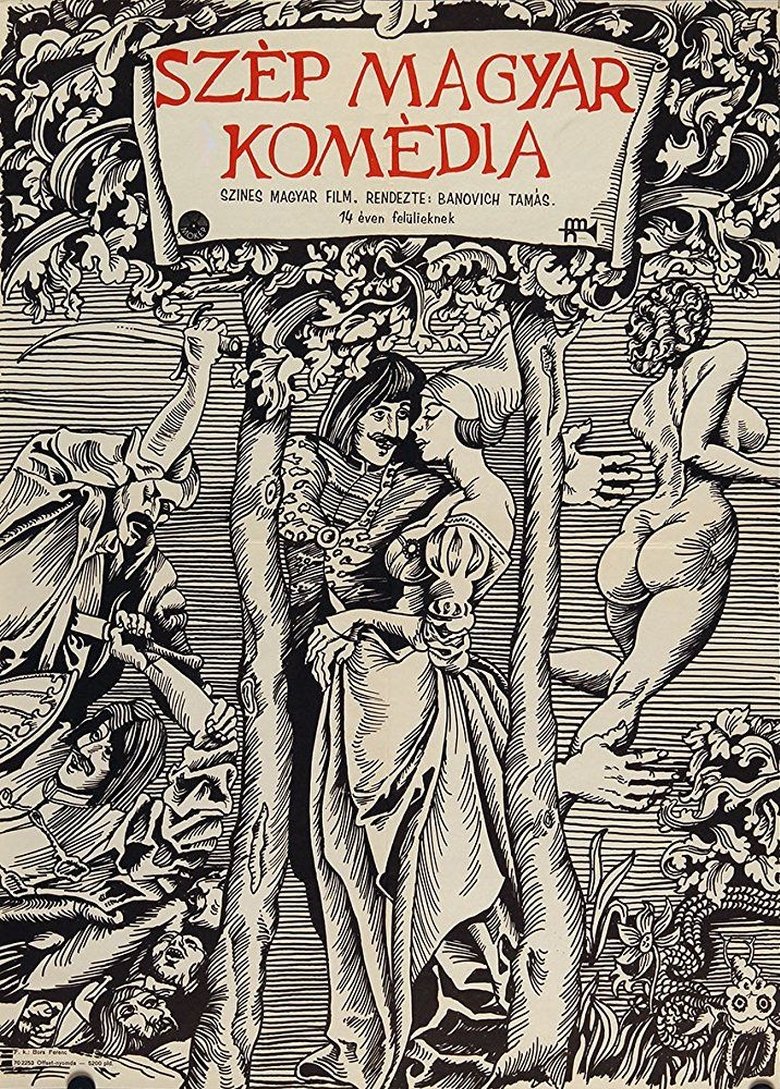
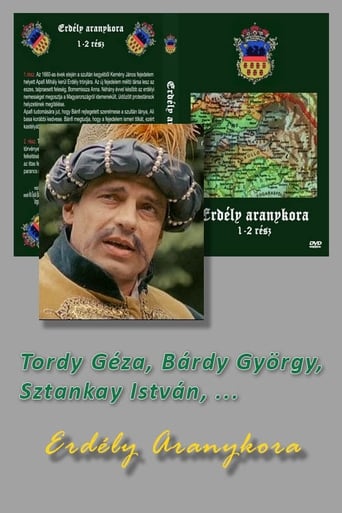
The story of Bálint Balassi, the poet and warrior. The scene is Hungary at the end of the 16th century. The soldiers stationed at the castles of Hungary's border defence-system spend their days with anti-Turkish raids, hunting and womanising.
In 1956, a crusading newspaper reporter covers the Soviet invasion of Hungary. Initially critical of the communists, the feature later espouses the virtues of social changes implemented since the invasion.
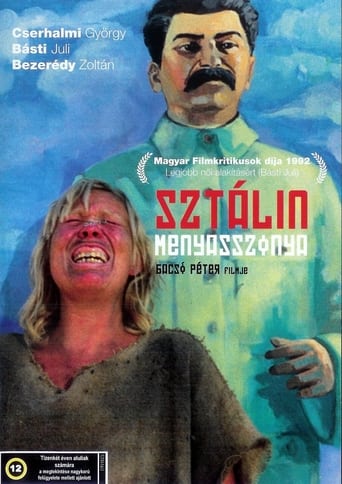
At a dusty crossroads in the Soviet Union villagers surrender their possessions - a horse, a samovar, a goat - to the state. The train which takes them away brings to the village a physically and mentally handicapped woman, barely able to speak. She makes herself bracelets of burrs and studies herself in a cracked and cloudy mirror. Befriended by very few, teased and tormented by many she seeks protection at a huge portrait of Stalin.
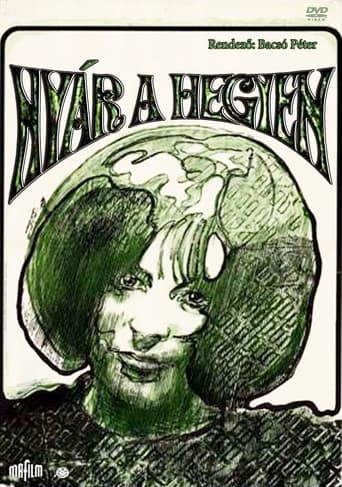
Barbara is a forty-year-old woman of Polish origin living in Budapest. She is a biologist, a wife and a mother. The death of her woman friend opens her eyes to the fact that she is lonely, unable to find her place.
A group of students of the last year of the local motor technical school is slowly entering adult life. An atmosphere of emptiness and hopelessness reigns around them. Young people have no idea for their future, but they do not want to duplicate the pattern of a poor existence according to which their parents live. One of them, Arek, had a chance to break out of this vicious circle for a moment. The possibility of a brilliant career, fame and a lot of money was opening up to him, the Polish Junior Champion in Kickboxing. Serious heart disease shattered these plans. Arek dreams of renting a flat and freeing himself from his alcoholic father. Together with Lalka, Panicz, Mucha and Renata - his closest friends, he often visits the Kosmos pub, owned by the local mafioso Marsel. One day Marsel offers Arek and Mucha a jump: they are to break into the apartment on the top floor of a skyscraper.
A story about a German family during World War II with every family member having a different approach to Jews, raging from hatred to compassion.

The film depicts the period between 1945-60 through the life of a communist couple. Barna Judit, just released from a concentration camp and Horváth László, with an illegal past are brought together by the communist movement. They study and make plans together in the hope of a future that will make sense. The marriage they just entered, however, gets ruined soon by the events of history.
In the fall, under the sign of Virgo, in a Dobrogea village, the harvest festival is in progress. An amateur troupe is playing a scene with Afrodite, Dionysos and Neptune; but also dome old shamanic dances. Dița and Dionis are preparing for wedding. But the sins of their parents will weigh heavily on them.
The final years of Sándor Márai's voluntary exile in San Diego, which led to his suicide in 1989. Based on his own diary.
Five young high school graduates are preparing for college admissions in one of the largest and most important university centers, Cluj. Once they become students, the lives of the five change, and the results will be commensurate with the work of each.
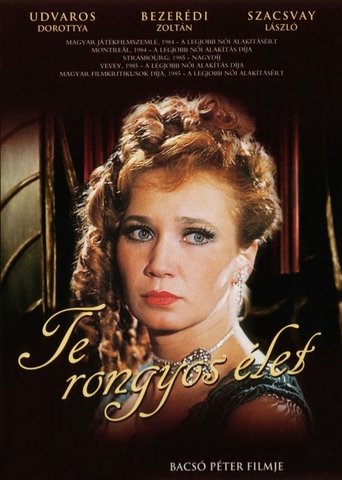
The Hungarian Oh, Bloody Life reflects on the heavy emotional toll taken by the repressive Stalin regime. Dorotya Udvaros plays a young actress from a high-born family. The government bias against persons of wealth threatens to destroy her career before it begins. As a final blow, she is threatened with deportation. The exasperation inherent in the film's title is only the tip of the iceberg.
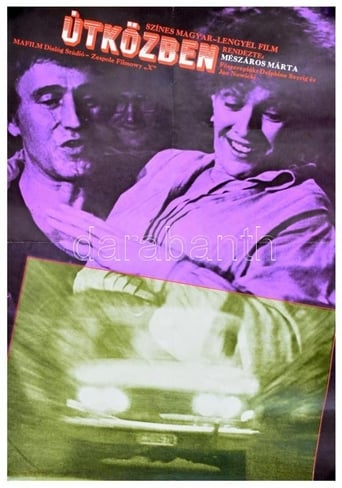
A past world is revived in the little cottage in the outskirts, next to the housing blocks under construction. Tamburás, the old hobo collects swerved youth: Diák, who desires freedom, the bus driver who is deprived of his license for having run over someone, and the rest. They have got an easy and unbound life there, with constant music, small thefts, occasional labour, tricks.
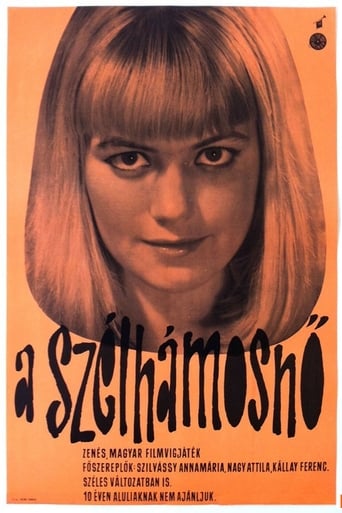
Following his wedding, Feri left the co-operative and is now working on the land of his father-in-law. Tóth is extremely wilful and thrifty, working from early morning to late night, pushing his family as well.
A family saga of Barbara Ostrzeńska-Niechcic and Bogumił Niechcic against the backdrop of the January Uprising of 1863 and World War I. The film is a rather straightforward and faithful adaptation of a novel by Maria Dabrowska with the same title. The plot is woven around the changing fortunes of a noble (upper-class) Niechcic family in the pre-WWI Poland. There are two main crossing threads: a social history one and an existential one.
The movie tells about the relationship between young people who love each other. Young Mishka's family works on a construction site in Budapest, and on weekends they come home to their village on the Great Plain to relax and have fun. It is here that the young man meets Klari. He learns that Klari is his fellow villager, although she also works in Budapest. They arrange to meet the following weekend. Mishka is truly in love. Clarie is too, but she doesn't dare to admit to him that she has been unfaithful.
During the Napoleonic wars, a Spanish officer and an opposing officer find a book written by the former's grandfather.
Petru and Constantin, former faculty mates, have different views concerning their lives and professions; while the former has a bright imagination, is very creative and daring, the latter is looking only for personal comfort and material satisfaction. They contend for the same woman – but even if she loves Petru, she marries Constantin for his material condition. Though he finds in Constantin an adversary who does not hesitate to remove him, Petru will surpass him professionally.
In 1916 as an officer in the Habsburg Army ethnic Romanian Apostol Bologa is torn between remaining loyal to the Habsburgs or deserting to the Romanian Army across enemy lines.
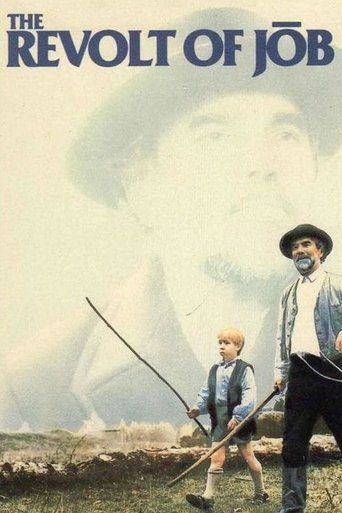
Set during the 1919 Republic of Councils in Hungary, the film follows a pacifist priest advocating for peaceful land reform and his brother, a teacher fighting for the revolution with arms. As political tensions mount in their village, the brothers must navigate the clashing ideals of faith, violence, and social upheaval.
Andras (Zygmunt Malanowicz), an older man employed as a furniture designer, gets a life-jarring shock when he returns from a trip and finds that some of the work he developed has been given over to a younger employee. This instigates a mid-life crisis over his own identity and his sense of security and self-worth, all exacerbated by a recent divorce and estrangement from his son. Recognizing that he needs help, the man goes for therapy and starts to face his problems. Therapy counteracts some of the damage of living, and the man starts to consider his son, his relationships with women, and his father in a different light.
A TV movie version of István Örkény's short novel. The fate of Sister Glória, or Ilona Tarr, who has lived in a convent since her childhood, in the historical situation after 1948, when the nuns' orders were dissolved in our country. The film presents the reality of this extraordinary fate with lyrical beauty. At the age of 26, Gloria is taken out of the closed and safe world of the convent - both spiritual and everyday - and into a changing reality with shifting values. In the course of conflicts, while maintaining her individuality and integrity, she finally finds her place among everyday people.
The story of a childless Jewish couple in WWII-era Hungary who adopt a Hungarian boy and raise him with their values and traditions.
Komora, a young painter and his friends, Mari, a teacher, and the elderly doctor, Szabó, buy a barrack-building situated at the foot of the stone mine of Badacsony. Earlier, the place served as an internment camp. Now, they intend to establish a camp with workshop sessions for fine artists. Mari and the painter fall in love.
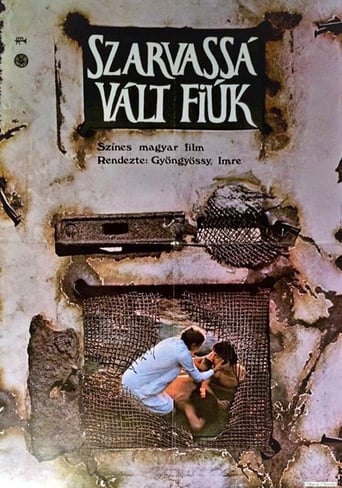
This poetic film presents the ballad of the boys who turned into stags, by the associative means of music, painting and folk art. At the same time it is a memorial to the martyrs of the 1944 Sátoraljaújhely prison revolt and shows its butchery reflected through the fate of three brothers.
A jazz musician seeks refuge from a lynch mob on a remote island, where he meets a hostile game warden and the young object of his attentions.
Viewers also picked
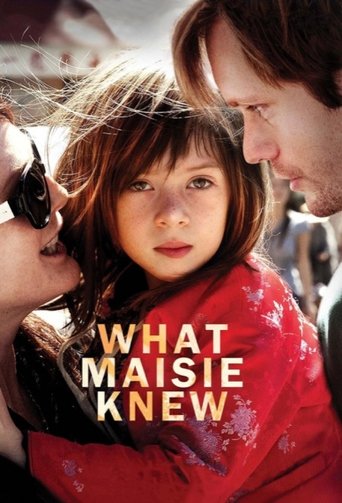
In New York City, a young girl is caught in the middle of her parents' bitter custody battle.
Viewers also picked
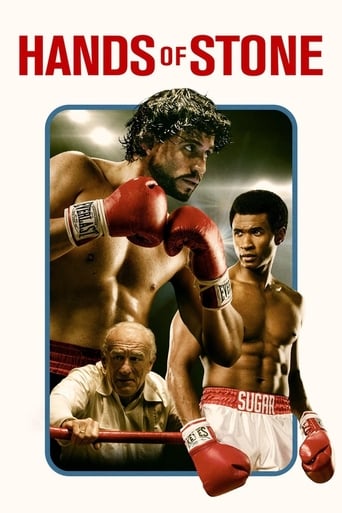
The legendary Roberto Duran and his equally legendary trainer Ray Arcel change each other's lives.
Viewers also picked
Shares 2 cast members
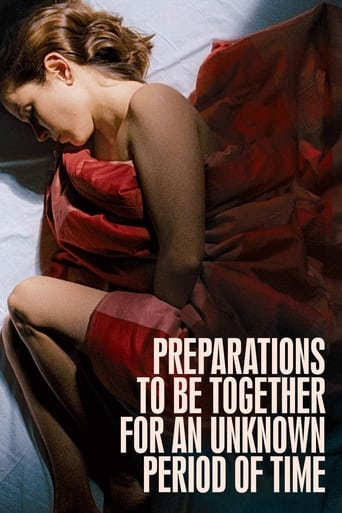
Márta, a 40-year-old neurosurgeon, falls in love. She leaves her shining American career behind and returns to Budapest to start a new life with the man she loves. But she waits for him at the Liberty Bridge in vain – he does not appear at their rendezvous. Márta starts to search for him desperately, but when she finally finds him, the love of her life claims that they have never met before.
Viewers also picked
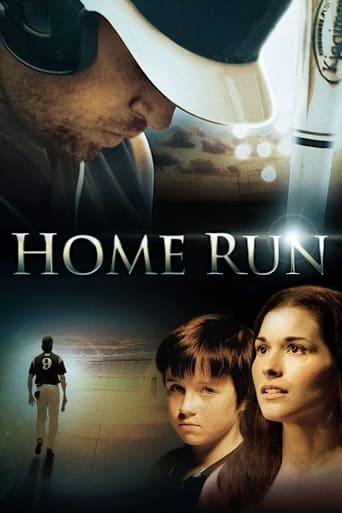
A pro ball player with a substance abuse problem is forced into rehab in his hometown, finding new hope when he gets honest about his checkered past, and takes on coaching duties for a misfit Little League team
Viewers also picked
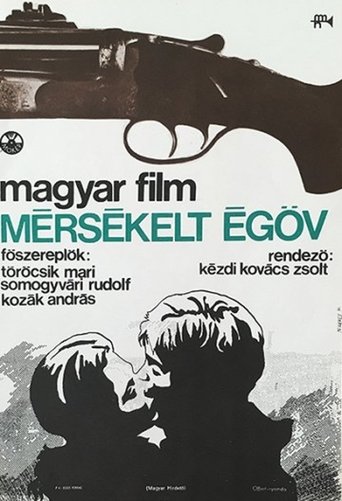
Kalán Imre, the district doctor lives in a small village surrounded by mountains. One day he is visited by two young relatives of his and their friend, a doctor at the beginning of his career. The name of the doctor is Király András, and he happens to be the great love of Kalán's young wife from her unmarried years. The orthodox Stalinist Kalán's entire life is filled with his great passion, hunting. The suffocating, narrow lives of the prominent people in the area are slowly revealed to András.
Same director
Mouse desperately wants to join The Midnight Clique, the infamous Baltimore dirt bike riders who rule the summertime streets. When Midnight’s leader, Blax, takes 14-year-old Mouse under his wing, Mouse soon finds himself torn between the straight-and-narrow and a road filled with fast money and violence.
Viewers also picked
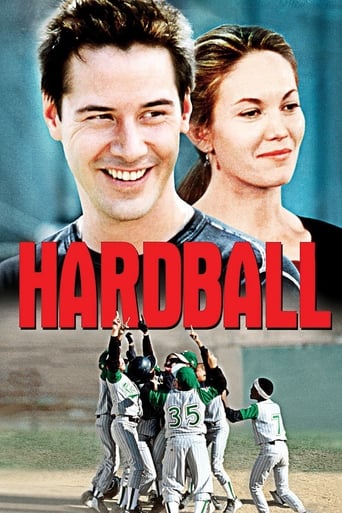
An aimless young man who is scalping tickets, gambling and drinking, agrees to coach a Little League team from the Cabrini Green housing project in Chicago as a condition of getting a loan from a friend.
Viewers also picked
Carla Zachanassian had a child by Serge Miller as a teenager. When Serge refused to marry her, she was driven out of town. By her own wit and cunning, she has returned as a multi-millionaire for a visit. The town lays out the red carpet expecting big things from Carla, only to learn that her sole purpose is to see Serge Miller killed...
Viewers also picked