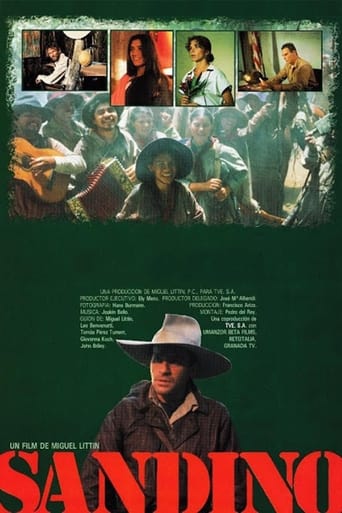
Narrative of a period of life (1926 - 1934) of the Nicaraguan revolutionary leader Sandino, who was known as "The general of free men."
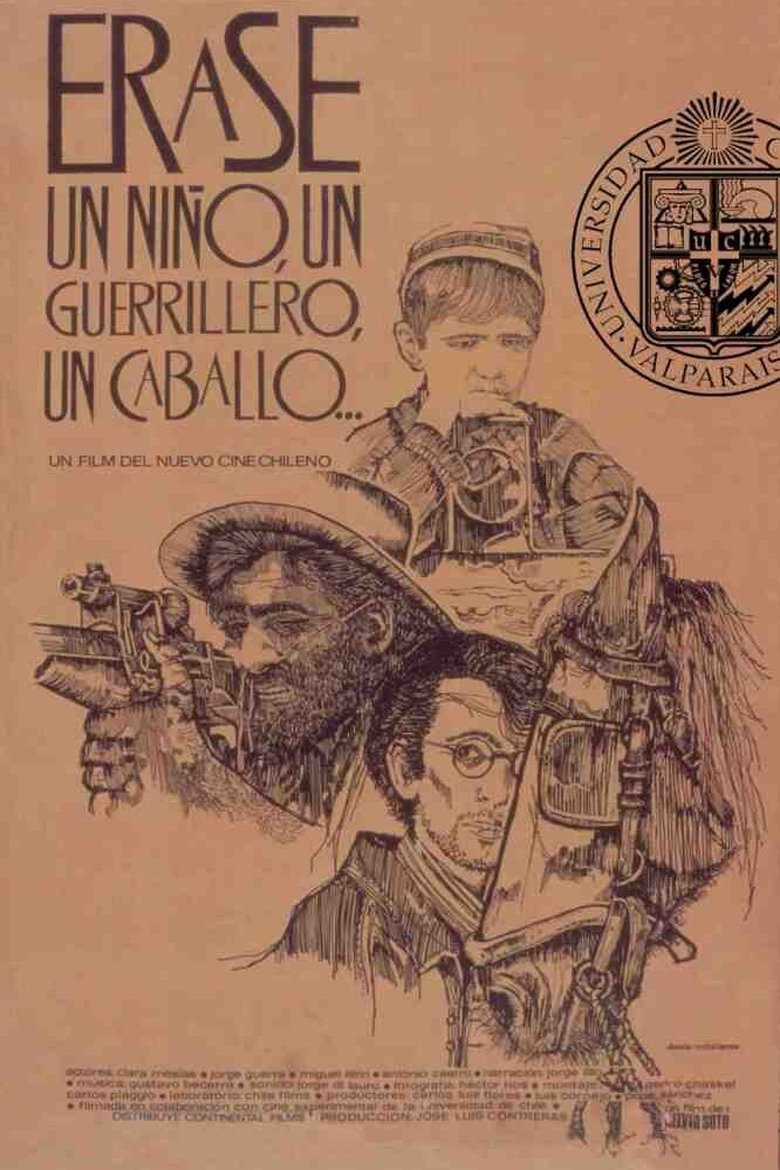
Feature film that wraps, through Jorge Lillo's text, three short films by Helvio Soto
Narrative of a period of life (1926 - 1934) of the Nicaraguan revolutionary leader Sandino, who was known as "The general of free men."
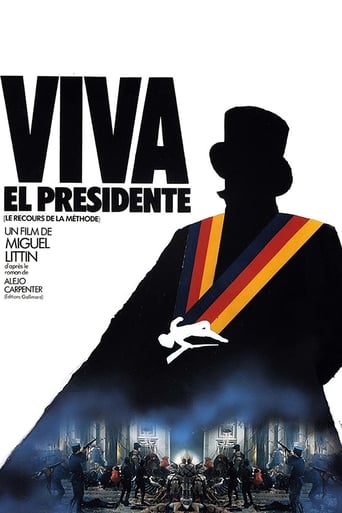
Set in the early 1900s, this film charts the rule of a Latin American dictator as he moves from being a charming despot to a tyrannical ruler before he is finally ousted, only to die in obscurity in Paris. Early in his regime, the resources and agricultural products his country sells command high prices, and he is a reasonably confident, even gentle, ruler who likes to take long vacations with his daughter in Paris. After World War I, with falling prices and a number of coup attempts behind him, his rule becomes quite cruel.
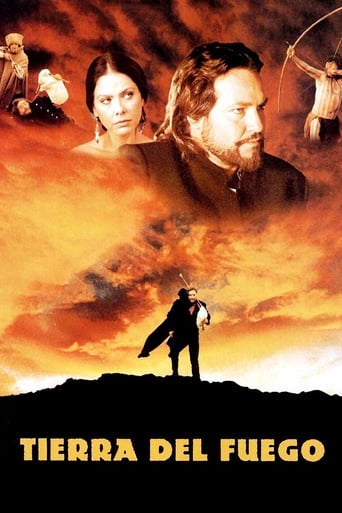
The film is based on the novel (of the same name) by the Chilean writer Francisco Coloane, and on the chronicles of the Romanian engineer Julius Popper, a nationalized Argentine and one of the principle actors in the genocide of the Selk'nam, one of the indigenous peoples who inhabited the Tierra del Fuego Archipelago.
Chronicle of the repression that a foreign company exerts on the miners of a small nitrate town in Chile, whose workers decide to claim their most essential rights. A reflection of the historic union struggles in the northern Chile that ended with terrible repressive acts.
At the outbreak of the Spanish Civil War, the nun Maria is forced to flee her convent. She takes refuge in a brothel, until it is liberated by a woman's anarchist group. Maria joins the group and eventually goes to the front. The women's group faces the problems of fighting not only the nationalists, but also factions on the left seeking to impose a more traditional military structure.
The old Spanish filmmaker Luis Buñuel (1900-83) imagines a movie plot, set in Toledo in the future 2002, about the fantastic adventure of three actors, who play him and his friends, the painter Salvador Dalí (1904-89) and the poet Federico García Lorca (1898-1936), and their search for King Solomon's table, a mythical artifact capable of revealing the past, present and future.
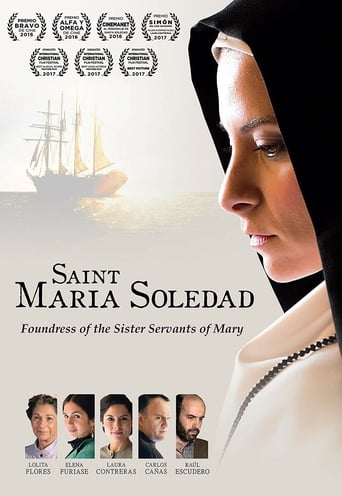
The inspiring story of the beginnings of the Sister Servants of Mary, a religious order that was founded in Madrid, Spain in 1851 by Fr. Miguel Martinez and Sister Maria Soledad who guided it in its development and expansion until her death in 1887.
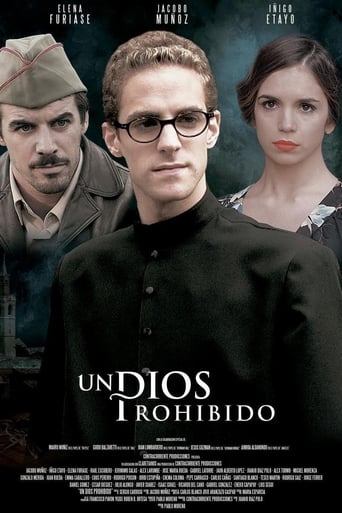
August 1936, the beginning of the Spanish Civil War. 51 members of the Claretian community of Barbastro (Huesca) are martyred, die for their faith. The film recounts the last weeks of his life, since they are held until they are finally shot. During that time, they perform various writings they talk about their situation, of his fellow captives, people who saw them. These writings have been the basic testimony used to narrate this real fact in film version.
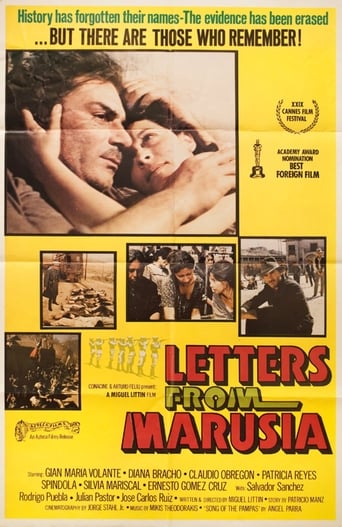
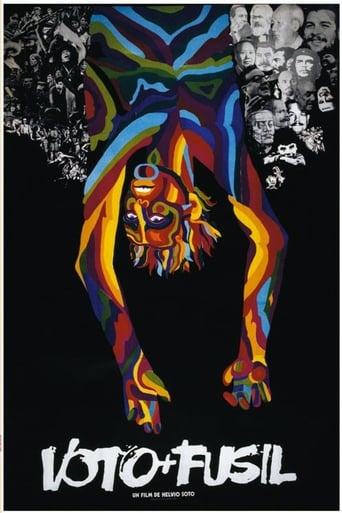
The political evolution in Chile seeing from three different times: 1937, 1947 and 1970. A film that shows how a revolution cannot be accomplished by electoral means, and how the wealthy class will always attempt to destroy that revolution, with the help of the armed forces, as soon as their privileges are threatened.
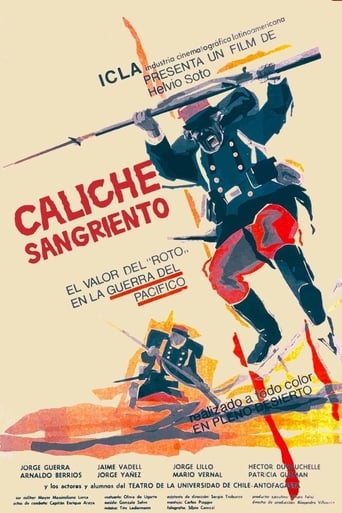
Chilean soldiers try to survive in the desert after they are attacked by Peruvian troops. The 17 survivors are held together by the Captain. The Lieutenant is a civilian attorney who clashes with the Captain as he pursues the valuable rights to nitrate deposits in the area. When the fighting was over, 25,000 soldiers from Chile, Peru and Bolivia had perished while trying to secure the coveted mineral rights for foreign companies.
Shares 2 cast members · Same director
The political evolution in Chile seeing from three different times: 1937, 1947 and 1970. A film that shows how a revolution cannot be accomplished by electoral means, and how the wealthy class will always attempt to destroy that revolution, with the help of the armed forces, as soon as their privileges are threatened.
Shares 2 cast members · Same director
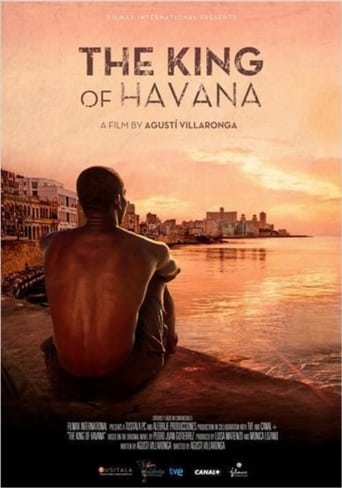
Recently escaped from reformatory, Reinaldo struggles to get by in the streets of Havana in the late 90s, one of the worst decades for Cuban society. Hopes, disillusionment, rum, good humor and above all hunger, accompany him in his wanderings, until he meets Magda and Yunisleidy, survivors like himself. In one or the other's arms, he will try to escape the material and moral misery surrounding him, living love, passion, tenderness and uninhibited sex to the limit.
Viewers also picked
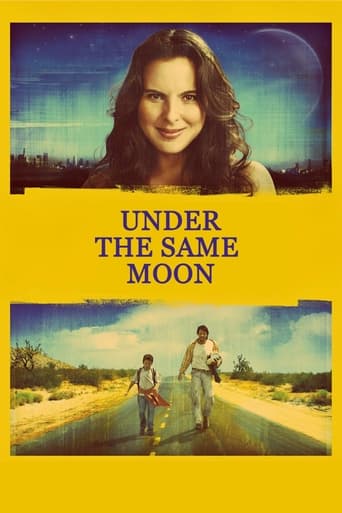
Tells the parallel stories of nine-year-old Carlitos and his mother, Rosario. In the hopes of providing a better life for her son, Rosario works illegally in the U.S. while her mother cares for Carlitos back in Mexico.
Viewers also picked
In a suburban landscape, the lives of several families interlace with loss, despair and personal crisis. Esther Gold has lost focus on all but caring for her comatose son, Paul, and neglects her daughter and husband. Lawyer Jim Train is devoted to his career, not his family. Helen Christianson wants to find a new spark in life, while Annette Jennings tries to rebuild hers.
Viewers also picked
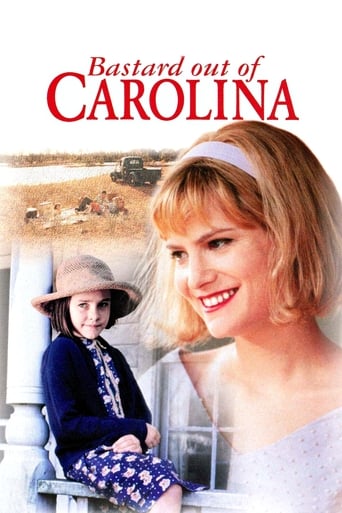
A poor, struggling South Carolinian mother and daughter face painful choices with their resolve and pride. Bone, the eldest daughter, and Anney her tired mother, grow both closer and farther apart: Anney sees Glen as her last chance.
Viewers also picked
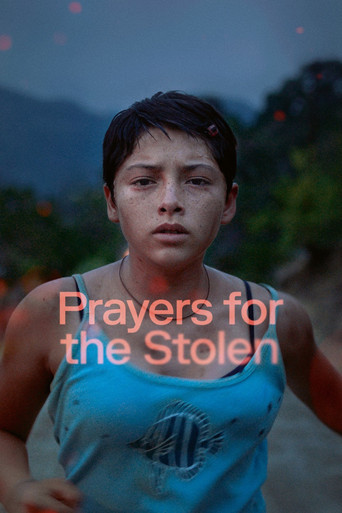
Ana and her two best friends, Maria and Paula, navigate life in their oppressive countryside village. Whilst their families struggle in the poppy fields harvesting opium, the girls try to grow alongside the creeping terror of their cartel oppressors.
Viewers also picked
Set in the early 1900s, this film charts the rule of a Latin American dictator as he moves from being a charming despot to a tyrannical ruler before he is finally ousted, only to die in obscurity in Paris. Early in his regime, the resources and agricultural products his country sells command high prices, and he is a reasonably confident, even gentle, ruler who likes to take long vacations with his daughter in Paris. After World War I, with falling prices and a number of coup attempts behind him, his rule becomes quite cruel.
Shares 2 cast members
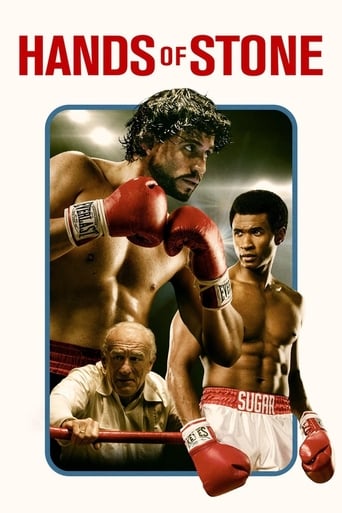
The legendary Roberto Duran and his equally legendary trainer Ray Arcel change each other's lives.
Viewers also picked
Starts a love story between an art student and a medical student, narrated from Monday to Sunday.
Shares 2 cast members · Same director